
One-Lens Challenge: Sigma 35mm F1.4 DG II Art Lens
Mark Edward Harris tests the Sigma 35mm F1.4 DG II Art lens with a travel assignment.
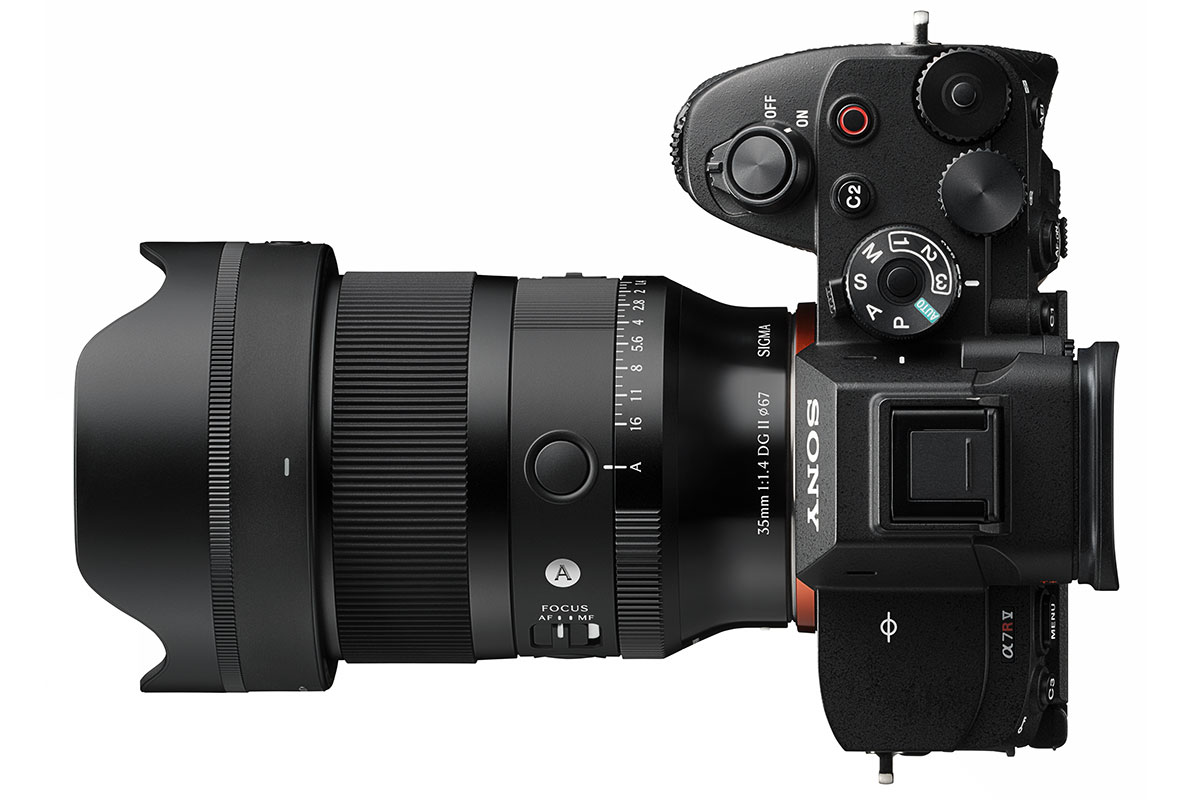
Until I tested Sigma’s latest 35mm during a trip to Hot Springs, Arkansas, I felt that if I could only work with one lens and it had to be a fixed focal length, it would be a 28mm. Working with the new Sigma 35mm F1.4 DG II Art lens has made me rethink that position, especially since my assignment involved creating vertical environmental portraits to tell the story of this historic town.
While the 28mm can be a great lens for horizontal environmental portraits, it tends to show too much distortion when applied to verticals. In Hot Springs I used the lens, which is available in Sigma L-mount and Sony E-mount versions, to take environmental portraits of the people and places that lend the town its unique character.
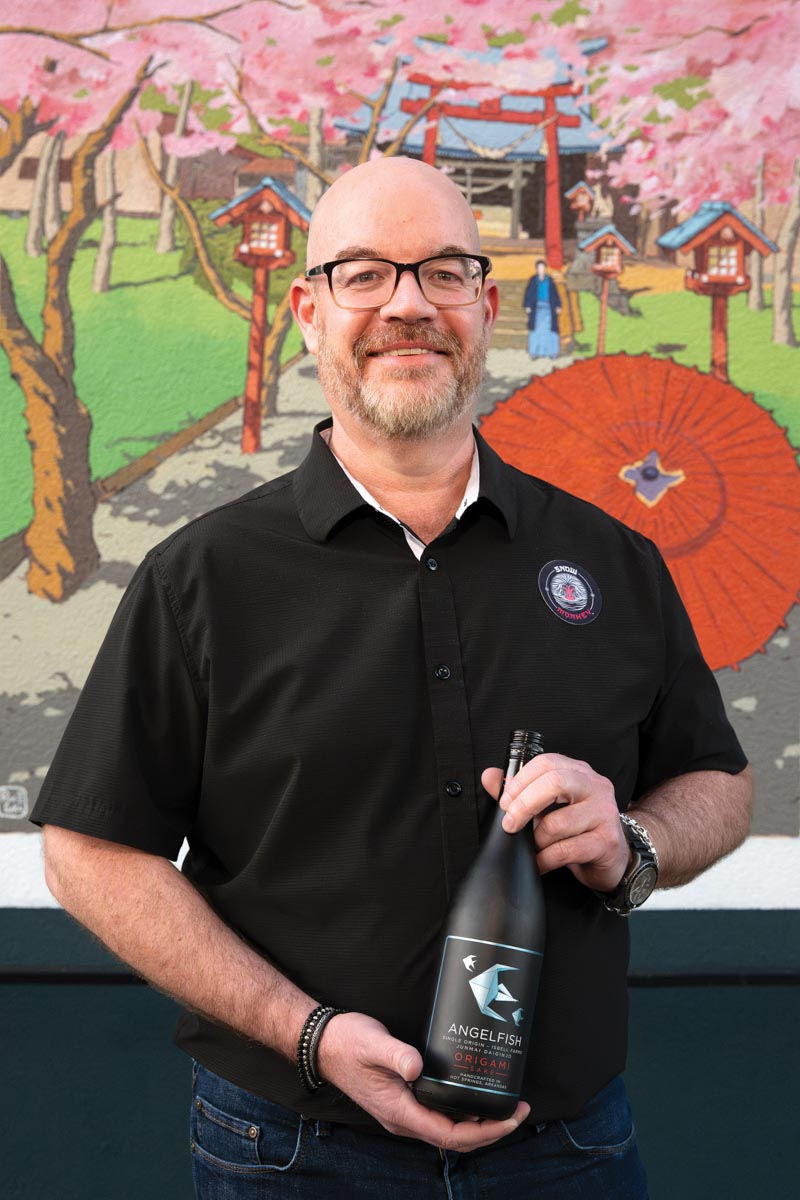
Matt Bell of Origami Sake

Saddiq Mir at J&S Italian Villa

Atmospheric portrait of a server at The Pancake Shop
The Sigma 35mm F1.4 DG II Art lens is compact, weighs 18.5 ounces, and has a 67mm filter size. I photographed the people behind an eclectic mix of Hot Springs food and beverage businesses, including Matt Bell of Origami Sake, and Saddiq Mir at J&S Italian Villa. Apertures between f/4 and f/5.6 gave enough depth of field to feel the subjects’ environments without being so sharp that it would pull the viewer’s focus to the background. I applied the same approach to the more reportage-style environmental portrait of a fully ladened server at The Pancake Shop.
The Sigma lens is equipped with an AFL button in two locations, which can be assigned to several functions via the menu on select cameras. In addition to the aperture ring, the lens has an aperture ring lock switch. If engaged in position A, the aperture ring will be locked in that position and the camera will control aperture. Engaged in a position other than A, it will transfer control of the full aperture range of the lens, from f/1.4 to f/16, to the aperture ring.
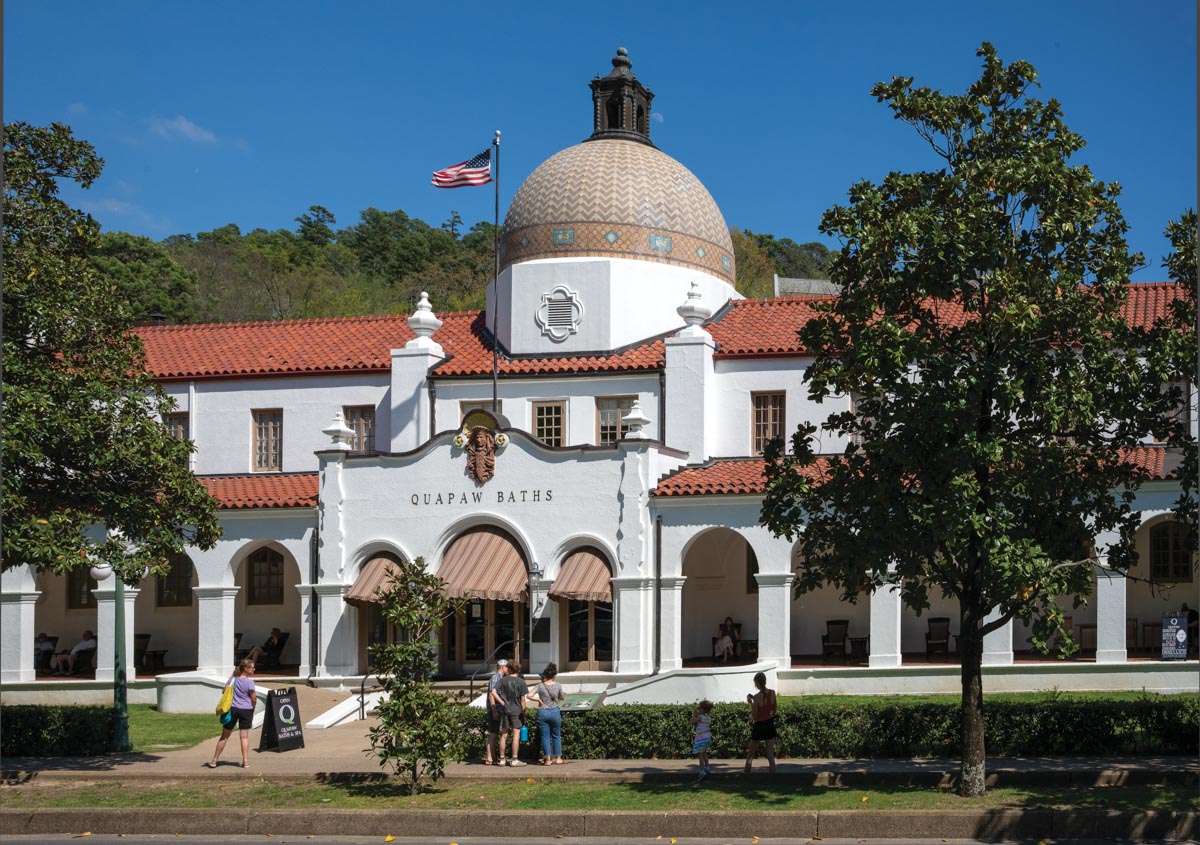
Quapaw Baths

Rose Schweikhart at the Superior Bathhouse Brewery and Distillery; exposure 1/320 second at f/4.5, ISO 5000, EV -0.33
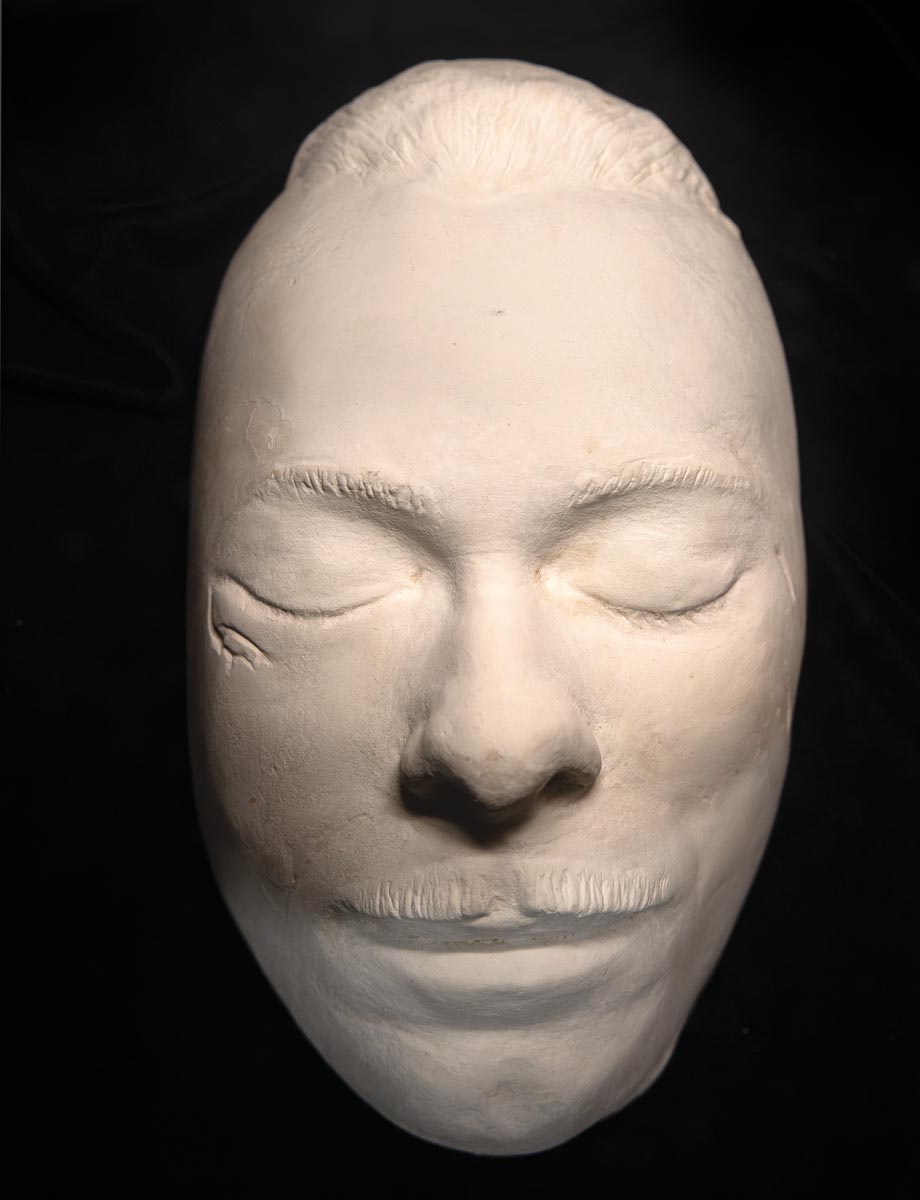
John Dillenger’s death mask; exposure 1/160 second at f/5.0, ISO 2800
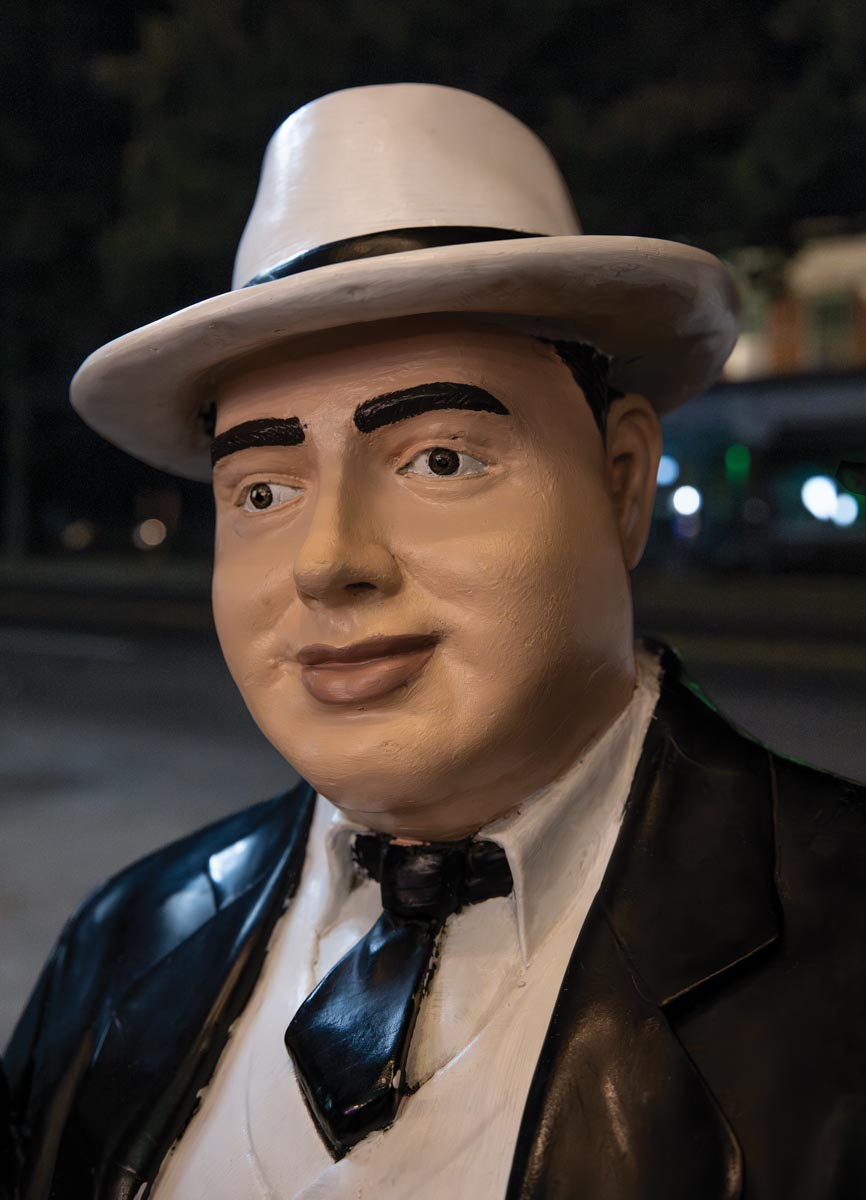
A painted Al Capone figure; exposure 1/250 at f/3.5, ISO 6400, EV -0.67
Bathhouses are what put Hot Springs on the map more than a century ago. I used the Sigma 35mm F1.4 DG II to document the broad façade of the Quapaw Baths when the afternoon sun illuminated the facades of the buildings that line Bathhouse Row. At the Superior Bathhouse Brewery and Distillery, I did an environmental portrait of Rose Schweikhart in the converted space where she and her team use thermal spring water to create beers.
Hot Springs was a popular vacation destination for some of America’s most notorious criminals of the Roaring Twenties into the mid-20th century. Their stories are told at The Gangster Museum of America through displays including the death mask of John Dillinger. The 35mm f/1.4, with its fast and quiet autofocusing and fast aperture, made it ideal to document lowlifes in low light both in the museum and on the street. A likeness of Al Capone in front of the nearby Ohio Club showed off the lens’ low light capabilities, including the rendering of a beautiful bokeh.
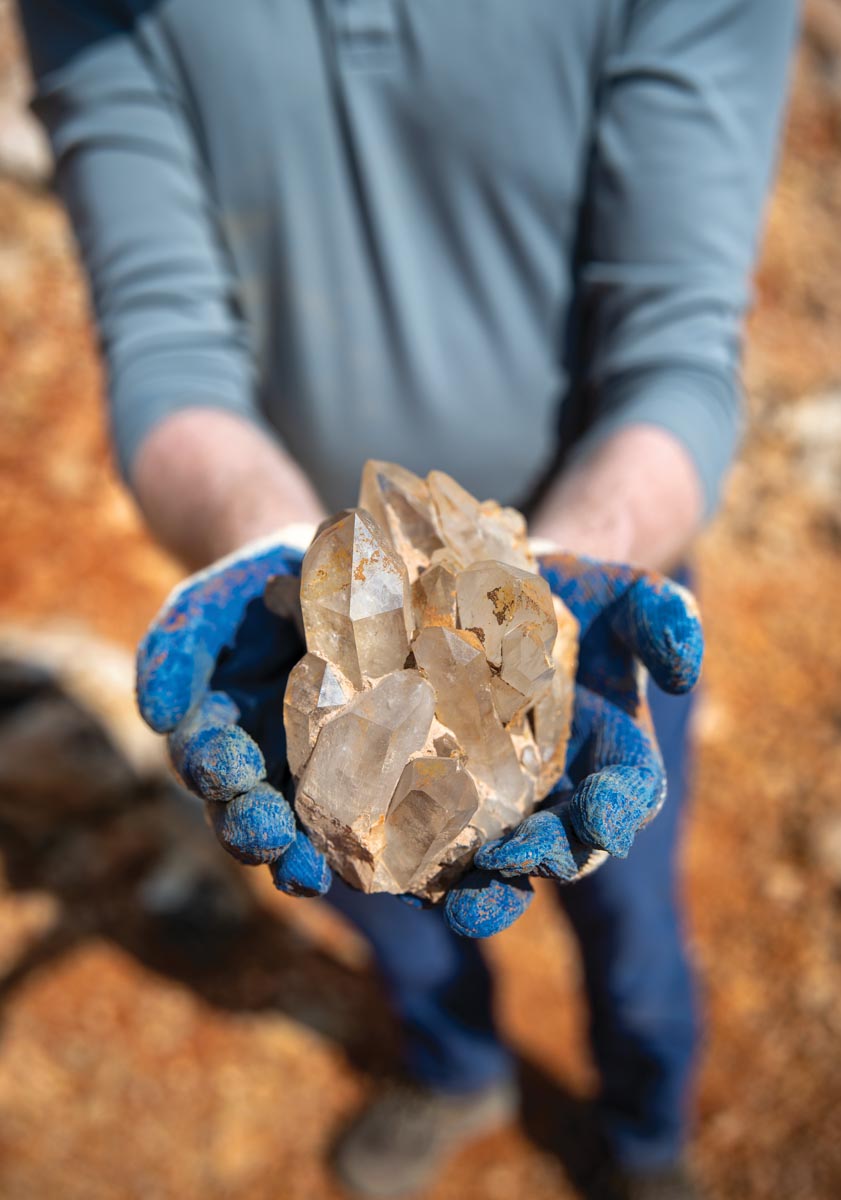
This crystal cluster shot at f/2.8 is beautifully sharp while everything around it fades into soft bokeh.
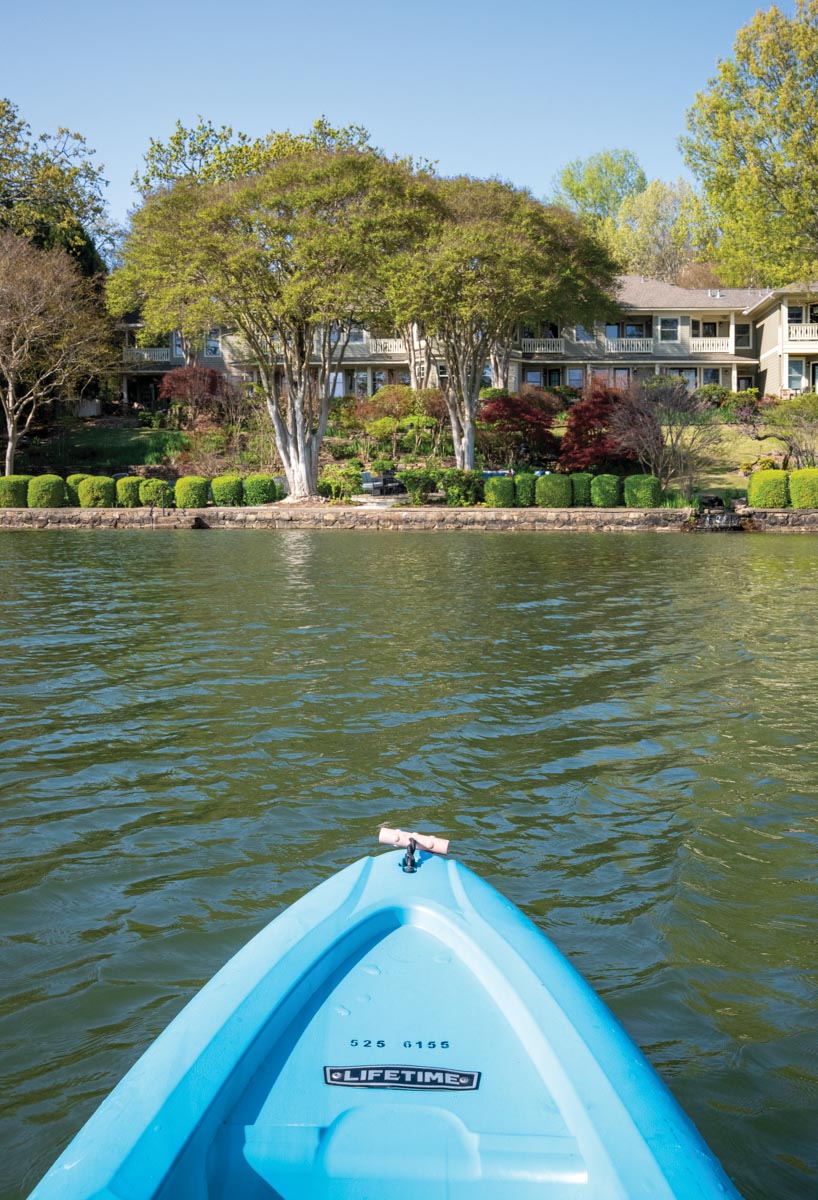
A shot from Lake Hamilton at 1/500 second at f/16, ISO 1600 keeps everything in sharp focus from the bow to the building on shore.
In bright sunlight at Avant Mining on Fisher Mountain, I also took advantage of the lens’ ability to go shallow to document a visitor’s newly unearthed crystal cluster. I wanted the viewer to focus on this magnificent find without being distracted by other elements in the frame. The dust- and splash-resistant barrel and water- and oil-repellent coated lens aides in its use in harsh outdoor environments. The newly developed AAC (Advanced Amorphous Coating) has also been added, dramatically reducing reflections responsible for ghosting and flare. Even with that, however, I use the supplied petal-type hood with a locking mechanism. Colors can be muted by extraneous light even when it’s not being hit by a light source that would create a full out lens flare.
The lens features an 11-blade rounded diaphragm that maintains a round shape even when stopping down from maximum aperture. A kayak ride around Lake Hamilton from the Lookout Point Lakeside Inn gave me the opportunity to test this aspect of the lens at f/16 to get both the bow of the kayak and the resort in the background in sharp focus.
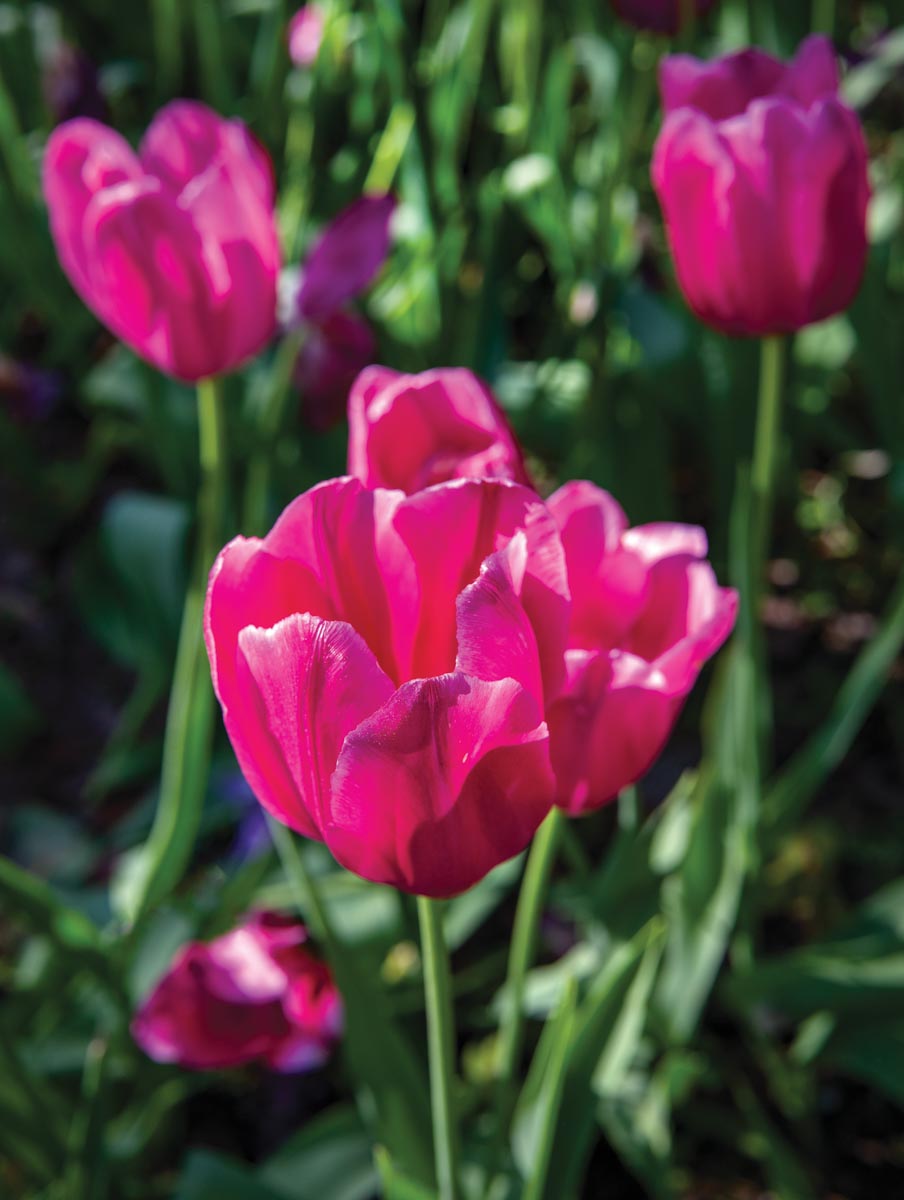
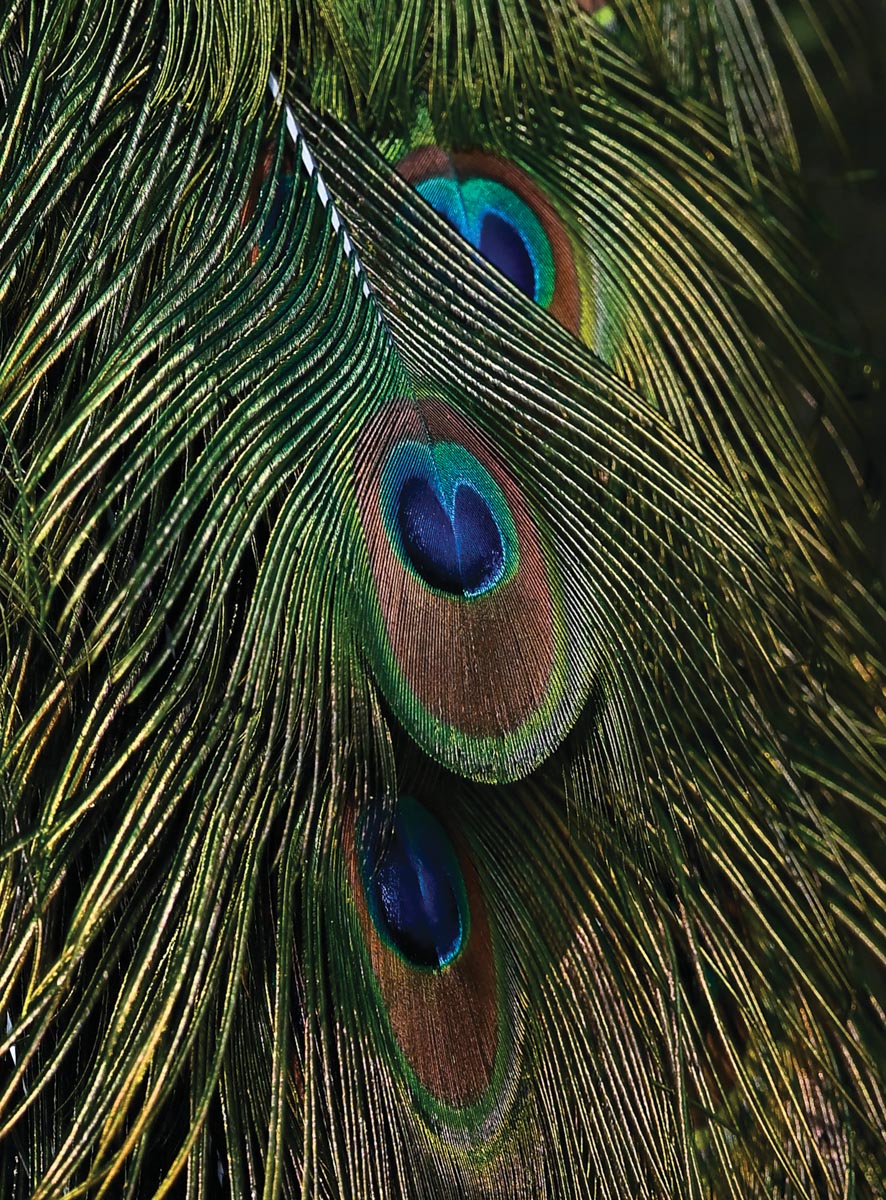
I put the lens’ minimum focusing distance of 11.1 inches to the test at the 210-acre Garvan Woodland Gardens in the Ouachita Mountains, where my shots included a frame filled with an abstract detail of a peacock’s feathers. Incorporating new glass materials that were previously difficult to process into the lens, together with four high-precision aspherical elements and two SLD glass elements, corrects axial chromatic aberration, which suppresses color fringing not only in the in-focus plane but also in out-of-focus areas, producing an elegant natural bokeh.
Using just the one 35mm f/1.4 lens in Hot Springs meant I could focus on documenting the experience, liberated from my usual bag full of lenses.
Mark Edward Harris is an award-winning photographer and writer based in Los Angeles.
Tags: lenses sigma travel photography