
Nights at the Theater
Movie magic
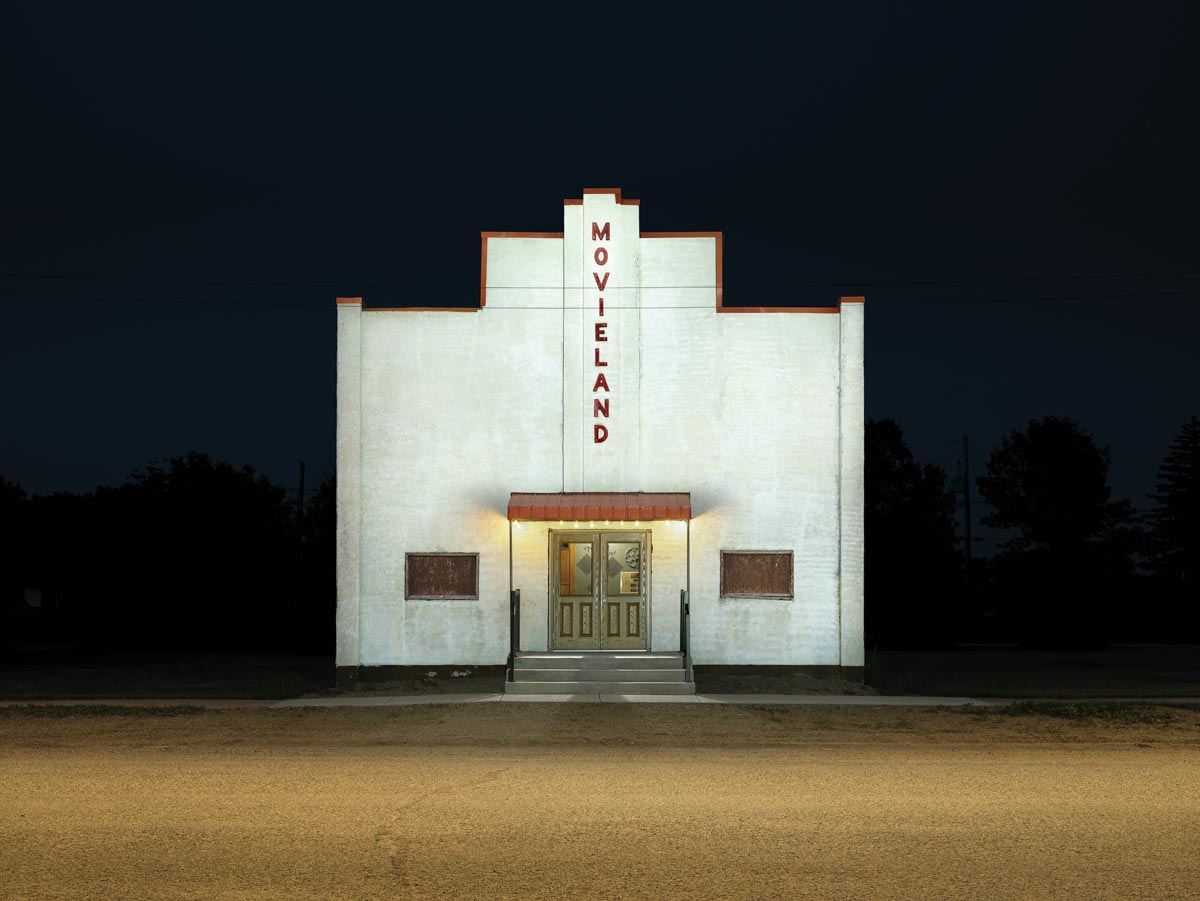
Art deco facades. Neon lights. Kevin Boyle became entranced by vintage movie theaters when he stumbled across one in remote Saskatchewan, Canada, that residents were trying to restore. “It was just such a breathtaking theater,” he says, which inspired him to launch an ongoing series, “Movieland.” He hopes his photographs of old theaters, which he creates overnight, ignite nostalgia and inspire movie theater restoration. He talks about his process:
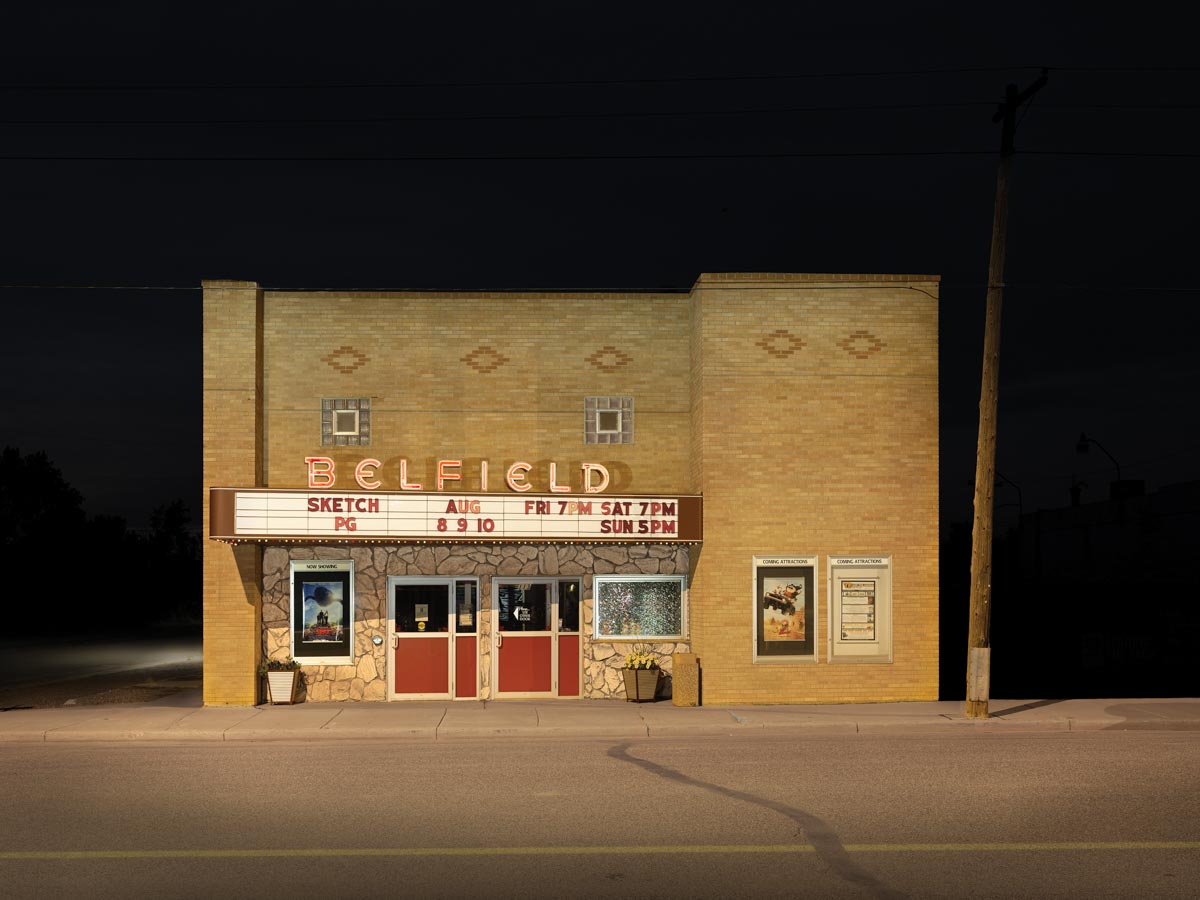
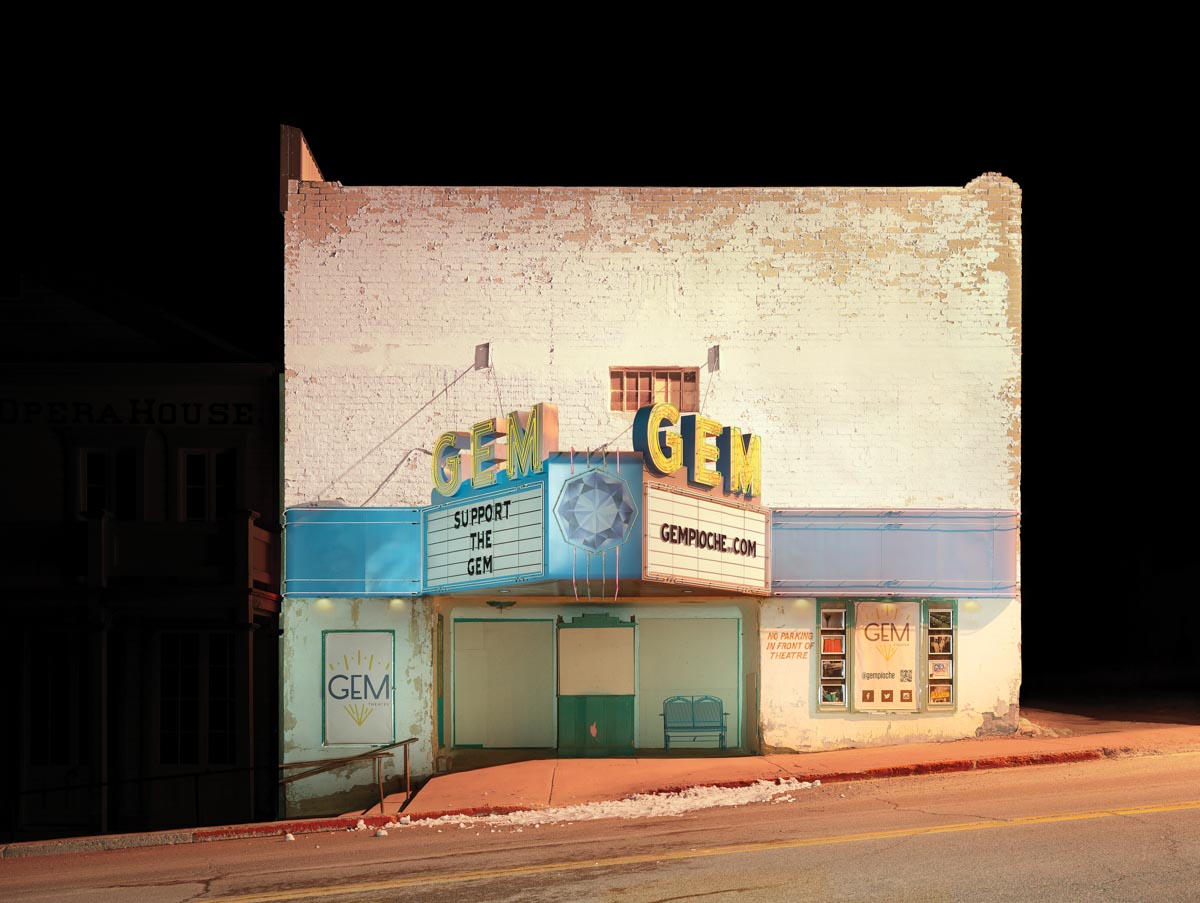
Finding subjects: A press time, Boyle was about to set out on a three-week journey through North America to photograph vintage theaters. To pinpoint theaters he’d like to photograph, he uses Google Maps. “I’ll zoom into a state and just go town to town looking for theaters,” he says. When he finds one he likes the look of, he contacts the theater or neighboring businesses to make sure it’s still standing. “It’s amazing how helpful people are when I tell them about the project,” he says. He’s especially interested in creating and donating photos to groups interested in raising money to restore the theaters.
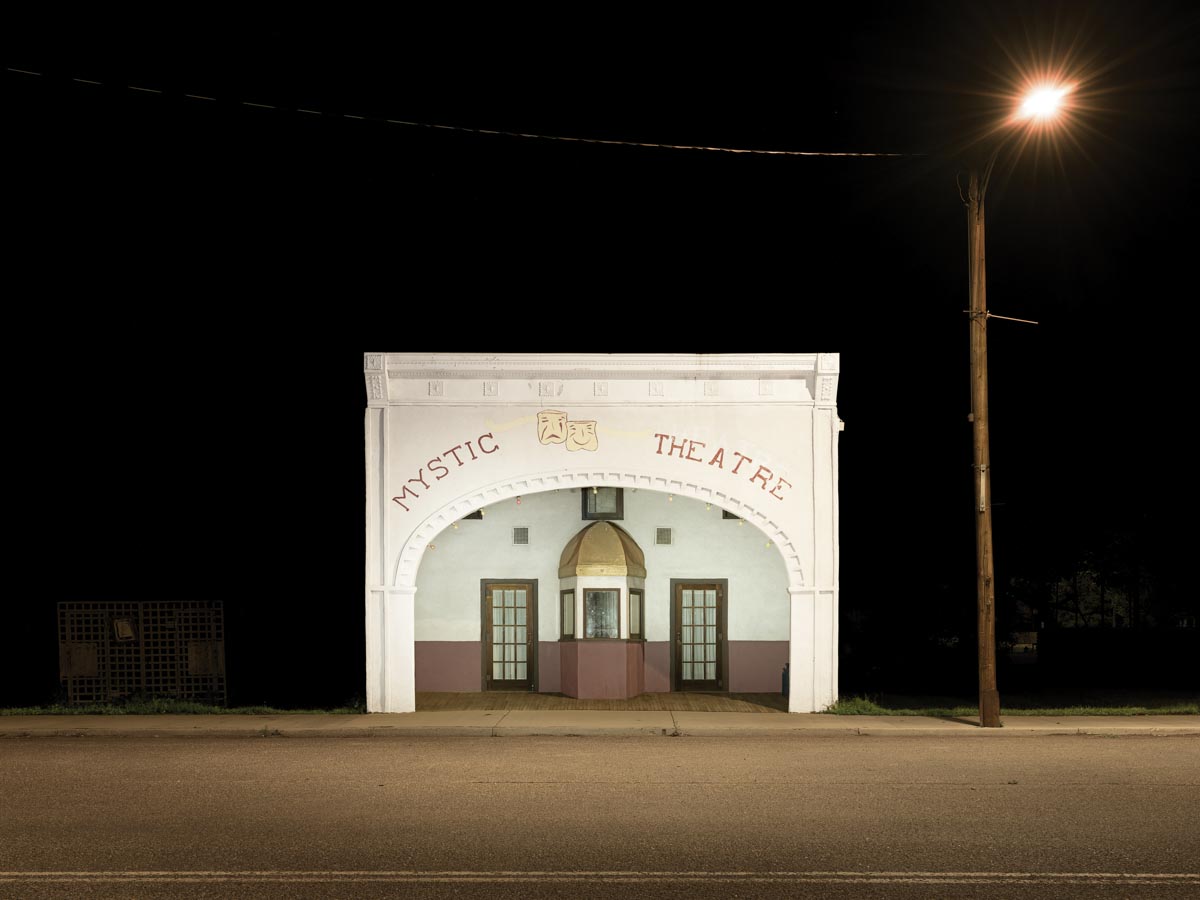
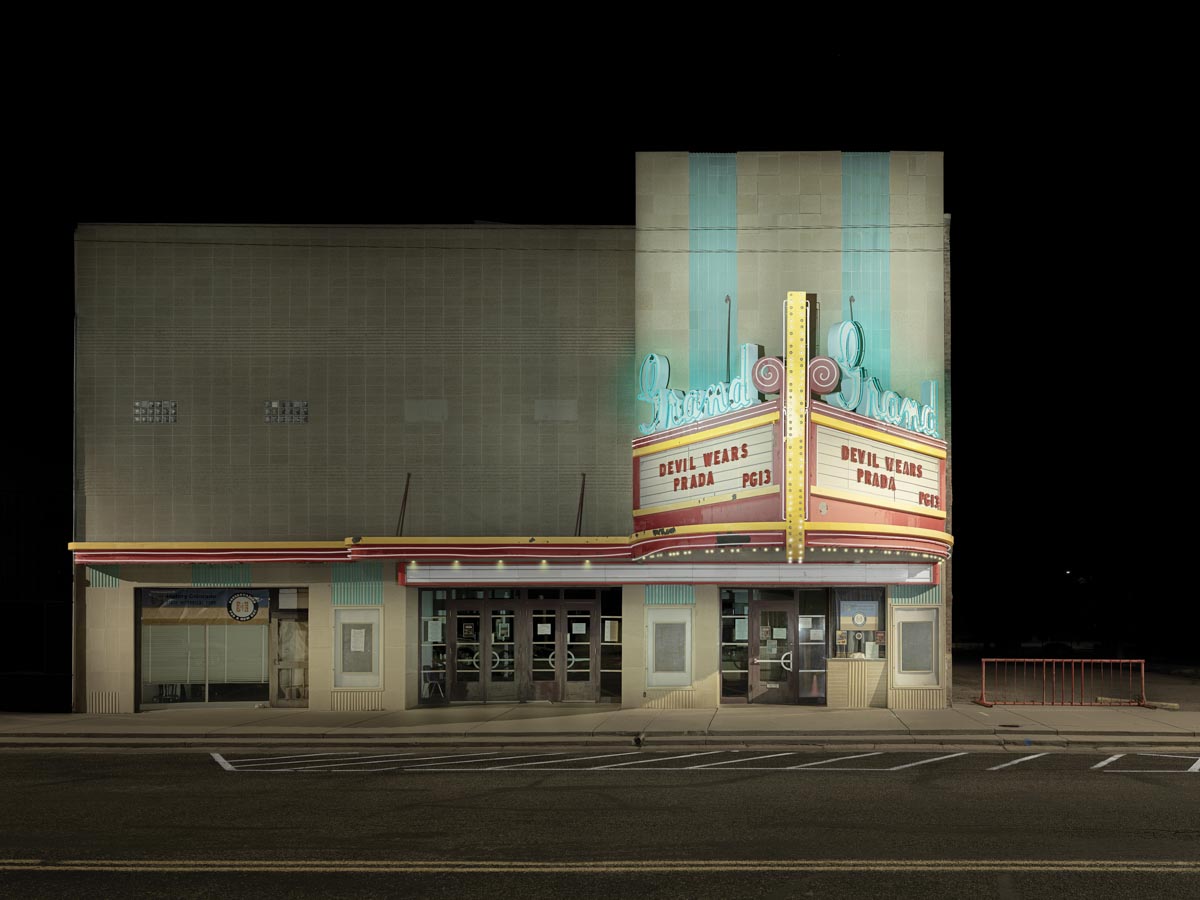
Lighting and equipment: With his camera static on a tripod, Boyle points a flashlight at various sections of the building and creates up to 15 images to layer in post-production so that the entire building appears illuminated in the final image. The flashlights he uses are standard LEDs from a hardware store; if the streetlight is warmer, he uses a flashlight with a yellow filter for better light balance. He also makes a photo of the roadway in the foreground and a background image, which may be jet black, he says. “But sometimes the moon’s behind it, or there’s a nice tree line you can see if you are exposed enough. Most of the exposures are around 20 to 30 seconds,” he explains, to minimize any star trails.
For the earlier photos in the series, he used the Fijifilm GFX100 with a 30mm tilt shift lens and 45mm fixed lens. Now he’s switched to a Hasselblad X2D II with a 25-35mm and a 35-100mm lens, a camera he received from Hasselblad when he was honored as a 2026 Hasselblad Master for his theater images. Fifteen to 25 photos from his series will be published in a Hasselblad Masters book.
Amanda Arnold is a senior editor.