
Comfort On Camera
View Finders co-host Paul Daniel helps photographers learn how to be comfortable in front of the lens.
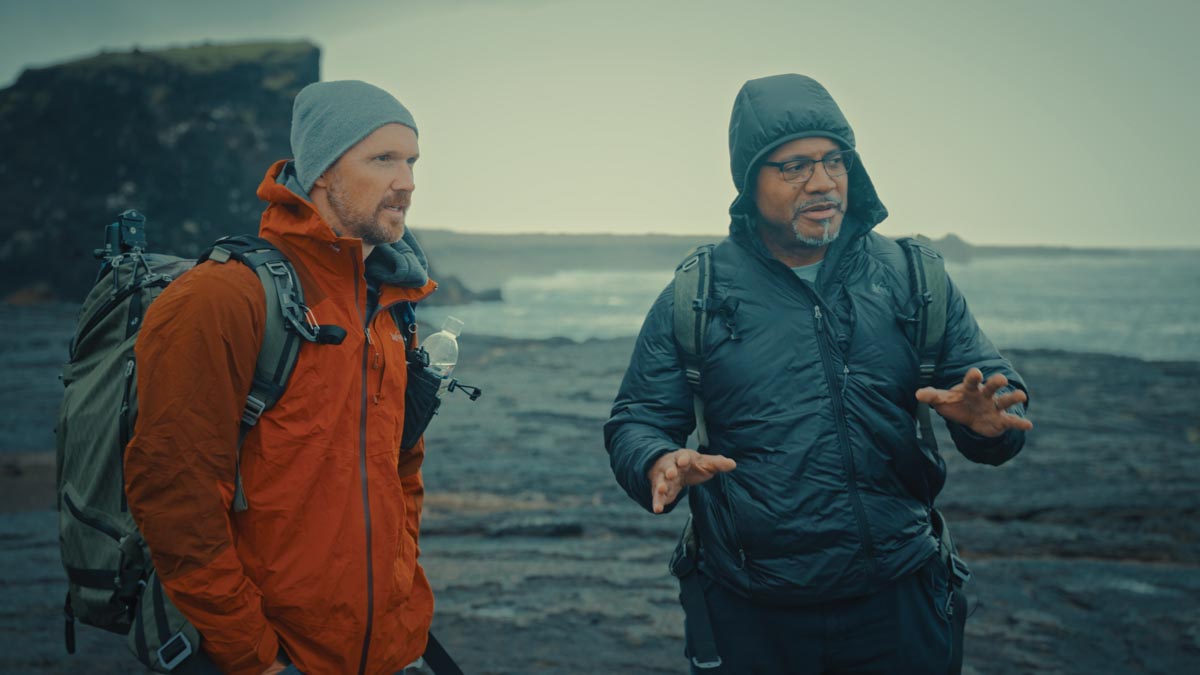
Editor’s note: Having a genuine video presence has become important for the success of small businesses, especially photographers who need to form fast relationships with clients. The ability to show your authentic personality on video to potential clients is invaluable in your social and marketing outreach. We asked “View Finders” cohost and photographer Paul Daniel to show how he learned to be comfortable in front of the lens.
When I first joined “View Finders,” our nationally broadcast photography show on PBS, I knew it would be an incredible adventure. Traveling to stunning locations, exploring the art of photography, and sharing those experiences with a wide audience—all of it was a dream come true.
But there was one part of the job I wasn’t prepared for: being on camera.
Like many photographers, I had spent my career behind the camera. That was where I felt most at home, shaping light and composition, capturing moments while staying invisible. Suddenly, I was asked not only to take photographs but to speak, to explain my process, interact naturally, and even look straight into a lens that felt like it was studying me.
I’ll never forget those first photography sessions with Chris Greer, our executive producer and my cohost on the show. Chris had a natural ease in front of the camera, while I was still overthinking every move: how my voice sounded, where my hands were, whether I looked stiff. He encouraged me to relax, reminded me that my perspective as a photographer was valuable, and gave me space to grow into the role. Over time, with practice and patience, I became not just comfortable, but confident on camera.
Here are the five biggest lessons that helped me make that transition.
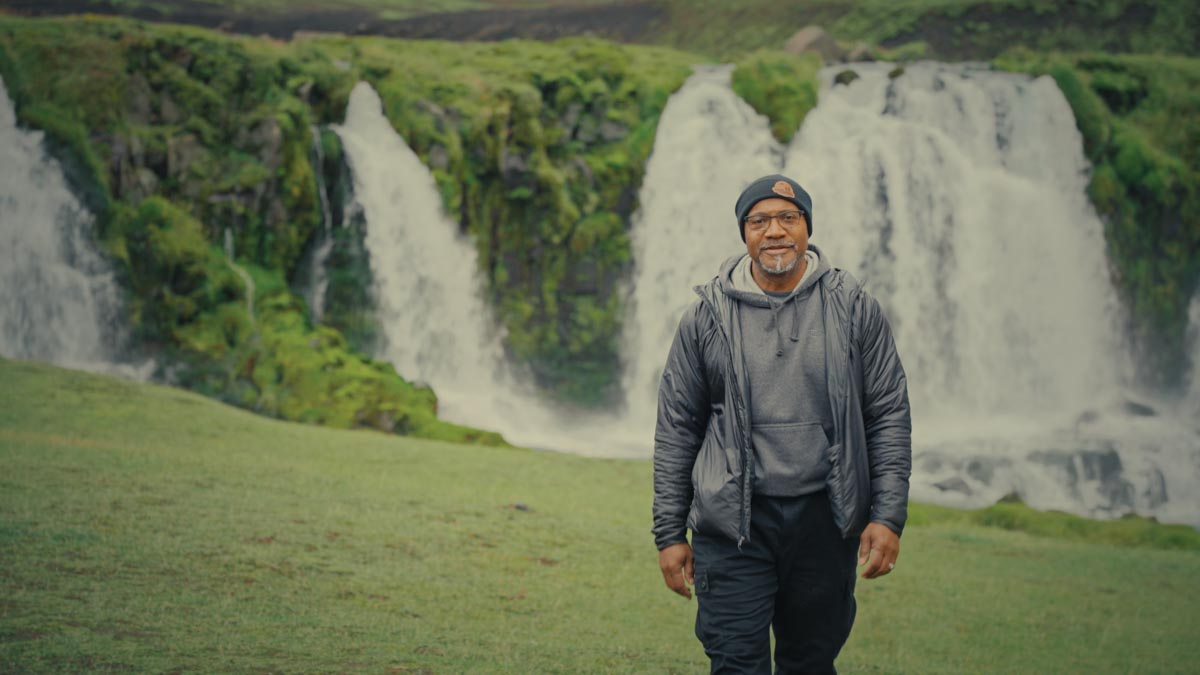
Embrace authenticity instead of performance. At first, I thought I needed to “act” like a television host. I tried to polish my tone, make every sentence perfect, and present myself as more formal than I really am. But the harder I tried to perform, the more awkward I became.
The turning point came when I realized viewers didn’t want an actor. They wanted me. They wanted the same enthusiasm I show when explaining aperture to a beginner or when chasing the right light at sunset. When I let myself talk the way I would to a friend, I stopped worrying so much about how I looked and focused more on what I shared.
Authenticity is powerful. People connect with honesty, not rehearsed lines. Once I allowed myself to just be Paul, I started to feel at ease.
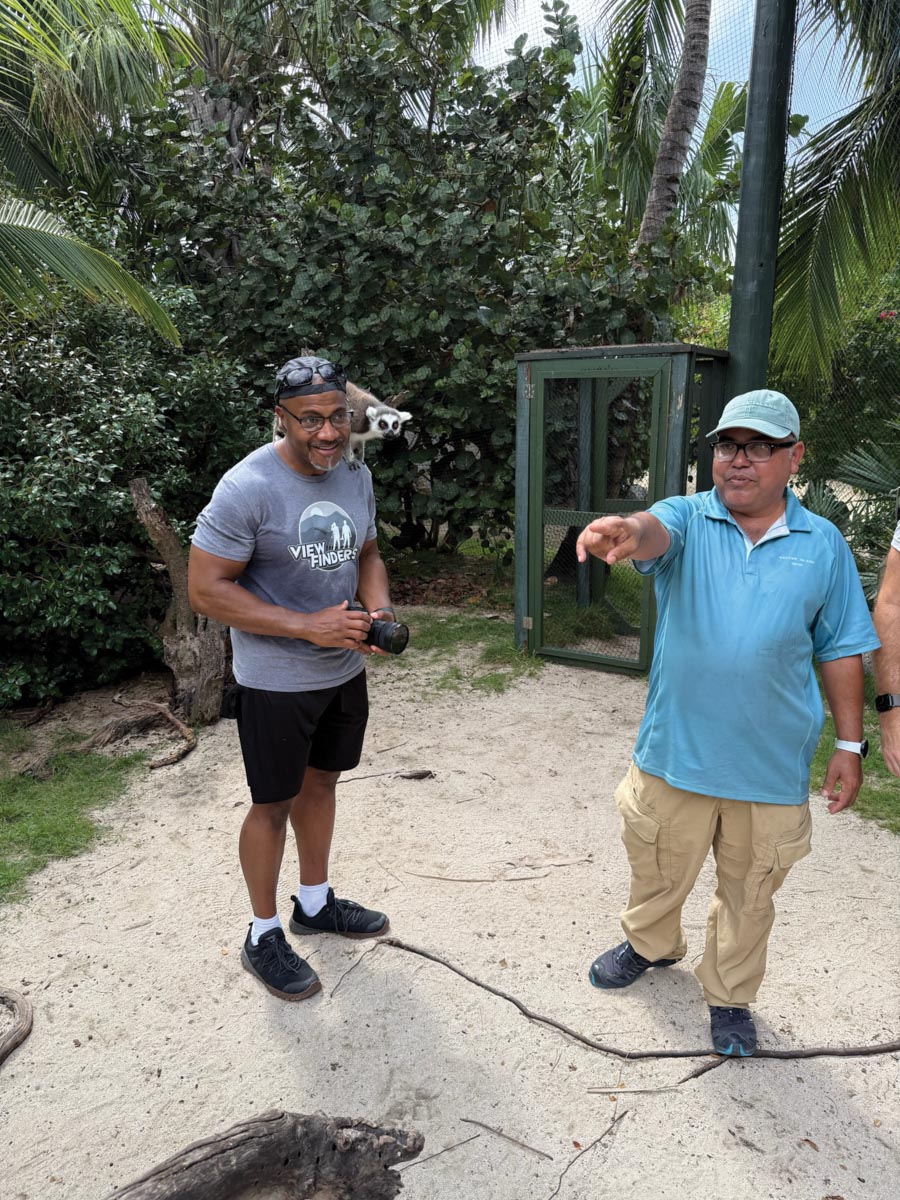
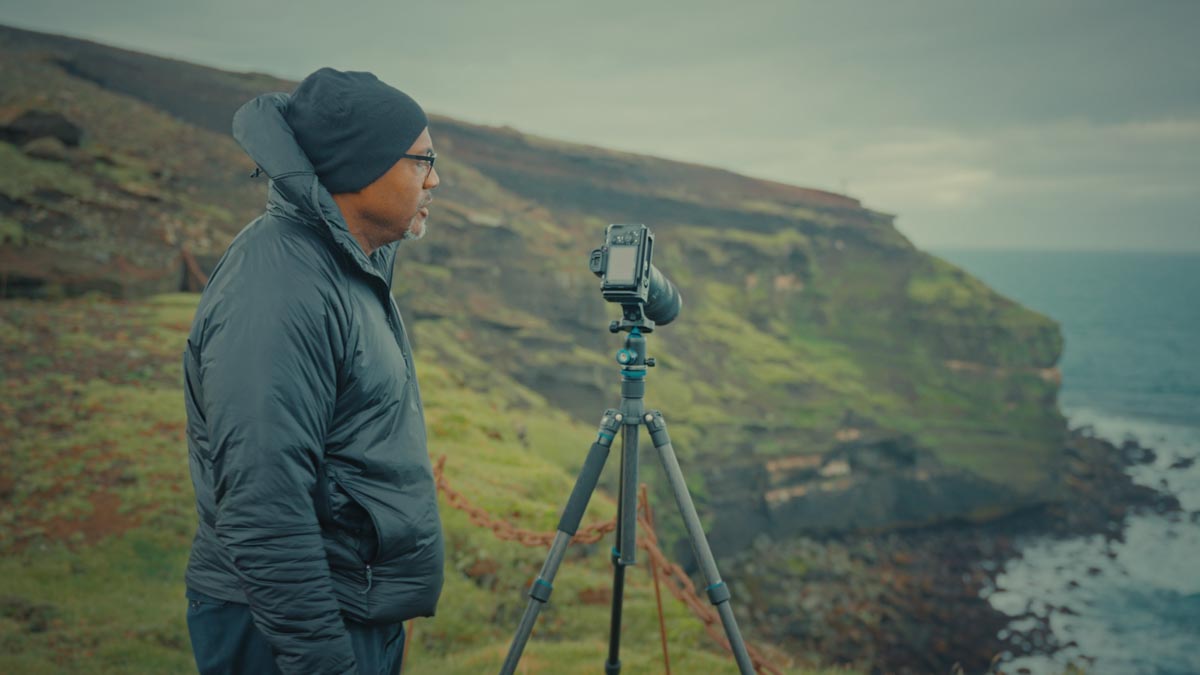
Being present is more important than perfection. In this take, Paul is learning about protecting endangered lemurs from a conservationist on Necker Island.
Practice presence, not perfection. Those early photo sessions were full of overthinking. I’d replay lines in my head, second-guess how I stood, or question whether I was looking in the right direction. That perfectionist mindset froze me.
Chris often reminded me: “Just be present. Share what you know. Don’t chase perfect.”
When I shifted my focus to presence—on telling the story of the location or explaining why this image mattered—I relaxed. Some takes still included stumbles or awkward pauses, but instead of panicking, I learned to move forward. The audience isn’t watching for flawless delivery; they’re watching for connection.
Presence—not perfection—is what keeps people engaged.
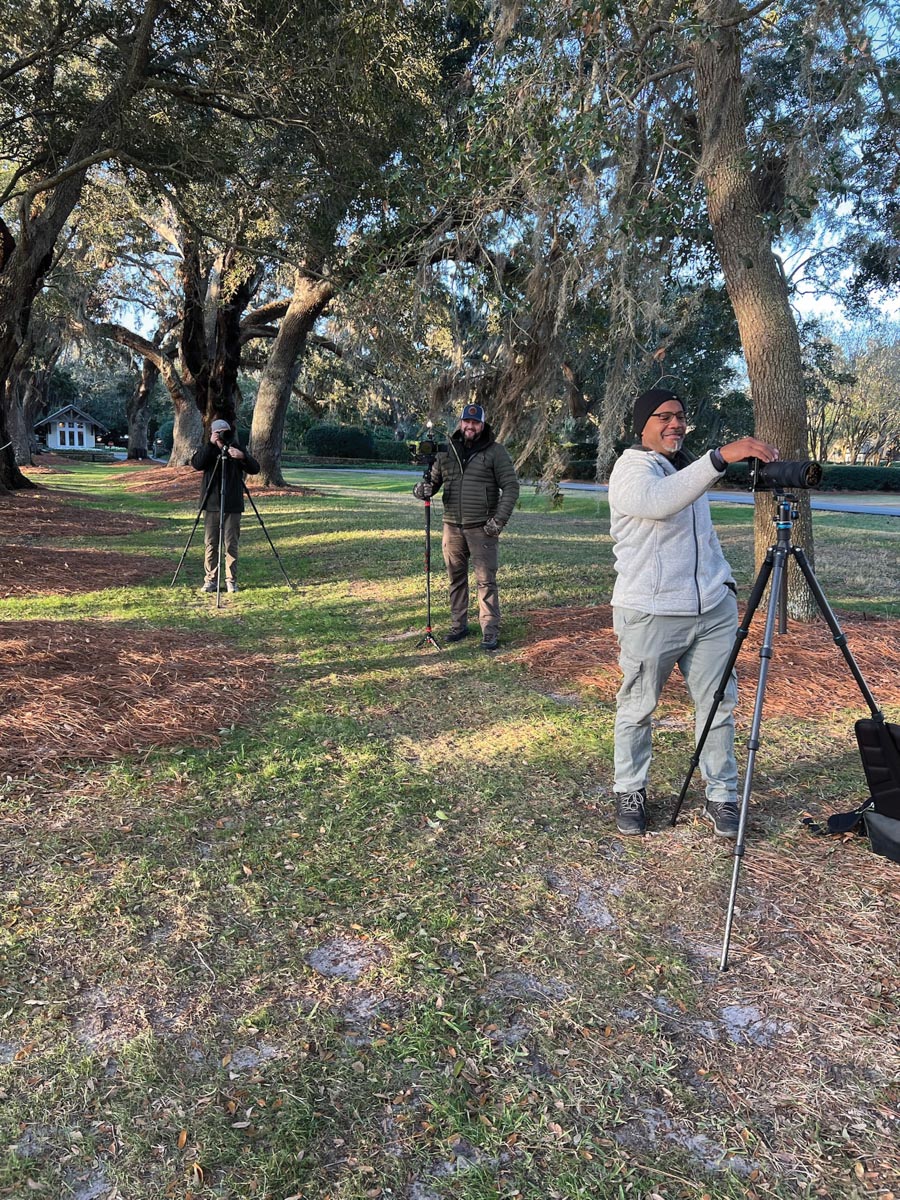
Chris and Paul film a segment on St. Simon’s Island with videographer Nathan Burnett.
Use preparation as a confidence anchor. Confidence doesn’t appear out of thin air; it grows from preparation. Before each filming day, I map out the key points I want to cover. I don’t write full scripts, but I do create mental bullet points so I know my story arc.
- What am I trying to teach here?
- What’s the main takeaway for viewers?
- How can I keep this conversational?
That simple roadmap gives me freedom. If I forget a line, I can always pivot back to my bullet points. Much like knowing your camera settings before a shoot, preparation provides a steady foundation for whatever happens in front of the lens.
Watching yourself in video can give you valuable insights on how you can improve.
Practice off-camera to build on-camera comfort. The biggest improvements came during times no one else was watching. I started filming myself on my phone, talking through a topic like I would on the show. Then I’d play it back.
It wasn’t always pretty. Sometimes I cringed at how I looked or sounded. But watching myself gave me valuable feedback. I could spot where I needed to slow down, where a natural smile worked better, or how my hand movements came across.
Just like photography, practice makes progress. The more I recorded myself, the less foreign it felt. Eventually, the camera stopped feeling like a spotlight and became more like a familiar companion.

The crew films Paul and Chris interviewing Sir Richard Branson.
Remember the world we live in. This last lesson came with a shift in perspective. At first, I felt self-conscious speaking into a camera in public. I worried what people around me were thinking as I stood in a park or a busy street, explaining f-stops to a lens. But then I reminded myself that this is normal now.
If you were born after 1995, chances are you’ve grown up recording videos, having phone conversations over video, and sharing yourself on social media. For that generation, talking to a camera is as natural as picking up the phone was for earlier generations. And most of the rest of us have adjusted. People are used to seeing it and half of them are doing it themselves. Once I accepted that, the pressure melted away. Sure, someone may glance at you for a second, but by the time they turn the corner, their mind is somewhere else. And when you embrace that reality, it becomes much easier to stay in the flow of filming.
My journey to camera comfort wasn’t overnight. It took patience, practice, and encouragement, especially from Chris, who set the tone for how to be natural and engaging in front of an audience.
Now, I see being in front of the lens as just another way of storytelling. Behind the camera, I capture the beauty of a scene. In front of it, I share the meaning of that beauty with others. Both roles matter. Both invite people into the story.
If you’re new to stepping in front of the camera, just remember these tips:
- Be authentic.
- Stay present.
- Prepare enough to feel confident.
- Practice often.
- Connecting with others on camera is normal now.
In the end, what matters most isn’t how you look or sound. It’s the story you’re sharing and the passion behind it that people will remember.
Paul Daniel is a cohost for “View Finders” on PBS. Producer and cohost Chris Greer contributed to this story.