Ab Sesay’s Approach to Better Lighting: Build a Process You Can Trust
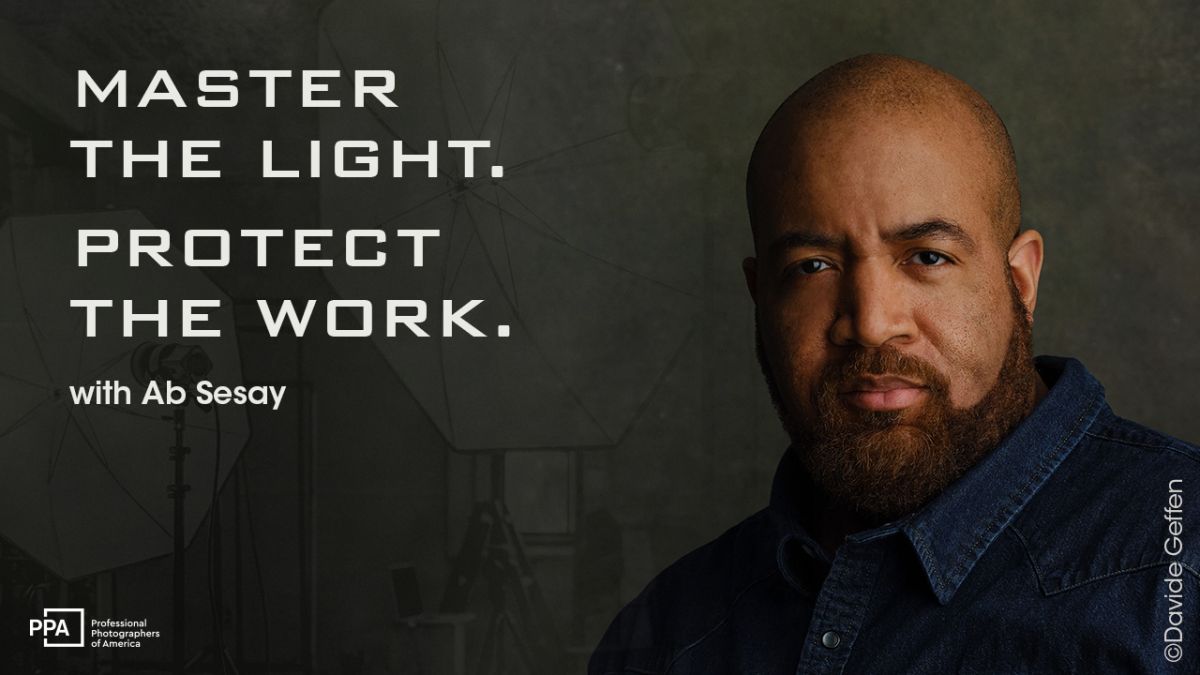
From metering and light shaping to documentation and client-ready execution, Ab Sesay teaches photographers how to create stronger images through intention, consistency, and professional control.
Great photography is rarely accidental. In Ab Sesay’s teaching, strong images come from understanding what the light is doing, making deliberate choices, and building a process you can repeat with confidence. Across his PhotoVision lighting lessons, Sesay shows photographers how to stop guessing and start working with greater intention—whether they are shooting in a tight space, building out a studio setup, or adapting on location.
Start With Intention
One of Sesay’s clearest lessons is that lighting decisions should be purposeful. Rather than reaching for more gear or more complexity, he focuses on a simpler question: what do you want the light to do? In his small-space and speedlight demonstrations, he shows how changing the position of a single light, shifting where a shadow falls, or bouncing light off a nearby surface can completely change the feel of a portrait. That kind of control helps photographers create more variety without overcomplicating the shoot.
That intentional mindset shapes how Sesay approaches the moment of capture itself. “Every time I shoot a picture, I’m thinking: how can I make this frame as good as it can possibly be?” he says. It is a simple idea at the heart of his lighting philosophy: don’t rush to the next frame. Slow down, refine the light, and make the current one count.
Meter, Test, and Refine
Sesay consistently teaches photographers to use tools and testing to build confidence. In his lessons, metering is not about making photography rigid. It is about creating a dependable starting point so you can spend less time guessing and more time engaging with your subject. He explains that consistent exposures and repeatable lighting setups help photographers move more quickly into the creative part of the session—and that matters when you want clients or subjects to feel that they are in capable hands.
That is especially helpful for portrait photographers. As Sesay explains in one discussion, the first image a subject sees can shape trust right away. If the light and exposure already look polished, you begin from a position of confidence. For working photographers, that kind of preparation is not just technical. It is part of the client experience.
Document What Works
Another practical takeaway is the importance of documentation. In his lighting-diagram lesson, he walks through how to photograph each light individually, measure distances and heights, record metered values, and note the details that make a setup work. The goal is not just to create a strong image once. The goal is to understand the setup well enough to recreate it later.
That kind of repeatability matters for photographers at every level. When you can document your choices clearly, you are not relying on memory or luck. You are building a workflow that makes future shoots more efficient and more consistent. It is a disciplined approach, but it also creates more room for creative freedom because you are no longer solving the same technical problems from scratch every time.
Professionalism Goes Beyond the Lighting
Sesay’s teaching also points to a bigger business lesson: professionalism is about more than making a beautiful image. In his podcast conversation, he talks about commercial work in terms of listening well, understanding why a client hired you, and taking their input through your own creative filter to deliver something that aligns with the assignment. That is a valuable reminder for any photographer. Clients are not only hiring technical skill. They are hiring judgment, clarity, and confidence.
That same mindset applies to how photographers prepare for real-world shoots. Lighting setups often involve stands, modifiers, cords, grip tools, rented spaces, and client property. The more professional your process becomes, the more important it is to think beyond the image itself and prepare for the realities of working on set. For photographers building a sustainable business, that includes having the right protections in place, including general liability coverage for the unexpected.
Growth Comes From Critique and Competition
Sesay also speaks often about the value of critique, self-awareness, and continued growth. That is one reason photographic competition can be such a powerful tool for professionals. Programs like the International Photographic Competition push photographers to evaluate their work more critically, refine their choices, and develop a stronger point of view. Entering competition is not only about recognition. It is about learning to see your work more clearly and using that feedback to become more intentional in every part of your craft.
Keep Learning, Keep Refining
Ab Sesay’s PhotoVision lessons offer more than lighting diagrams and exposure tips. They offer a model for how photographers can work: with intention, discipline, and a commitment to making every frame stronger than the last. When you build a process you can trust, you give yourself more freedom to create—and more confidence to grow.
To keep learning from Ab Sesay and other top educators, explore PhotoVision by PPA and discover more resources designed to help you strengthen both your craft and your business.