
When Photos Sell Homes
Jonathan Lee found his niche in real estate photography
Jonathan Lee, M.Photog.Cr., CPP, spent 21 years in the U.S. Navy as a jet engine mechanic, drill instructor, and government contractor before turning to photography part time in 2009. By 2017, he was photographing weddings and portraits full time. He thought about “filling in the gaps” with real estate photography. “It’s just a house. How hard can it be?” he says was his mindset. “Boy, was I mistaken,” he tells “Professional Photographer” podcast host Pat Miller in the episode titled, “How Real Estate Photographers Make 6 Figures (Without Shooting Weekends).” Lee realized his technical background aligned with the specialized skills needed for real estate photography, so he hung his shingle in his home base of North Florida and got busy.
“I felt like anything in business, you find a need, you plug the need. And I felt like there was a need for somebody who kind of does everything,” Lee says, adding that real estate photography is not just photographing houses. It includes floorplans, video, virtual tours, interior and exterior images, and aerial photography. “There were a lot of photographers that just did photography or just did this or just did that. I wanted to be able to do the entire package,” he explains, which included earning his commercial drone license.
In 2019, Lee photographed 53 weddings. Since that year, he has photographed four, “because I traded working on the weekends for only working Monday through Friday and making way more money,” he says, adding that in his third year in real estate photography, he made six figures and has been increasing every year since. “If you’re motivated, if you’re a go-getter, if you don’t mind working some pretty heavy hours and a lot of driving,” Lee says, “there’s a lot to be made in this industry.”

BREAKING IN
Since realtors hire photographers, Lee knew he needed to appeal to them for work. The first couple of years, Lee drove around North Florida visiting real estate agencies and distributing flyers about himself and his services. After that initial marketing boom, he says, “everything that I do now is all word of mouth.” How has he kept many of the same clients for his more than eight years of business, and continued to grow? It’s because he knows exactly what his clients need and expect, he tells Miller.
“Their baseline expectations are consistent quality. That’s the name of the game,” he says about real estate agents. “When somebody is looking through Zillow or wherever, that realtor can’t talk to them. The only person that can talk to that client are the pictures and the media that you provide for that realtor. So you are that realtor’s face and brand when they can’t speak. So, they want to align themselves with somebody who is a consummate professional, that you’re always on time, that you produce high-quality results all the time, and that you hold yourself accountable for any mistakes that you may make and get out there and make them right.”
Another factor that sets Lee apart is his “lightning-fast turnaround,” he says: He delivers to his clients by 9 a.m. the next day, every time. “That’s setting myself a little bit ahead of some of the competition,” Lee says, “and my clients absolutely love it because a lot of the times they get a listing that just gets dropped in their lap one afternoon and they’re like, ‘Oh my gosh, I’ve got to get this thing online. And, you know, I want my pictures yesterday.’”
Lee still markets himself by offering a $100 credit to each client who refers him and he includes his logo on every floorplan he creates. Though realtors are competitive, he adds, they recognize his value can elevate the overall industry. “I feel like my wavelength kind of aligns with really high-performing real estate agents. ... The way that I think and the way that I approach my business is very similar to the way they do,” he says. “And they appreciate the fact that I bend over backwards for them and really do everything that I can for them. And most of them are absolutely ecstatic about sharing me with other people.”
TECHNICAL EXPERTISE
There are two ways to approach real estate photography, according to Lee:
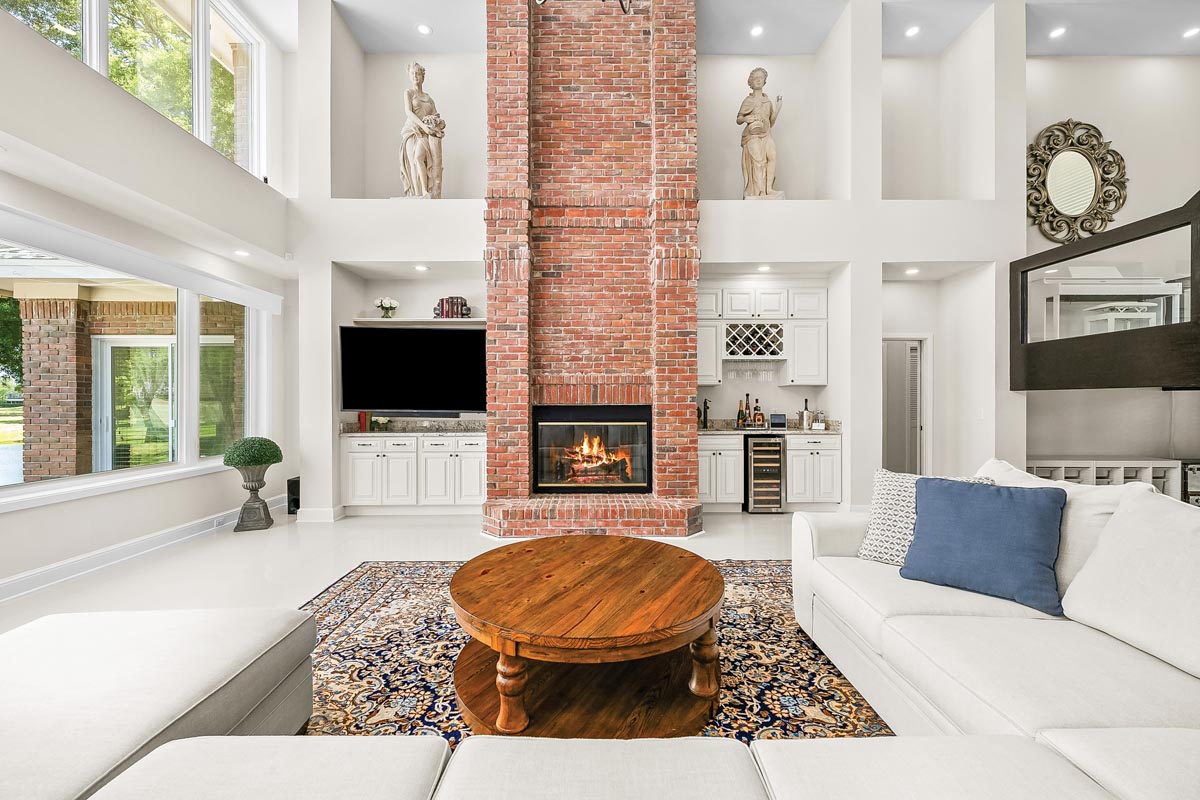
Flash and ambient technique: This method combines ambient light in a room with a flash. “The flash basically creates a sanitary frame. It can help remove color cast that you’re going to get from your daylight-balanced light that’s coming in through the windows and the incandescent light that’s coming in from the living room and the fluorescent light that’s coming in from the kitchen,” Lee says. “It can kind of wash all of that out and give you a sanitary frame to work with that has good colors because you know the color that you’re pumping into the room.”
High Dynamic Range (HDR): This “run and gun” method, Lee’s preferred way of photographing homes, involves taking multiple images of the same area using different exposures. Lee typically does a three bracketed frame and sends the images to an overseas editor, who works overnight on the images so they’re ready for Lee the next morning. “They’re able to do some tricks and techniques that even I don’t understand,” he says, adding that having a good editor for this process is key. The HDR approach is quicker and allows him to photograph more homes per day, he says. “So you can go from shooting three homes a day to maybe six or seven homes a day, and you can double your revenue.”
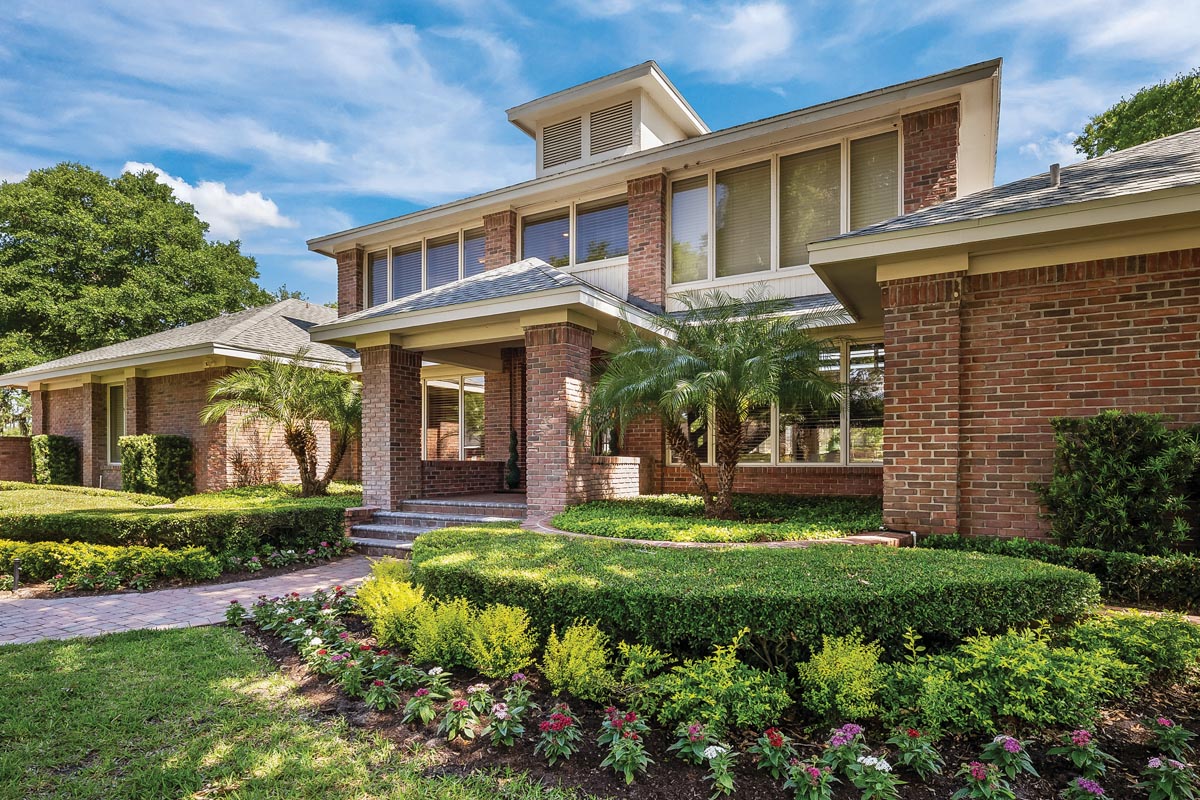
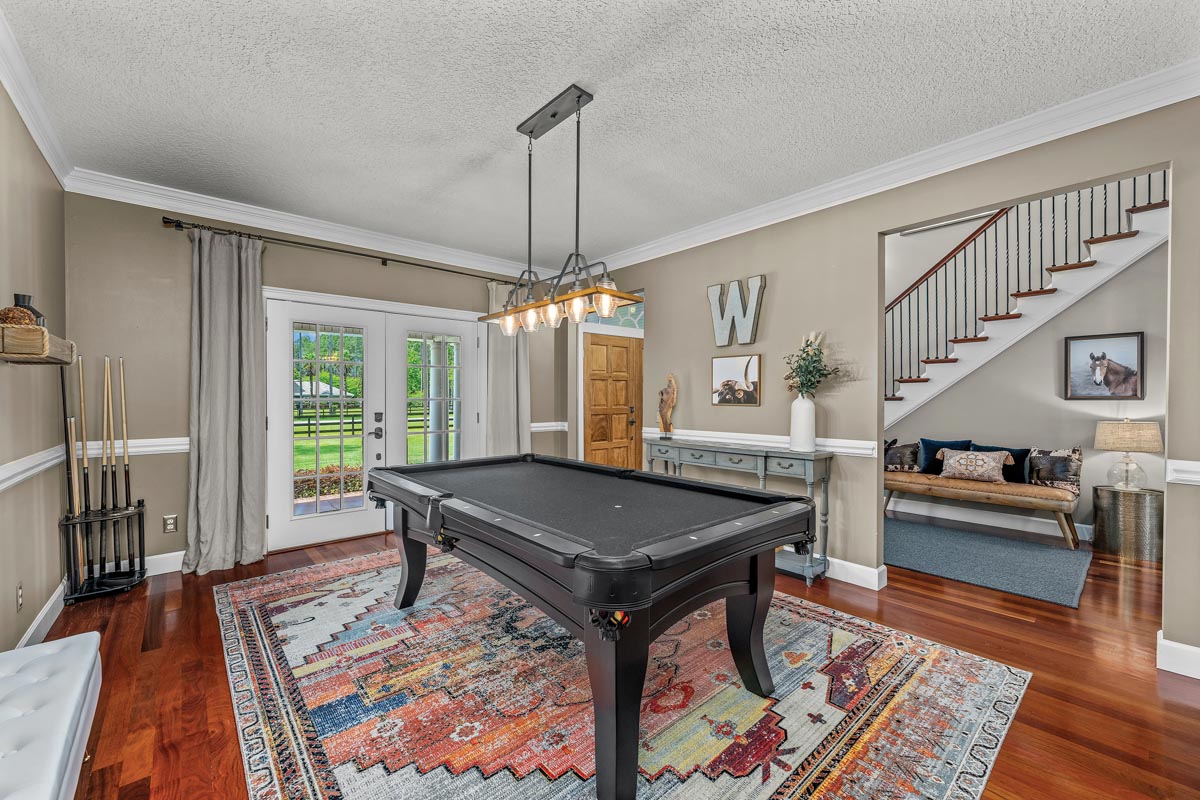
Real estate photography does have challenges, Lee explains. For one, it’s not necessarily creative. Unlike photographing an Airbnb or vacation home rental, where you can play with lighting and editing, and highlight images of amenities, there is less creative freedom photographing homes for sale. That means “you’ve got to get it as right as possible in camera,” he says, including angles, camera height, camera placement, and composition. “You have to be very, very strong in your compositions because you only have maybe eight seconds to capture somebody’s attention when they’re looking through those photos online.”
Psychology is also at play in real estate photography. When architects design homes, they design the interior to be viewed from a seated position, Lee says. “So, when you go through and you shoot the home, you typically want the camera at about eye level where you’re seated. That way, you can play into the psychology of the person that is looking at the photo, and you can put them in the space without them being there.” Lee understands that psychology and knows his images sell homes. “When I first started this, I thought there’s no way in the world anybody would ever buy a home without actually seeing it in person,” he says. “But if I had a dollar for every time I heard one of my clients say, ‘Hey, we went under contract in less than 24 hours and it was bought cash, sight unseen, by a guy on the other side of the country, just based off of your pictures and your media alone,’ I’d have a little bit more money.”
Lee is happy to spread the wealth by teaching classes on real estate photography, including a five-day intensive last summer in Miami. Giving back is important so others don’t face the struggles he did as an inexperienced photographer in Chicago. “It was very difficult to find somebody that was an open book that would maybe kind of hold my hand and help me along,” he recalls. “I love helping and I love teaching people. I love sharing what I know and if I can help anybody to have the financial and personal freedom that I’ve gained by doing this business, I’m all about it.”
Real estate photography is a steady, potentially lucrative niche for someone who doesn’t mind driving a lot—as he averages about 100 miles per week—and who invests both in their own skills and in their clients. Being interested in houses is also a perk, Lee notes. “Not every house is a million-dollar house, but I do get to go into some really, really cool places. I’ve shot homes for movie stars and politicians and professional athletes, and everywhere in between,” he tells Miller. “So if you’re the type of person who is outgoing, can have a conversation with anybody, is really all about taking care of your client and just being that linchpin in their business, then this is definitely the right type of business for you.”
Melanie Lasoff Levs is director of publications.