
Upgrade Decision
The Canon EOS C80 boasts a full-frame sensor, improved dynamic range, and features like internal 6K raw recording, dual pixel autofocus, and three native ISOs.
• March 2025 Issue
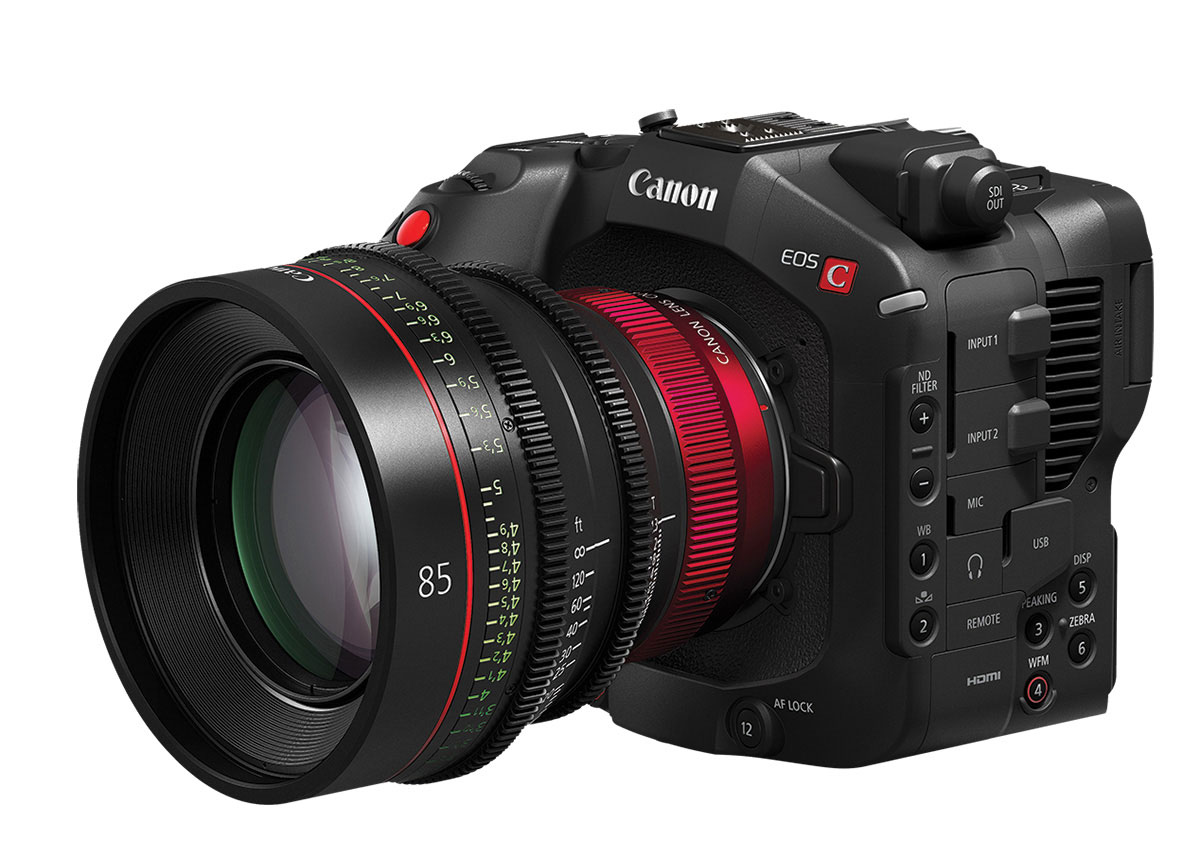
The Canon EOS C80 cinema camera is making waves as a potential game-changer for filmmakers. As the successor to the popular Canon EOS C70, the EOS C80 boasts a full-frame sensor, improved dynamic range, and features like internal 6K raw recording, dual pixel autofocus, and three native ISOs. But is it worth the upgrade? After testing the camera extensively, here’s my take.
Autofocus
In practical use, the autofocus excelled in a variety of tests. Whether it was seamlessly transitioning focus from one point to another—like from a motorcycle muffler to the seat and then to handlebars—or instantly recognizing faces during quick pans, the performance was impressive. This is an area where the EOS C80 genuinely outshines its predecessor.
That said, no system is perfect. When filming at 4K 120fps, the autofocus struggled to keep up with fast-moving subjects, such as a motorcycle approaching the camera. This limitation isn’t unique to the EOS C80; even other Canon models like the EOS R5 would likely face similar challenges in such demanding conditions. For these scenarios, I believe manual focus remains the best option.
ISO Performance
Since completing this test, I’ve purchased the EOS C80. Filming in full-frame across its three native ISOs, the quality far surpasses the EOS C70. Native ISO 3200 on the EOS C80 is as clean as ISO 800 on the EOS C70—it’s that impressive.
Full-Frame Advantage
A major selling point of the Canon EOS C80 is its full-frame sensor, which significantly enhances image quality and depth of field. Compared to the Super 35mm sensor on the EOS C70, the EOS C80’s full-frame sensor provides greater flexibility in composition and delivers a cinematic look right out of the box. The term “cinematic” is frequently used in the creative industry, but what does it mean? At its core, it refers to the qualities or characteristics associated with the art of filmmaking—elements that evoke a specific look, feel, or emotional impact.
The Canon EOS C70 is undoubtedly capable of producing cinematic imagery. However, the EOS C80 offers something distinct. It’s difficult to articulate, but the images produced by the EOS C80 have a unique look and feel, which I believe stems from its full-frame sensor.
6K Internal Raw
The ability to shoot 6K internal raw is a game-changer for filmmakers who demand the highest quality footage. While the EOS C80 currently maxes out at 6K 30fps, I’m optimistic that Canon will release firmware updates in the future to enable 6K 60fps recording, following the pattern of previous updates for the EOS C70.
The 6K raw workflow opens new possibilities in post-production, providing filmmakers with more flexibility for cropping, reframing, and color grading. This feature, combined with the EOS C80’s dynamic range and full-frame sensor, makes it a powerful tool for storytelling.
After using the Canon EOS C70 for the past four years, I did not expect 6K raw to feel significantly different from 4K raw. However, I can confidently say there is a noticeable difference. The image quality of 6K raw rivals that of a raw still image from a digital camera, especially when viewed side by side on social media. As with any footage, accurate exposure and sharp focus are key, but I’d feel comfortable pulling a still frame from a 6K raw file and submitting it for stock photography.
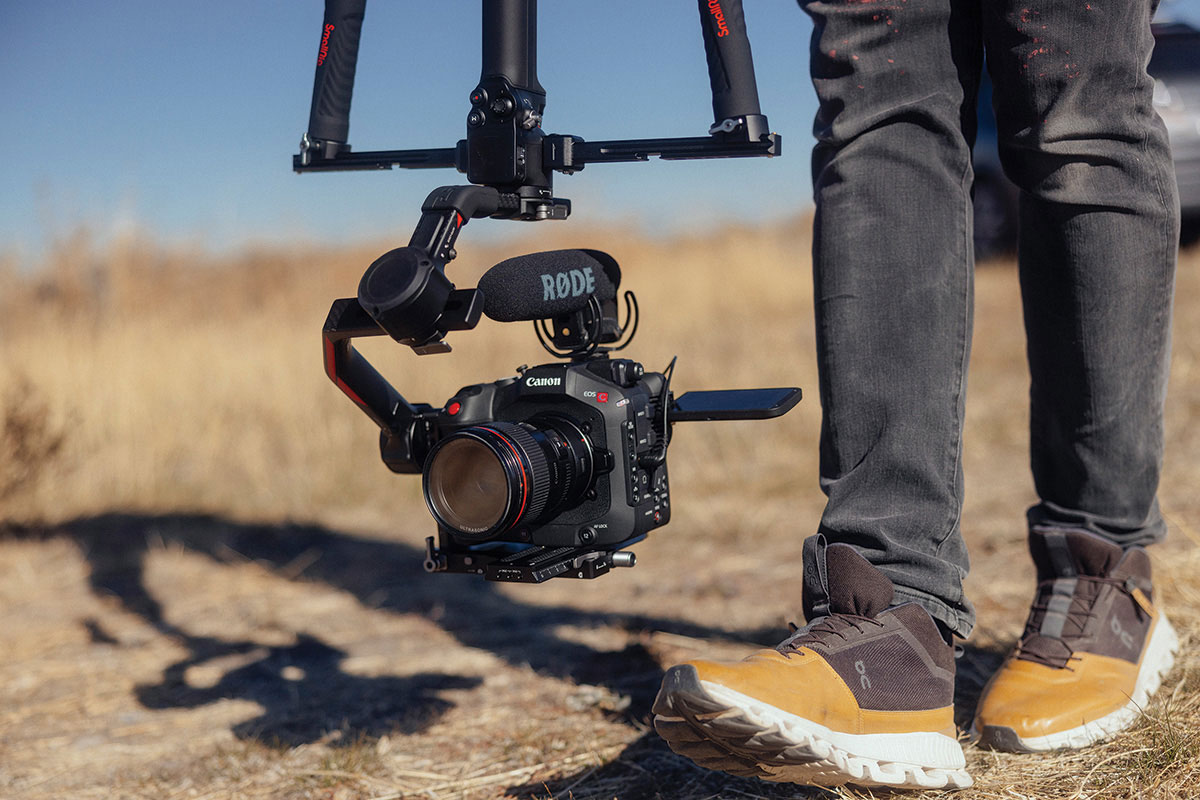
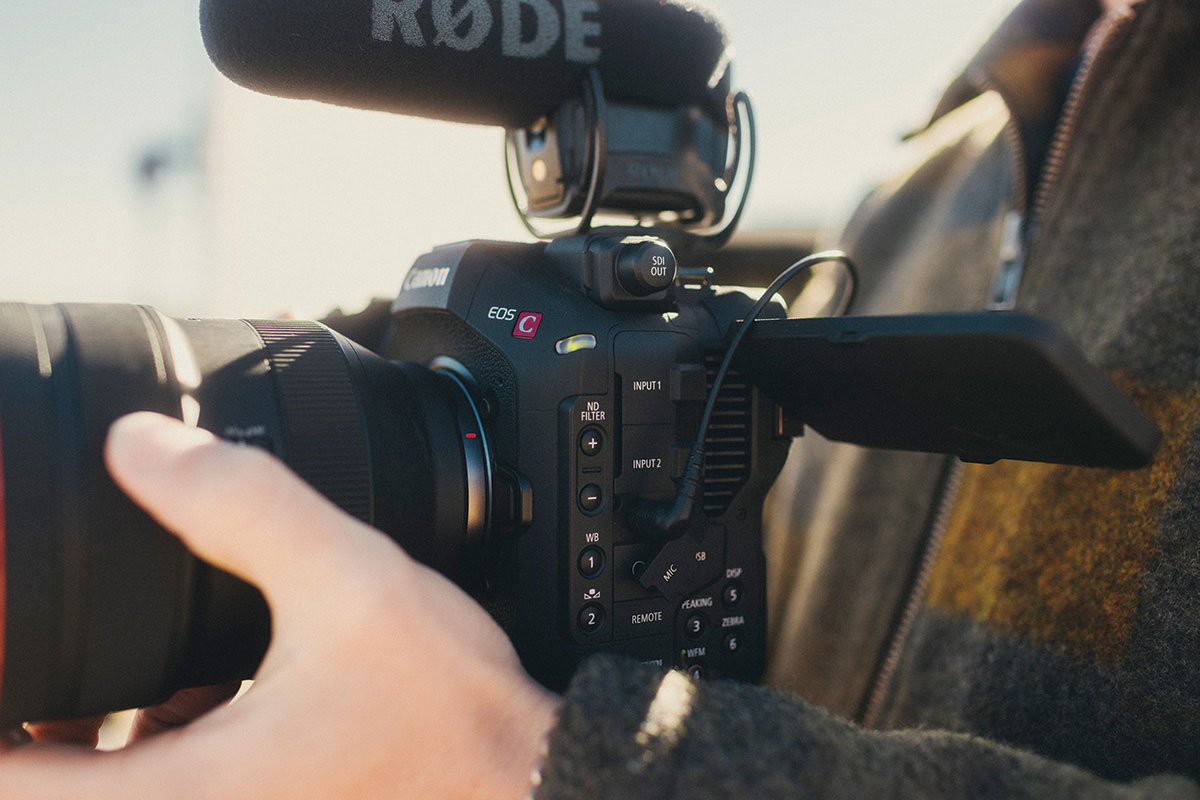
The Canon EOS C80 is robust, lightweight, and ideal for handheld filmmaking or mounting on a gimbal like the DJI Ronin.
Build and Usability
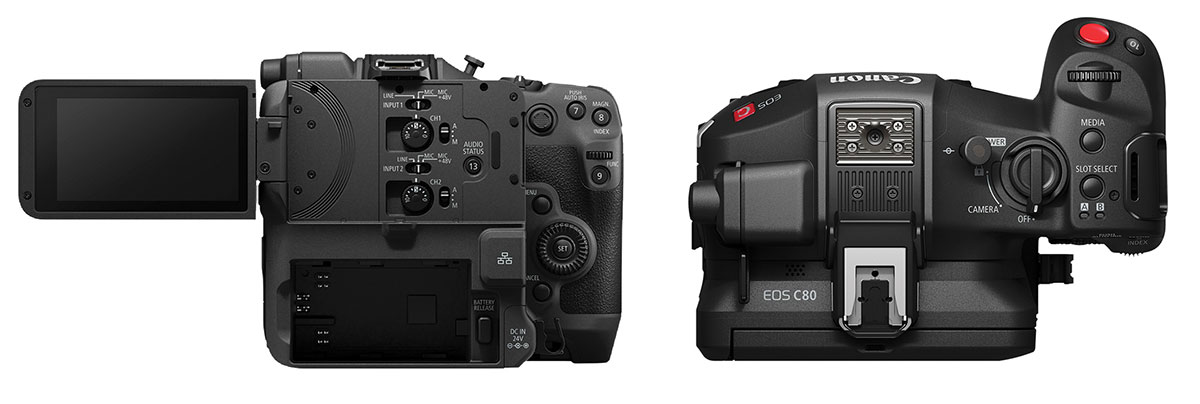
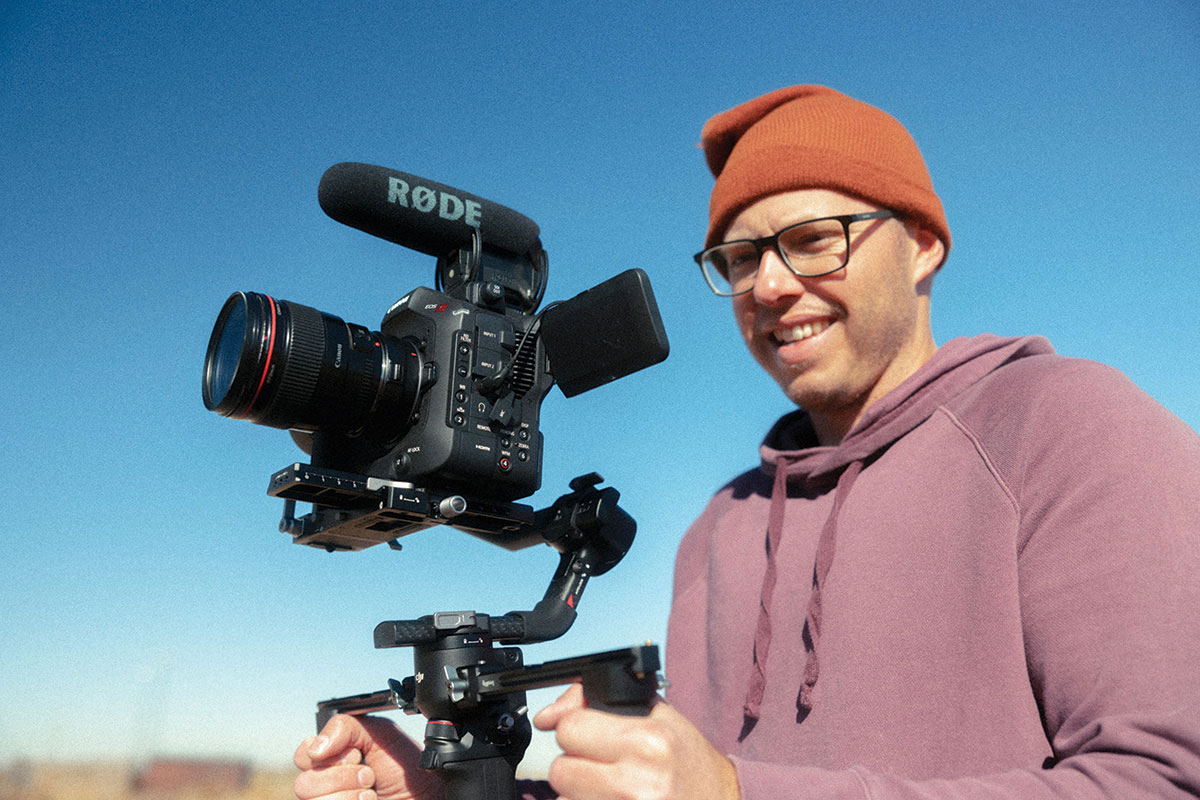
Canon has struck a great balance with the EOS C80, delivering a robust cinema camera in a compact form. Its lightweight design makes it ideal for handheld filming or mounting on a gimbal like the DJI Ronin, which I found invaluable during a long day of filming. Despite its compact size, the EOS C80 does not compromise on professional features, offering built-in ND filters, dual SD card slots, and an intuitive interface.
For filmmakers who spend most of their time in unpredictable environments, the EOS C80’s design and functionality are a blessing. Whether you’re shooting documentaries, events, or commercial projects, this camera’s portability and versatility ensure it’s up to the task.
Limitations
The autofocus on the EOS C80, while excellent, struggles with fast-moving subjects at higher frame rates. Additionally, the lack of 6K 60fps out of the box may be a dealbreaker for some users—though I believe future updates will address this limitation.
When it comes to autofocus, I can’t say how the EOS C80 compares to other cinema cameras like the Sony FX6. However, considering its price and value, the EOS C80 checks all the boxes for me.
Worth the Upgrade?
For filmmakers currently using the Canon EOS C70, the EOS C80 offers enough upgrades to justify making the switch. The full-frame sensor, improved ISO performance, dual pixel autofocus, and 6K raw capabilities make it a worthy successor. The EOS C80 is a great fit for filmmakers seeking a versatile, high-performance cinema camera in this price range.
If you’re a photographer looking to make more videos, switching to a dedicated cinema camera can be refreshing. The process becomes more fluid, and your mindset shifts completely. With a camera built specifically for capturing exceptional video, you start to see the world differently.
If you’re on the fence, consider your needs. For run-and-gun scenarios, low-light environments, or projects that demand the highest image quality, the Canon EOS C80 delivers. It’s a tool that can elevate your storytelling and open new creative possibilities—helping you tell stories that haven’t been told before.
Tyler Rickenbach is a filmmaker and photographer based in Idaho.