
Unfolding Story
Michael Hanson has charted his own photography course
Pacific Northwest-based photographer and filmmaker Michael Hanson is at the top of his game. His award-winning, in-depth storytelling work has taken him around the globe for media giants such as The New York Times, Outside, and Esquire, and major commercial clients such as the Gates Foundation, Apple, and Nike. He also serves as a Nat Geo Expert, sharing his photography knowledge through workshops with National Geographic Expeditions.
Hanson’s love for photography was initially usurped by a completely different passion: baseball. Professional Photographer spoke with Hanson about how he made the transition from pro ball to pro photography, and how his pursuit of personal projects has carved a path to a fulfilling and successful 20-year photography career. The interview has been edited for length and clarity.
Mark Edward Harris: You’re not the first baseball player who has become a serious photographer—Randy Johnson and Ken Griffey Jr. are examples—but you’ve emerged as a major editorial and commercial photographer. What was your path from the diamond to the darkroom?
Michael Hanson: I’ve always loved baseball. I really liked photography as well and took high school photography classes. But I didn’t think of it as a career. I went to Washington and Lee University, and I signed with the Atlanta Braves the day after graduating. I was middle infield—second base and shortstop. I was going to go to High-A my third year, and in the off season, I lived with my brother in Birmingham, Alabama, and worked for photographer Melissa Springer. She is more of a fine art photographer, so I was doing a lot of printing in the darkroom. Off season in baseball is a weird time; you have six months free but you can’t really go into something major because you’re leaving again for spring training. So, it was great to have a little day job in the photography world and be exposed to photography as a career. I’ve always felt the concept of baseball is interesting—25 guys on a team coming from all over the place and living in hotels—so I started taking pictures.
MEH: How were you able to turn the avocation into an occupation?
MH: Eventually I realized the baseball journey was coming to an end. I wasn’t going to make it to the big leagues, and asked myself, “What else do I like to do?” It was photography. I went back to Birmingham and was just taking pictures of anything and everything. Fortunately, Southern Progress Corporation was based out of Birmingham with publications like Southern Living, Cottage Living, and Coastal Living. Eventually I got a couple of assignments from them that helped launch my career and exposed me to travel photography. That was my main gig for 15 years. My first assignment was to take a portrait of a couple in Puerto Rico, so I flew there with my Hasselblad and probably 50 rolls of film.
MEH: When you moved to Seattle, was it difficult to transition your business to the West Coast?
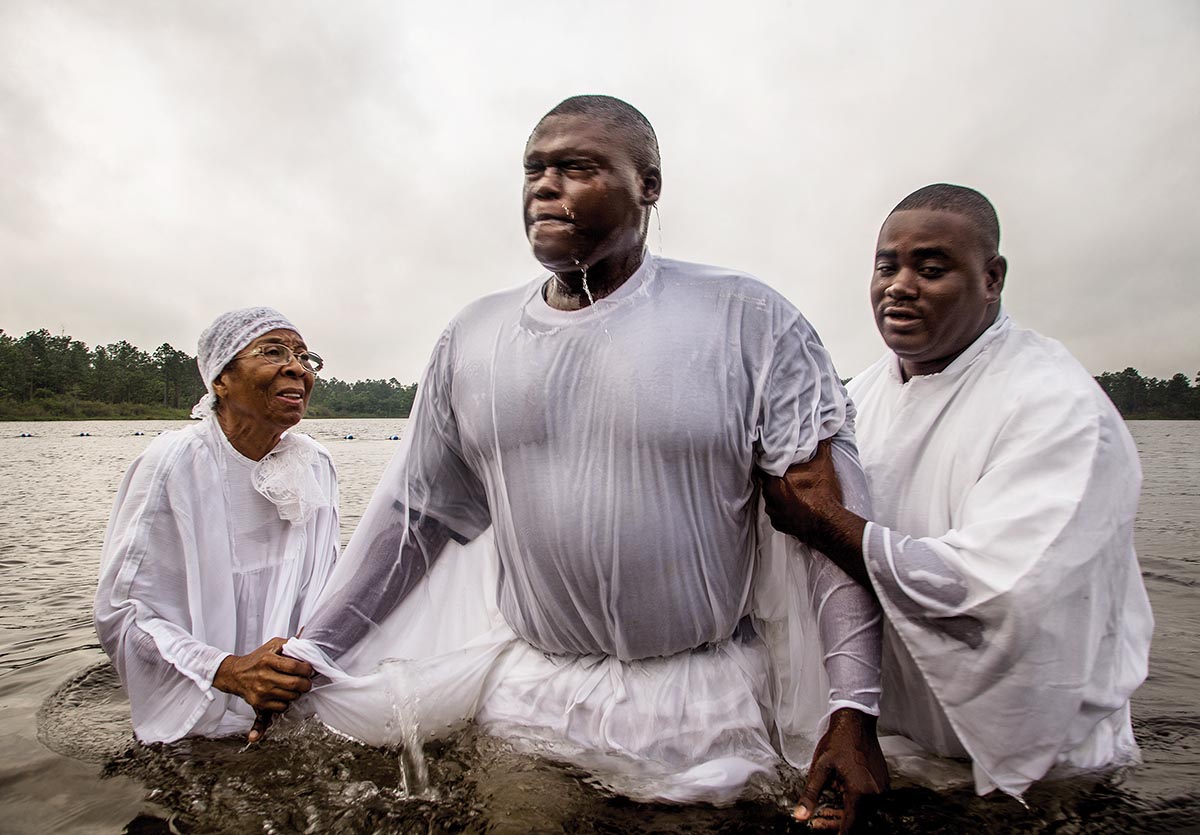
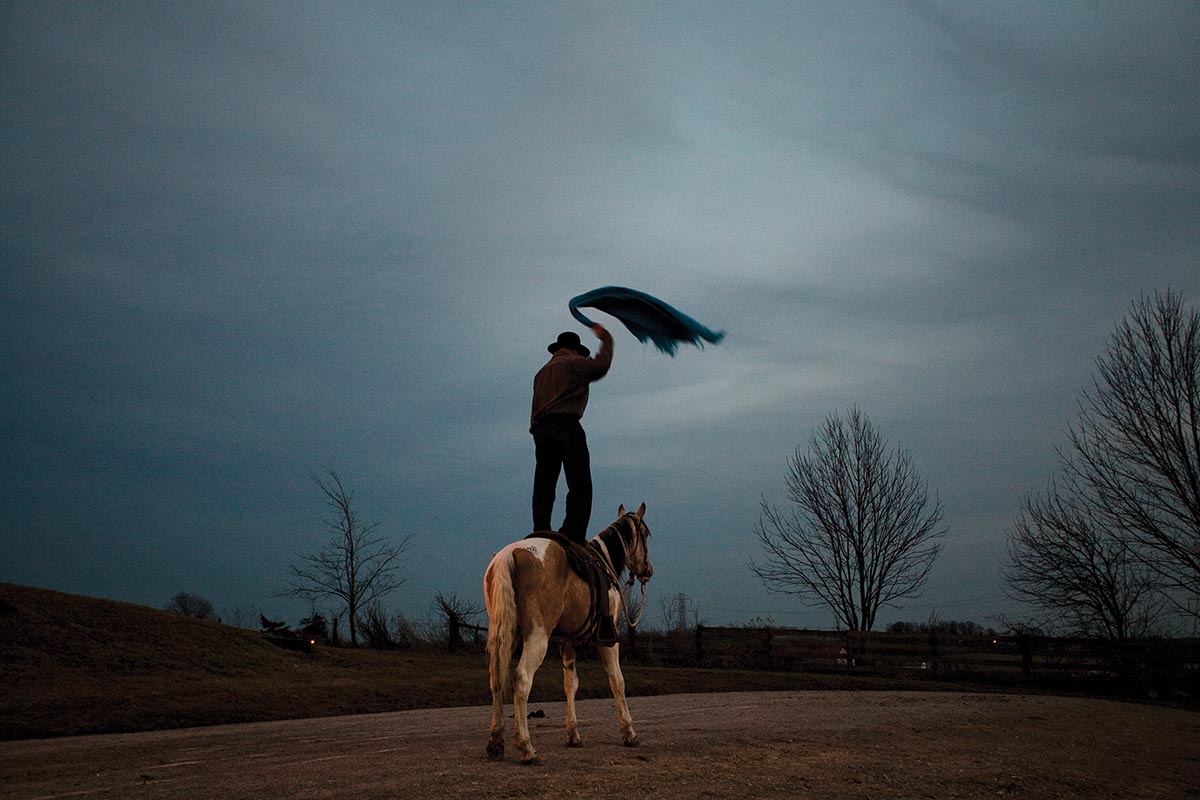
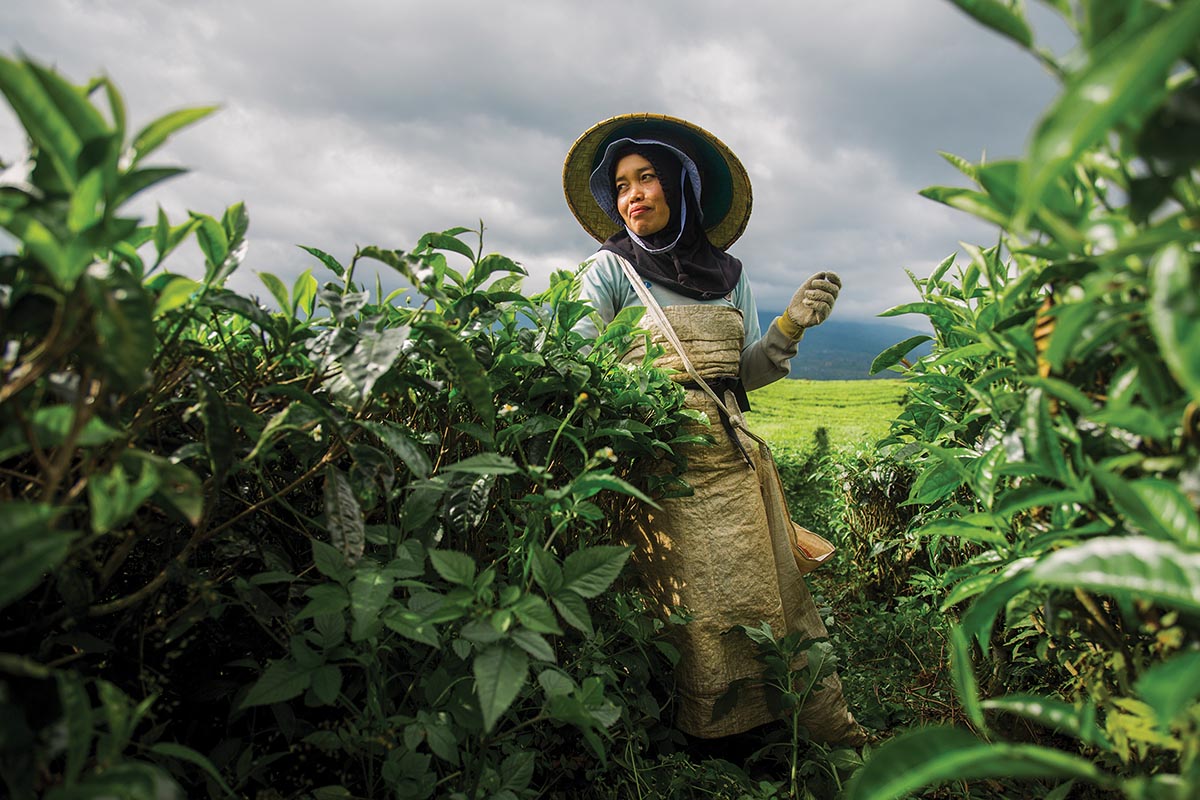
MH: It was a risk, but I had enough of a base that I was able to transition to a totally new market in Seattle and still keep some clients—Coastal Living, Southern Living, The New York Times, Outside magazine. Being out West opened different job opportunities. Seattle was a bigger market for commercial jobs. Coastal Living was great because there’s a lot of coastline in the West, too. My relationship with Corbis, which was a stock photography company founded in 1989 by Bill Gates, led to working with the Gates Foundation. The Foundation has become a main staple of my work. My first assignment with them was to go to Honduras with Bill Gates Sr. in 2011. I have always been more comfortable photographing people than anything else. I am somewhat of an introvert until I get a camera in my hands, and then I become an extrovert, and if you look at my portfolio, except for my wet plate work, it’s a lot of people from different cultures.
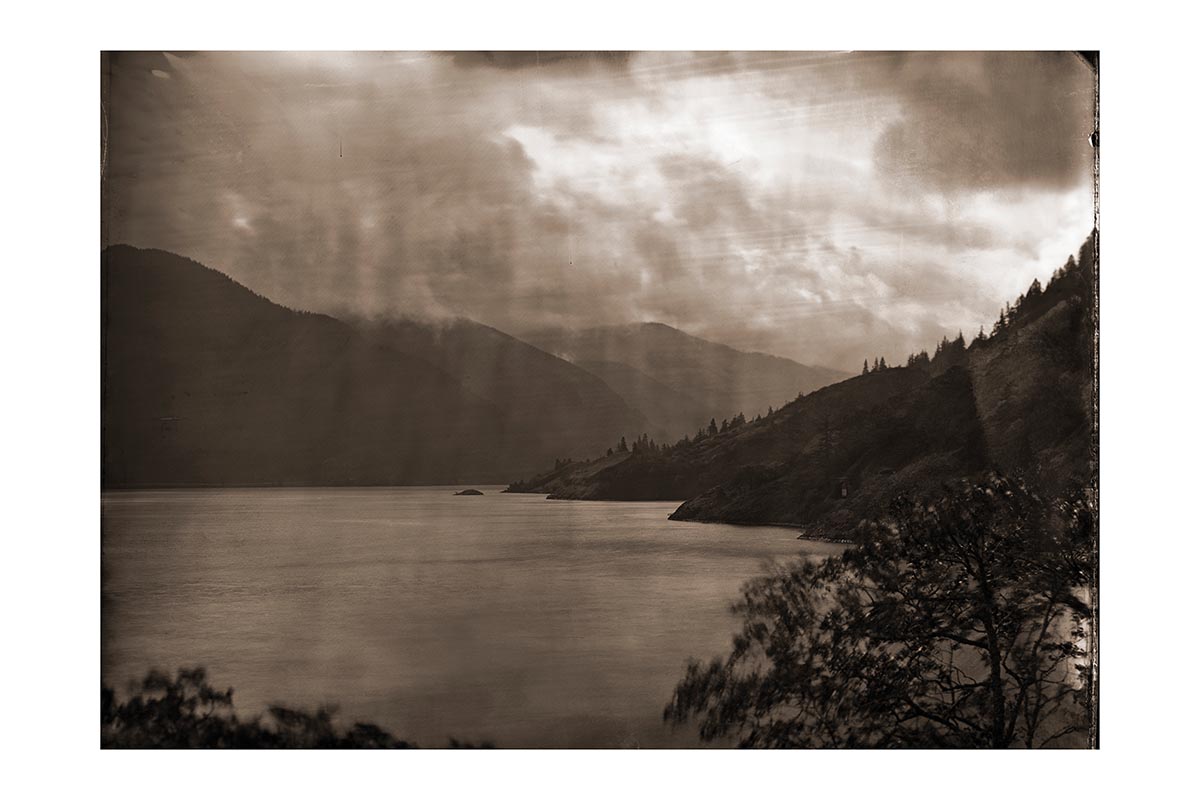
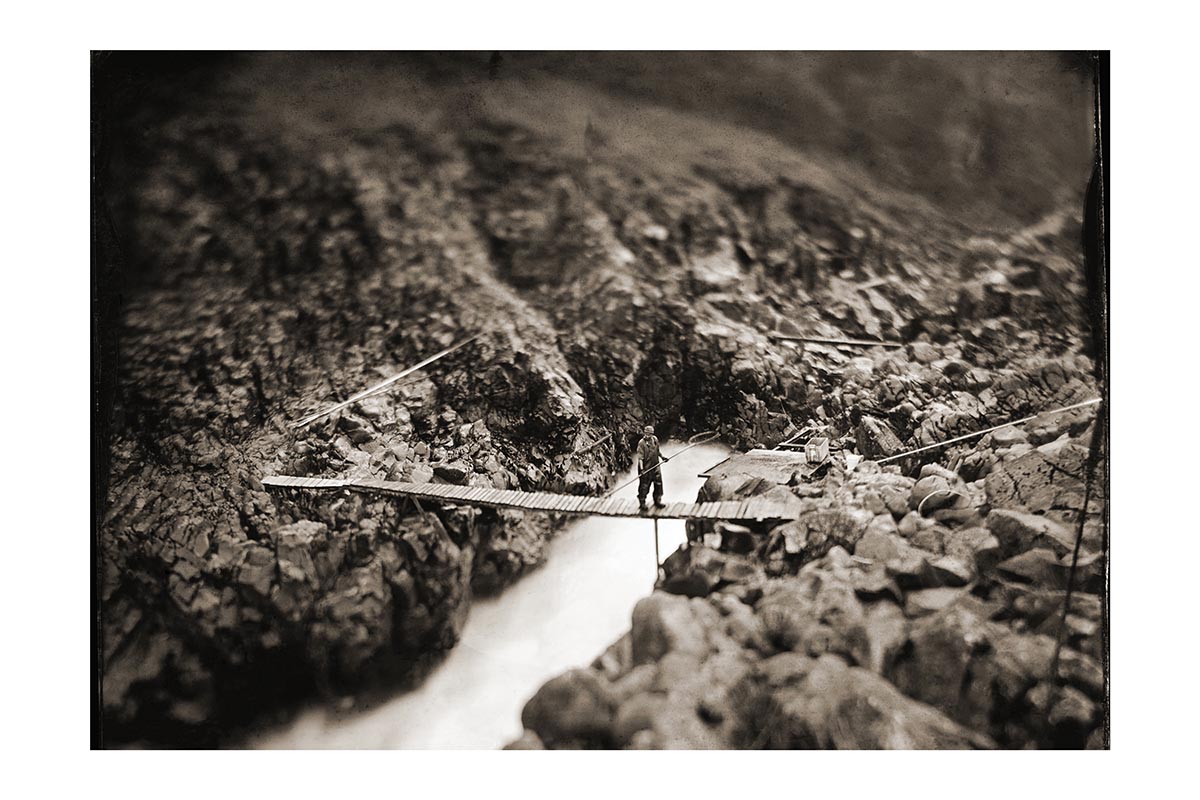
MEH: How did wet plate 4x5 photography (above and at top) enter the picture?
MH: As much as I love travel, I wanted to settle down a bit. That coincided with COVID-19 shutting down a lot of my travel projects. My wife and I also had a son in 2021, so I wanted to be home more. COVID led to this forced sabbatical, and out of curiosity, I picked up wet plate photography. It’s been a great side project, to photograph in my home region around the Columbia River Gorge and intentionally slow down. It started out just with the landscape. The gorge is a complicated place in that it’s really beautiful but with a complicated history with dams and the Native American tribes. I thought it would be interesting to tell the story through a type of photography that wasn’t so pure and sharp as digital. The wet plate is a great medium for it.
MEH: How do you prepare and process your wet plates?
MH: I apply collodion and then silver nitrate on pieces of scrap glass I get from a local framer and cut it up into 4x5s. I built a little darkroom in my truck, a wood case with black blankets that go over me, and then I stand at the back of my truck and develop them. A lot of people can make really clean, pristine wet plate images. I cannot. If I wanted to make a perfectly clear image, I might as well use a digital camera. When I look at the images, there’s more of a mood, feeling, and complexity to them. I’m not intentionally making them messy; that’s just the process.
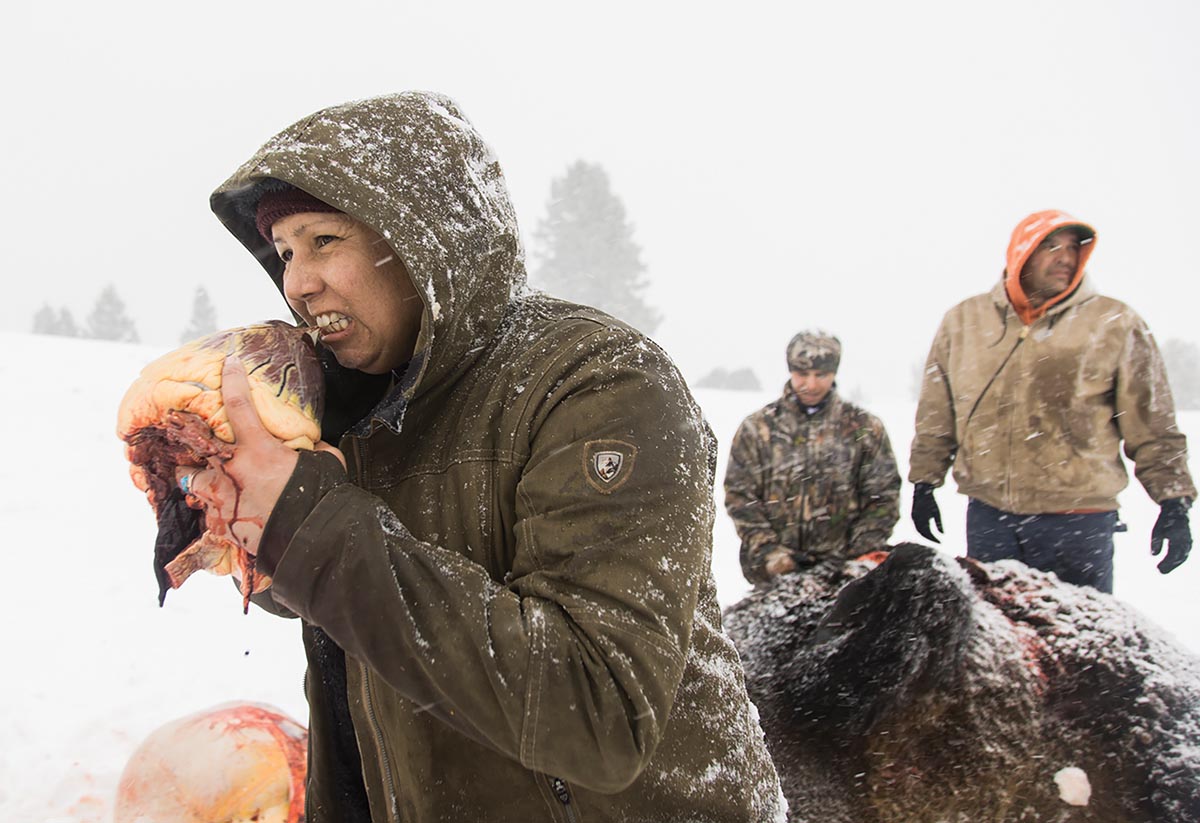
MEH: How did you first get the opportunity to work with Native American subjects?
MH: I went with a local tribe years ago to Yellowstone for a project and they invited me back to photograph the bison hunt on the outskirts of Yellowstone in the winter. I did it on my own dime, no assignment, just for curiosity. That’s my happy place, working alone on a slow story. I got seven days with them, no panic, no rush. The story’s unfolding in front of me and I’m just watching and waiting and taking pictures. That’s one of the ones I pitched to The New York Times and then went back for the paper a winter or two after that and spent another week with them.
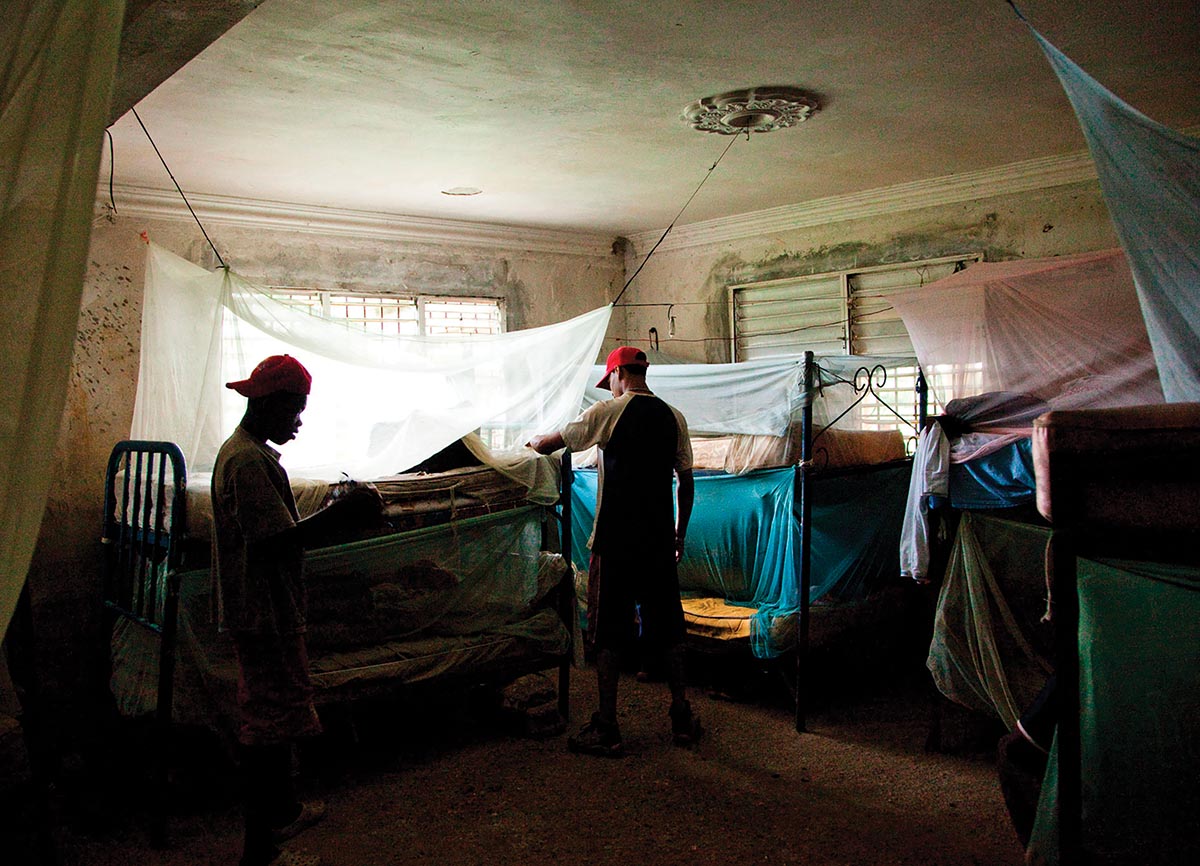
MEH: Can you share how you came full circle on your New York Times story that started out as a personal project, “The Republic of Baseball?”
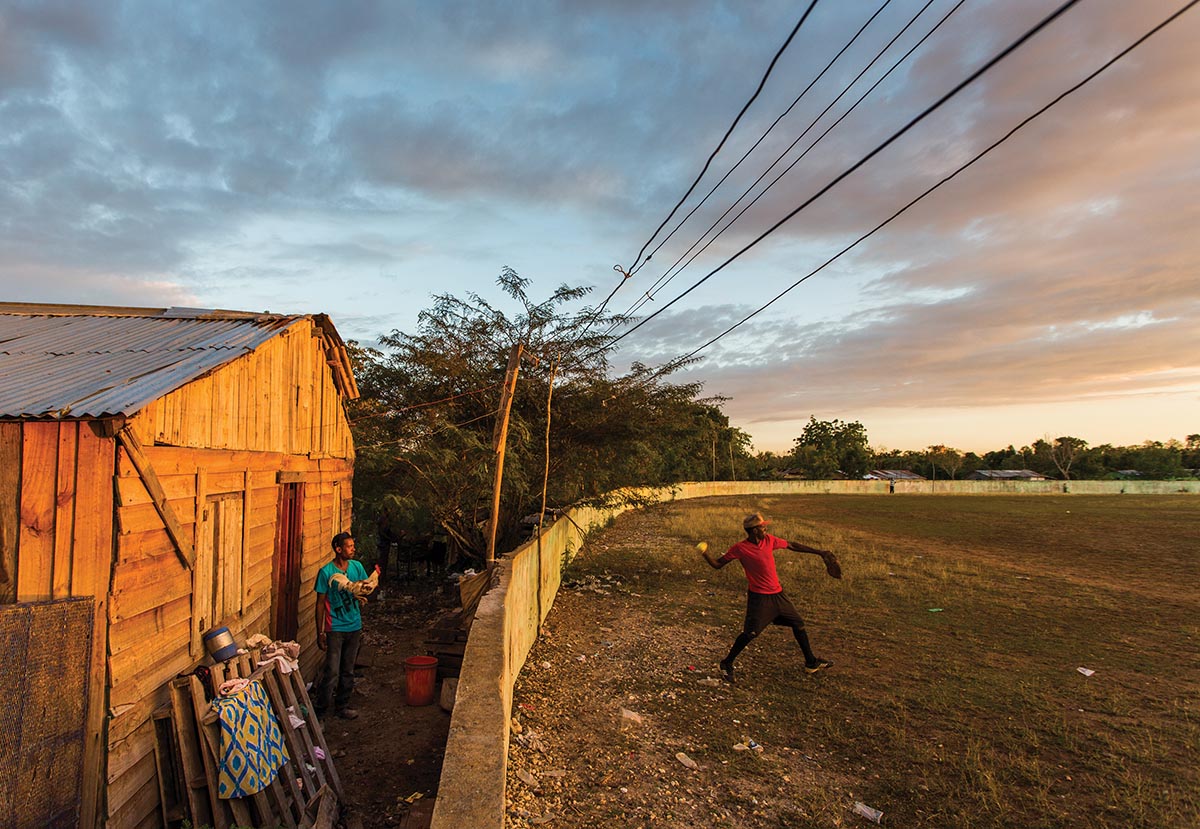
MH: When I was a middle infielder in the Braves organization, a lot of the players were Latin American. I majored in Spanish in college so that helped me to get to know these guys on a deeper level. I was a little older than most of the players and had gone to college for four years. These guys were signing at 16, playing a year or two in the Dominican Republic, and then coming over to the U.S. I had some assignments in the Dominican Republic and then stayed on for two weeks to find a story. I had connections with the Braves and with professional baseball through my time playing, so I got to go to some of those academies. I found this gem of a place in the middle of a forest down a tiny little road that produces amazing baseball players. They have a field and kids living in these abandoned houses, sleeping on rotten mattresses under mosquito nets at night (above and below) and then playing baseball all day and producing multi-million-dollarplayers. Some of them who I photographed as 14- and 15-year-old kids down there are in the big leagues now. In the Dominican Republic, baseball is often the only ticket out of poverty, and then the money comes back to their families. If they’re good enough, at 16 they can sign with a team and go to their academy.
MEH: What equipment are you using now?
MH: The Canon R5, a Hasselblad, a Mamiya 7, the Wisner 4x5 field camera for wet-plate, and for video, Sony FX6 and Sony FS7 cinema cameras. They are easier to shoot video on and have better audio controls. For videos I want a camera that’s focused on shooting cinematic with cinematic lenses. My brother David and I have a video production company called Modoc Stories.
MEH: How do you feel about your career trajectory?
MH: I am extremely lucky to have done this for 20 years. It has given me an excuse to go to faraway places or the local bar and talk to people and take pictures. I’ve put a lot of effort into it for a very long time, that same energy I had for baseball. If there was a staircase, I would run up it because it might make me a little faster. All that energy just shifted to photography.
Mark Edward Harris is an award-winning photographer and writer based in Los Angeles.
Tags: alternative process photography documentary photography