
True Family Stories
Tiffany Chrenshaw strives to show families exactly as they are.
• February 2025 Issue
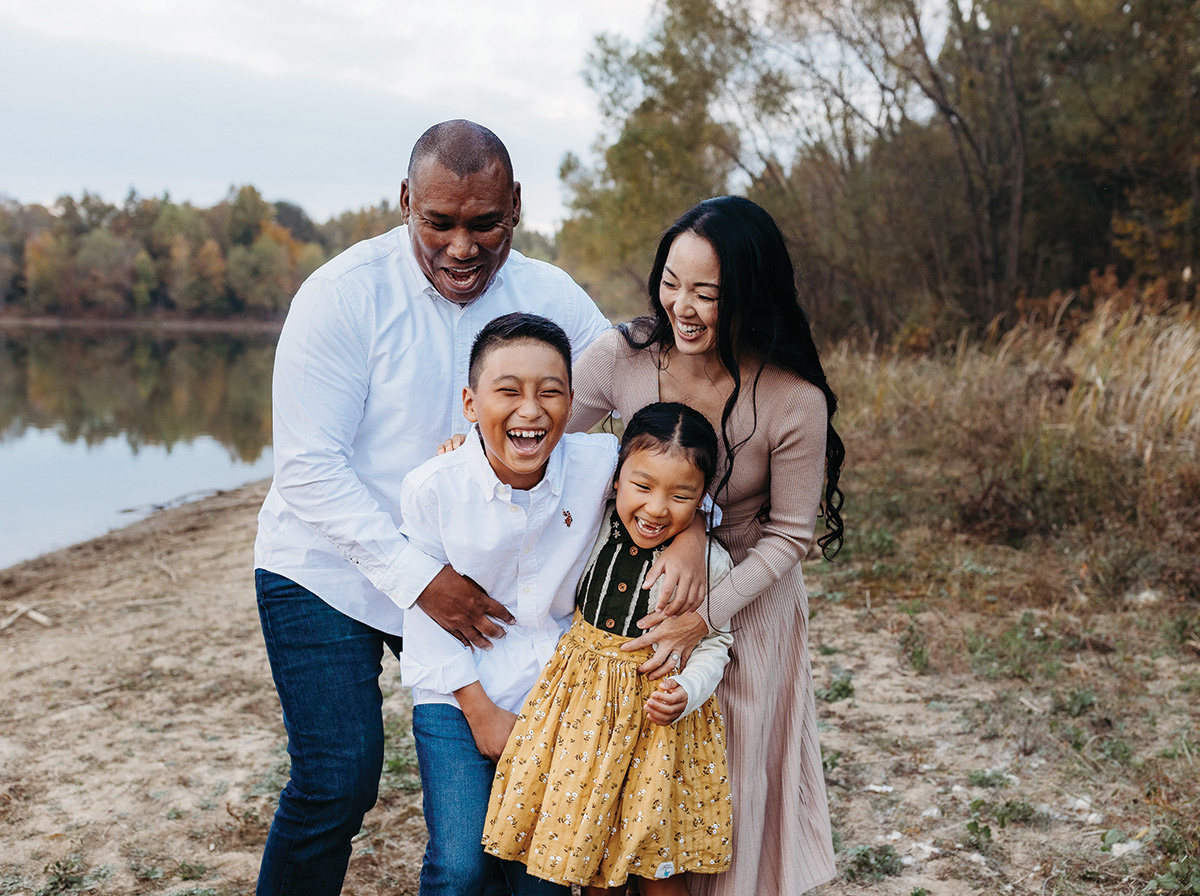
The camera lens sees all. You can arrange a family, carefully curate a scene, and control the lighting. But when you pile in parents and children and train your lens on them, the authentic expressions and interactions can’t be manufactured.
Viewers are drawn to that humanity. They love the light that sparks when families touch and interact with each other. It’s what drew Tiffany Crenshaw to family and life-style photography. But as Crenshaw looked through online portfolios and attended conferences, she noticed a void. None of the families and couples in those storytelling images looked like her or her family.
“I didn’t see a lot of diversity in the lifestyle photography world,” says Crenshaw, “and I really wanted that to be different.”
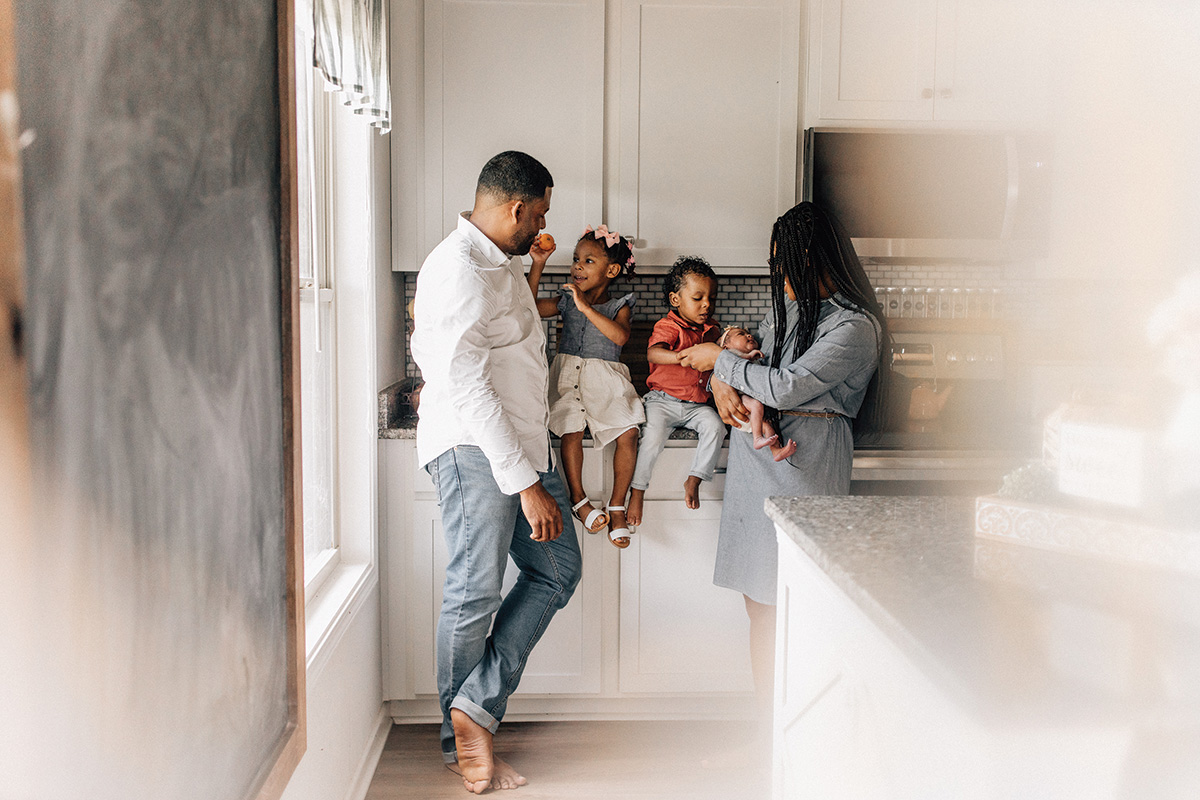
Based in Huntsville, Alabama, Crenshaw runs Animal House Photography, which specializes in lifestyle and documentary photography for families, newborns, and children. The name was born from a joke between Crenshaw and her husband that wrangling three kids often made them feel like zookeepers. She’s one of the only Black lifestyle photographers that she knows of in her area, which is something she’s working to change.
“Most of the Black photographers I was seeing when I first started out were traditional studio photographers,” she says. “So, I started off posing babies very badly and trying to do what I saw out there. That was the standard I saw, and people tend to do what they see. But none of it resonated with me. I also didn’t know who I was as an artist yet.”
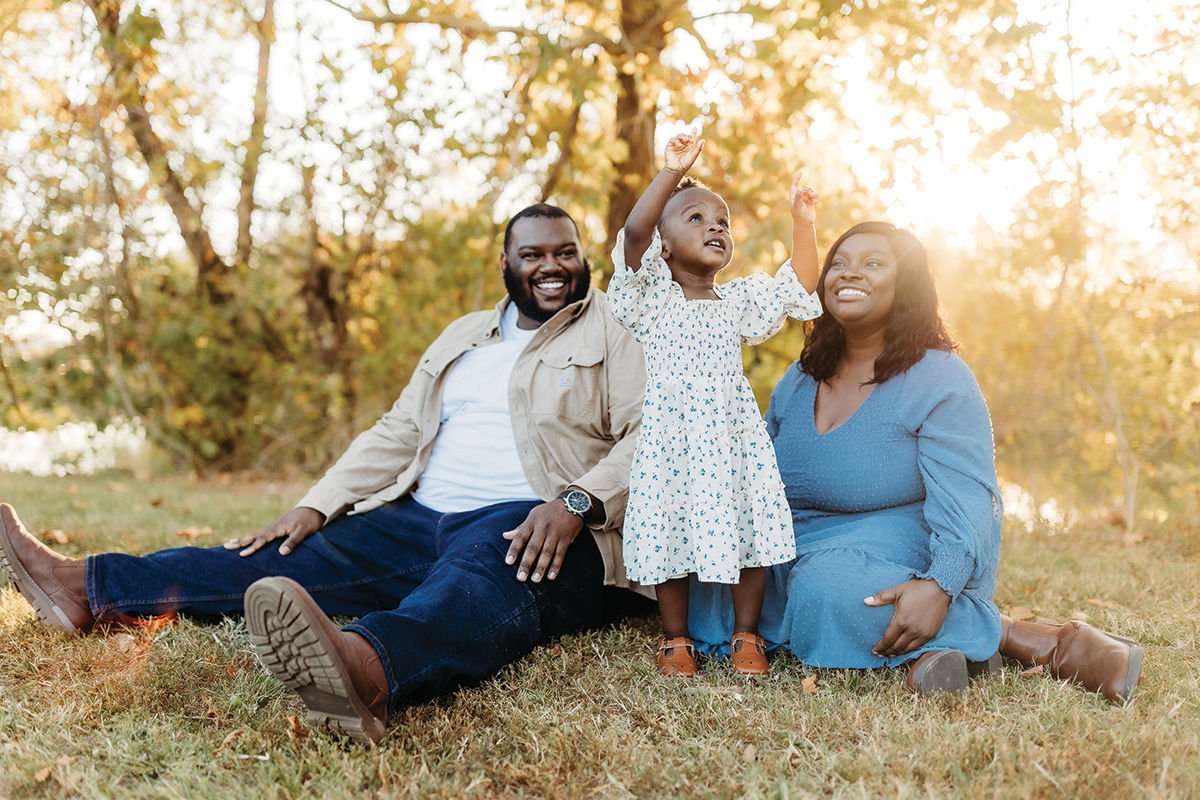
OPPORTUNITY KNOCKS
Inspiration came from an unlikely source: a bride desperately looking for a photographer who could properly handle light and dark skin tones.
“I told her that I didn’t do weddings,” says Crenshaw. “But she didn’t care. Her husband was from Kenya and she had very fair, white skin, and she was having trouble finding someone who could photograph an interracial couple without washing out the darker skin or oversaturating the lighter skin tone.”
Photographing that event opened Crenshaw’s eyes to the opportunity to, one, find out why diverse subjects were not represented in lifestyle photography, and, two, raise awareness of the issue, which has a painful history.
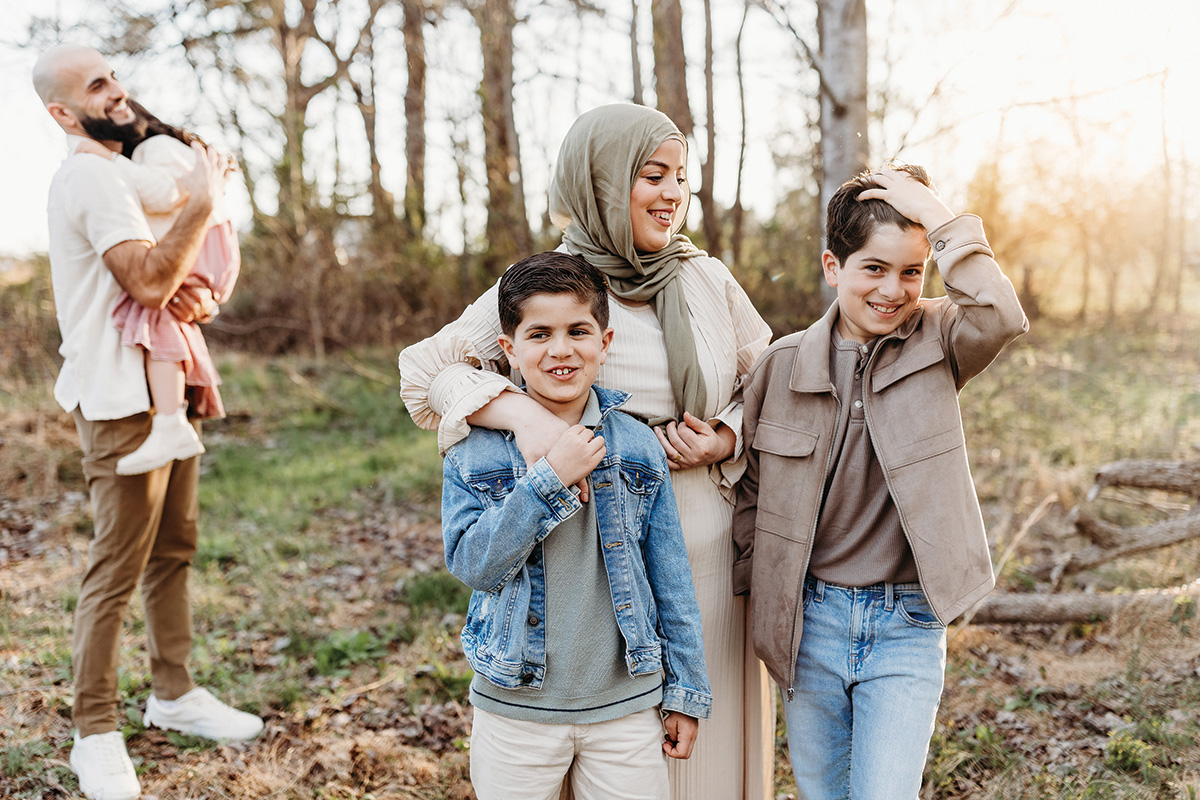
“In Asian and Black cultures,” explains Crenshaw, “there is this strong desire to overcome a certain perception after decades and decades of feeling less than. You can see that through the imagery that’s out there. And sometimes those cultures will shy away from in-home [photography] sessions because it makes them feel vulnerable. But I’m trying to reshape that. I want to show people that their home is exactly as it should be, and that it’s beautiful, because that’s where their people are. That’s where they shine.”
When Crenshaw talks about educating photographers to be more inclusive, you can hear the lightness in her voice, the earnest desire to be a positive influence and share the richness she’s found in her work. With a background as an elementary school teacher, Crenshaw has an innate desire to teach, and she plans to do more of that in 2025. One major aspect of that education will be showing photographers how to build more diverse portfolios without it looking forced, part of what she will be sharing at Imaging USA in February.
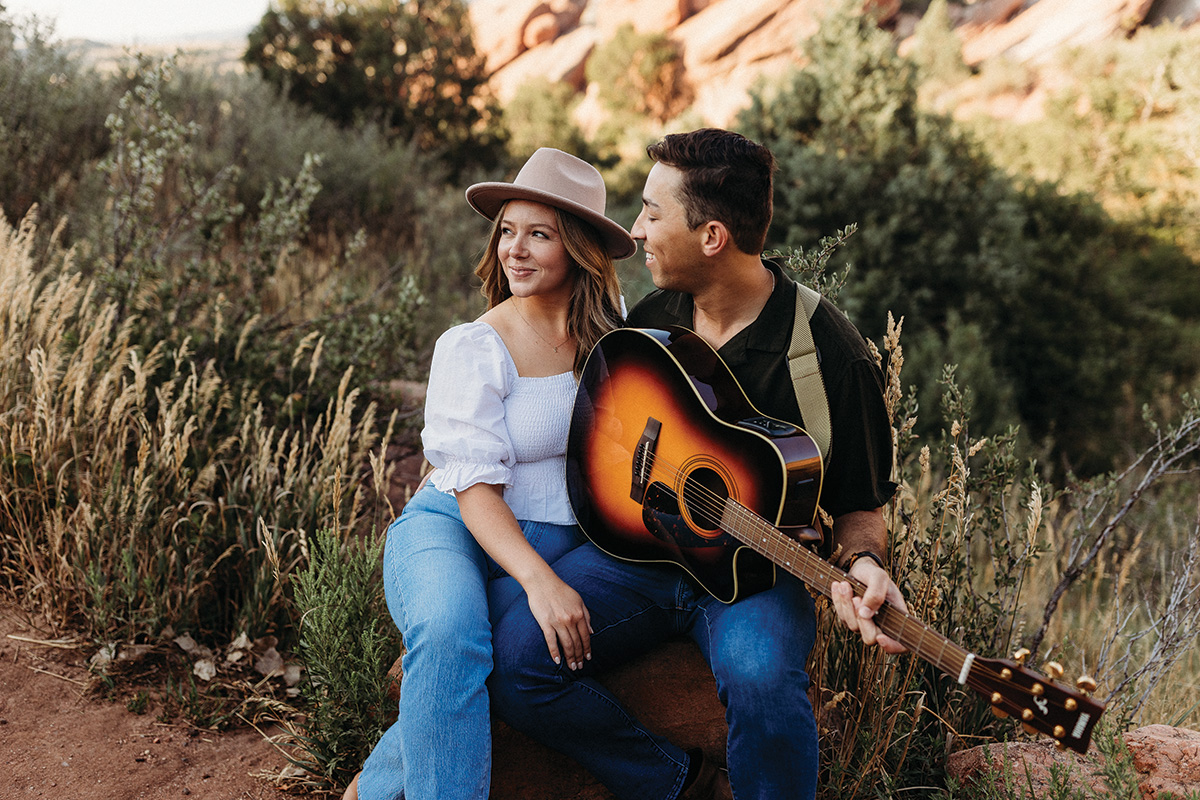
“It’s all about how to do meaningful model calls and personal projects that make your portfolio truly reflect what you need and want it to reflect,” she says and not, for example, post photographs of Hispanic families on social media only during national Hispanic Heritage Month, or use one diverse family’s images over and over in marketing.
“It just feels ungenuine,” Crenshaw says. “It’s not just about needing those pictures on your site; it’s also about how you may need to diversify your life. Whether it’s about race or disabilities, the focus should be on understanding that community and their genuine wants.”
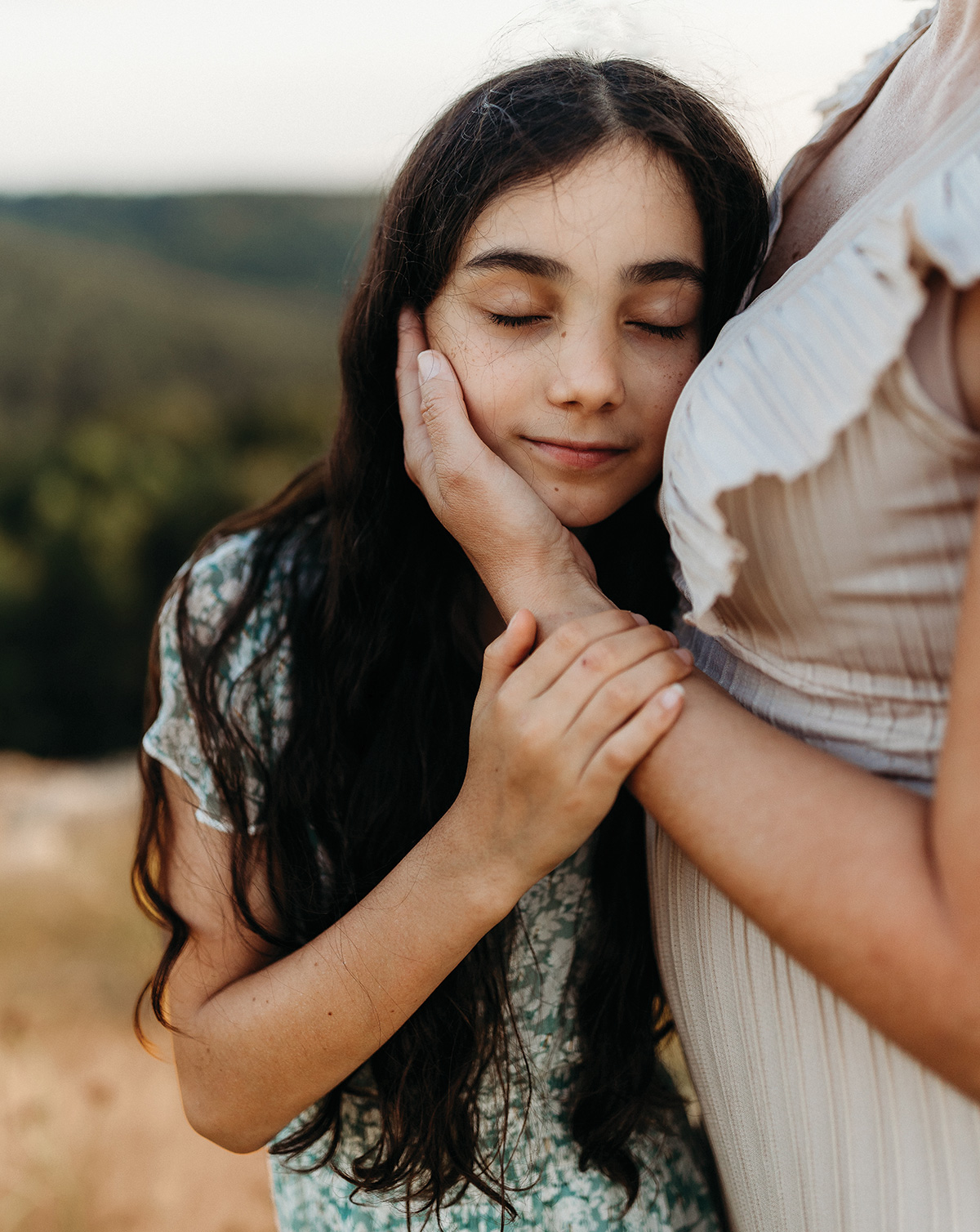
GUIDING MOTHERS
This year, Crenshaw wants to mentor other moms on how to run a successful photography business. As a mother who homeschools her children, she says she knows the struggles of motherhood and how important a mentor can be in finding a path to success.
“There are a lot of educational resources out there [for photographers], mainly about watching people shoot and seeing how they do things,” she says. “But I want to marry the artistry lessons with the business. I want to teach them how to blog, how to work on [search engine optimization], help people see that you can be a mom and run a business.
You don’t have to choose between the two. I can help them figure out how to do it in a way that’s authentic to who they are.” Crenshaw also spoke about how business and family align on the "Professional Photographer" podcast last November.
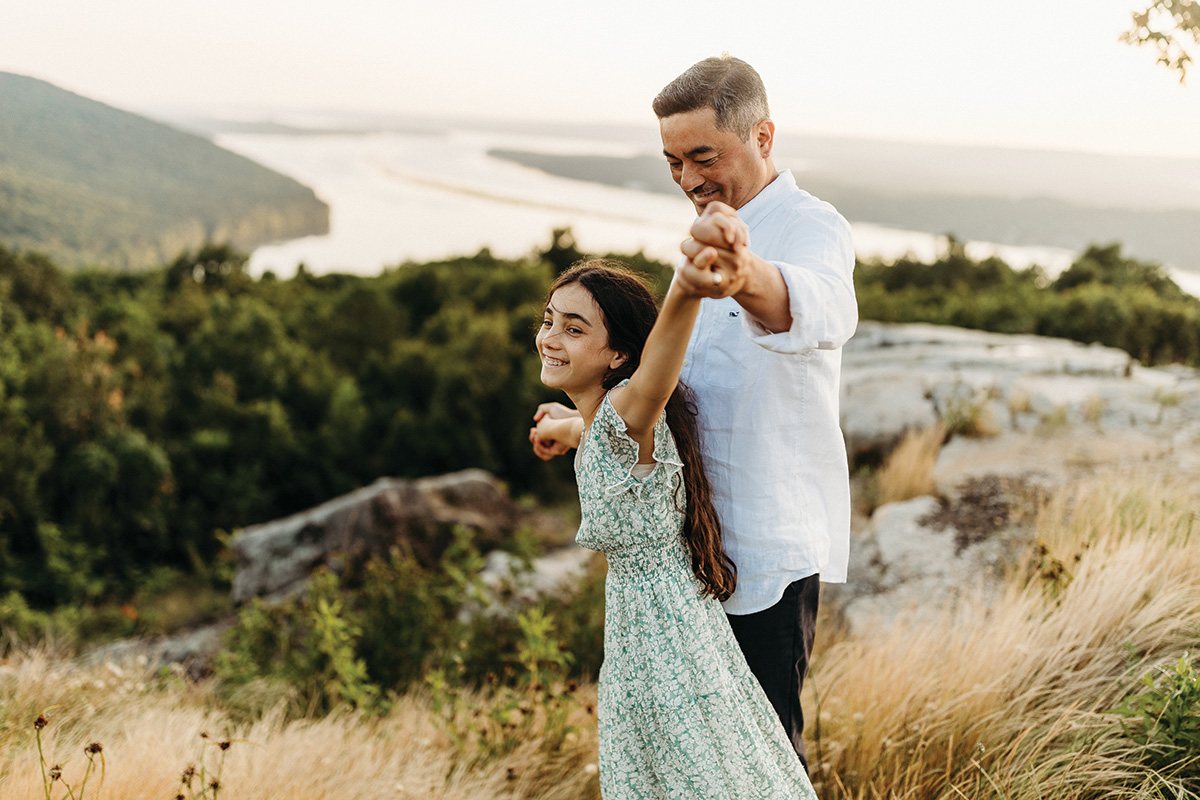
Running a business is not the same as being an artist, says Crenshaw. It’s not enough to be good at your art; you must also know how to manage “all the things,” she explains, something she learned herself from a mentor early in her career. For example, her mentor advised her to increase prices during the busy holiday season.
“You already know you’re booking, so if you raise prices in the middle of that, you’re still going to continue booking,” she says. “If you raise prices in the slow times, people are already not booking, so you feel panicked. In reality, however, you were naturally going to be slow during that time anyway.”
She also learned not to price herself based on her emotions. Instead, Crenshaw’s mentor taught her to base pricing solely on the numbers: How many sessions could she do or did she want to do per month? Setting clear goals for herself helped her define what she needed to charge per session. Removing emotion made it an easier puzzle to solve.
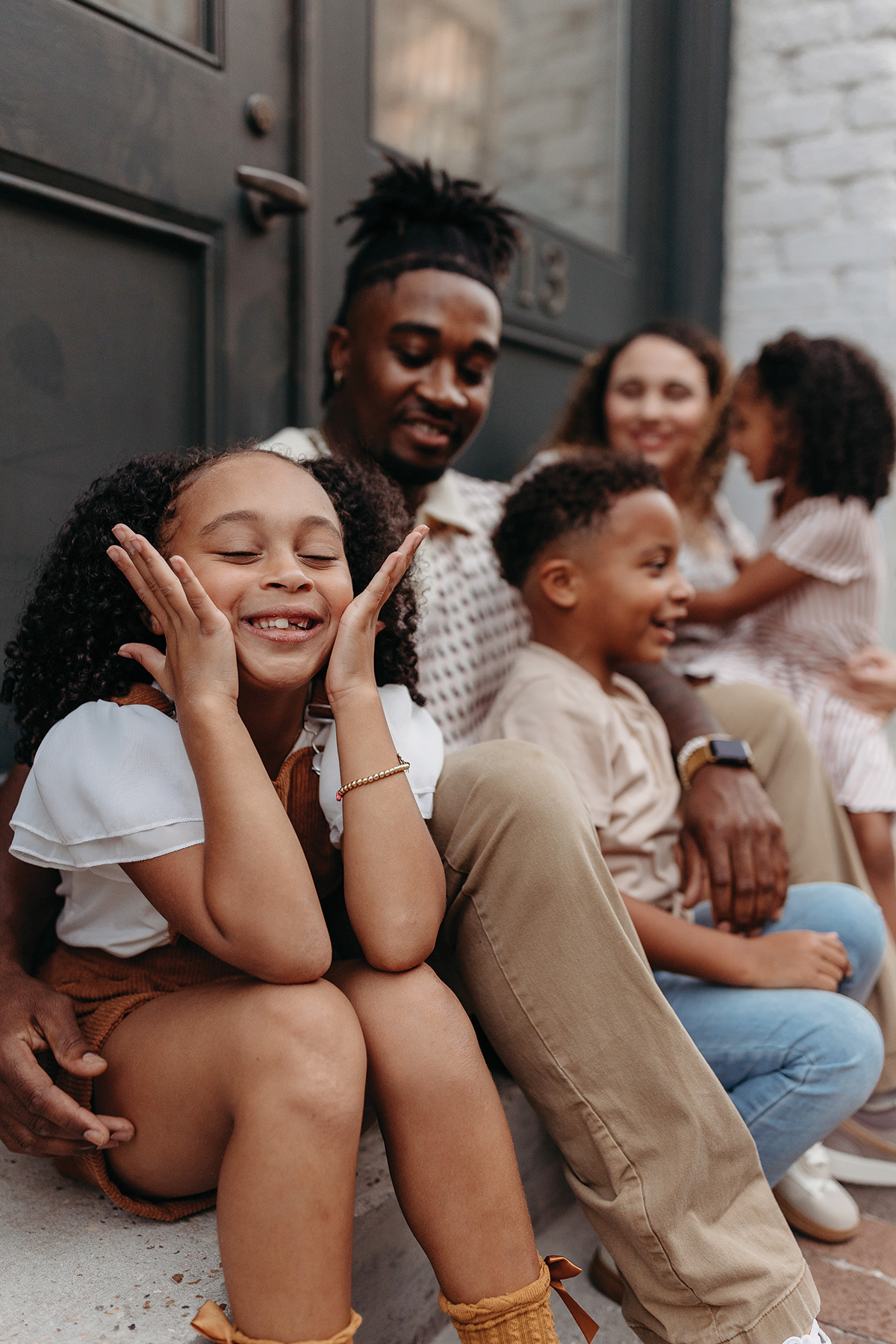
“I didn’t want to be burned out,” she says, noting that she had made that mistake before. “When that happens, my family suffers. Learning to price this way gave me the freedom to be a mom, wife, and educator at home. It’s not all about working; it’s about all of these pieces.”
These are the challenges new photographers grapple with the most, she says, and working moms have extra hurdles to jump. “It’s important to humanize ourselves as business owners,” she says. “You can be honest about who you are and be professional at the same time.”
For Crenshaw, being a photographer is the best way to be true to her artist and educator personas. Whether she’s working to inspire more diversity in front of and behind the camera or embolden moms to reach higher, Crenshaw has found the perfect confluence of her strength and passion.
Put simply, she says, “I want to help others grow.”
Stephanie Boozer is a writer in Charleston, South Carolina.
Tags: family photography