
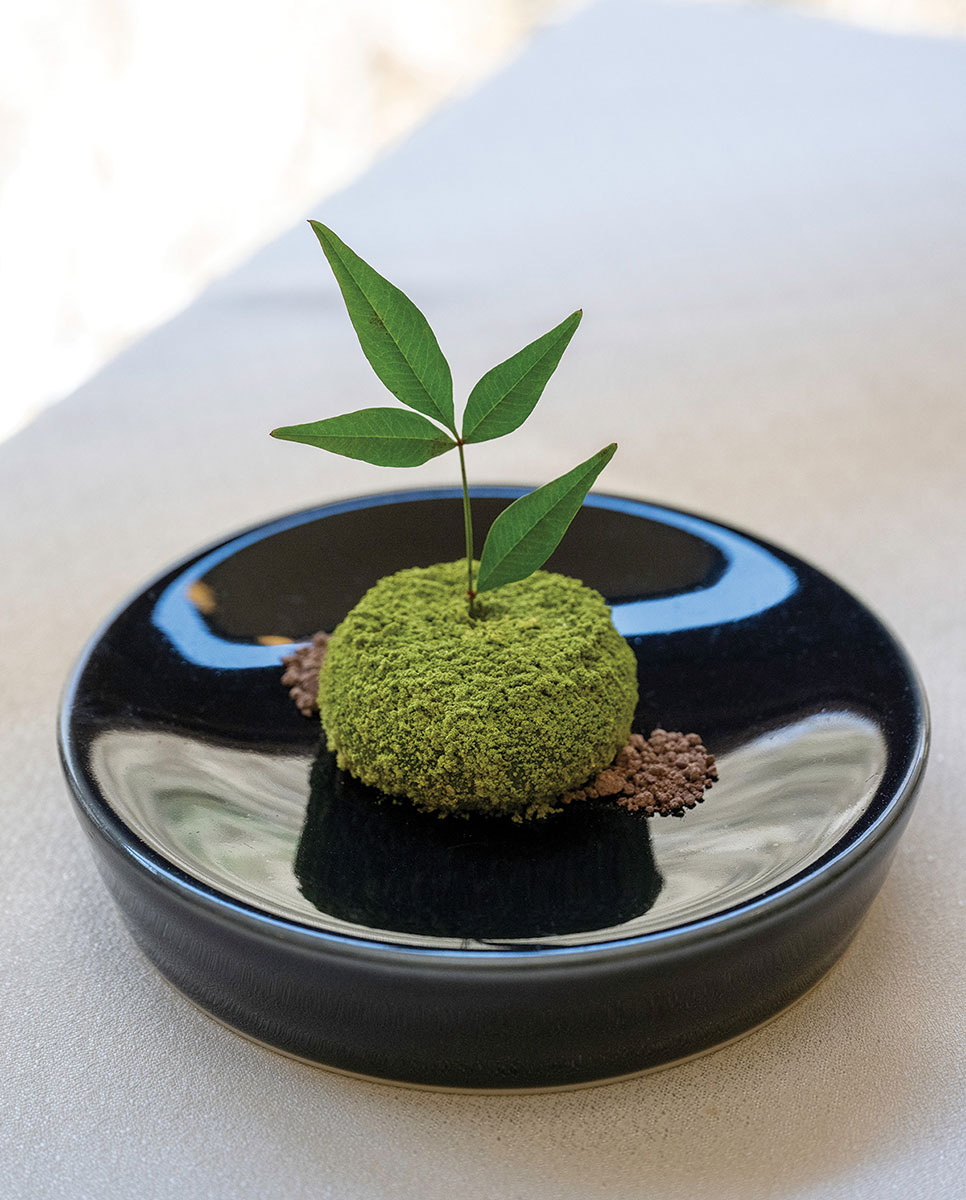
Packing for a photo assignment that requires extensive travel always starts with the question, “Do I really need it?” It’s a query that doesn’t get easier to answer as we get older and, for some of us, our backs get weaker. I have scaled back in several ways. Do I really need a macro for a general travel story when I can add a +1 diopter to my Nikkor Z 24-70mm f/2.8? Do I bring along my Nikkor Z 400mm f/2.8 for a non-sports or wildlife assignment? This culling can be like polishing rice for saké or culling grapes for wine: both produce higher-quality end products. It doesn’t have to be seen as a negative. The nimbler we are, the more opportunities we can pursue on the road. The key is to increase productivity without sacrificing quality.
One diminutive, lightweight product that renders big results is a 20-inch Collapsible 5-in-1 Reflector from Westcott. It’s become my go-to accessory for a variety of photographic solutions and can fit in even the smallest of bags. I put this combination into action on an assignment to illustrate the best of what Japan’s Nagano Prefecture has to offer. This trip required flights, numerous train, bus, taxi, and snowmobile rides, as well as six hours of hiking in the snow-covered Japanese Alps. In other words, every ounce of extra weight would have been a burden.
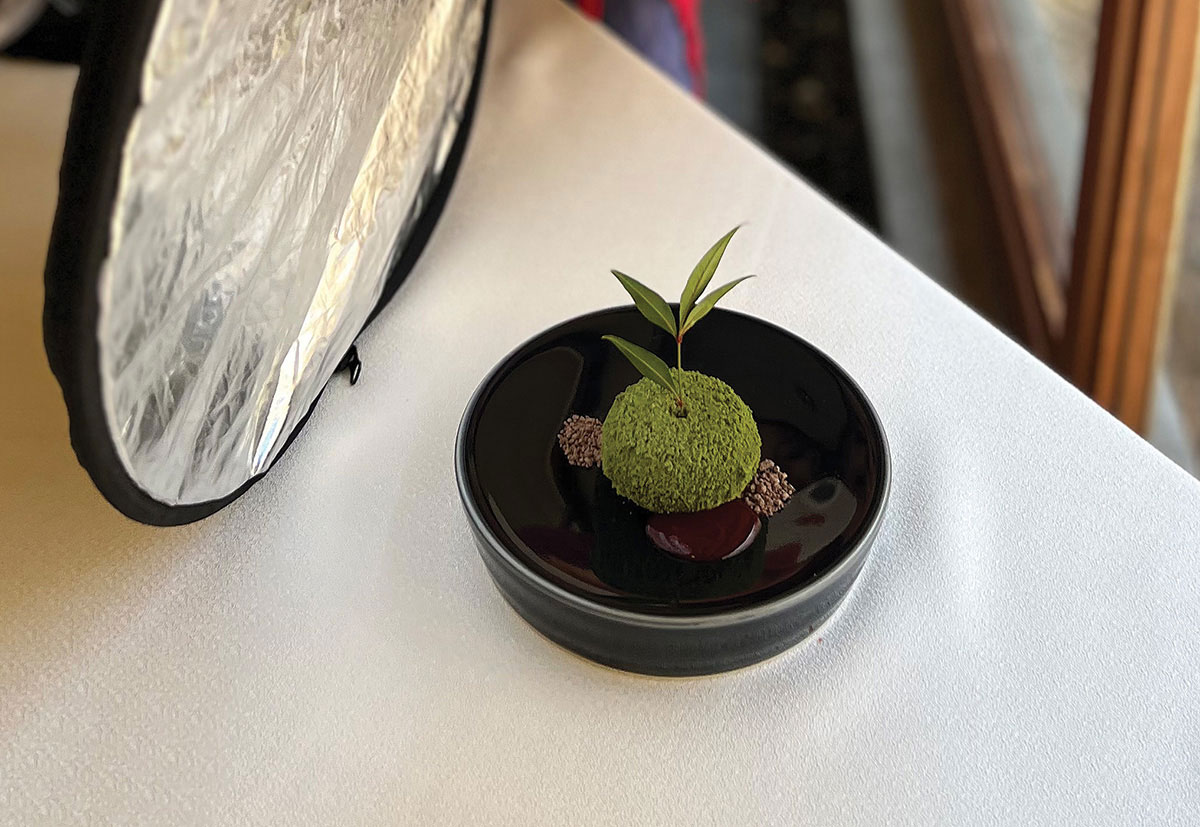
A restaurant staffer helped hold the silver reflector in place as I captured a beautiful matcha cake in ambient light (top of page).
The project included documenting the incredible food of the prefecture, including a matcha cake at the Relais & Châteaux property Myojinkan Hotel in the mountains above the castle town of Matsumoto and miso production at three historic distilleries. For food photography on a travel assignment, my modus operandi is to place the item near a window for ambient light and then use the silver or white side of the 20-inch 5-in-1 reflector to fill in some shadow and reduce the contrast ratio. I arrange with restaurants and hotels for chefs to have the dishes prepared so I can photograph them during daylight hours using ambient light. This also helps the restaurant staff by not disturbing their dinnertime workflow or their customers. For the matcha cake image, I had a Myojinkan staff member lend a hand after I positioned the silver side of the reflector to kick light into the shadow area.
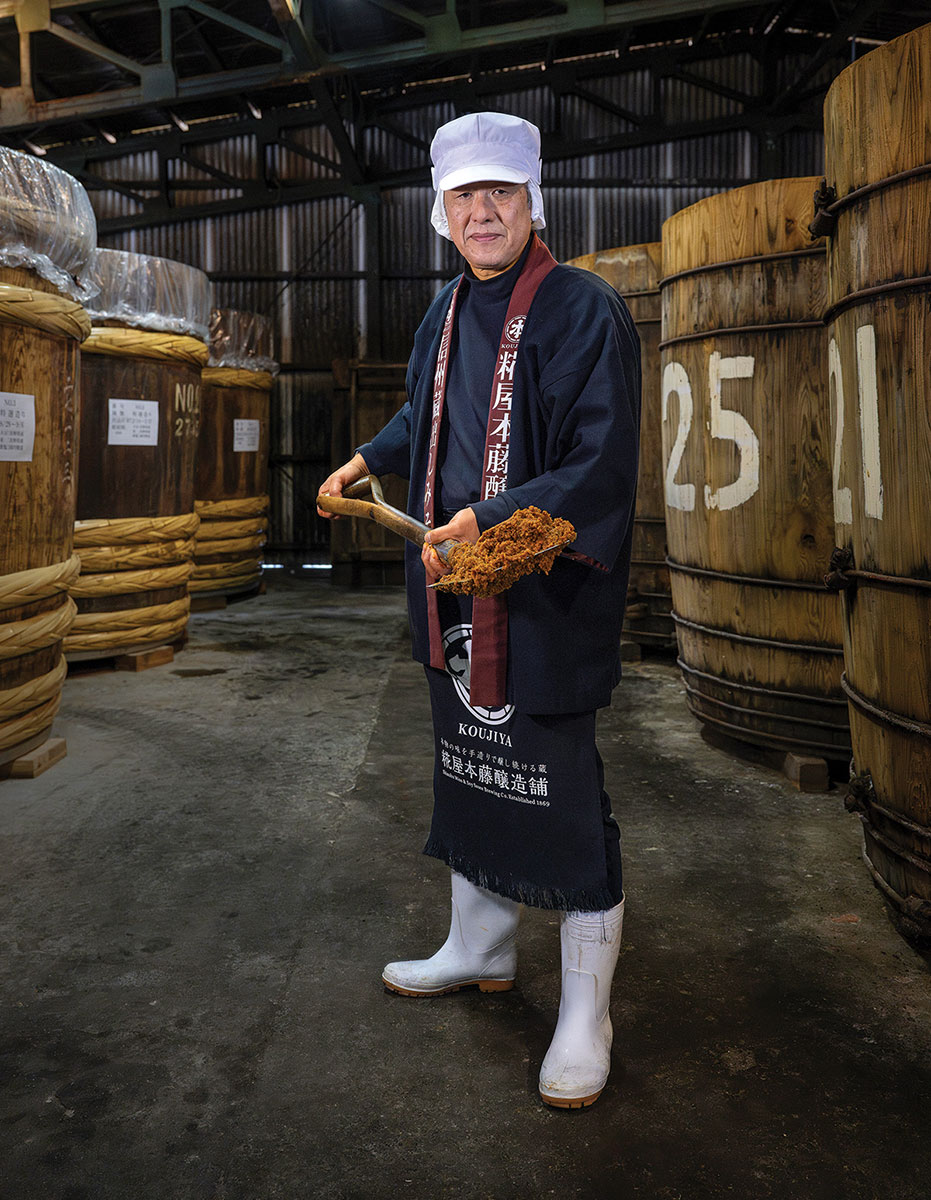
A hot light through a removable silk included with the Westcott Collapsible 5-in-1 Reflector softens the light in this portrait of a miso master.
I also documented the people behind the making of certain products, including Nagano’s famed miso masters. For an environmental portrait of fourth-generation miso master Hiroshi Hondo of the Kojiya Hondo Jyozoppo brewery holding a shovel of miso surrounded by wooden vats, I aimed a hot light through a removable silk that comes with the four-sided outer slipcover of the Westcott Collapsible 5-in-1 Reflector to soften the light.
After a tour documenting the traditional methods at the Ishii Miso Brewery, my writing partner Roxana Saberi and I sat down to taste the results of their efforts. Before doing so, of course, I needed to record the result of the company’s time-honored process. Once again using window light, I kicked in some fill light with the white side of the four-sided reflector panel. While the darker matcha cake needed the extra intensity from the silver side, using it on the lighter miso yaki onigiri (a grilled rice ball brushed with miso) would have looked a bit artificial. My goal is for my lighting to always look real. The movie industry refers to this approach as motivated lighting, layering light in a scene to create a sense of depth, emotion, and texture.
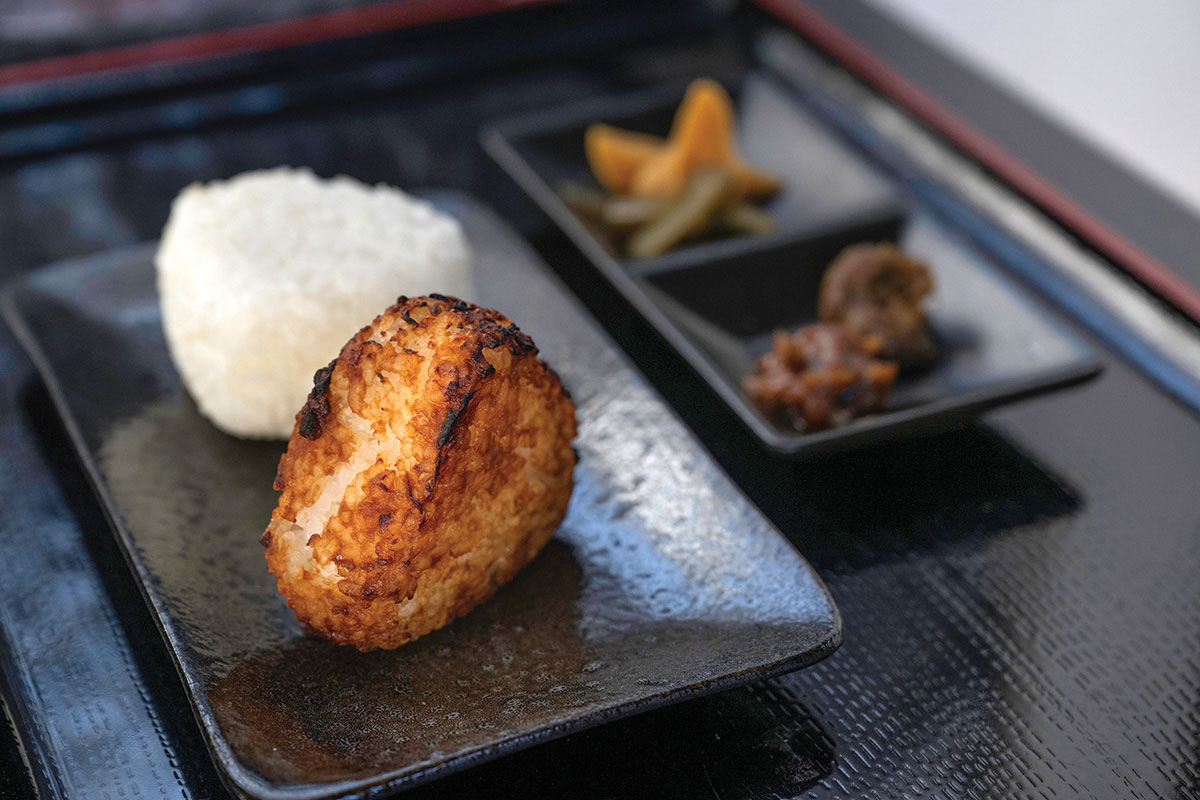
Using the white side of the reflector to kick light onto the lighter grilled rice balls looks more natural than the more intense silver side I used for the darker colored matcha.
Nagano is also home to some of the most famous onsen (hot springs) in Japan and therefore vital to document. While reflectors are most often thought of as tools for adding light into dark areas, they can be effective gobos or bring in negative bounce, in my case using the black panel of the four-sided Westcott reflector panel. This can be effective for dramatic portraiture. My image of Roxana dipping in and out of the 110-degrees-Fahrenheit bubbles in a hot spring at the Ryokan Biyunoyado in Yudanaka Onsen is an example. Use of the reflector brought out more of her personality and refined bone structure than an evenly lit beauty shot would have.
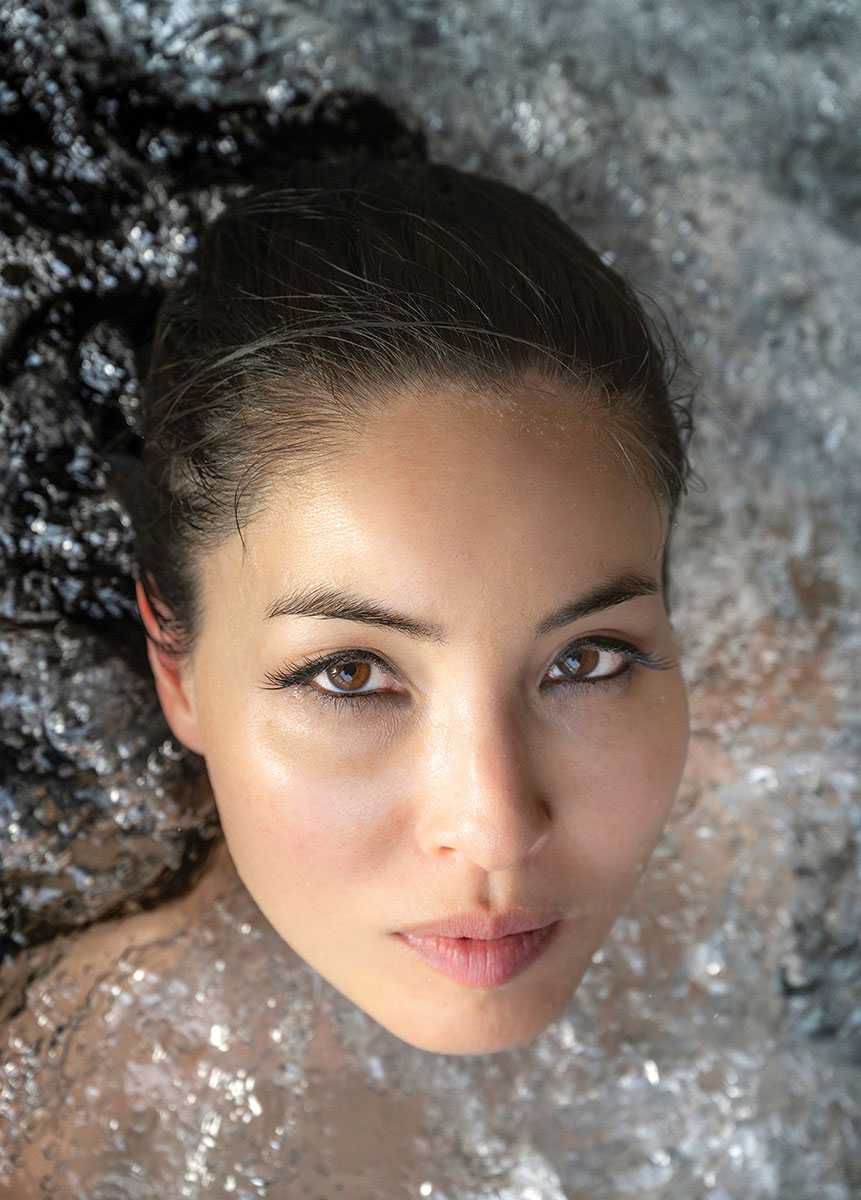
I used the black side of the reflector panel to bring in negative bounce to my subject at an onsen (hot spring). It brings out the contours of the subject’s face better than an evenly lit beauty shot would.
A small, versatile modifier is ideal for travel photography, which incorporates many types of photography, from food to architecture to portraiture. These same techniques can be applied to photographers from other specialties. For example, wedding photographers can always use a little help from a reflector when documenting smaller elements on their clients’ big day. There’s no reason to leave home without one.
Mark Edward Harris is an award-winning photographer and writer based in Los Angeles.