
Take a Creative Adventure
Personal projects can ignite new ideas and sharpen skills
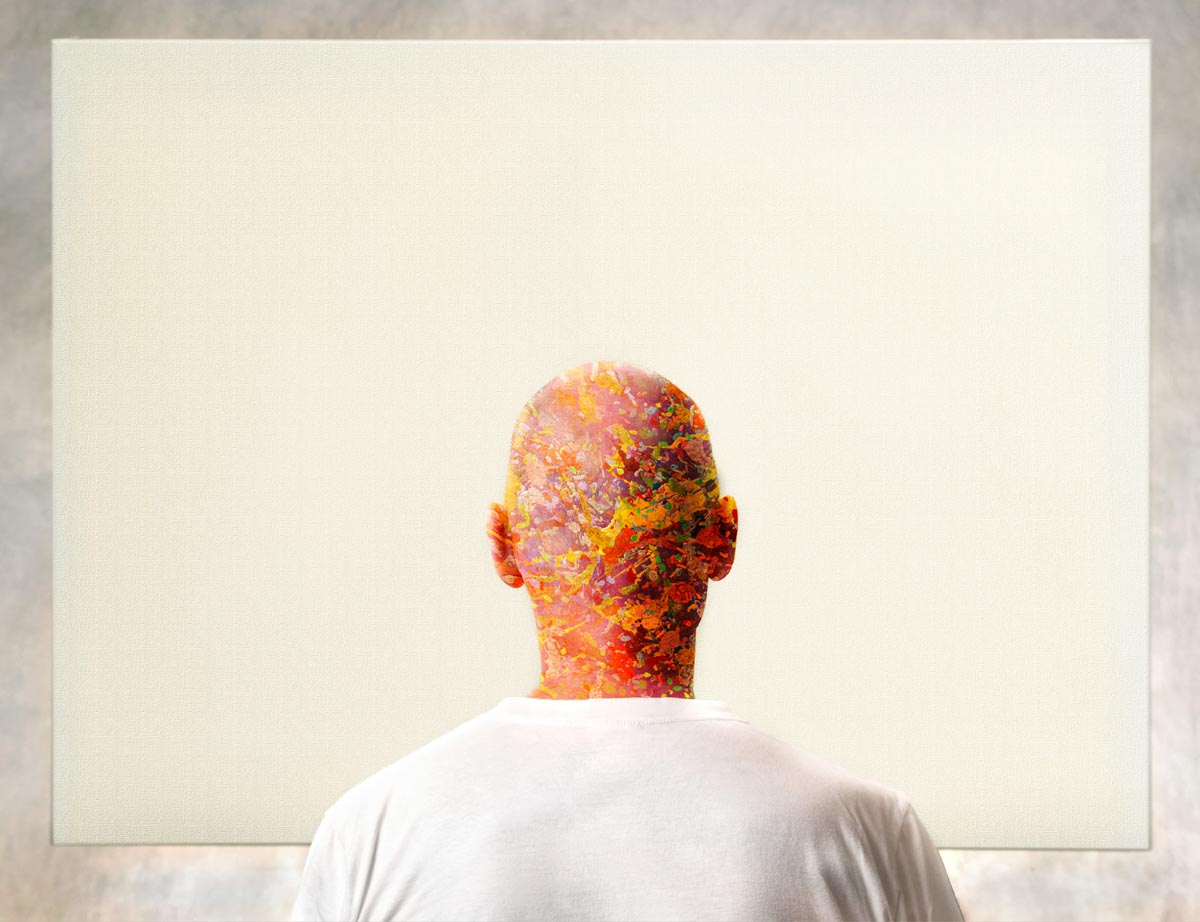
A class on self-portraiture inspired Dallas, Texas-based portrait photographer Larry Lourcey, M.Photog.M.Artist.Cr., CPP, to take on his first personal project. When he turned 40, he decided to take a self-portrait every week for 40 weeks and post it on social media every Monday (below). “It ended up being incredibly hard, not at all what I was expecting, but it was a great experience,” he tells “Professional Photographer” podcast host Pat Miller on the episode, “Why Personal Projects Make You a Better Photographer.”
“For me, it’s been a recurring theme that sometimes the difficult things are the good things, the growth things.” The “amazing creative adventure” solidified his interest in personal projects, a body of work not produced for a client but for a photographer’s own creative expression and satisfaction.
Personal projects are powerful because they ignite ideas and inspiration, he says. “When you can step out and just do something for fun, you kind of get that spark again. I think it’s really important,” Lourcey tells Miller.
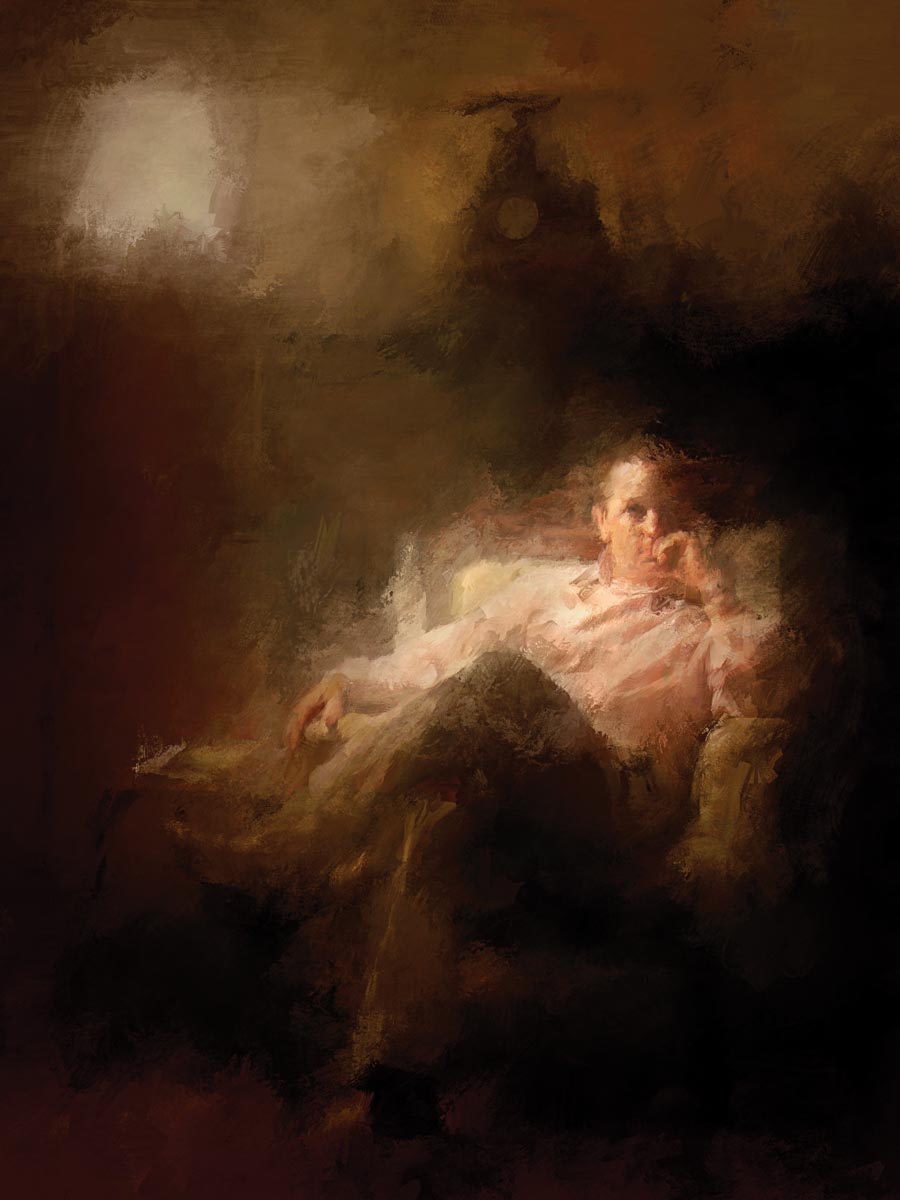
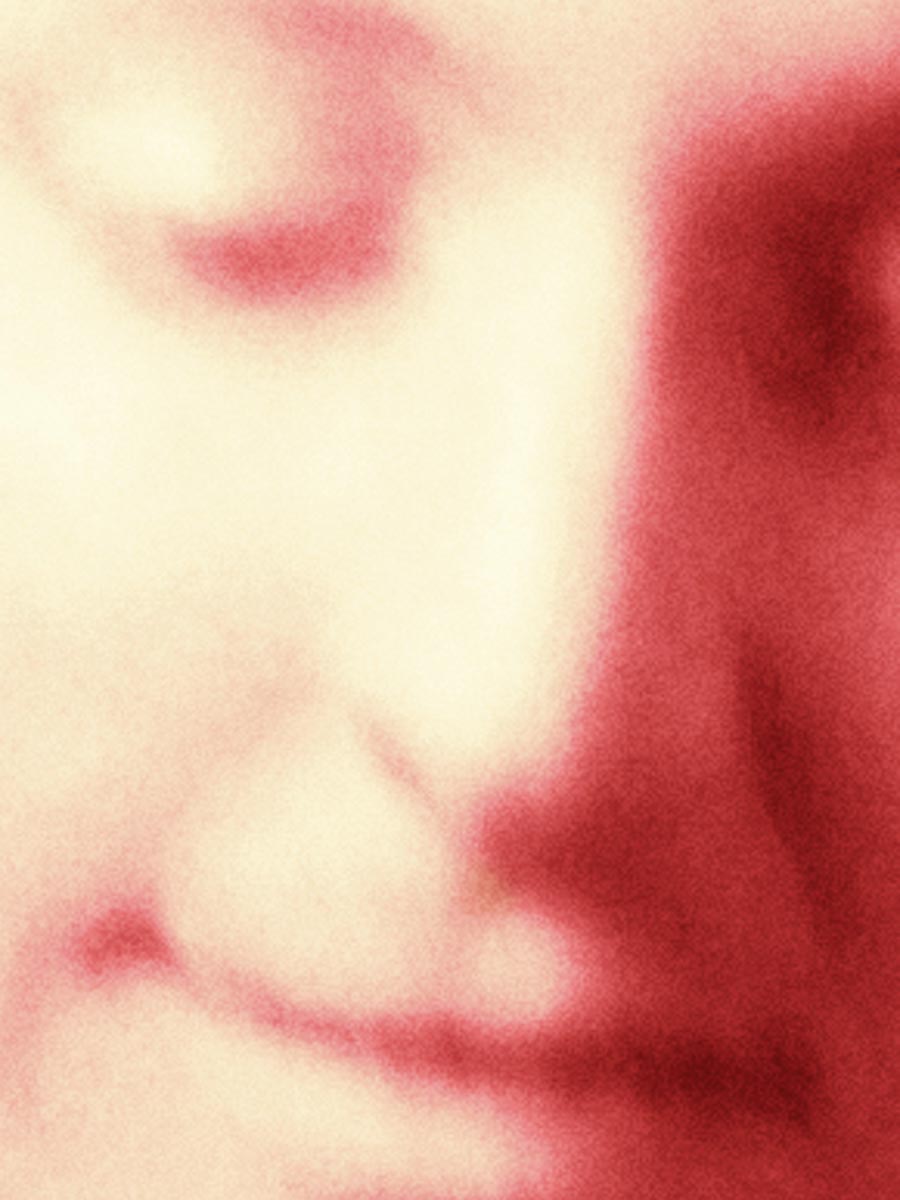
How do you find time to generate and execute a personal project? Lourcey, who has done several (including one that led to an Emmy Award-winning local news segment), shares his insights and advice on the podcast.
Keep yourself accountable. Before starting his projects, Lourcey always announces them on social media. For example, with “40 at 40,” he shared his plan with friends, “so it was pressure, like, ‘Oh yeah, I’ve got to do it because I don’t want Monday to roll by and then people are texting me going, ‘Hey, what happened?’” he says. “So that was kind of a way to force me to do it.” Lourcey does not typically work on weekends but since this was not true work, he often made his portraits on Sundays.
Create structure around your work. “It feels like less structure is more freedom,” he explains to Miller, “but [less structure] actually makes things more difficult.” For example, you don’t want to announce you’re doing a project about dogs, as that is too broad. Putting descriptions around what you are photographing—an adult male doing manual labor wearing red versus “a person”—gives you a theme and a lane to stay in.
One of Lourcey’s favorite and most compelling projects was “One Thing.” The concept was, if your house is on fire and all pets and people were safe and you could save just one object, what would it be? He invited participants to bring their object to a photo session and, using the same setup for each, created portraits of the person with their object (see gallery, below). Then each person wrote the story about their object, which he posted along with the portraits. “It really showed you the power of storytelling and images,” he recalls.
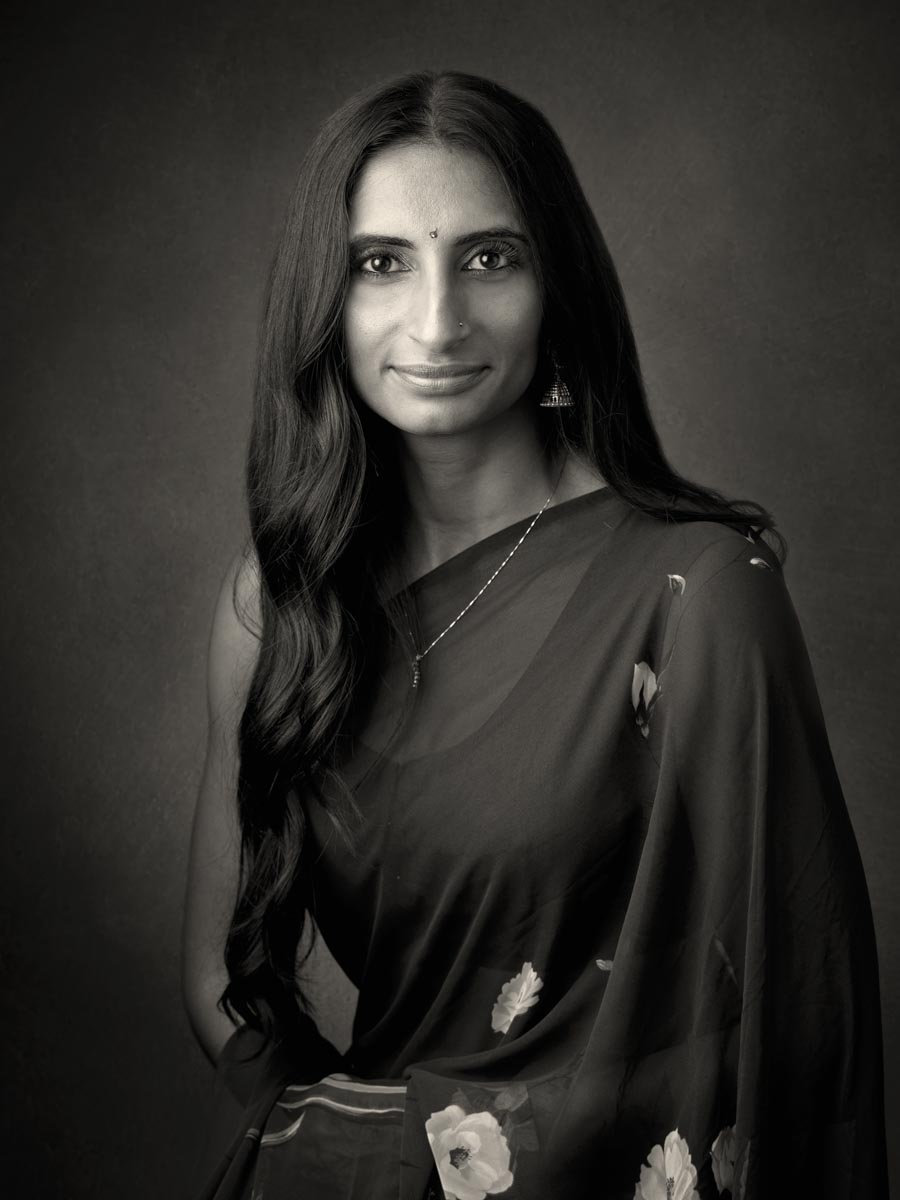 View Gallery
The power was magnified when a local TV news crew brought Lourcey a subject: a woman named Marsha who had lost her 20-year-old daughter, Neah, in a house fire. In her portrait, Marsha clutches her daughter’s beloved fiddle. “I had been doing this whole project about what’s the one thing you would save in the event of a fire, and hers was, what’s the one thing you have left after a fire?” Lourcey says. The story of his and Marsha’s moving photo session won the news crew an Emmy, and a producer gave one to Lourcey, which he has in his studio.
Without this specific project, he explains, “I would have never met her. I would have never been a part of that. It’s one of the most memorable sessions I’ve ever done in my life. And it’s not like she’s a celebrity or some powerful business owner or politician or something. It’s just a person. And it just shows how just any person could have some sort of an amazing story, and finding it is the fun part.”
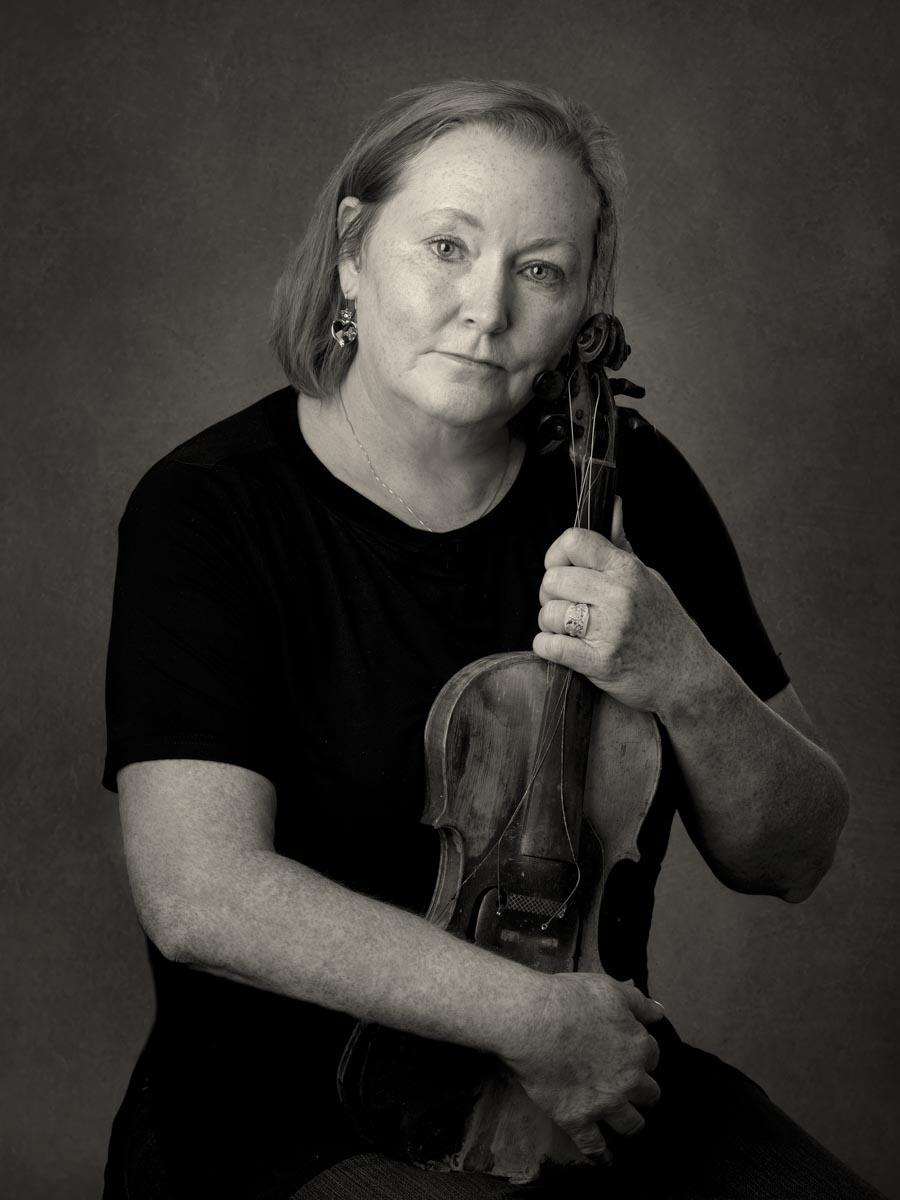
Know when to move on. After photographing Marsha, Lourcey made his own “One Thing” portrait and then recognized the project’s natural end. “It could have become a lifetime project, but I decided that was it after hers,” he says. “Everything else kind of seemed silly.” While you can recognize the end for some projects, some might not even take off, and that is OK too. For example, Lourcey started a project photographing local artists in their studios. He had one artist sign up and realized after a month that it was not meant to be.
Use your project to improve your skills. Personal projects help you tackle creative and/or technical challenges. His self-portrait project was a creative challenge because he had to come up with ideas. His “Off the Record” project, where he recreated iconic album covers with regular people, was technical. For this concept, photo subjects picked their favorite iconic album covers and came dressed appropriately, and a local hair and makeup artist at the session would complete the look. Lourcey, then, had to determine how the original image was created. “The challenge for me was looking at it, the lighting: Is it hard light, is it soft light, what direction is it coming from, are there kickers or no? So many things like that,” he says. “It was way harder than I thought it would be, but also a great learning experience to look at an image.”
Personal projects are meant to elevate you as a professional, particularly if you choose one in which you can practice skills, he adds. “When I do stuff like that, I don’t do it with a financial gain in mind. I’m doing it just to make myself better,” Lourcey says. “The financial gain is the better I get, I think I will do better with my business, and I will create better images, and I will sell more images.”
Be prepared, and be prepared to pivot. Before Lourcey announced his self-portrait project, he mapped out about 20 concepts he wanted to photograph. “The minute I started [photographing], they just all started falling apart,” he recalls, so he would start with one idea, go back and forth on capture multiple times, and finally land on a variation of a different idea. His first self portrait was supposed to be a side-by-side version of the well-known Apple “Get a Mac” commercial campaign, with one image of him as “I’m a PC” and the other as “I’m a Mac.” He couldn’t quite get it right so he instead created one photo of himself wearing a Mac T-shirt and holding open a suit jacket like Superman. “It turned out great,” Lourcey says, and became his speaker portrait for years.
Be open to learning … from everything. Lourcey recalls a workshop he took by prestigious Finnish American photographer Arno Minkkinen, who at the end critiqued student work. Lourcey had brought images that did well in PPA critiques, yet “mine just got panned, and it was really deflating,” he recalls. “But I left there a different person. I went in thinking, ‘Man, there’s not really much for me to learn.’ And I walked out of it going, ‘Oh, my gosh, there’s so much more that I didn’t even know that I didn’t know.’ What I got out of it was not what I was expecting to get out of it at all, but it redirected me.”
When your lecture or workshop or personal project changes your perspective, it is worth it for your art and your business, he says. “I want to be a different person when I come out of it, or what’s the point of doing it?”
It can feel overwhelming to think you must come up with a perfect, bold idea, but that adds unnecessary pressure. “It’s easy to not start. The biggest thing is just jump in and start,” Lourcey says. “It doesn’t have to be complicated.” In fact, his “40 at 40” was based on a 52-year-old musician who had written a song every week for 52 weeks, he explains, so give yourself permission to use others’ ideas. “You never know when one is going to be a life-changing, this-is-the-thing-people-are-going-to-know-me-about type of a project, or if it’s just going to be kind of an exercise,” Lourcey says. “And there’s nothing wrong with it just being an exercise. But my advice would be pick something and go with it.”
Melanie Lasoff Levs is director of publications.