
Stories That Need Telling
Conservation and humanitarian photographers use their cameras to lend help
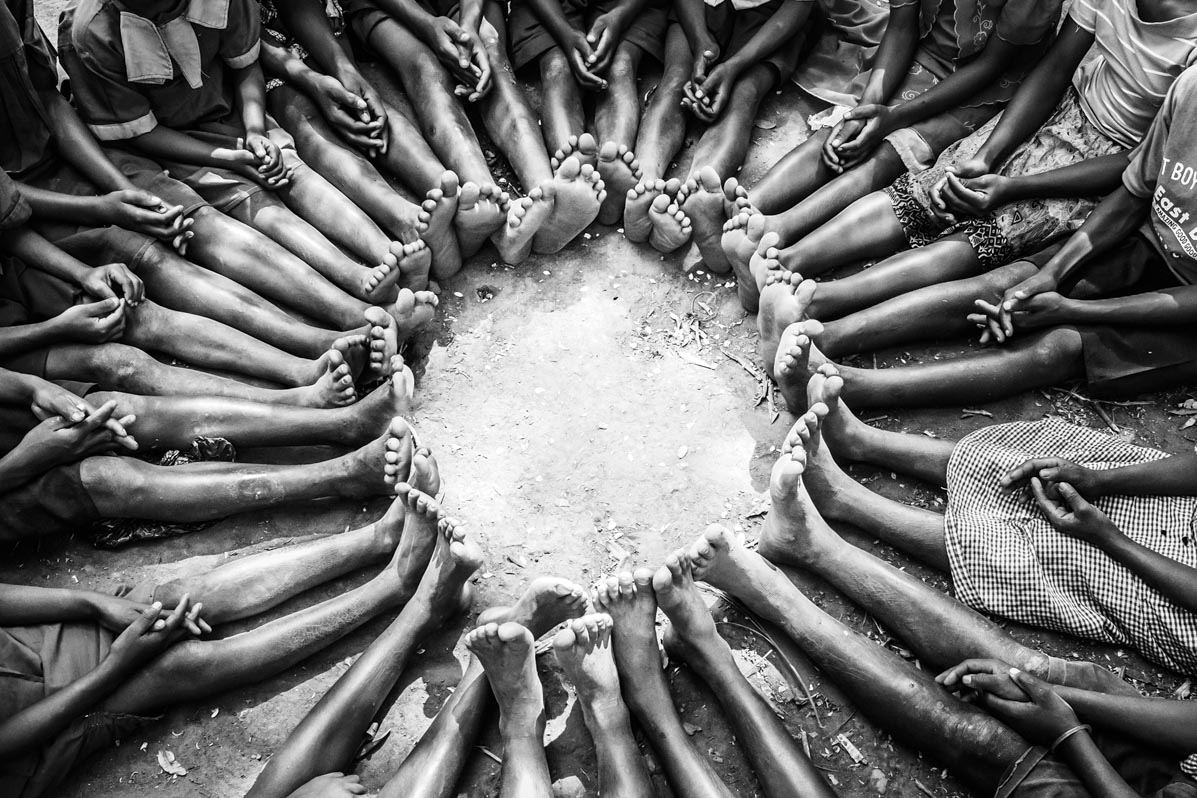
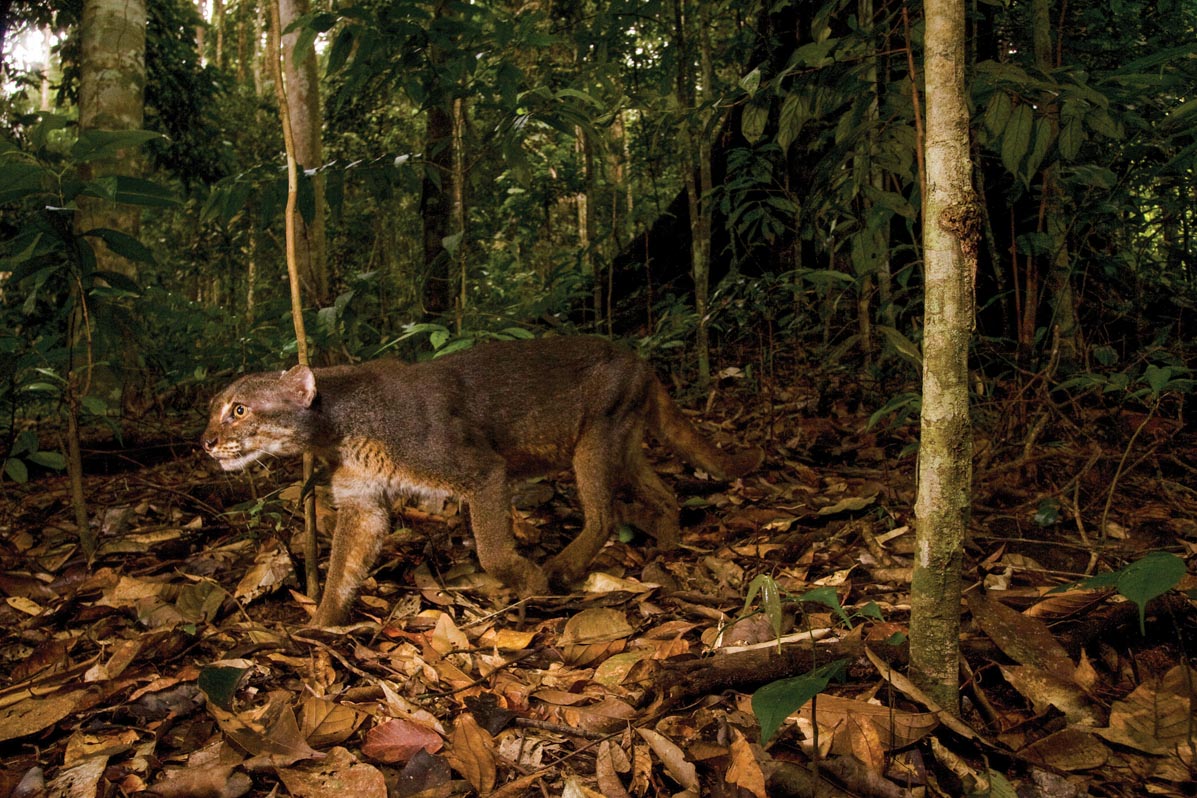
“The forest is tough in Malaysia,” says wildlife and conservation photographer Sebastian Kennerknecht, which seems increasingly like an understatement as he describes sleeping in a jungle hammock for a month to capture photographs of elusive wild cats. “It’s 90 degrees with 100% humidity outside of the hammock,” he explains. “Inside the hammock, you can add another five degrees.” There were bugs everywhere, he says, recounting his wounds: two wasp stings, 20 honeybee stings, over 100 leech bites. He carried 20, 30, sometimes 60 pounds of camera trapping equipment up the mountain (“Cats are always up the mountain for some reason,” he chuckles) and lost 20-30 pounds of his own body weight in the process.
But this isn’t a job you do for luxury, money, or even notoriety. “You are suffering some; you’re scratching every mosquito bite you have,” says the Seattle-based Kennerknecht, who with his wife also owns and runs a photo safari business specializing in wild cats and whales. “But you do it because you love doing it. It’s a passion. I always feel like this is what I’ve been meant to do in this world—to help save cats—and photography is the tool that allows me to do it in the best way possible.”
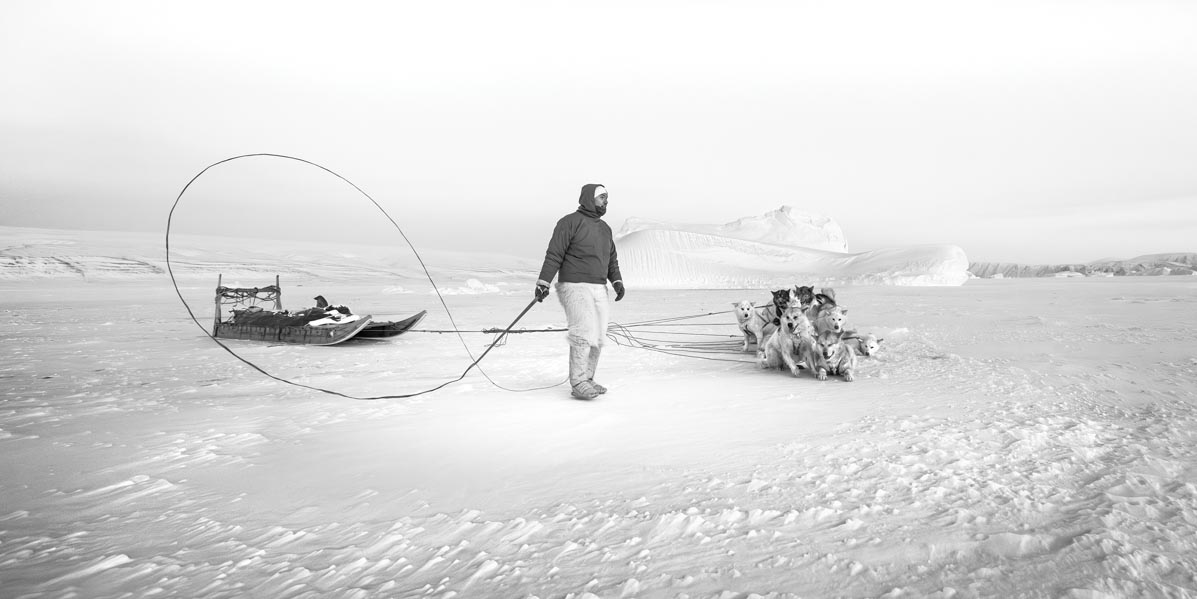
That feeling of being called to make a difference links humanitarian and conservation photographers like Kennerknecht around the world. Humanitarian and fine art photographer Marshall Foster felt pulled to leave his career as a tour manager in the music industry to photograph in Africa with non-governmental organizations (NGOs). Talor Stone, a Las Vegas-based photographer, booked a backpacking trip to Greenland one night when she couldn’t sleep and is now researching her Ph.D., which includes making photographs of an indigenous hunting community in Northern Greenland, while also pursuing other conservation photography projects. These types of photographers specialize in raising awareness of and funds for issues such as climate change and animal conservation, and humanitarian causes such as natural disasters, hunger relief, and worldwide poverty. Each of these globe-trotting professionals takes not only their image making seriously but the causes they represent, and stops at virtually nothing to document their best work.
Conservation photography “wasn’t my original plan,” says Stone. “I just loved photography and I loved travel, and I really wanted to just pursue photography for the sake of visual art.” But about five years ago, that pursuit began to feel hollow. “I wasn’t particularly motivated by chasing sunsets and I wanted to find something with a little bit more meaning,” she says. “Conservation photography felt like a natural fit” that also dovetailed nicely into her Ph.D. research. “What better way to communicate a story than through visual storytelling?”
DON’T WAIT TO BE TAPPED
Launching and sustaining this type of photography business requires endless hustle. When Foster first started his career 12 years ago, he spent six months in Uganda and Kenya with 10 or 11 different NGOs. To pay his bills and fund his humanitarian photography trips, he initially worked in wedding and event photography, and even as a chauffeur. At first, he recalls, he averaged about 10% humanitarian photography work and 90% other work. Over time, the humanitarian photography work increased to 40% and eventually to full-time. Today, he spends about half the year on the road pursuing humanitarian photography projects. He plans for his future assignments when he is home in Austin, Texas.
Foster recommends maintaining multiple websites dedicated to each niche of photography you offer, including humanitarian. “Clients want specialists,” he notes, so having separate websites communicates that you’re a specialist. He also recommends going to the specific location you’re interested in photographing, whether that’s a disaster area after a hurricane or wildfire, or a region with multiple NGOs. Most organizations don’t have the money to pay for photographers’ travel, he explains. “If there’s a story you want to tell, save up enough money and go do that,” Foster advises.
NAVIGATE THE COSTS
Funding conservation and humanitarian photography projects can be difficult, but there are ways to navigate it. Stone funds her projects by leading travel photography trips with Muench Workshops. She usually leads 10 guided trips a year and uses some of her earnings to fund personal projects related to conservation.
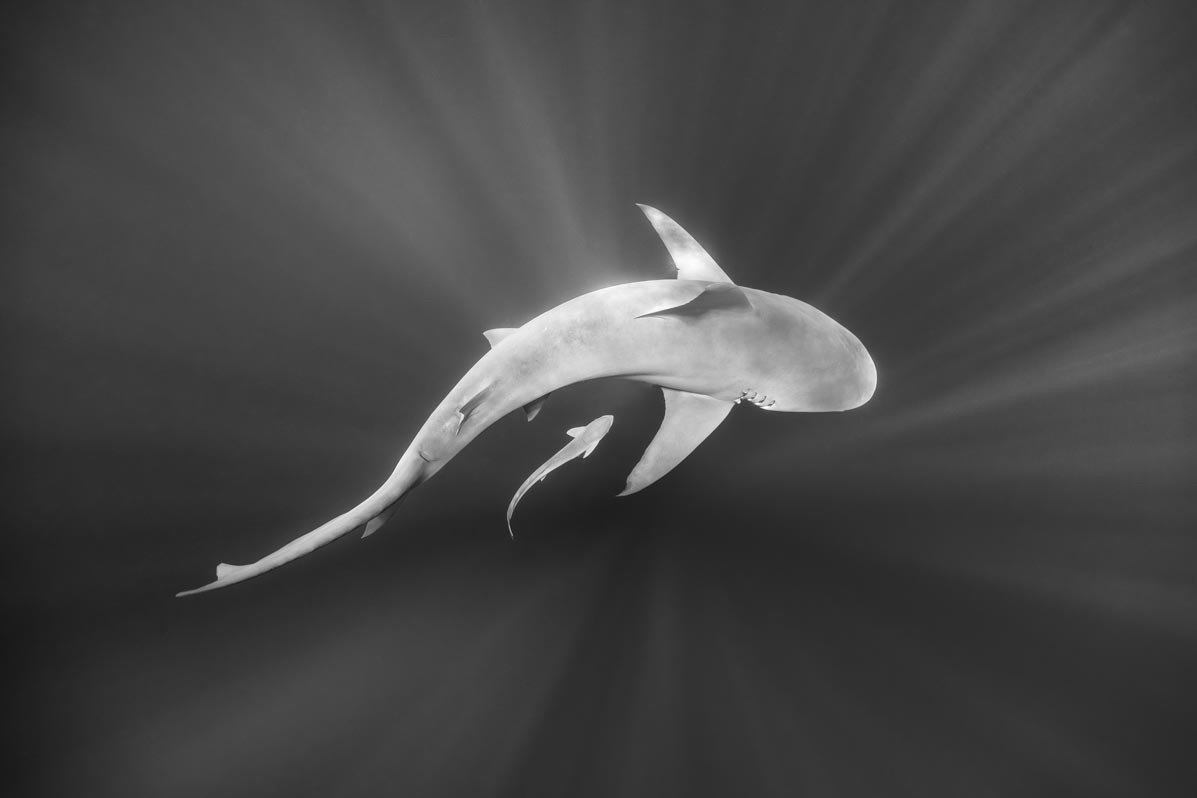
For example, recently, she was in Florida to photograph bull sharks, who are attracted to the electronics inside a camera. “If they can get your camera in their mouth, they are going to do that,” she says, adding that she captured some “pretty crazy” photos of the animals a mere 6 inches from her. “I mean you have to, like, push them off of you sometimes with your hands.” Because she was so close to the sharks, she could see that almost all of them had fishing hooks attached to them and other damage to their bodies from catch-and-release sport fishing. “They’re pretty badly injured,” she says. “I think most people who are sport fishing, they don’t understand the impact of that activity.” She is now documenting those wounds through images, to draw attention to the issue.
When Kennerknecht works with conservation and research organizations for wild cats, he says they set the financial pace by saying, “Here’s the amount of money we’ll give you; however much you spend, you spend, and however much you don’t spend, you keep as your salary,’” he explains. His goal is to put 80% of that money toward his work—for things like accommodations, transportation, food—and 20% toward his salary. He’s also supplemented that funding through donors and sponsorships by reaching out to marketing, communications, or outreach departments of companies that align with his work.
 View Gallery
PUT ON YOUR PLANNING CAP
Orchestrating trips requires extensive long-term planning. “I plan a year or two in advance for different shoots, figuring out what timelines work best for the field work,” says Kennerknecht, who teams up with scientists, conservationists, and anti-poaching organizations with a focus on wild cat populations. When lining up projects, he first considers which environmental issues he believes need highlighting. “Let’s say that’s tiger poaching in Thailand, for example,” he says. He would then contact leaders in organizations addressing that issue to see when they’ll be in the field and whether he can tag along. Once they allow him to join the team, he determines logistics: Is he bringing his own food? What is the water situation? How does he charge his batteries? What’s electricity like, etc. “All that stuff,” Kennerknecht says, “we talk about for months at a time.”
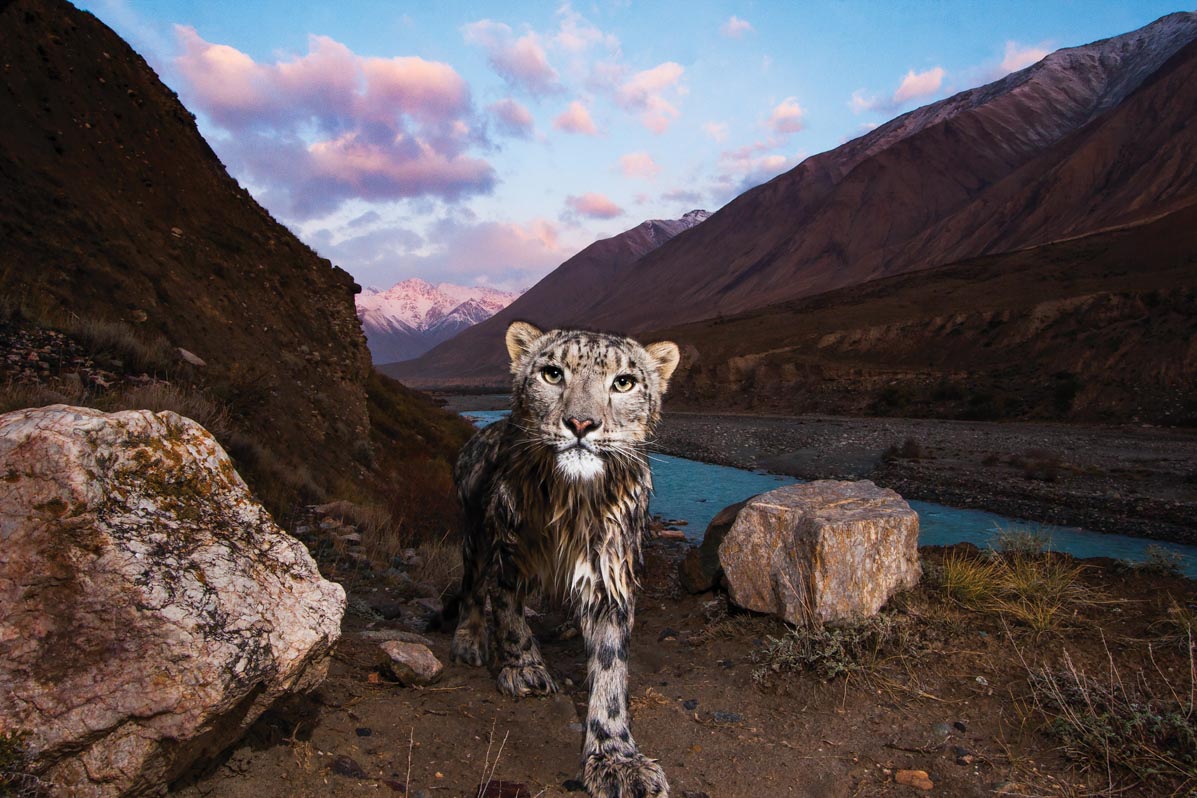
His specialty is using high-resolution SLR camera trapping equipment to capture images of elusive wild cat species, some of which have never been photographed before. So, in addition to photographing researchers and conservationists at work, he spends weeks setting up, adjusting, and checking camera traps to capture sometimes just one image of the wild cat the team is trying to protect. Because the cats are so hard to capture on camera, “Generally, my assignment length at a minimum is a month long,” he says. “But I’ve gone anywhere from four weeks to three months. Three and a half months has been my longest assignment.”
 View Gallery
TELL THE STORY WELL
One of the biggest challenges in conservation photography, says Stone, is “figuring out how to get someone to care about something that you care about.” It’s easy to elicit sympathy for a cuddly polar bear but harder to “get someone to make a nuanced connection between inanimate objects—for example, the relationship between fog and icebergs, or a relationship between a particular river and a valley,” she says. “It can feel at times like you are screaming into a void.” That’s why she is thoughtful about creating more with her projects than a simple gallery of images, “merging still photography with text and with audio and video so that someone can transition from just looking at something to also experiencing it in an immersive way,” she says. “I find that really important for education.”
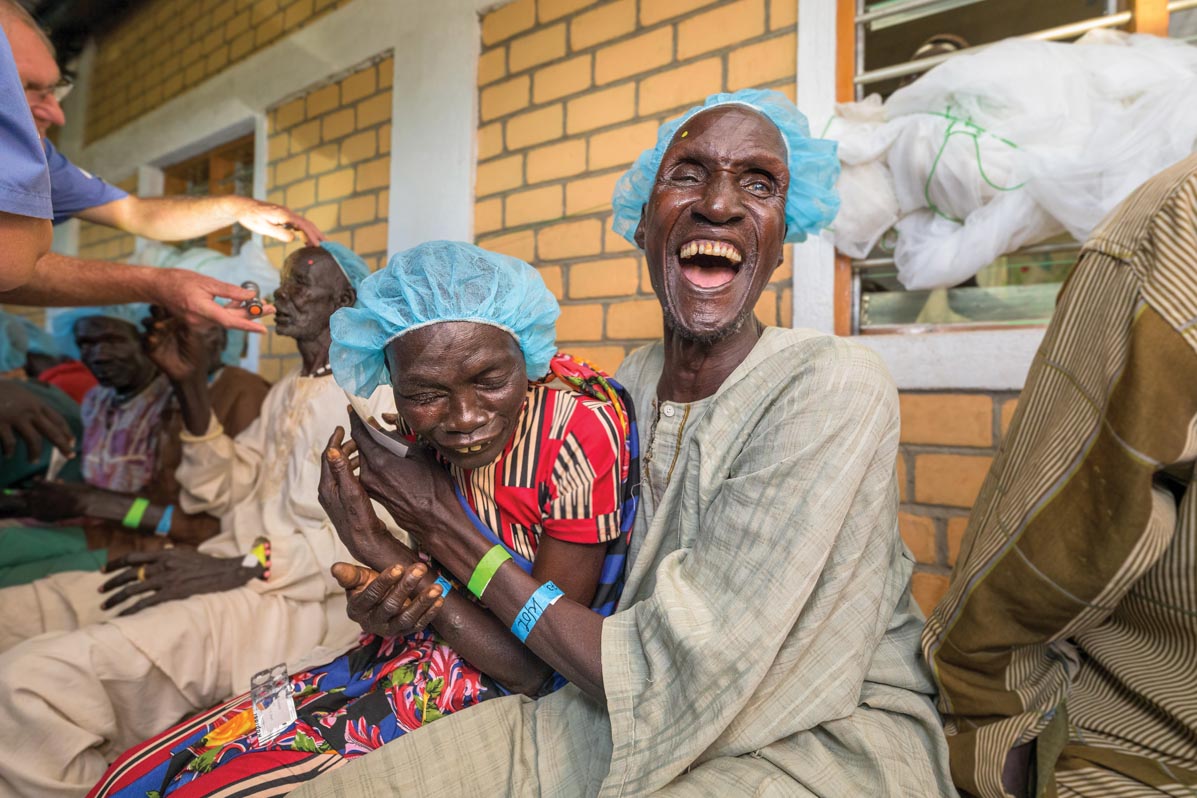
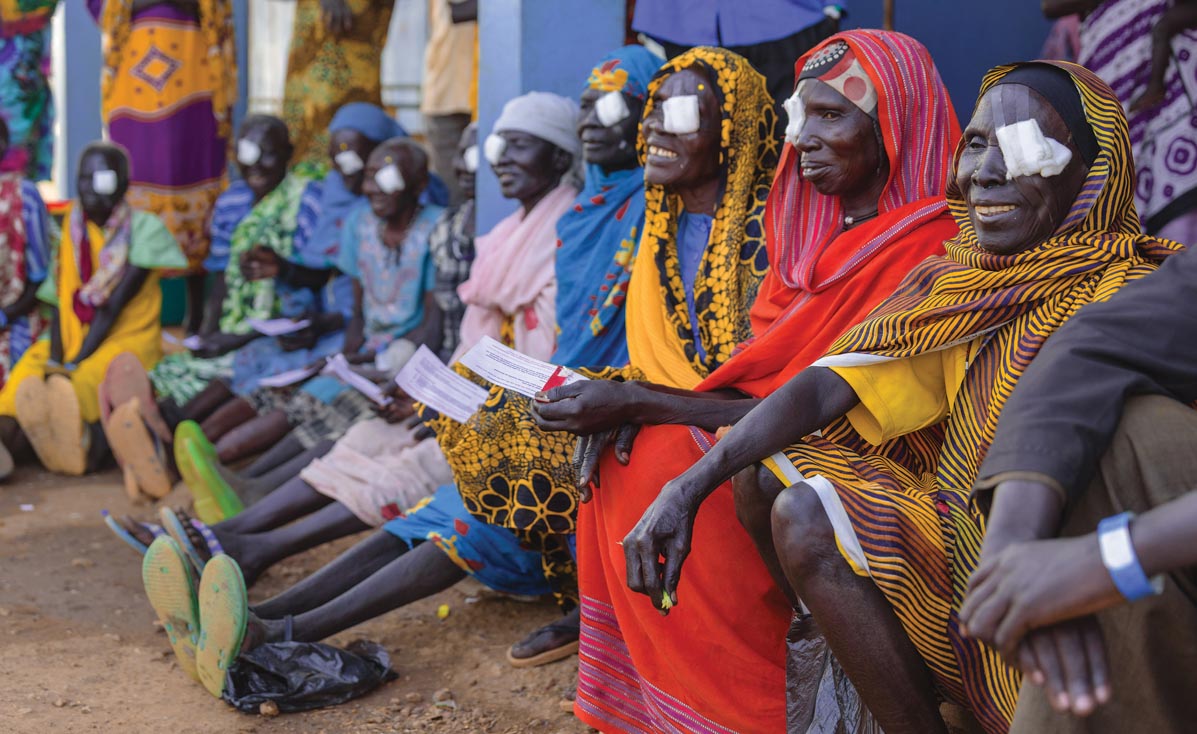
For Foster’s humanitarian photography with NGOs that depicts disaster relief, livelihood programs, and medical procedures, it’s all about the human connection. “Oftentimes, I don’t even bring my camera when I’m first meeting somebody, because I just want to get to know them,” he says, adding that he introduces himself to the potential subjects and builds relationships. Once he’s established a rapport, he’ll ask permission to tell their story through his lens.
He compares his work to photographing a flower 30 feet away. “Sure, you could take a zoom lens and zoom in on that flower and take a photo of it. Or you could walk up to that flower and see the details. You can smell the fragrance, and you can really take it in,” he says. “I think people are the same way. You have to get close because that’s where the trust comes from. That’s where the story is going to come down. And that story is the most important thing.”
Amanda Arnold is a senior editor.
Tags: documentary photography landscape photography nature photography wildlife photography