
It’s 8 a.m. Mountain Time, and Denver-based Jonny Edward is ready for his Zoom interview, showing up onscreen in a smart top hat and jacket, dramatically lit in front of a small canvas backdrop. No wonder he produces such stunning images on the other side of the camera, using the interplay of light and shadow to craft visually dynamic narratives that celebrate his subjects’ individuality. Aside from his own photography work, Edward shares both his technical prowess and artistic approach with fellow photographers through his Jonny Edward Creative Academy and other workshops. This conversation has been edited for length and clarity.
Mark Edward Harris: You describe your approach as visual storytelling. Can you elaborate?
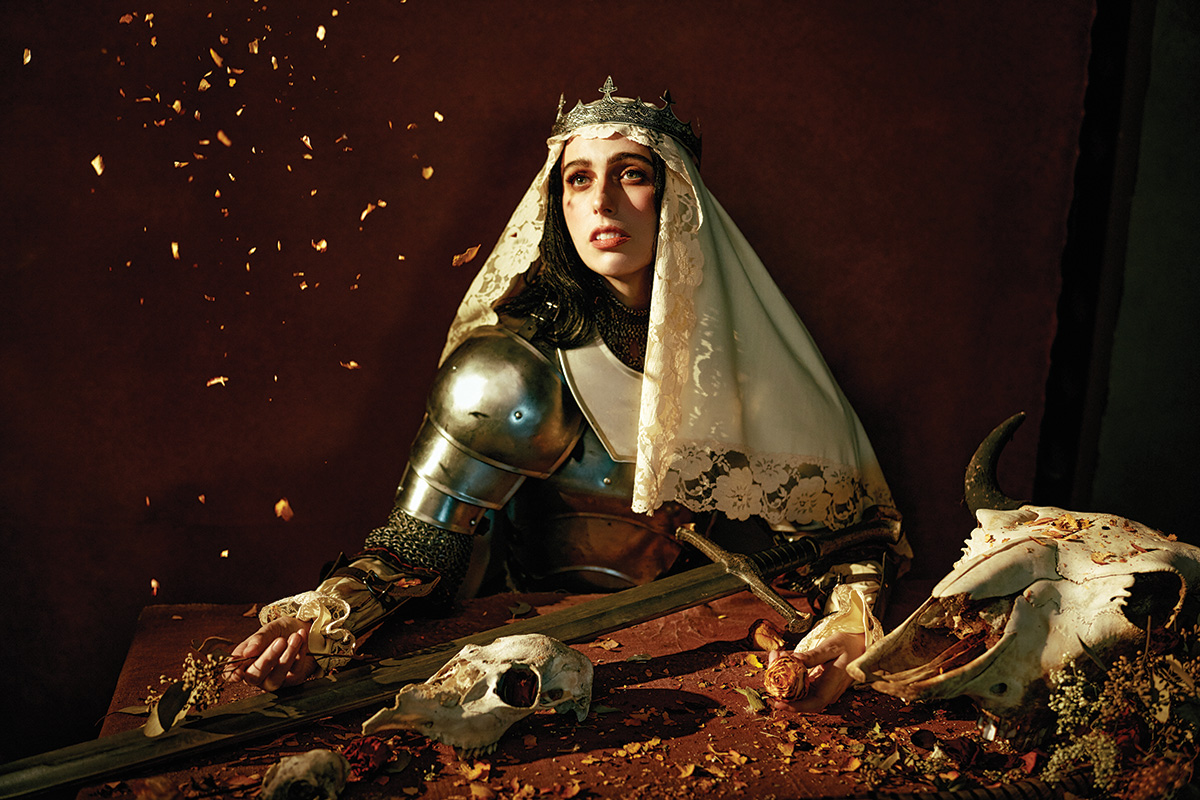
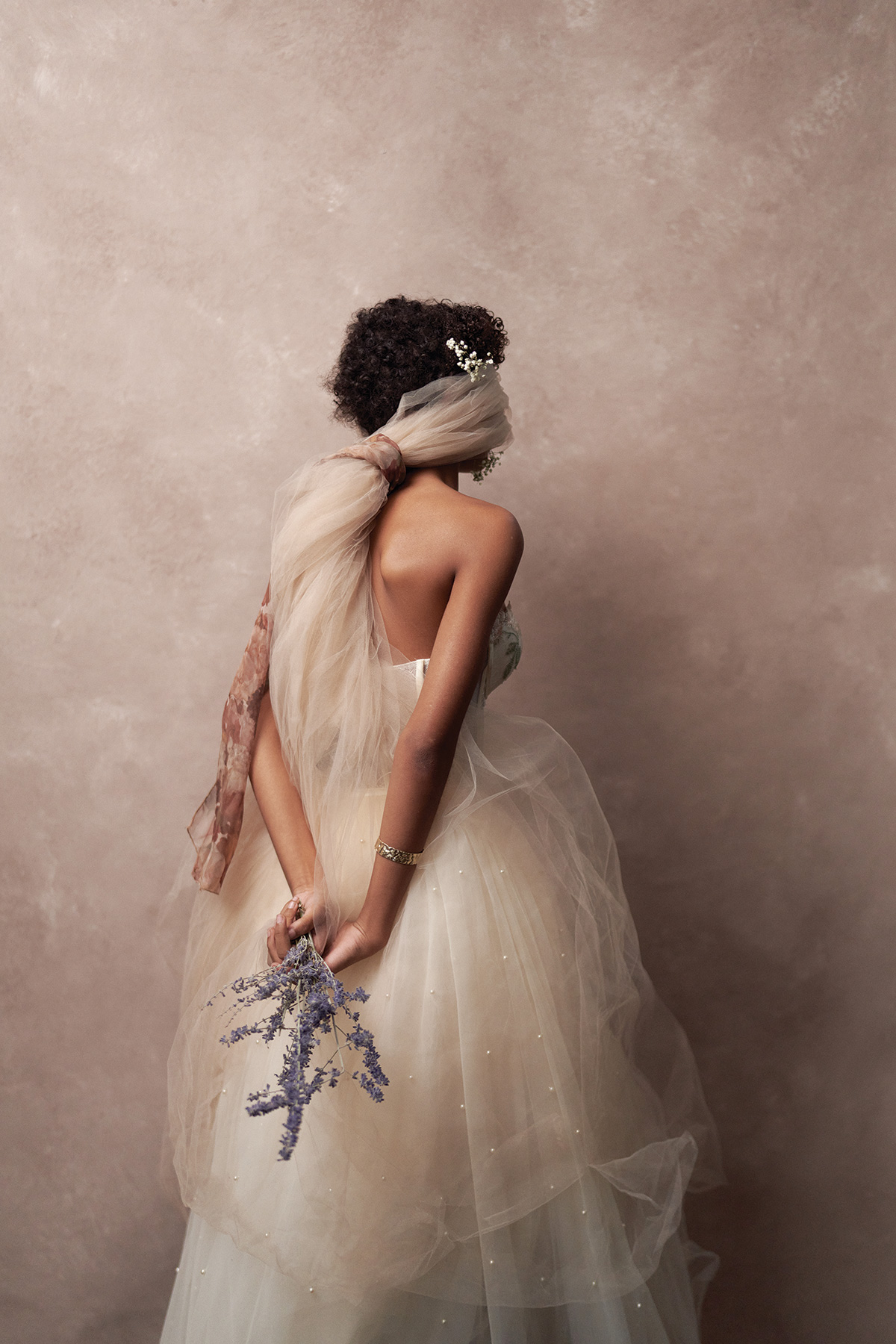
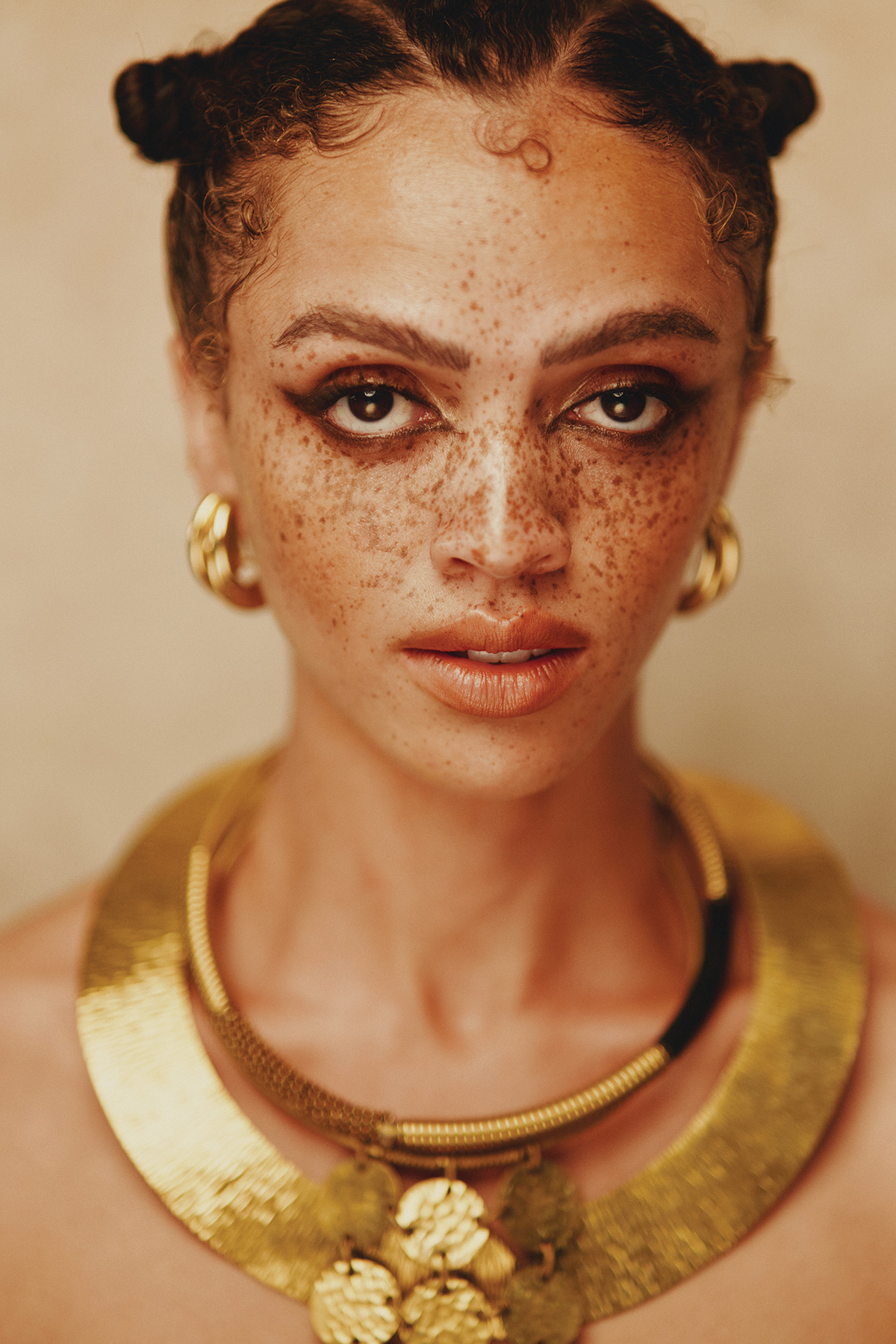
Jonny Edward: I have an academic background, toeing the line between being very analytical and very creative. To be my best creative self, I have to rein in the analytical side. I realized when I was referring to myself as just a photographer or a portrait photographer, I felt very constrained by the arbitrary rules and technical considerations of our medium. Once I started referring to myself as a visual storyteller, more as an artist, more as an art director, I felt unbridled. Of course all those constraints that I was placing on myself were self-imposed. I could let go and think, All right, I’m going to experiment. I’m going to play with focal lengths. I’m going to play with aperture. I’m going to play with more shadows. I’m going to sometimes combine words with my photographs—something I was told I’m not supposed to do.
MEH: Are you making the creative backgrounds you work with?
JE: I wish I could say that I was. They’re from all over the place, including Hand Painted Backdrops out of the UK and Gravity Backdrops, and others from artists around the world. They’ve become part and parcel for my style. When I first started getting into studio work, I was at a shared studio space called Raw Photographic here in Denver, and one of the owners had two random canvases in the studio, and I was working on a cyc wall doing the traditional type of stuff. Then one day I worked with one of the backdrops and thought, Oh, this lends a bit of classicism and some texture and takes the sterility out of studio work. I realized that working with backdrops made the set feel more like a physical space versus an empty room with a white wall and a bunch of lights. Over time it became an obsession.
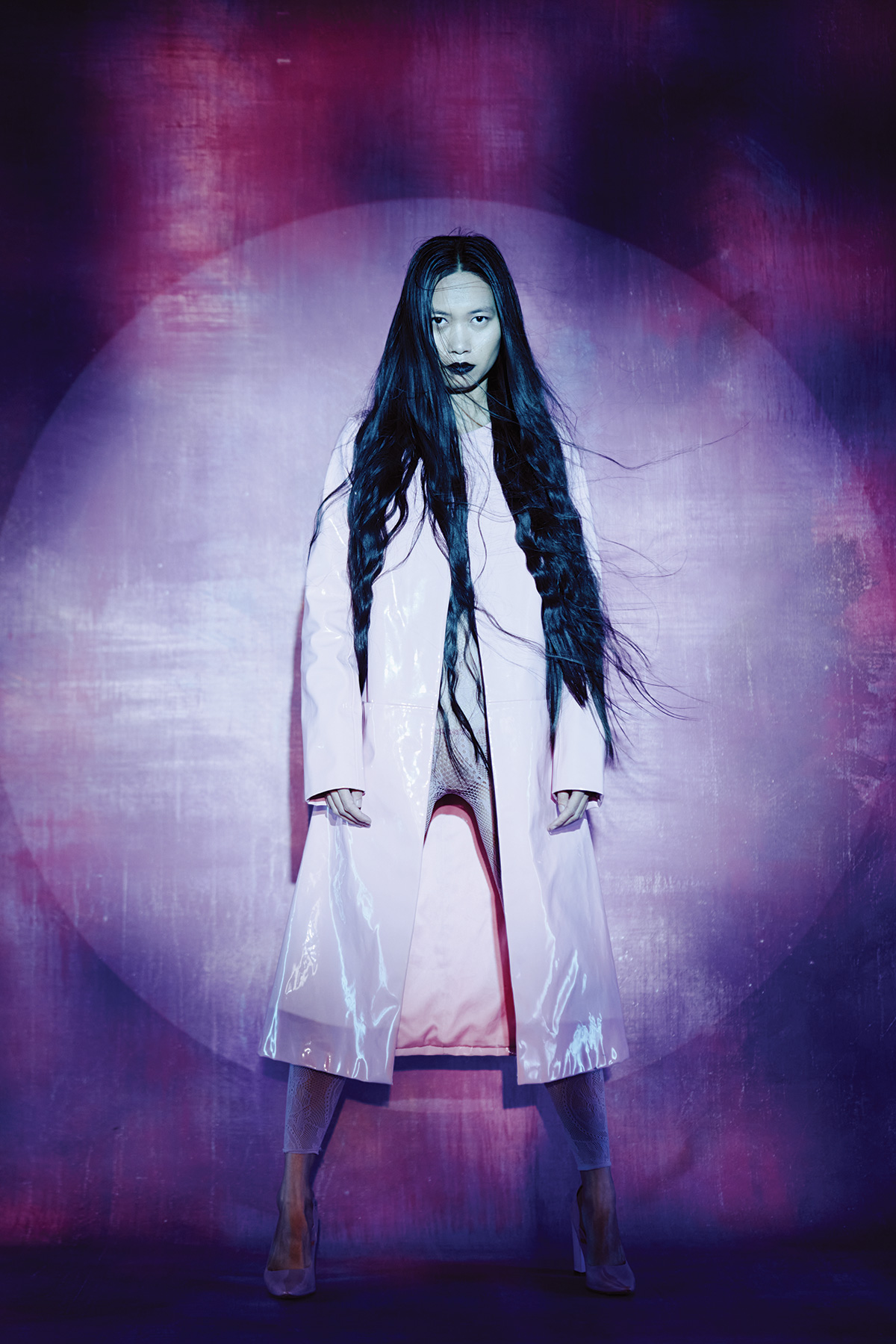
MEH: What type of lights do you work with?
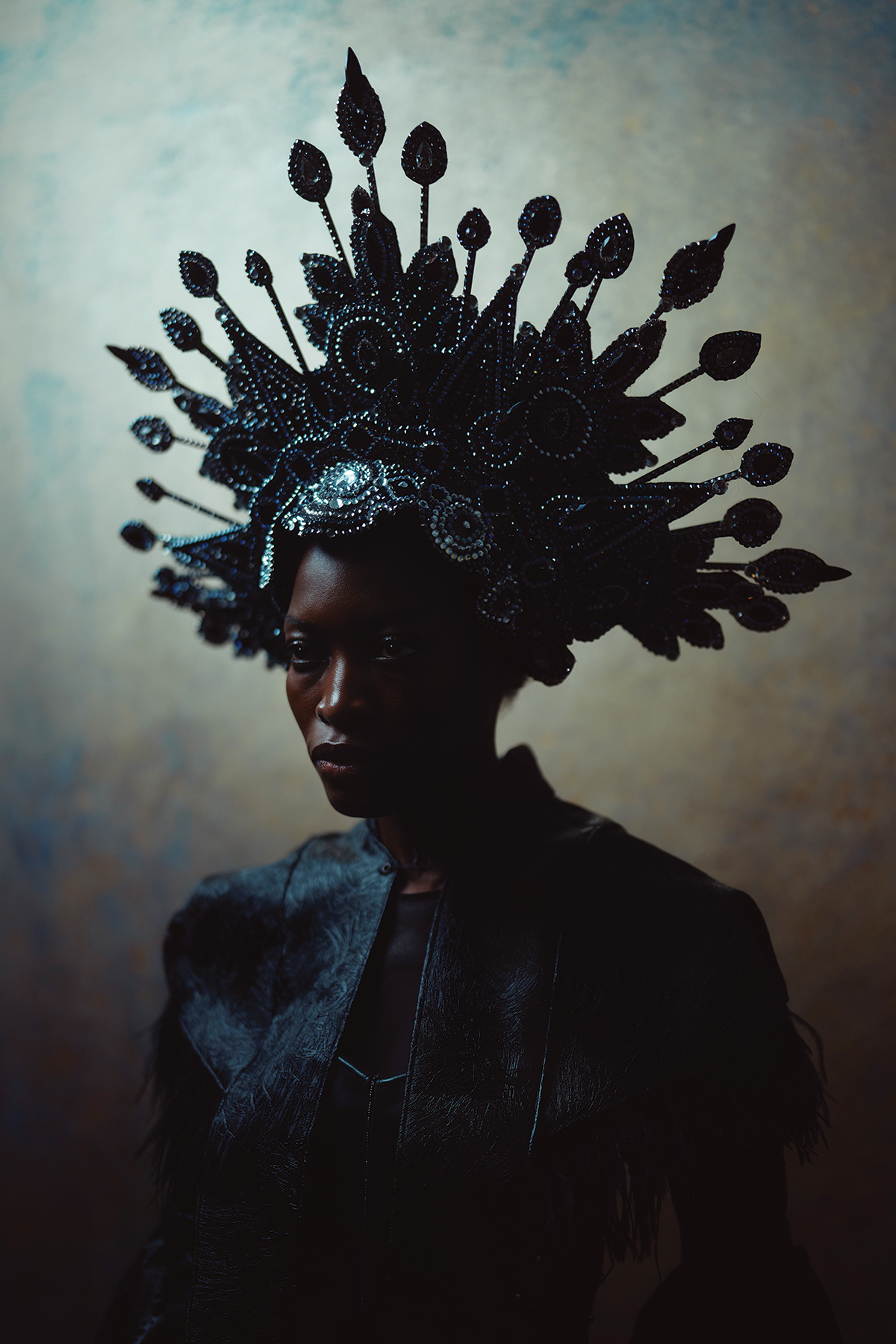
JE: I work with lights ranging from old tungsten stage lights to LEDs and strobes and often intermingle them. I still use strobes for a lot of my commercial work or if I’m trying to freeze motion. When I started getting into teaching, I realized that being able to explain concepts with constant lights was a better way to go. People can see changes happening in real time; it’s a lot easier for them to grasp conceptually things like fill and shadow control. Also, people who are not actors or models tend to be more comfortable with a constant light setup because they get adjusted to the light. If someone is not comfortable in front of the camera, and then a strobe goes off, you keep losing whatever connection and rapport you’re building with them. Of course, the LEDs now are insane with their power and color temperature controls.
MEH: How do you choose how to light your images?
JE: Most of the color grading I do happens in camera. So between the skin tone of the individual and the wardrobe and the background, my multiple light setups often have varying color temperatures, with my fill light being probably 800 degrees warmer than my key light to warm up the shadows in the scene relative to everything else. Most of my inspiration for lighting comes from cinema, especially the way directors of photography work with motivated lighting. Within a scene, they often layer light to create a sense of depth, emotion, and texture.
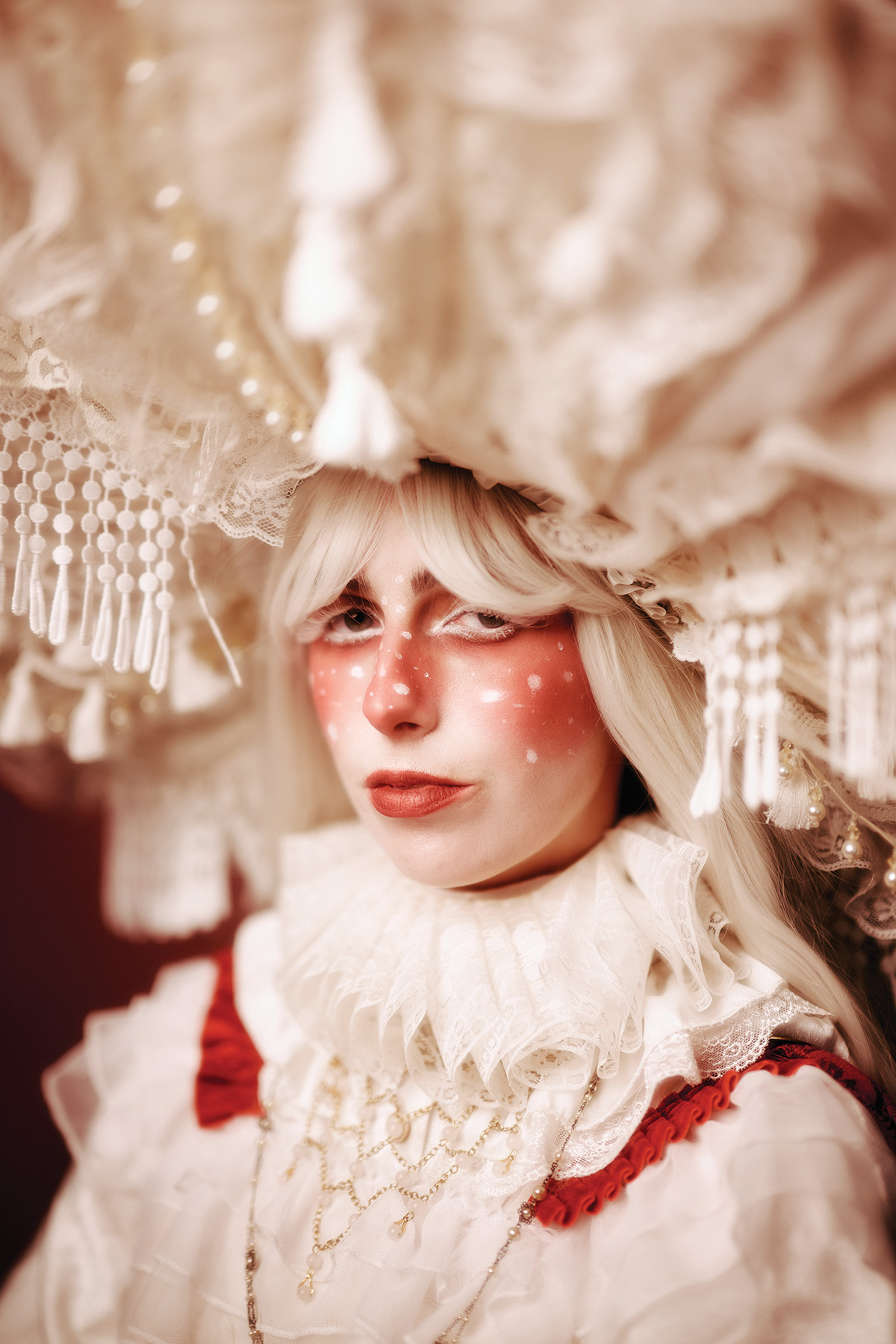
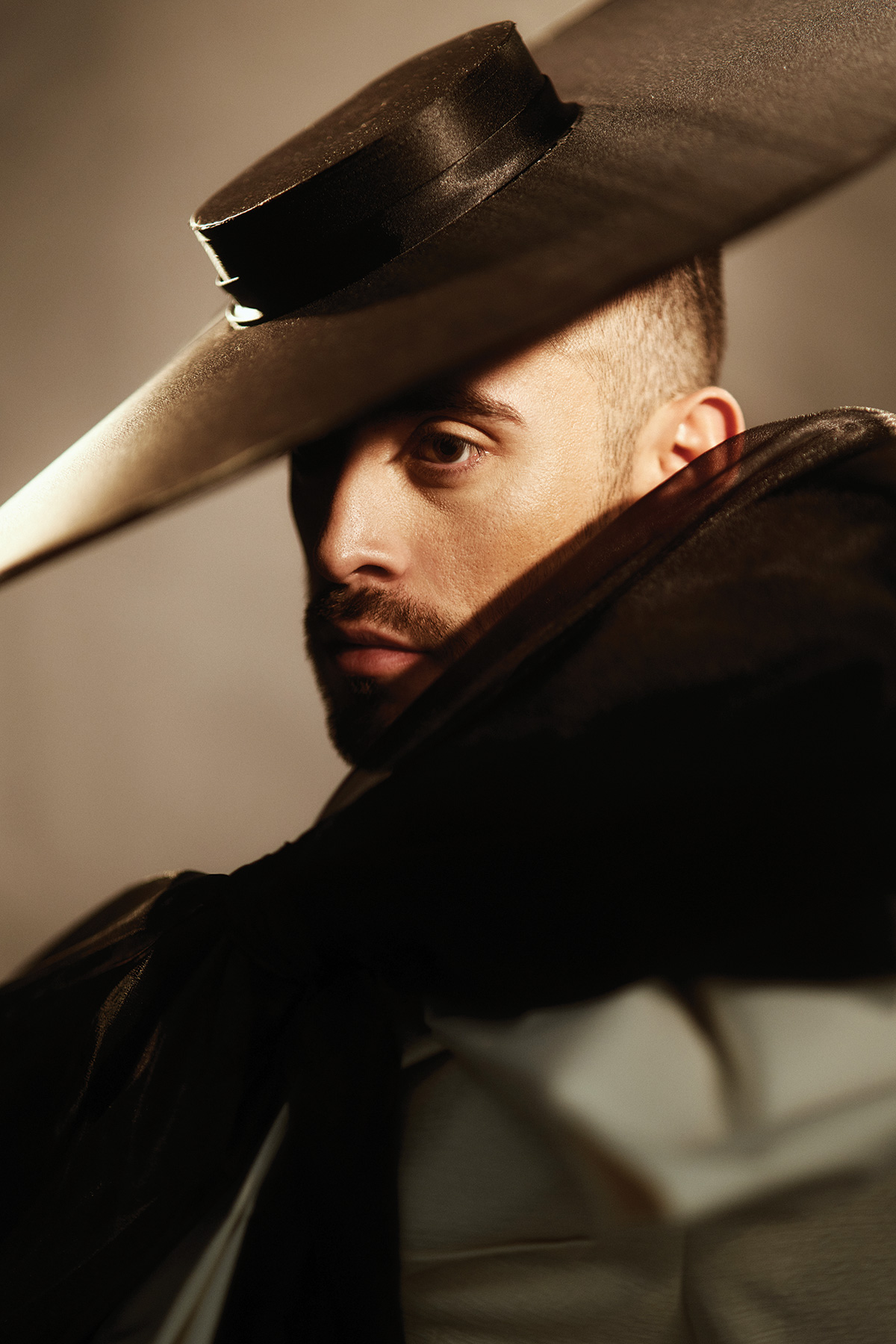
MEH: One of your latest educational offerings is called “Beyond the Portrait.” Can you describe the class?
JE: It’s not solely technically focused. There’s nothing wrong with that approach where you bring people in and you meter lights and give them formulas and ratios. [But] I don’t want people to walk out of my studio with its 15-foot ceilings and then get to their studio, where they only have 10-foot ceilings and less square feet, and not understand the way the light will react in their space. I want them to be able to see light and see shadow in a more fundamental way and also to get in touch with themselves as artists. [It is] a time where we play with lights and sets and canvases, and photograph some really incredible people. And to connect with the people in front of our camera, we have to first connect with ourselves. It’s returning to the foundation. I want people to be excited to pick their camera up again.
MEH: What camera equipment do you use these days?
JE: A Sony Alpa 7R IV and Sony Alpha 7 IV; the former has a SmallRig L Bracket, and the latter a SmallRig Camera Cage, for when I do video work. As for lenses, I have Viltrox AF 16mm F1.8, 35mm F1.2 LAB, 85mm F1.4, 135mm F1.8 LAB lenses and a host of vintage glass from Minolta and Pentax adapted to the Sony FE. I use Vaxis VFX black mist and pro mist extensively in varying strengths. They have a magnetic system that’s efficient and effective. The bag that houses everything is the Nomatic McKinnon 35L. I like working with primes, and I do like shooting them closer to wide open because of the rendering that it gives me. I always want the person who’s viewing my photo to feel like they’re present with the person who’s in the photo. I’m also very driven by cinematography, films like “The Revenant,” and anything where there’s that level of overt intimacy that comes with some of that distortion.
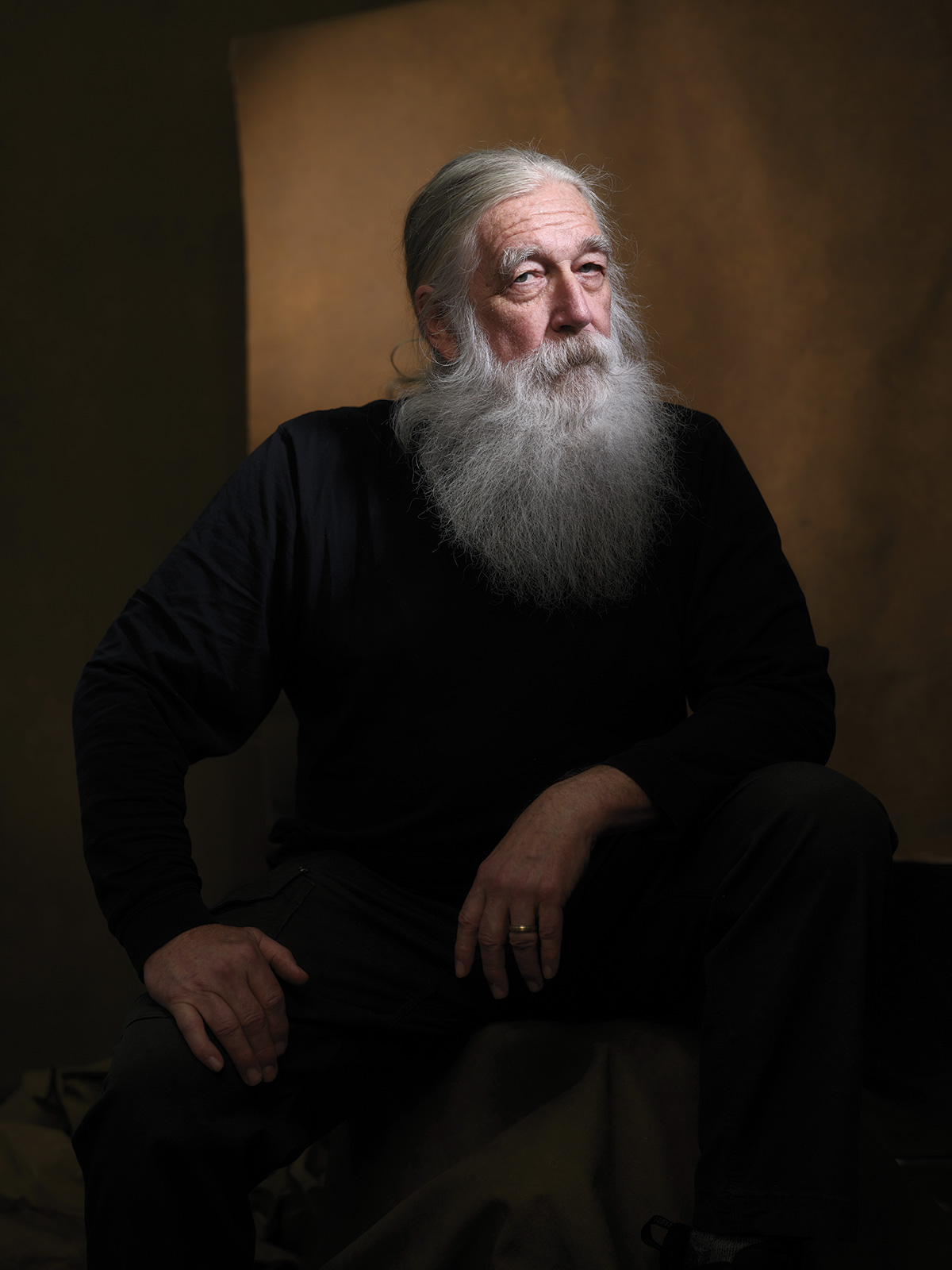
MEH: What initially sparked your interest in photography?
JE: I had a pretty checkered, troubled childhood. There was a lot of trauma, a lot of abuse. We moved around a lot. Fortuitously I was gifted a Polaroid camera by someone in my family and started collecting Polaroids of my experiences and keeping them in a shoebox that became a source of stability and security for me. I could take those memories with me wherever I went. Oddly enough, I got away from photography and became a multi-sport athlete in high school, and then studied biochemistry and electrical engineering in college with the plan of going into medicine or biomedical engineering. I’ve lived a ton of different lives. I had a masonry business. I had a tree removal business. I worked in the digital marketing sector. I’ve done this Renaissance person thing throughout my life, just looking for something significant and never really found it before photography.
MEH: How did it become your career?
JE: About a decade ago, I was in a pretty rough place dealing with a lot of depression and self-loathing and hadn’t left my apartment in four or five weeks. I cannot say with any certainty that I would still be here if it wasn’t for photography. There was a beautiful park across from my apartment called City Park, and there was this gorgeous sunset that I could see developing from my balcony. [I said to myself,] “All right, I’m going to do this. I’m going to go outside.” My little crop sensor camera, a Pentax K-3, was almost like armor for me. I went across to this park and sat down in the grass near this lake and watched this beautiful crimson red sunset. I took a photo of the scene and I distinctly remember looking at it and laughing and crying. It was this beautiful cathartic moment, because I had felt so trapped in my own skin and my own world for so long. I felt I could breathe for the first time in a long time, and never put the camera down again.
Mark Edward Harris is an award-winning writer and photographer based in Los Angeles.