
Solid Upgrade
The Canon EOS R6 Mark II offers features to satisfy both still and video photographers.
• July 2023 Issue
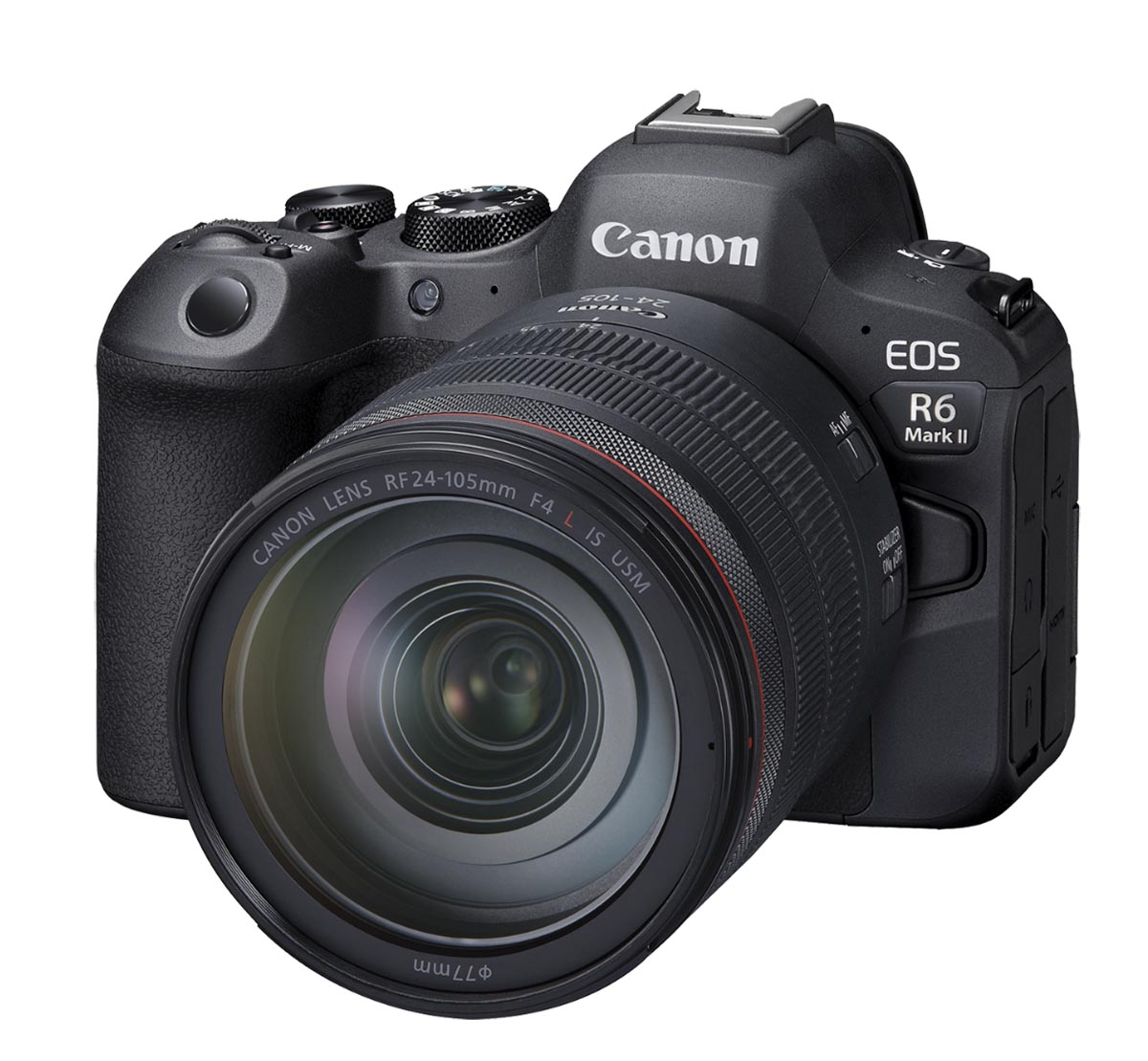
The new Canon EOS R6 Mark II full-frame mirrorless camera fits neatly into the company’s line as a highly capable tool. Similar to its predecessor, the mid-level EOS R6, it’s a solid performer that offers plenty of features to satisfy both still and video photographers.
KEY FEATURES
The EOS R6 Mark II’s new features include a slight resolution increase to a 24-megapixel sensor on par to others in its class. For action shooting, electronic shutter speeds are doubled to a maximum of 40 frames per second, while the mechanical shutter speed remains the same at a respectable 12 fps.
A special raw burst mode captures around half a second of images prior to the shutter being fully depressed. It’s a good option when you need to anticipate action in front of your lens so you don’t miss a shot. This mode stores all the images in a single CR3 file. Unfortunately, popular editing apps including Adobe Lightroom can’t read the combined file. Single raw or JPEG images can be extracted in camera or by using Canon’s free Digital Photography Professional software. In the end, it may add time to your workflow, but the prerecord feature is excellent for photographing unpredictable subjects such as wildlife.
Subject recognition now works with horses, trains, and planes. The EOS R6 Mark II feature set has been expanded to include focus stacking, high-frequency anti-flicker mode to account for environments with flickering light sources, such as fluorescents, and focus breathing compensation, which uses cropping to minimize the effect of focal length changes when the focus shifts during video.
The new model offers videographers additional benefits over the original EOS R6, such as limitless recording time, though how long you can record before the camera shuts down depends on a number of factors, including ambient temperature. Users can record up to 6K externally, and 4K up to 60 fps is no longer cropped.

Evaluative metering on an overcast day provided a well-balanced exposure while maintaining details in the highlights and shadows.
CAMERA BODY
Like its predecessor, the EOS R6 Mark II is solidly built with a comfortable grip. Combined with the Canon RF24-105mm F/4L IS USM lens, it’s a hefty kit for smaller hands at about 3 pounds total, but it’s easy to handle.
Canon EOS R6 users will feel at home with the new model’s control layout and dial positions with one exception. The on/off switch is located to the right of the mode dial instead of the camera’s left shoulder. That spot is occupied by a dial to toggle between stills and videos. Be prepared to retrain your muscle memory.
A multifunction accessory shoe, the AD-E1 for $40, is available for the R6 Mark II. It provides additional connectivity options for audio devices and advanced strobes such as the new Canon Speedlite EL-5. The camera supports USB-C, headphone jack, and HDMI-out. The latter uses micro-HDMI, which is not as sturdy as full HDMI cables, so extra care is needed to avoid damaging the connector.
Dual UHS-II SD card slots rather than a CFe and SD was a bit of a surprise. But overall burst performance didn’t seem to suffer because of the relatively slower SD cards. Videographers shooting extensive 6K video might have different results.

The Canon EOS R6 Mark II deftly captures the details and texture of fur.
PERFORMANCE
Overall responsiveness is excellent. From autofocus and tracking to burst modes, the Canon EOS R6 Mark II didn’t disappoint. Using the RF24-105mm, AF locked in quickly and almost always accurately. Likewise, when switching to the EF24-105mm with Canon’s EF-to-RF adapter, autofocus speed and accuracy were excellent. Other than the added weight of the adapter, there was no performance loss with the adapted lens.
Subject recognition was generally spot on, but it takes time to switch settings, so I opted to use auto subject recognition. It worked surprisingly well regardless of the subject. Moving sequentially from a heron sitting on the dock to a fisherman, then flying fowl over the lake, and finally to a landscape, auto subject recognition responded adeptly to the changing scenarios. Responsiveness and accuracy may vary depending on the subjects and other parameters.
The Canon EOS R6 Mark II generally lives up to its estimated burst modes of 12 fps (mechanical) and 40 fps (electronic). When shooting a 12 fps burst of JPEG (fine) plus raw, the buffer fell a little short of Canon’s 110 shots with a UHS-II SD card. The camera captured 86 shots before slowing down, which should be more than sufficient for most scenarios.
With up to eight stops of image stabilization, the Canon EOS R6 Mark II and the RF24-105mm IS lens meant camera shake wasn’t an issue. Given that I try to shoot at a minimum of 1/125 second, being able to capture razor sharp images at less than 1/30 second was proof of how well the combined (in-body and optical IS) stabilization methods work. Others with rock-steady hands should benefit from even slower shutter speeds.
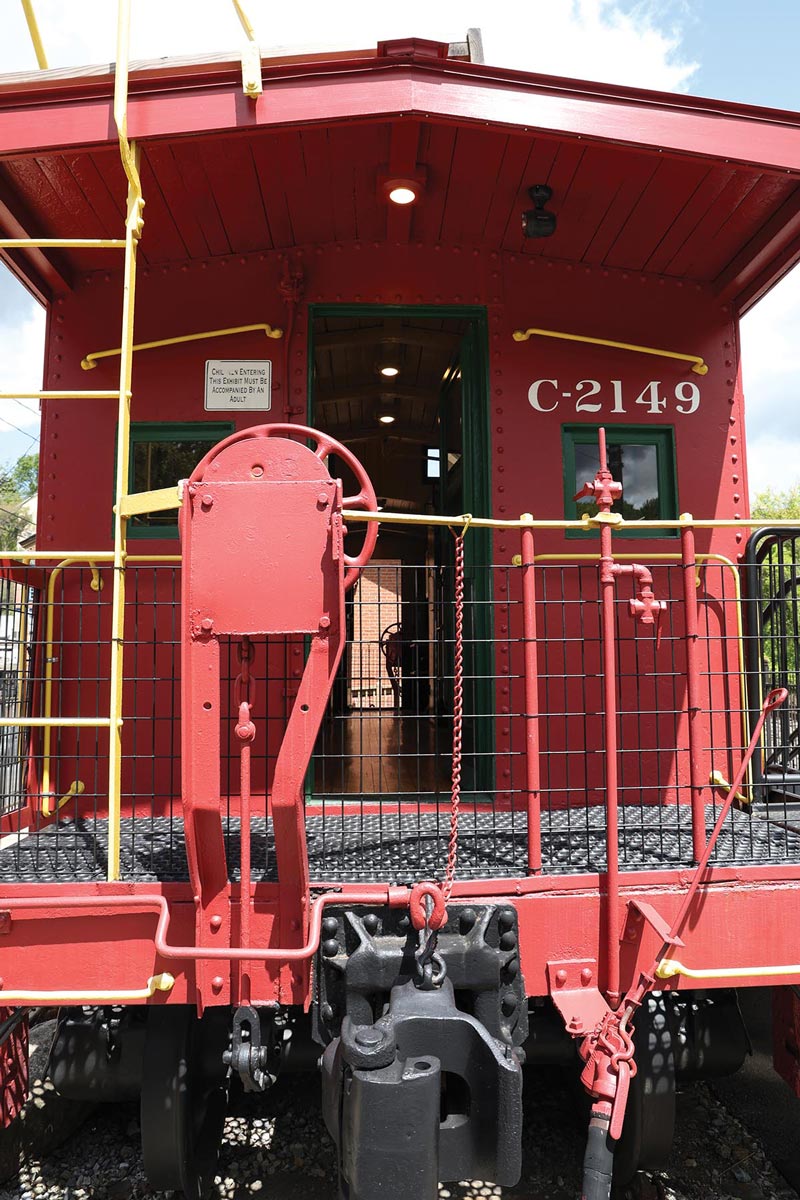
Though this old train car used to be red, it's faded over time. Using the Standard picture style, the Canon EOS R6 Mark II reproduced the color perfectly.
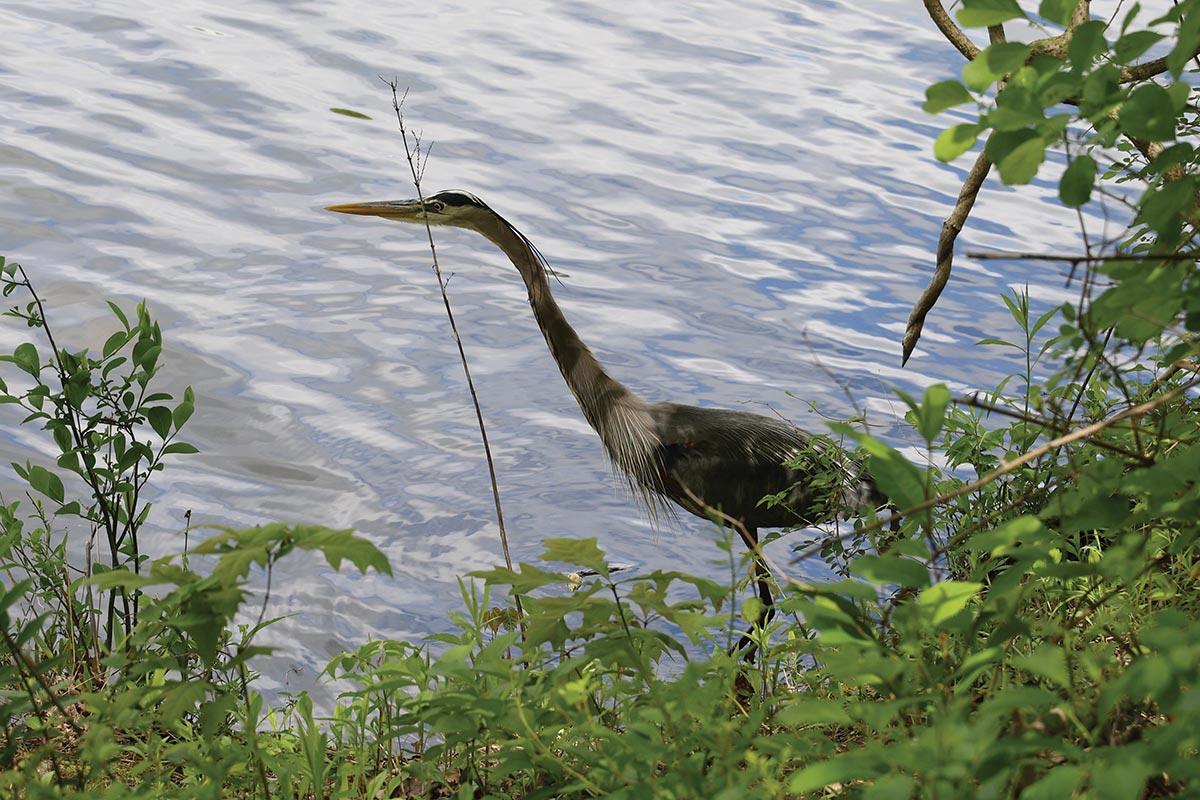
Despite the errant branch in front of the heron's face, the Canon EOS R6 Mark II's auto subject recognition quickly locked focus on the bird. Eye detect even managed to identify its tiny eyes.
 View Gallery