
Sigma BF Review: Joy In Simplicity
The Sigma BF is an elegantly designed camera stripped down to the basics
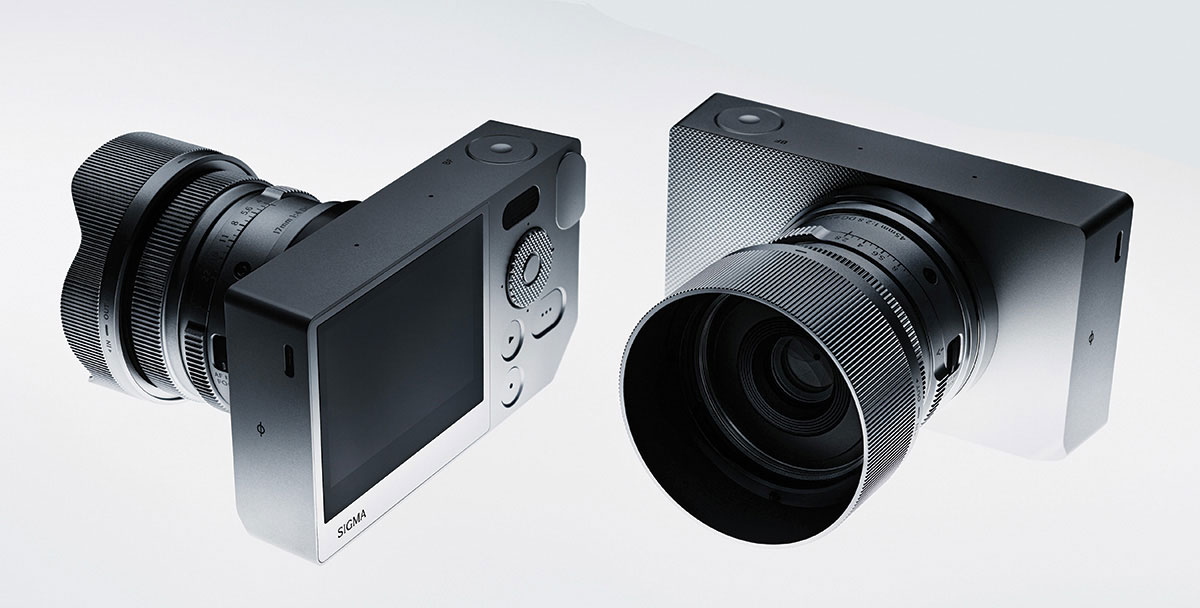
The Sigma BF camera is unlike any camera I’ve ever used. There’s no viewfinder and very few buttons. At times, it feels awkward—maybe even a little uncomfortable. And yet, I admire it. I respect what Sigma is trying to do here. There’s a sense of intentionality baked into this camera. Simplicity. Restraint. It strips away the clutter that often surrounds modern camera design and asks: What do you really need to make a photo?
In an interview with another photography media outlet, Sigma CEO Kazuto Yamaki shared the meaning behind the name BF. Short for Beautiful Foolishness, the name is inspired by the 1906 essay “The Book of Tea” by Okakura Tenshin, which celebrates the beauty found in simplicity, imperfection, and everyday rituals. The BF camera, Yamaki explains, is an embodiment of that philosophy, a deliberate departure from feature-packed, high-spec machines. This camera isn’t trying to compete in the spec race. Yamaki is chasing something far more poetic: joy.
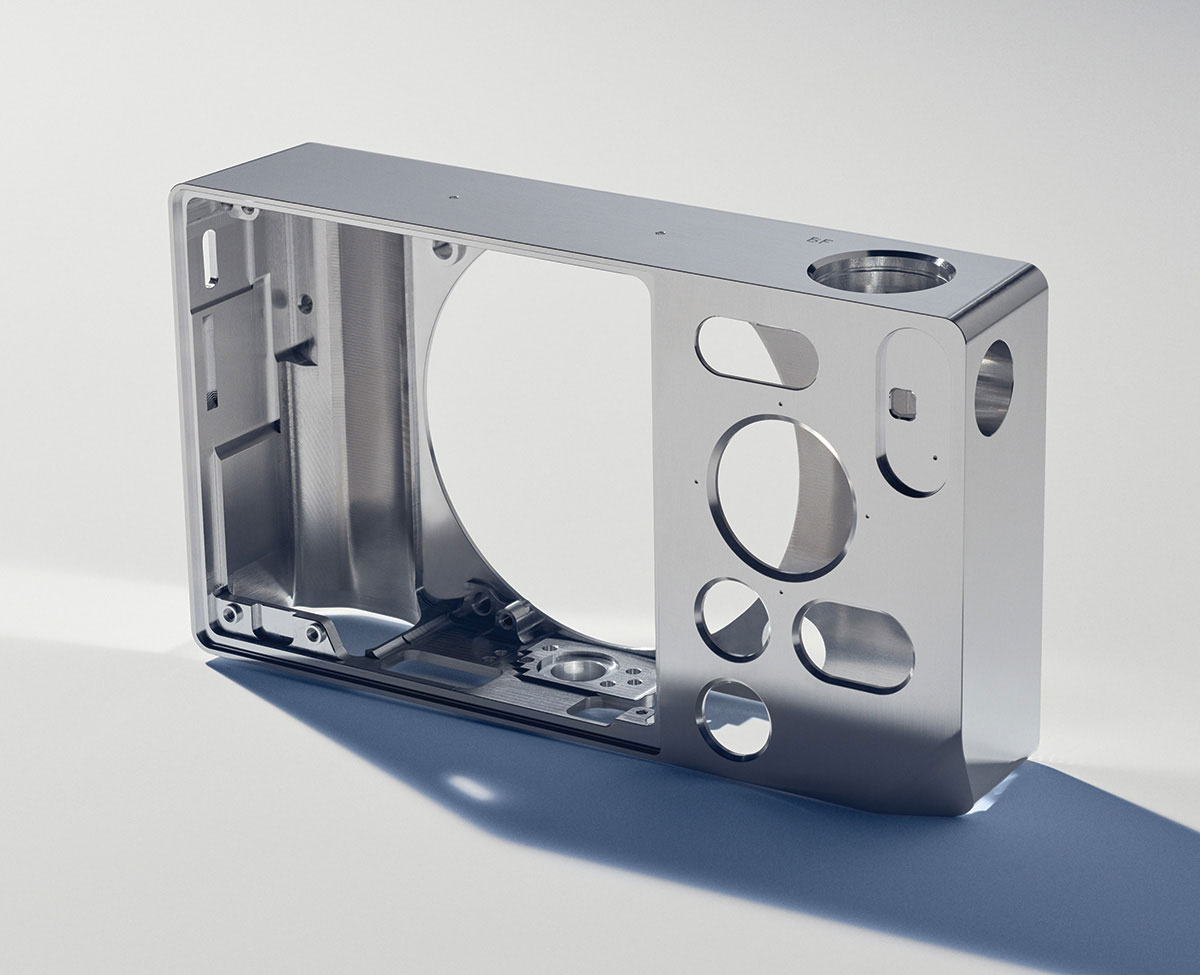
The Sigma BF body is the first to be carved from a single, solid block of aluminum.
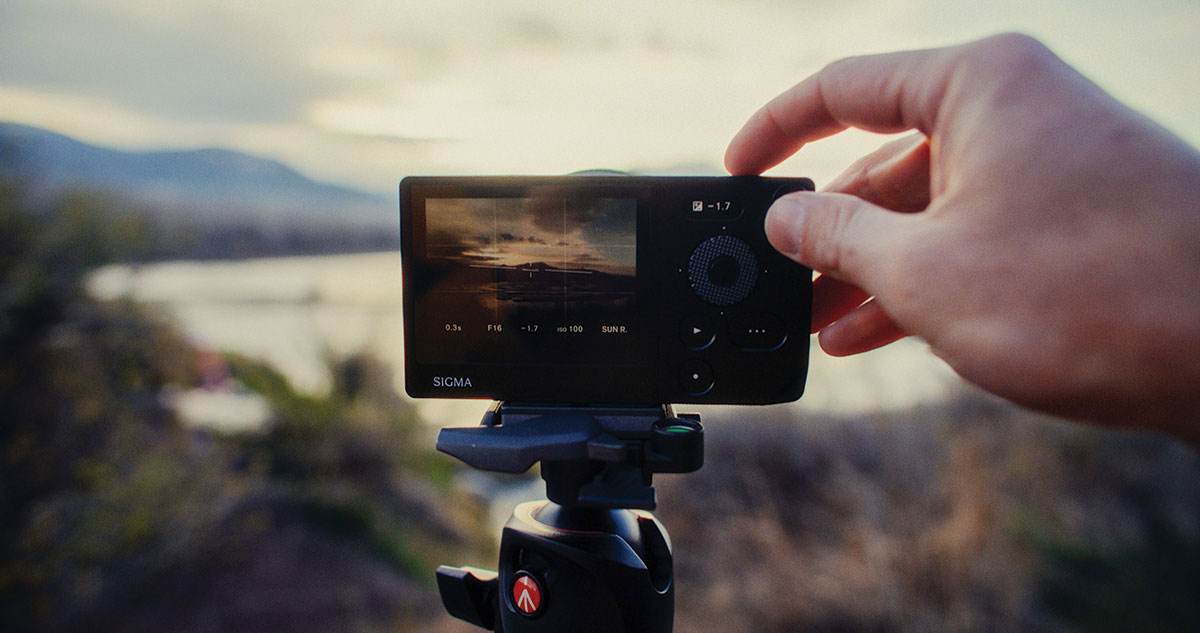
Small but quite capable, the Sigma BF weds sparing design with impressive function.
My Experience
At first, I wasn’t quite sure what to expect. When I first showed the BF camera to my coworkers, their immediate reaction was, “What is that?” Not with judgment, but with genuine curiosity. The BF is a peculiar camera. It looks like … well, a box. But make no mistake, this box has purpose. Within its compact and minimalist appearance is a capable camera designed to become a companion. It did take some getting used to, but over time I began to see the beauty in the BF’s simplicity. There’s something freeing about working with something so stripped down. It invites you to slow down and be present, to focus only on what matters, and I believe that is part of Sigma’s intent.
As for the ergonomics, it doesn’t feel like any other camera I’ve ever held. And yet, it works. There’s a thumb pad that subtly curves out from the body positioned in the upper-right corner of the camera back and an indent on the lower right for added comfort. At first glance, they’re easy to overlook, but after a few hours of use, you begin to appreciate the intention behind them. Those small design touches make a big difference, especially if you’re using the camera all day. In a world where camera companies are racing to cram in more tech, more features, and more specs, Sigma took a different route. The company found beauty in simplicity. And with the BF camera, it created something that feels both rebellious and refreshingly grounded. If the BF Camera were a song, it would be “Amsterdam” by De Joie—smooth, peaceful, and thought-provoking.
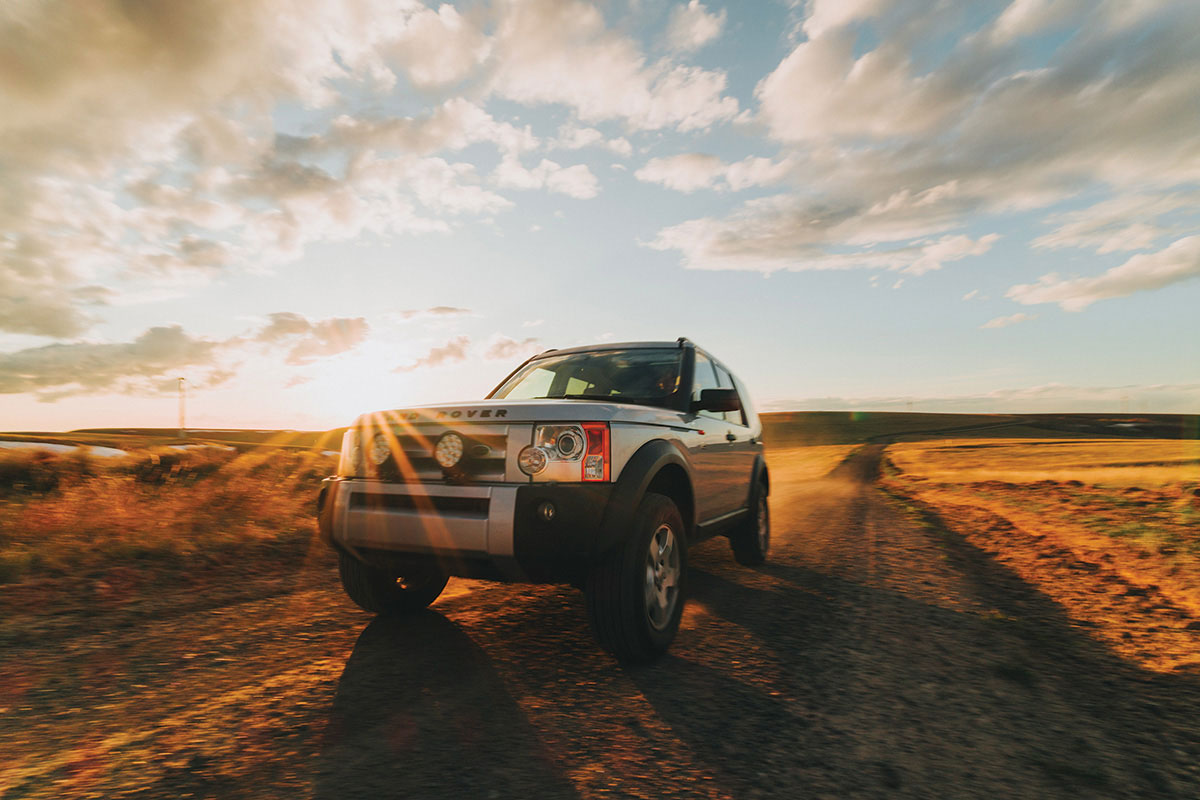
Tracking the moving Land Rover—even backlit against a setting sun—was smooth and reliable.
Application
Who is this camera made for, and who is using it? It’s a great question I found myself asking as I kept the BF camera in my bag for two weeks. The BF became the camera I reached for in certain situations.
For example, when I was photographing the waterfalls at Falls Creek in Swan Valley, Idaho, it was the perfect companion. I had my three young children standing beside me as we watched the sun rise. In that moment, I didn’t want complicated setups, menu diving, or swapping lenses. I needed something that was quick, sharp, and reliable that allowed me to focus on the moment. And that’s exactly what the BF offered: the ability to capture the beauty of the waterfall—with the image quality I expected—while staying fully present with my kids.
So, can professionals use this camera? Absolutely. It’s capable. It’s sharp. It’s reliable. But I believe the real magic of the BF lies in its broader appeal to anyone and everyone who values simplicity. It’s for the person who wants a camera they can always keep with them. It’s for the person who values sharp, beautiful images at the click of a button—no friction, no second-guessing, no missed moments. Whether you’re a professional desiring a compact companion, or a hobbyist who wants something better than a smartphone without carrying a full kit, the BF feels right at home.
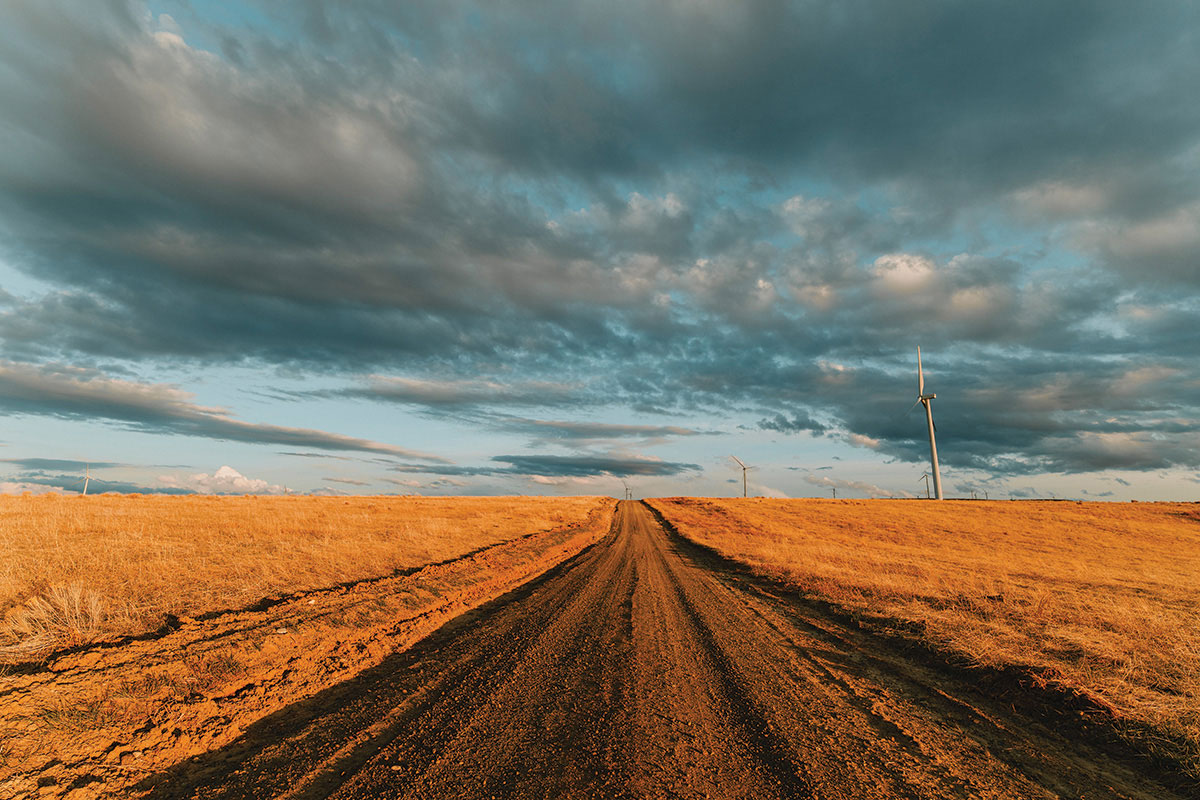
I layered the Teal and Orange color profile underneath one of my presets for images taken on a prairie dotted with windmills, and it paired beautifully.
Lenses
One of the standout features of the BF camera is its L-Mount. This opens up access to a full lineup of Sigma’s Contemporary prime lenses—small, sharp, and lightweight—making them the perfect match for the BF’s minimalist design. During my time with the camera, I used two lenses: the Sigma 65mm F2 DG DN Contemporary and the Sigma 16-28mm F2.8 DG DN Contemporary. Both lenses felt right with the BF. They’re lightweight, compact, and balanced naturally with the camera body, enhancing the shooting experience rather than weighing it down.
By contrast, when I mounted the larger Sigma 28-45mm F1.8 Art lens, it felt a little awkward. Not because of the camera’s build quality, but because the lens was physically too large for what the BF seems to be designed for. The beauty of the BF isn’t brute force; it’s joy, ease, and streamlined simplicity. The high-quality, affordable Contemporary series complements that philosophy perfectly. There’s often debate in photography circles about whether Sigma’s Contemporary lenses are as sharp as their Art counterparts. The Art line has earned a reputation for being incredibly sharp—often tack-sharp, even wide open. After spending two weeks shooting extensively with both the 65mm F2 and the 16-28mm F2.8, I can confidently say these Contemporary lenses hold their own. Both deliver outstanding sharpness wide open, with beautiful rendering and excellent color fidelity.
Having the option to pair the BF with lightweight, high-quality lenses—without sacrificing image quality—is a massive win. It reinforces what I believe Sigma is trying to achieve with this camera: a pure, frictionless shooting experience.

This image was made using a three-exposure bracket. Captured at f/22 and ISO 100, the exposures were 1 second, 1/4 second, and 4 seconds.
Image Quality and Performance
When I was photographing the waterfalls at Falls Creek, the BF camera impressed me. I used a three-exposure bracket: underexposing by two stops, exposing at normal, and overexposing by two stops to maximize dynamic range. The final image was taken at f/22 (4-second shutter at ISO 100) to slow the motion of the waterfall and really push the camera to its limits (above). The results? I was genuinely blown away—and so were others when I shared the final images. The detail, tonal range, and clarity from such a compact setup were outstanding.
Another aspect I quickly grew to love was Sigma’s color profiles. When you import BF’s raw files into Adobe Lightroom, you gain access to Sigma’s built-in camera profiles, like Teal and Orange, Sunset Red, and Forest Green. I used these often, especially during early morning shoots in Swan Valley. They paired beautifully with my own personal presets, allowing me to dial in a look that was cinematic, rich, and full of character.

Though bulky when paired with the BF, the Sigma 28-45mm F1.8 Art lens came through for this portrait taken at f/1.8 for 1/15 second, ISO 2500.
When I photographed my dad driving his Land Rover at sunset, I layered the Teal and Orange color profile underneath one of my presets. The result perfectly captured the adventurous, cinematic feeling of that evening, synchronizing blurred motion from inside the bouncing cab with the stillness of standing under the windmills at sunset. Sigma’s color science makes it easy to create powerful, emotional images right out of camera. Not every manufacturer gets this right, but Sigma has. From a technical standpoint, the BF camera’s continuous autofocus also surprised me. Tracking the moving Land Rover—even backlit against a setting sun—was smooth and reliable (page 34). I was often shooting two stops underexposed to protect the highlights, yet the AF held its lock and let me capture dynamic panning shots without issue.
If there’s one area that took some adjustment, it’s accessing the histogram at a moment’s notice. The histogram isn’t always visible onscreen; however, it can be accessed by clicking on the ISO, exposure compensation, aperture, or shutter speed. Unlike other cameras where the histogram can sit onscreen during composition, the BF requires an extra step. Once you learn its rhythms and feel the click of the shutter and hear the sound from the center button, the BF camera integrates effortlessly into your shooting style without feeling like a compromise.
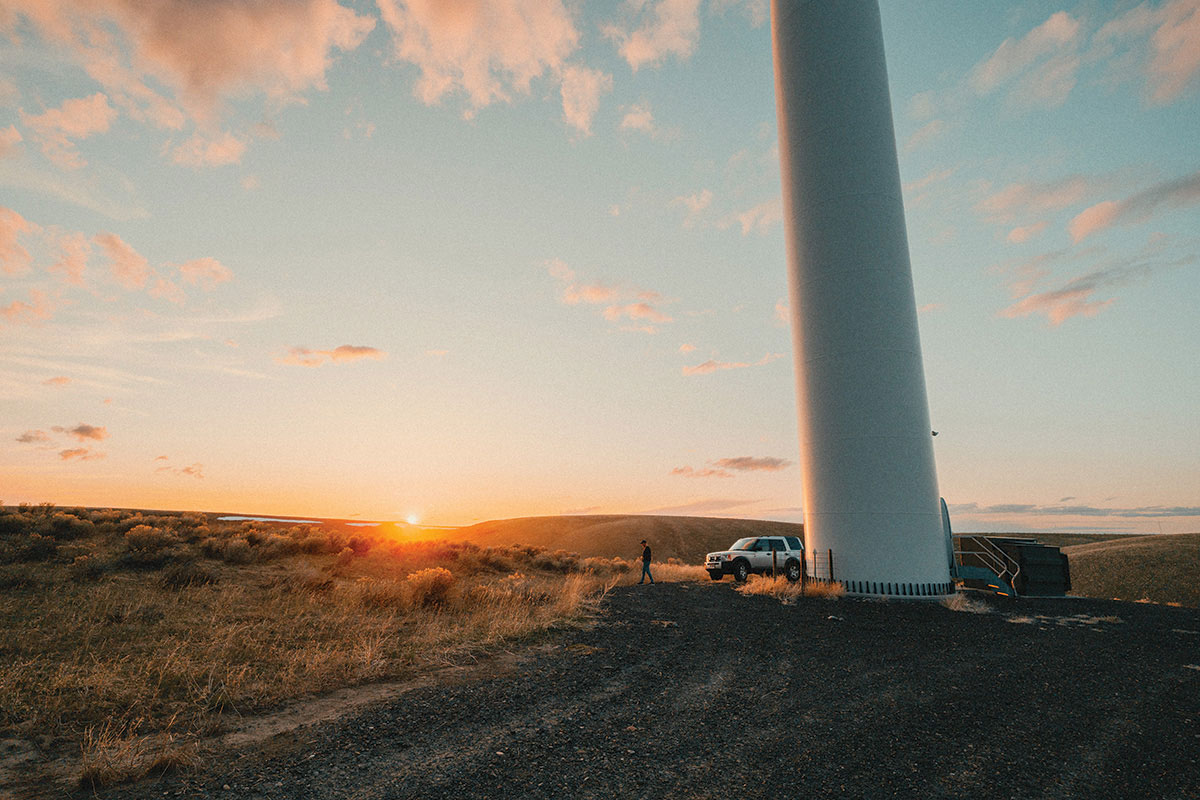
The Orange and Teal color profile makes this landscape captured with the Sigma 16-28mm F2.8 DG DN Contemporary lens on the BF feel magical.
While the BF can shoot video—including 6K 24p in L-Log—this is primarily a still photographer’s camera. If you need quick, social-media-ready clips without heavy grading, it works thanks to Sigma’s built-in color profiles. The bright, wide rear screen also makes composing both landscape and vertical shots easy, especially for creators making content for Instagram or TikTok. But if you’re looking for a dedicated video workhorse with variable frame rates, full manual video controls, and deep dynamic range for serious film work, this isn’t the camera.

Final Thoughts
If you’re someone who’s looking for something better than a point-and-shoot but equally effortless, this is that camera. The BF offers a simple, joyful experience without sacrificing image quality, especially paired with Sigma’s lineup of compact, sharp lenses. It’s the kind of camera you can throw into your jacket pocket or backpack, pull out at a moment’s notice, and be ready to go. Startup time is near-instant. USB-C charging means you can top it off anywhere, and the generous 230GB (4,300 raw images or 2.5 hours of video at the highest setting) of internal storage means you don’t need to worry about carrying extra memory cards.