

As of 2023, people who identify as Hispanic made up almost one-fifth of the population of the United States, the largest minority group in the country. At just over 65 million people in the U.S., Hispanics here represent countries including Mexico, Colombia, Venezuela, Guatemala, Honduras, and the U.S. territory of Puerto Rico.
The Hispanic community is a rich, untapped market for many companies, according to Marco Rios, a bilingual business consultant and speaker originally from Puebla, Mexico. But engaging its members takes care and effort, he explains.
“Simply translating your [marketing] content into Spanish is like offering a handshake without making eye contact. It’s like you are not really connecting,” Rios tells “Professional Photographer” podcast host Pat Miller on the episode “Bridging Cultures in Business with Marco Rios.” “You’re saying, ‘Hey, I am here,’ but you are not connecting. So, it’s not just about switching words from one language to another. It’s about connecting on a deeper level.”That connection comes from learning about, understanding, and appreciating the rich, diverse culture. For example, the term “family” means more than relatives; it includes “everyone who plays a meaningful role in our lives,” Rios says, such as neighbors who offer childcare. The Hispanic community is family-centric, which means in most business decisions, a potential client will often consider their extended family’s needs before planning. They will also heavily weigh their family’s and community’s opinions, he adds, both positive and negative. “So, it’s important when you are trying to reach the Hispanic market,” Rios advises, “to remember that you are not just selling to [a client], but we are building a relationship with the entire family, friends, and the community around them.”
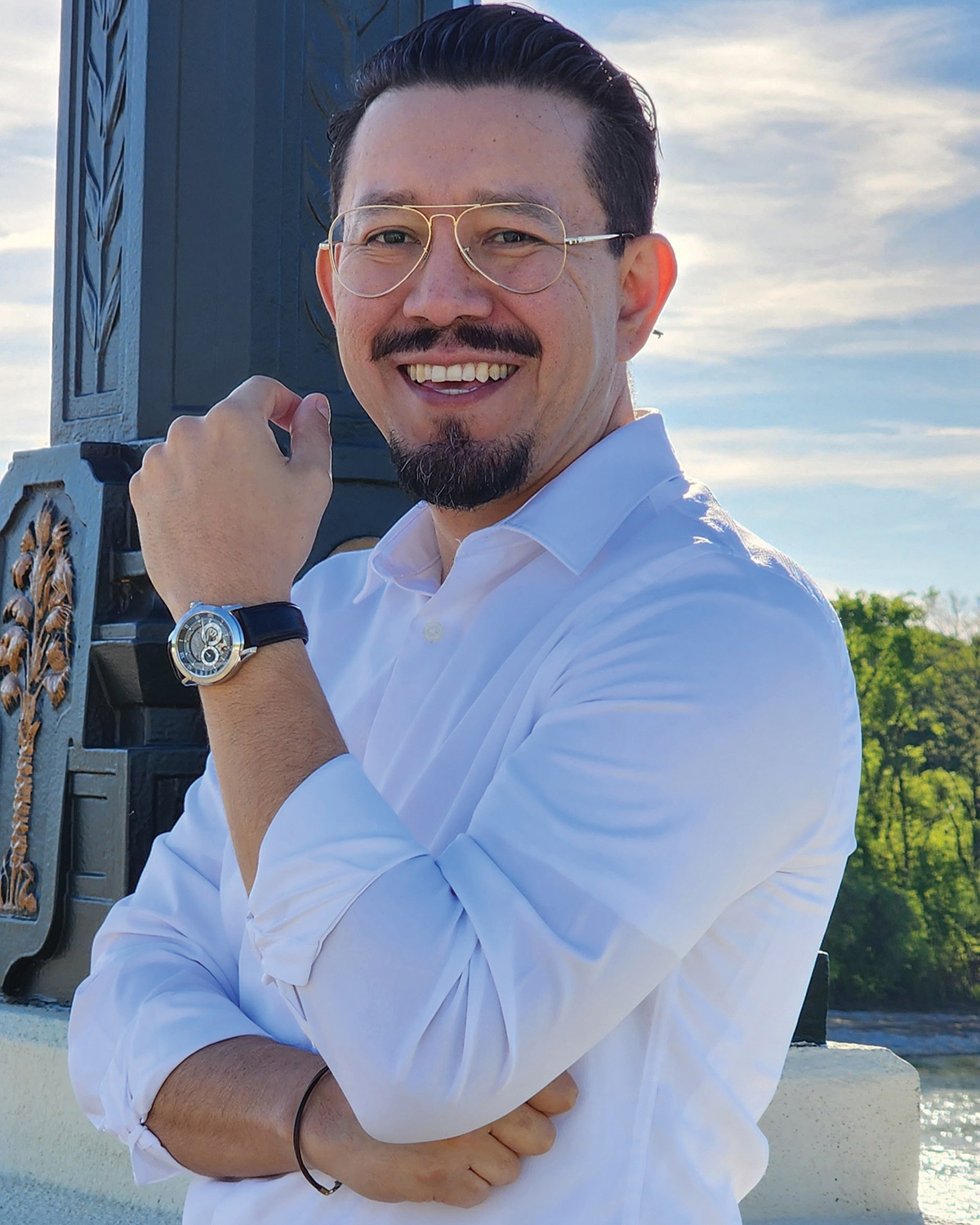
Marco Rios
CULTURAL MODIFICATIONS
Rico notes another element of Hispanic culture that could impact potential Hispanic clients in business dealings: their relationship with finances. He explains that in many Latin countries, it’s difficult and expensive to get credit, interest rates are high, and many people are distrustful of banks. Therefore, many in the Hispanic community prefer to pay with cash. They also may be more amenable to payment plans and paying in installments for services, Rios explains. “You have to adapt” to how you work with clients from the Hispanic community, he says. “It’s the same business, just with a cultural modification.”
Those modifications show potential Hispanic clients that you care enough to try to connect with them, Rios says, which builds trust and, ultimately, business. But be careful about appropriation or disparagement, he advises, offering an example of a McDonald’s campaign in Mexico about 10 years ago for Dia de la Candelaria, a religious observance during which it is traditional to eat tamales. McDonald’s ran an ad that suggested that customers eat a McBurrito instead, seeming to belittle the significance of the custom. Facing backlash, McDonald’s apologized and pulled the ad.
“That was perceived more like, ‘You [McDonald’s] want to move back something of our culture and impose this one,” Rios explains, adding that the key is not perfection but working to grasp the nuances of the culture. “Here’s the difference. The little details either build trust or [make] messes [and] feel off, so that something doesn’t resonate. … I think everybody, not just the Hispanic community, when they feel that you are just approaching because you want something from us, it’s like, ‘No, that doesn’t feel authentic.’ … You don’t have to be perfect, but you need to show that you care.”
Once members of the Hispanic community recognize your good-faith efforts, they’ll likely help you do better, he says, by answering questions and making referrals. “Sometimes people think that they have to know everything and get involved.
No. Just try,” Rios advises. “If you make a mistake [you can say] ‘Hey, sorry, I made a mistake, but I tried,’ and we feel that, and we help [with] that.” He says he often sees company representatives on social media ask specific questions to potential Hispanic customers, and members of that community offer advice. That deeper engagement can then permeate the business and is more authentic than, for example, hiring someone who speaks Spanish to work the front desk, says Rios.
“When you care, you will be blessed with sales and all that,” says Rios. And not just sales, he adds, but “you’ve gained a lot of [Hispanic] friends.”
Melanie Lasoff Levs is director of publications.
Tags: bridging the gap