
Putting Yourself Out There
Lace Andersen powers her career by stepping out of her comfort zone
• July 2025 Issue
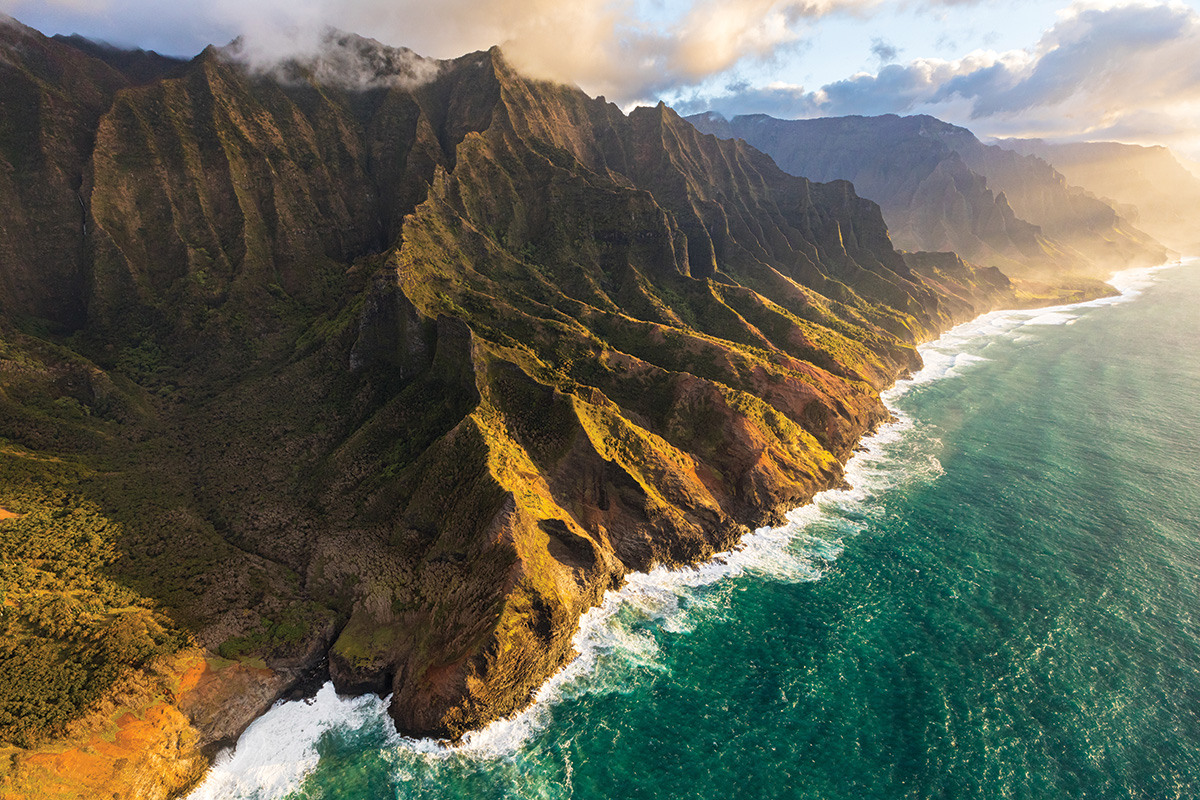
Lace Andersen has always likened herself to a rolling stone, a fitting trait for a landscape photographer and drone pilot at home in some of the wildest parts of the country. Andersen has built her career on the ability to adapt. A good eye and talent are must-haves for the photography business, but flexibility, creativity, and strategic thinking are critical for success.
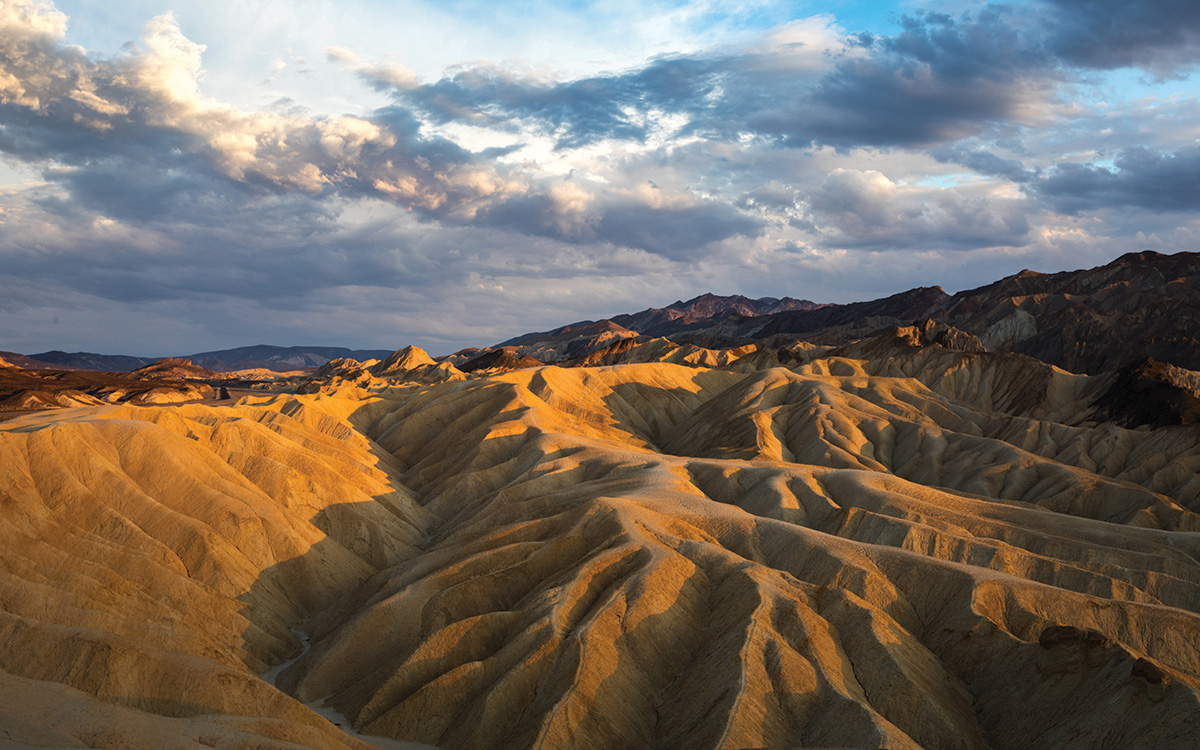
Currently based in Salt Lake City, Andersen is a California native who grew up with easy access to epic West Coast scenery that worked its magic on her young artistic mindset. The drive to capture the landscape around her was irrepressible. Today, Andersen’s portfolio includes everything from commercial landscape and lifestyle work to portraiture to drone work for commercial projects.
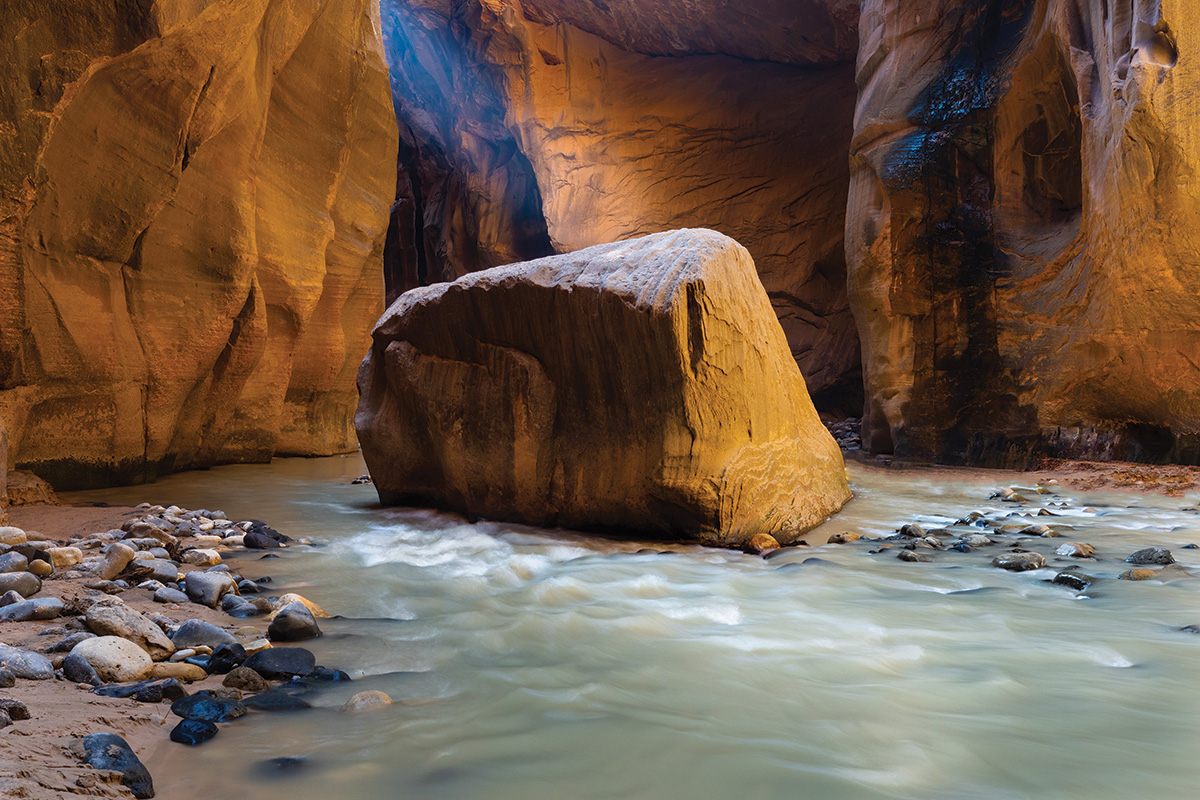
“My career has been about utilizing my camera in so many different ways,” says Andersen. “Over the past few years there’s been this idea that you have to niche down and become an expert in one particular genre. But I don’t think that’s the way to survive right now. For me, it’s been about going with the flow and being adaptable.”
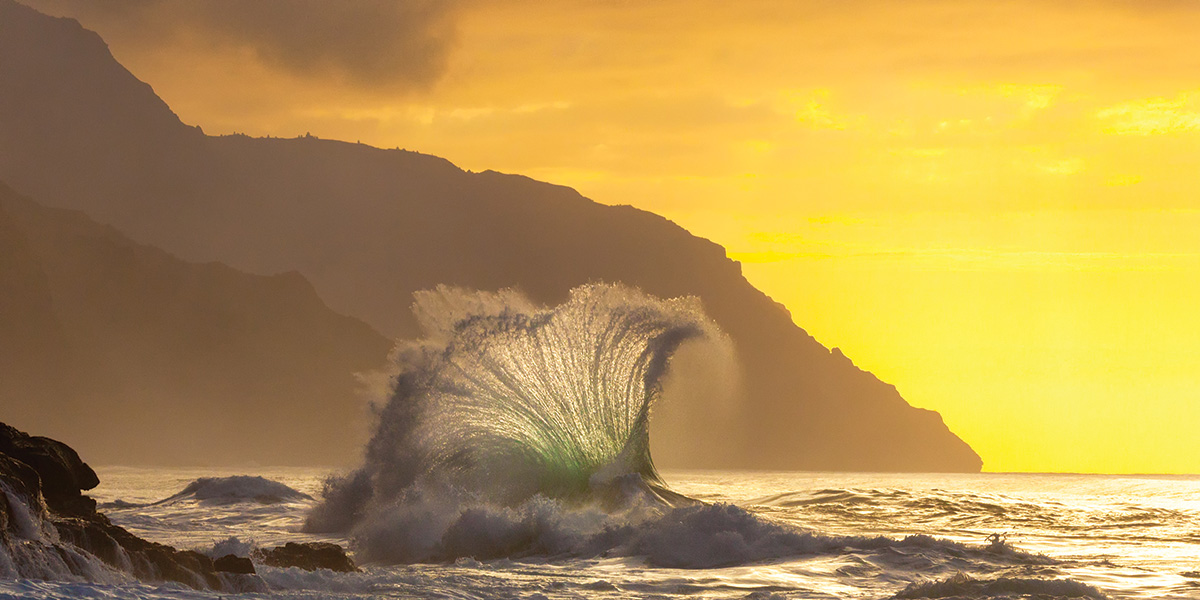
COVID-19 pulled that rationale into focus. Andersen was living in Kauai, Hawaii, before the pandemic, busy with a variety of projects for the tourism board as well as real estate photography, when travel came to an abrupt halt—along with her steady income stream. Realizing her dwindling bank account couldn’t wait for the islands to recover, she chose Utah as her new mainland home.
“I went straight from tropical to desert,” says Andersen, noting that she bounced around the state for about two weeks before settling in the capital city. “There are so many national parks and such a great community of creative people. But it was basically like starting over—a lot of hustling and emails and networking to get known out here.”
NOT FOR THE FAINT OF HEART
Relocating and building a new client base and avenues to sell her work required persistence.
“All photography is a long game,” she says, explaining that some of her client relationships were years in the making. “I keep a list of companies that I want to work for, and I try to stay top of mind with the key people in those companies. I don’t give up.”
Andersen estimates that she spends a larger percentage of her time on marketing than on photography, “or at least it feels that way,” she says. She attributes that to the way the industry has evolved. Stock photography was once a money maker for her landscape work, but the market has become oversaturated, so it’s hard to make that profitable. She’s had to be nimble and push out of her comfort zone to continue to grow, evolve, and even sometimes fail.
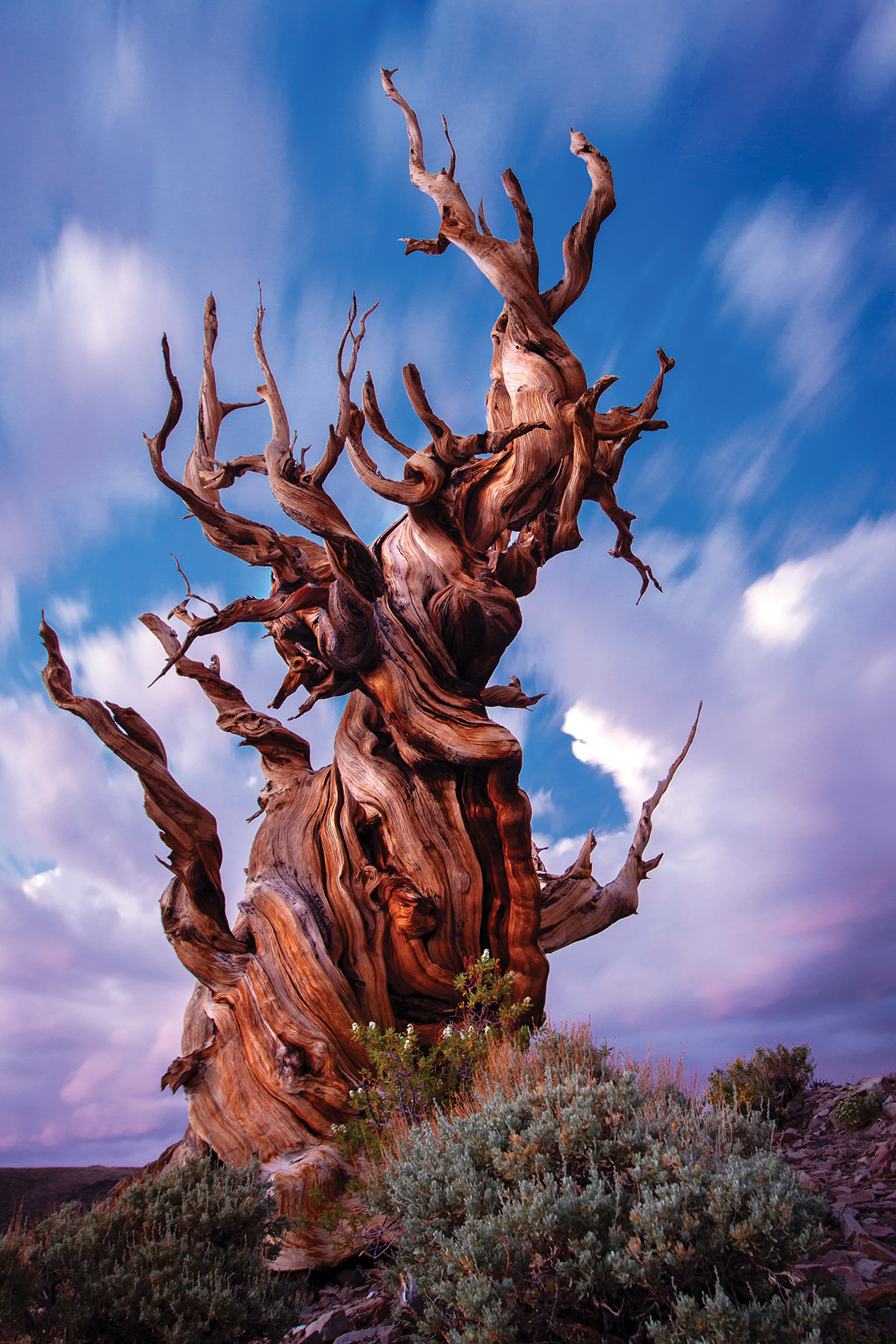
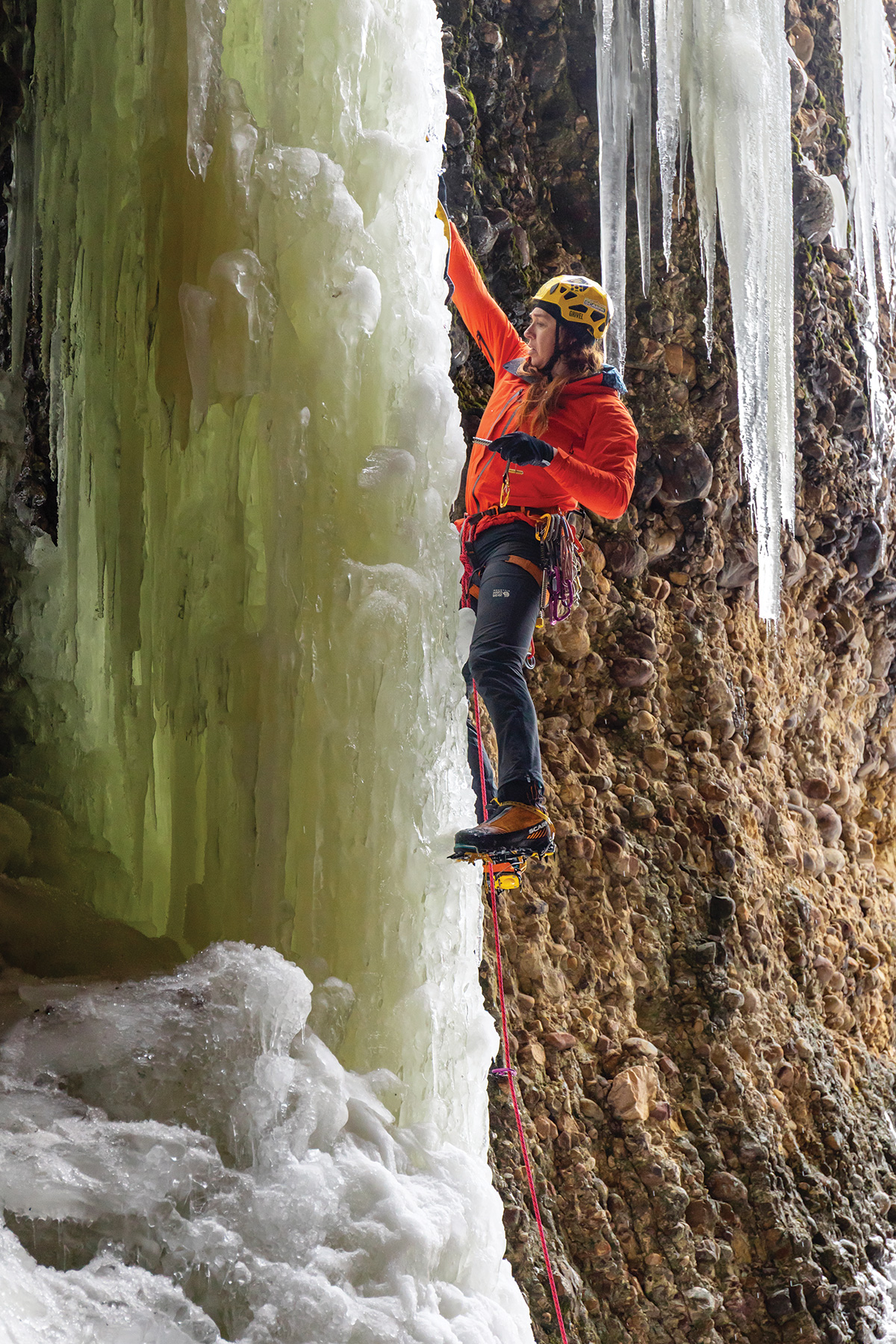
“Putting yourself out there, putting your passion out there—that’s not an easy thing to do,” she says. “But when you’re the most uncomfortable, that’s where the most growth comes from.”
Andersen has trained her brain to focus on potential positive outcomes rather than negative fears. It takes a bit of work, she admits, but if you can start the process by envisioning how you’ll handle a project once you’ve landed it, you’ll be ahead of the game when you do land it. That mindset must be fueled by an awareness of who you are as a photographer and an understanding of your motivation.
“I approach networking and marketing from a place of love, because this is what I love to do,” she says. “Ninety-nine percent of the time I may not get a reply or it’s a no, but then 1 percent of the time it’s a yes. And those are the ones you want to lean into, because they often lead on to more yes responses, and that’s how you grow. Now might not be the right time for someone to hire you, but if you stay in touch, they know your work and your name when it is the right time.”
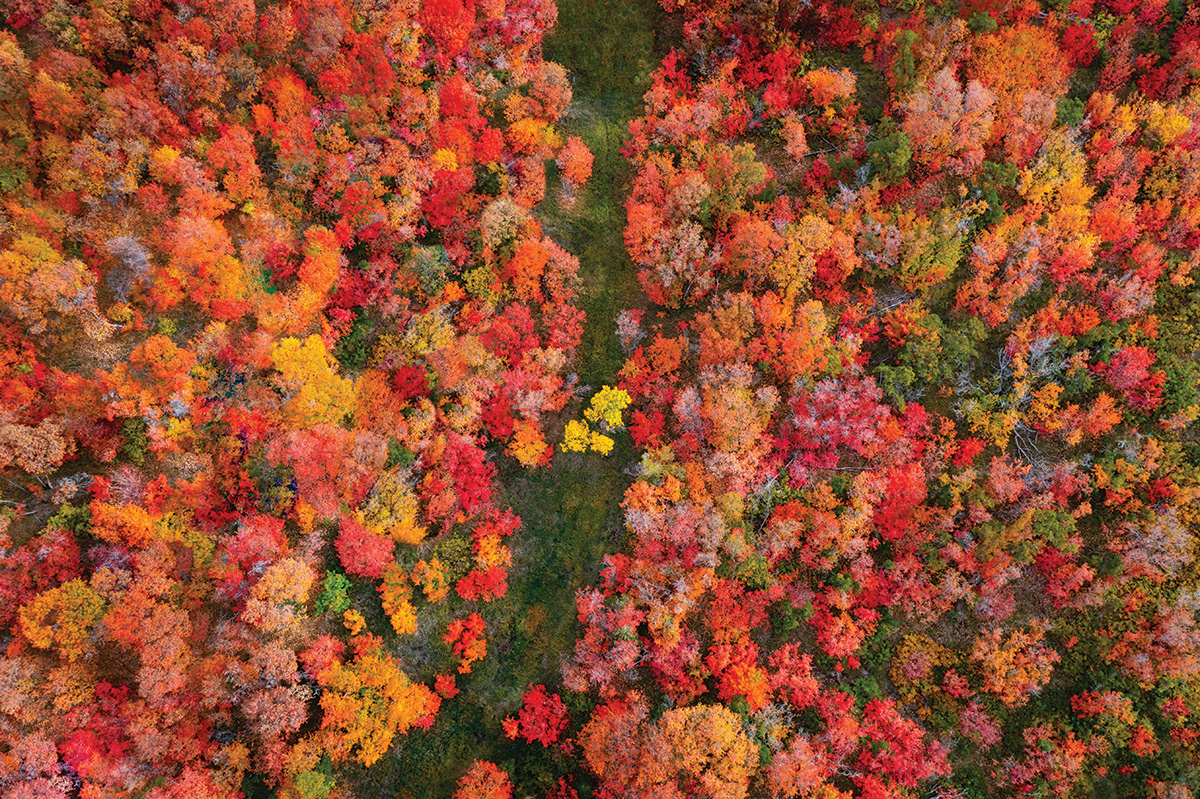
FLYING HIGH
When Andersen got her drone license in 2019 to support her real estate photography in Hawaii, she drew notice when she walked through the doors of the test center in Oahu, she says. That's because, according to the testing center, only about 10% of those taking the Federal Aviation Administration drone pilot test for commercial use there are women.
“There seems to be this big disparity in interest level,” she says. “And it doesn’t help that there’s not a lot of visual representation out there. There is a ‘women who drone’ Instagram group, but it’s more focused on hobbyists or real estate work, not so much on high-end commercials. And women aren’t represented in advertising or marketing materials. It’s all men.”
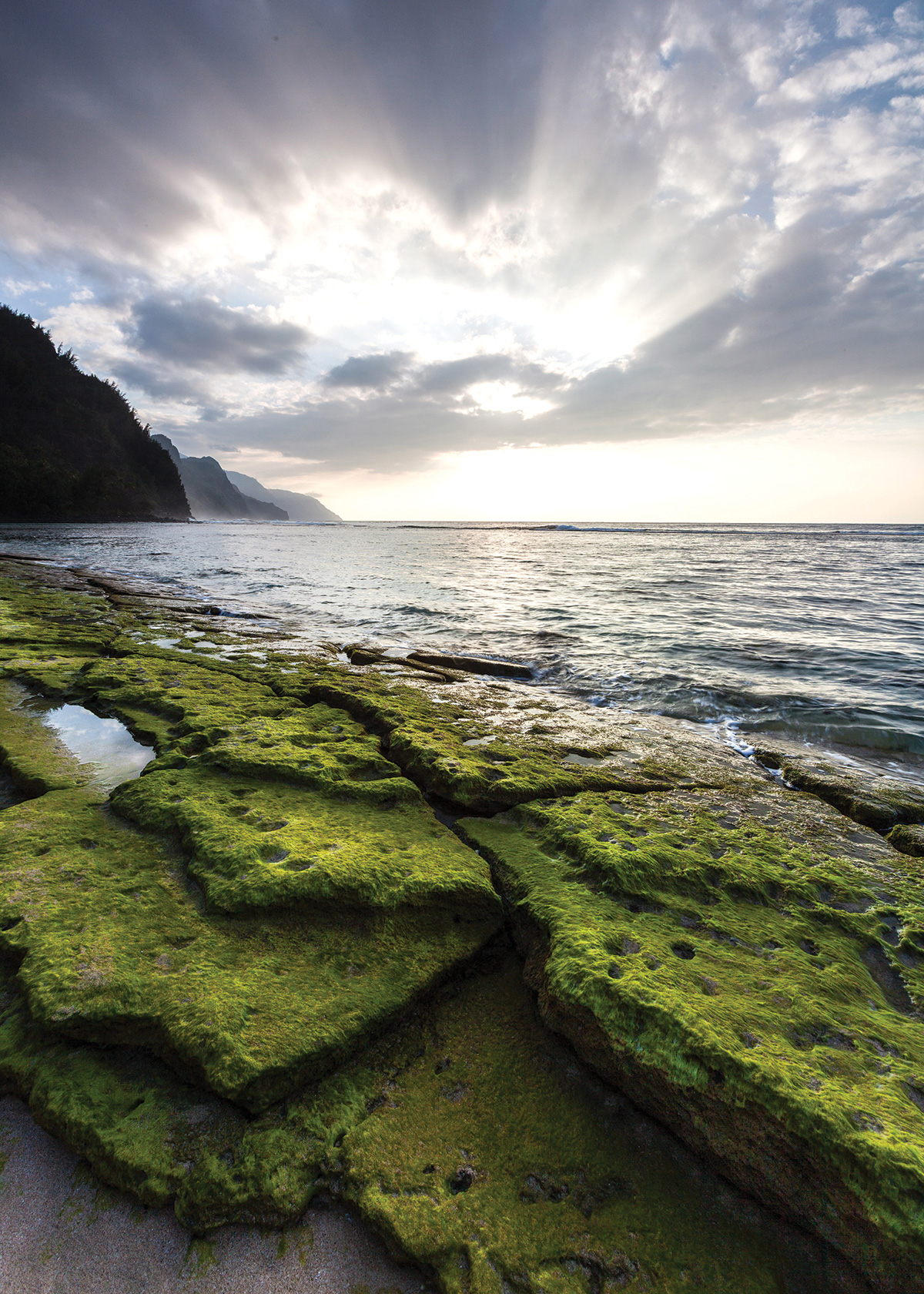
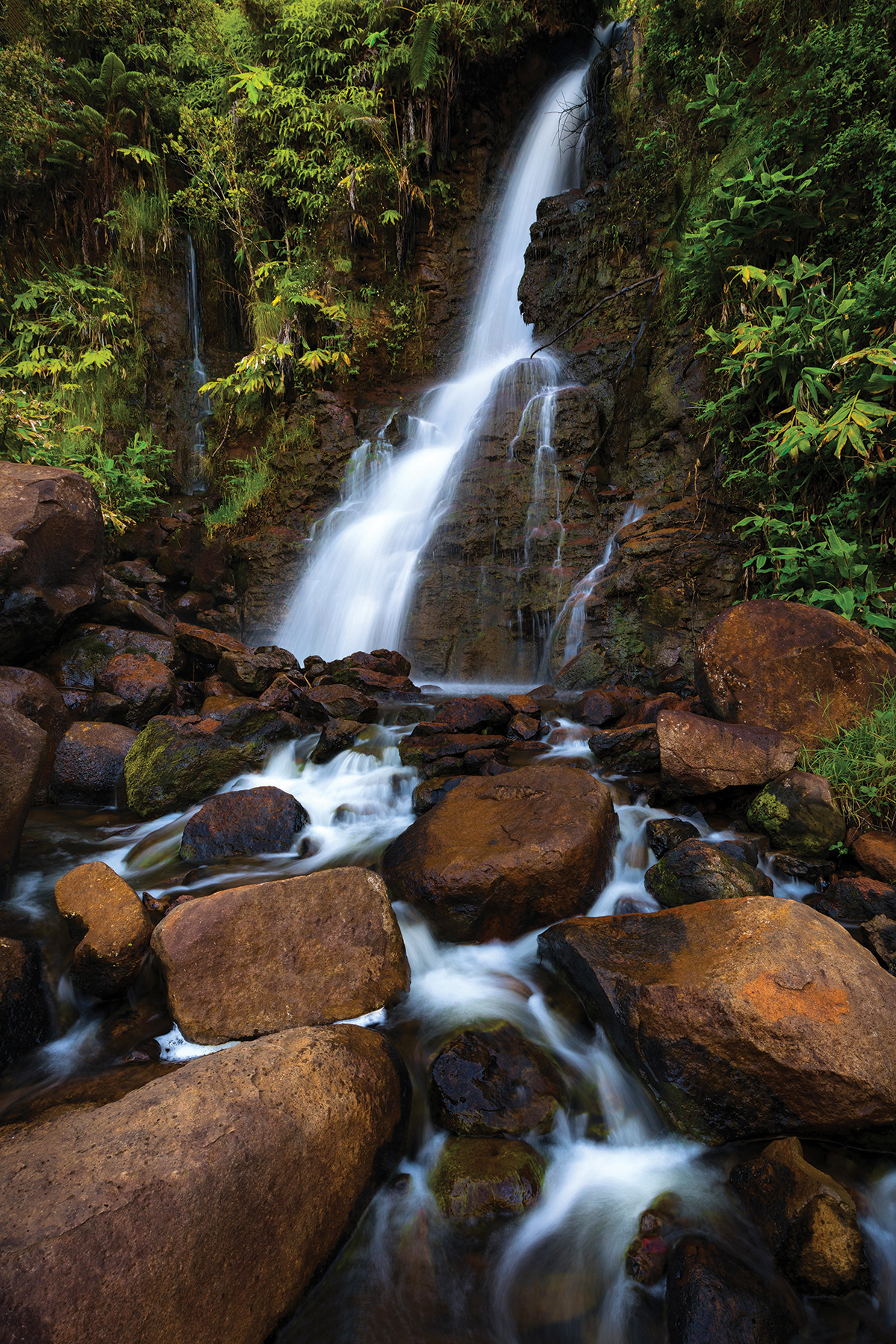
Andersen points to Canon’s Explorers of Light program, which has a nearly even split of male and female members, as a positive example of showing gender diversity in the industry. But as of this writing, the most visible drone ambassador programs are predominantly male.
“I would love to scroll through social media and see a woman drone pilot highlighted by a company in my feed,” she says. “In the general photography industry, you can easily find a woman role model. But that hasn’t happened yet in the world of drones.”
In Utah, she’s the only woman she knows of working with the high-end DJI Inspire 3, a cinema camera drone with a full-frame 8k imaging system. She also frequently operates the DJI Mavic 3 Pro drone, which is designed for higher-end cinematic work as well. She knows she’s a bit of an anomaly as a woman in the commercial drone piloting space, but Andersen says she’s never experienced discrimination. Instead, she’s found a supportive environment filled with excitement. Regardless, she’d still like to see more women drone pilots.
“I would love to teach any woman to fly a drone,” she says. “I believe that women do see creatively a little differently than men do. We just have a different perspective to bring to the table. So, yes, please—let’s go fly!”
Stephanie Boozer is a writer in Charleston, South Carolina.
Tags: commercial photography landscape photography nature photography travel photography