
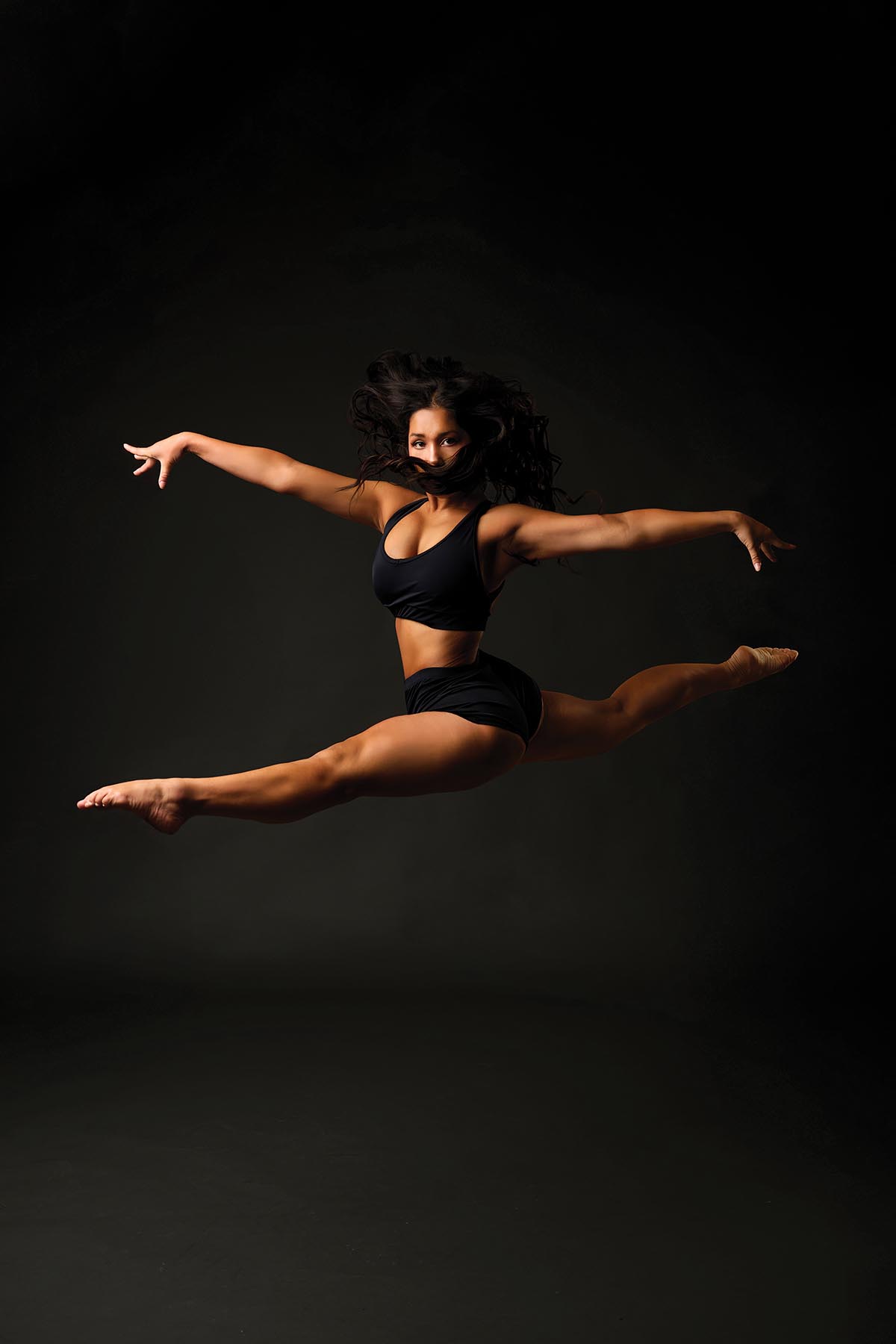
When Angelica Page and her career military husband relocated from England to the small town of Warrensburg, Missouri, some locals were skeptical about Page’s photography business. “Oh, that’s not going to work for this town,” and, “We have a lot of portrait photographers. They can do it. They’ve been here longer than you,” she was told when she shared ideas about her business.
“I was having a hard time just getting people to trust me,” she says. But she refused to let that negativity poison her self-confidence or allow her to devalue her work. “I was just like, ‘Well, I’ll see if this is going to work for me. … If I’m going to get a job, I’m going to do it the way I want it.’” She was right to ignore her naysayers. She started up a dance portrait project that snowballed into 20 sessions after one dancer came in for a session and shared the photos with friends. It was such a hit she’s repeated the project for two summers since. Two years ago, she upgraded her thriving studio from a side street to a Main Street location in downtown Warrensburg.
The lesson: Do not let other people put their own limitations and fears on you, she says. “I had people telling me, ‘That’s not going to work in Warrensburg. This is a small town.’ But I have people flying in from another state to come to me. So, it does work.”
YES, I CAN
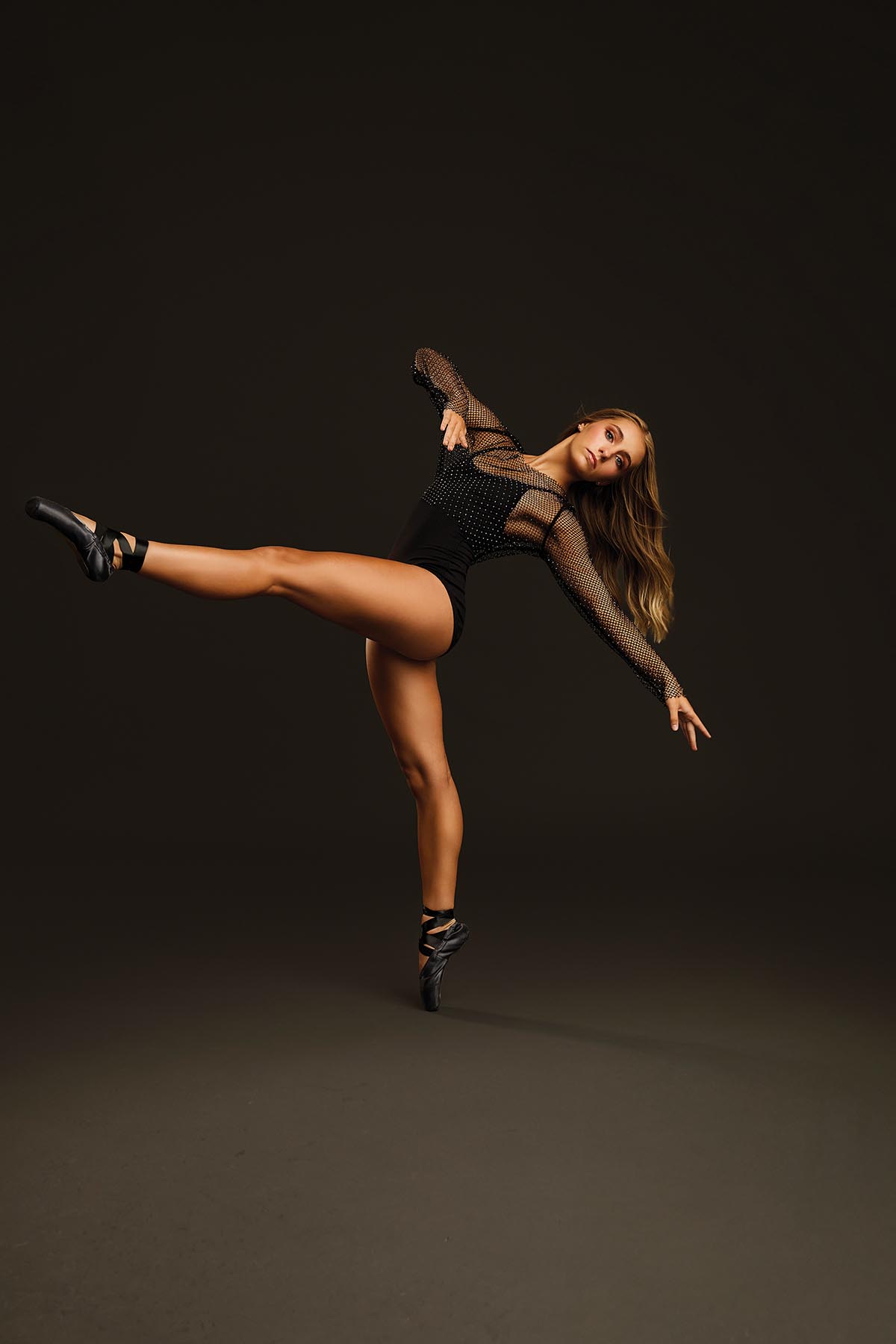
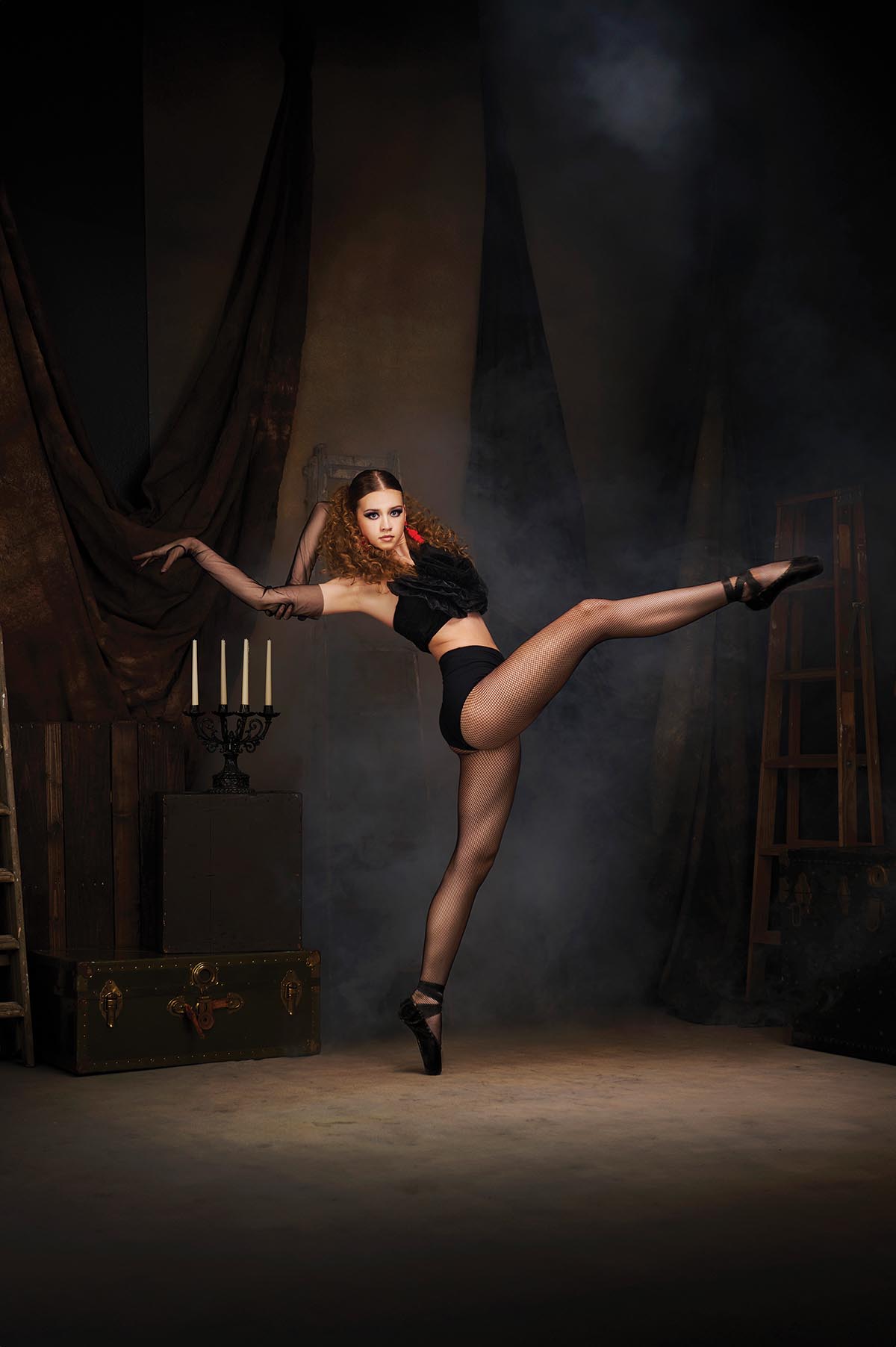
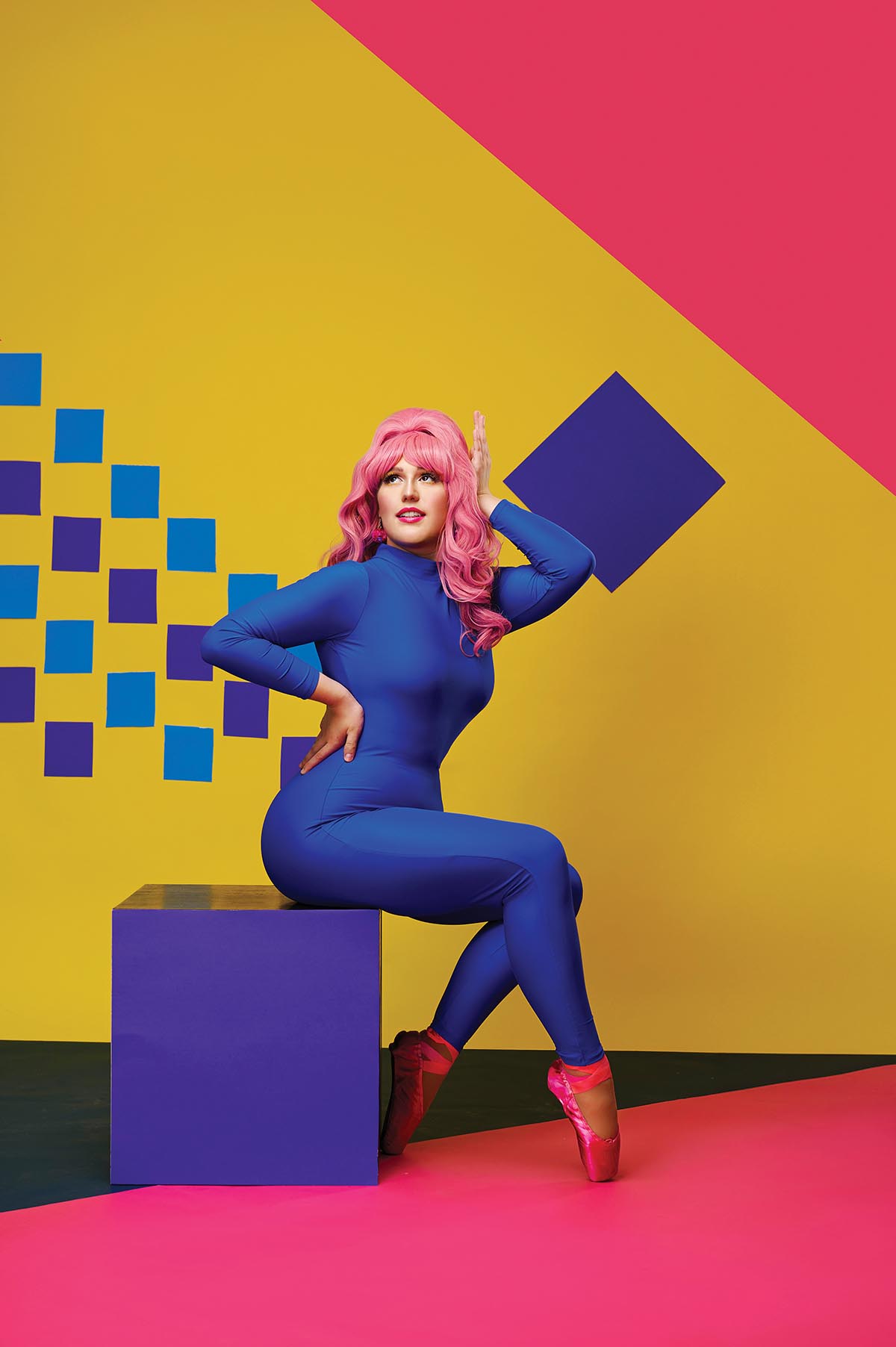
Page, originally from Colombia, was inspired to delve into dance portraits after her dog died. “I was depressed,” she says, “and needed something to lift my spirits.” She’d always thought dance was so lovely to watch. “The way they move is so beautiful,” she says.
Capturing that movement in the studio requires preparation. “You have to have an idea—at least an idea—of dance moves and poses you want them to do,” she says. The dancers she photographs range from beginners to advanced, though even some of the most experienced dancers have limitations due to recent or past injuries. “Not all dancers will have the same flexibility,” she explains. So, before their session, she asks the dancer to create a Pinterest board of images of moves they can do during the session. Page also asks them to come prepared to perform something they’ve learned for a recent recital or competition. Without that direction, they sometimes just stand there and go blank, she says. But if they have something to perform, she can say, “Stop, repeat that,” when they come to a particular move that photographs well.
After her first summer dance project, Page printed her favorite works on 30x20 canvases and asked the head of the local dance studio to display the canvases. “She agreed, and they have been there for the last four years,” says Page. The photographs feature her name, photo, and studio information displayed beneath them, well-placed marketing for her business.
POWER OF SHE
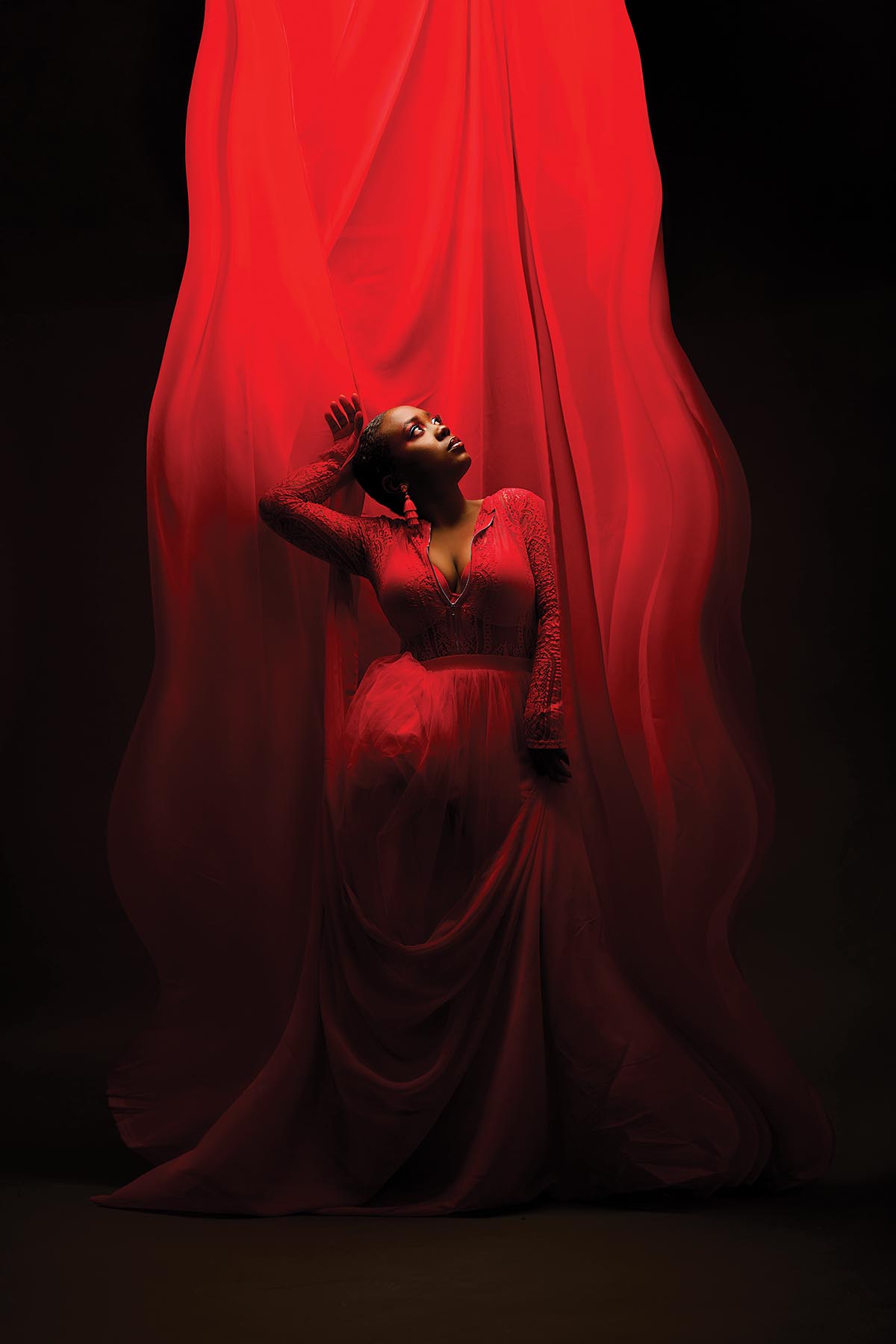
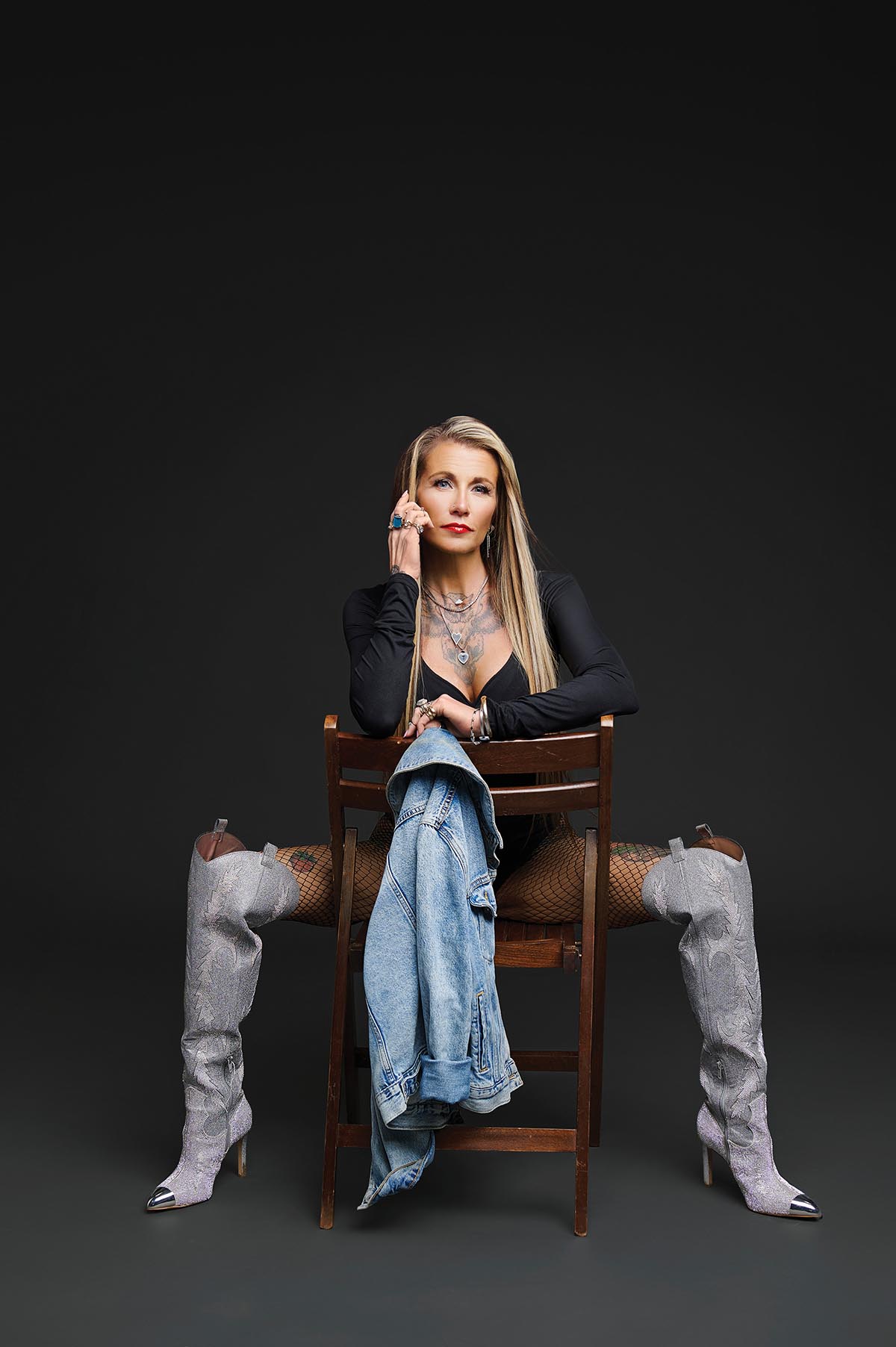
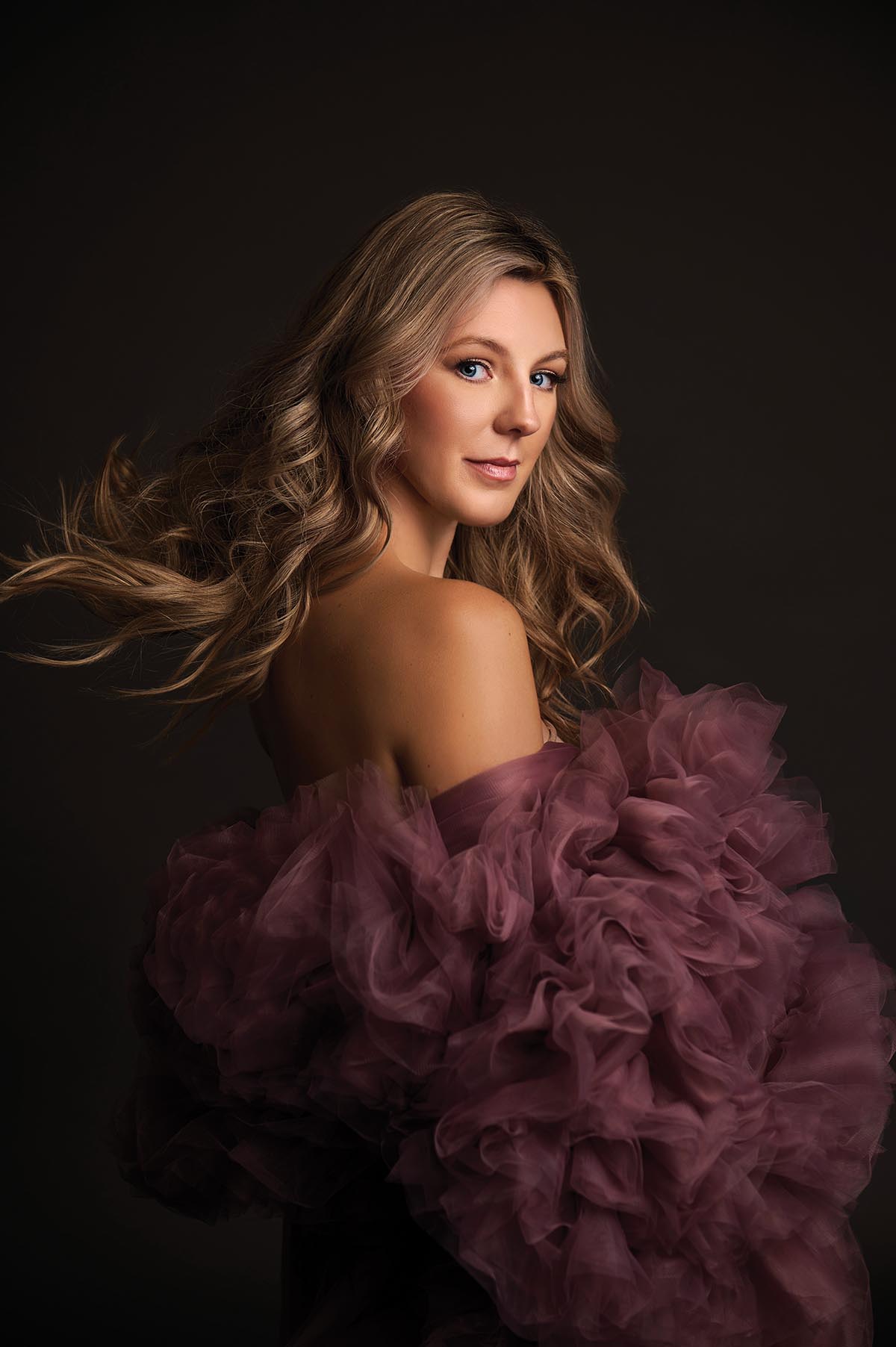
Besides her summer dance projects, Page’s other passion—and a large part of her business—is making women’s portraits. She regularly recruits subjects for 30 Women over 30, 40 Women over 40, and 50 Women over 50 projects, branded under the umbrella, “The Power of She.”
Her interest in women’s portraiture “came from a place of seeing myself and realizing how much I struggled with my self-image,” she says, “and realizing that there are so many women out there that struggle with the same thing.” Her goal with each subject is a customized session that lifts their spirits. She encourages her subjects to forget what kind of portrait their partner might desire. “How do you dream to be photographed?” she asks them. “My goal with this project is for you to feel like you belong on the cover of a magazine.” She compares the sessions to those of high school seniors, where she and the subject collaborate on themes and looks. “How do you want to be remembered? What is it that you love?” she asks them, to inspire ideas.
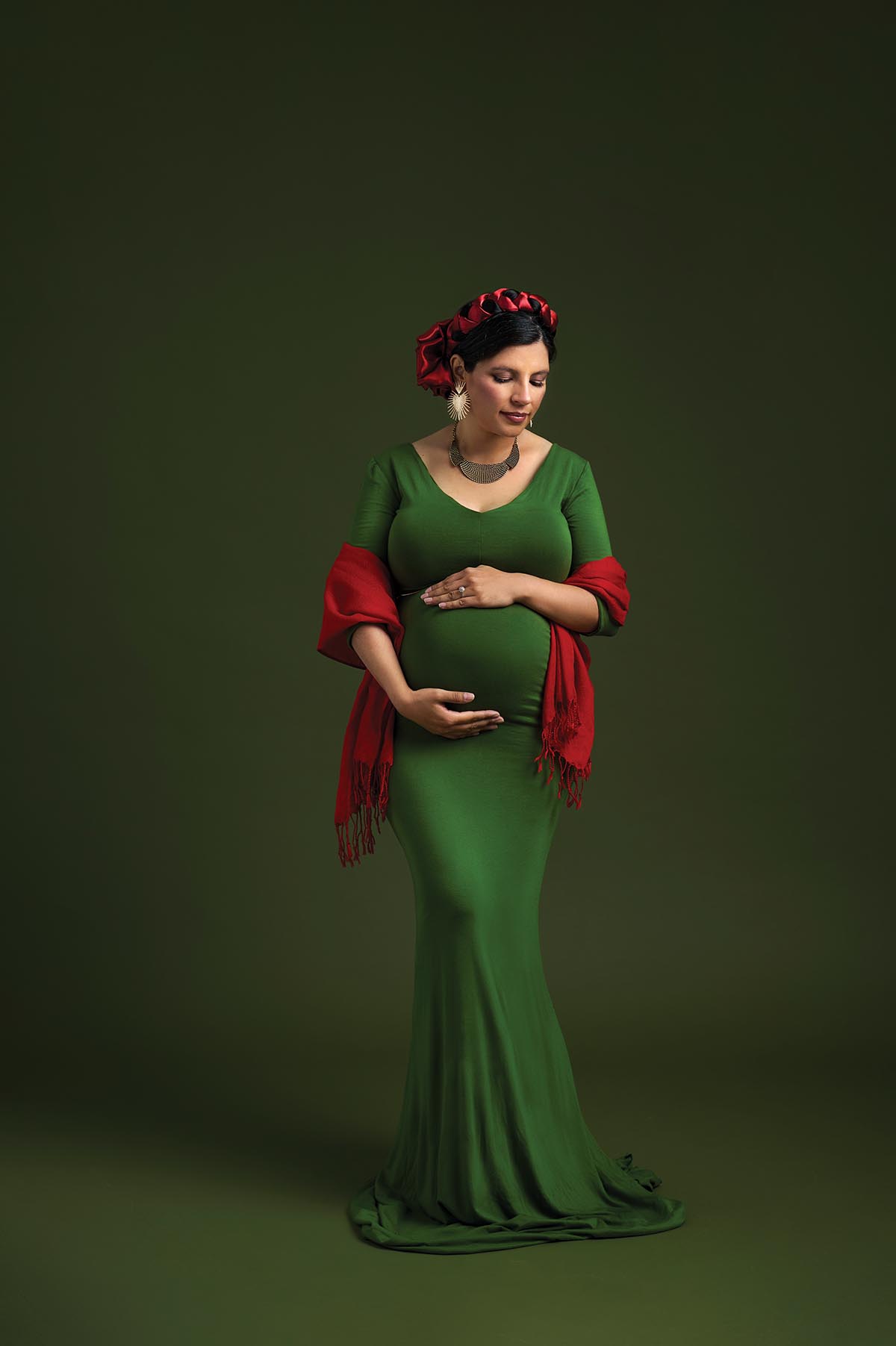
Her process begins with an in-person consultation, where she gets to know her clients and has them browse her client closet for looks that appeal to them. “I always tell them that I love to meet them [ahead of time] because it gives me a good sense of who they are and how far I can push them,” Page says. It’s human nature to hide when the camera comes out, but she reminds them that it’s her job to push them out of their comfort zone and show them how the rest of the world sees them.
To ensure her clients are never rushed, Page schedules just one women’s portrait session per day. The client arrives at 9 a.m. and is welcomed by her team. They work together to finalize outfits, which include those the client brings as well as items from Page’s client closet. Then, Page’s hair and makeup artist spends up to an hour and a half on the client, working her magic and helping break the ice. “Once her hair and makeup is done, [the client is] already feeling pumped,” Page says.
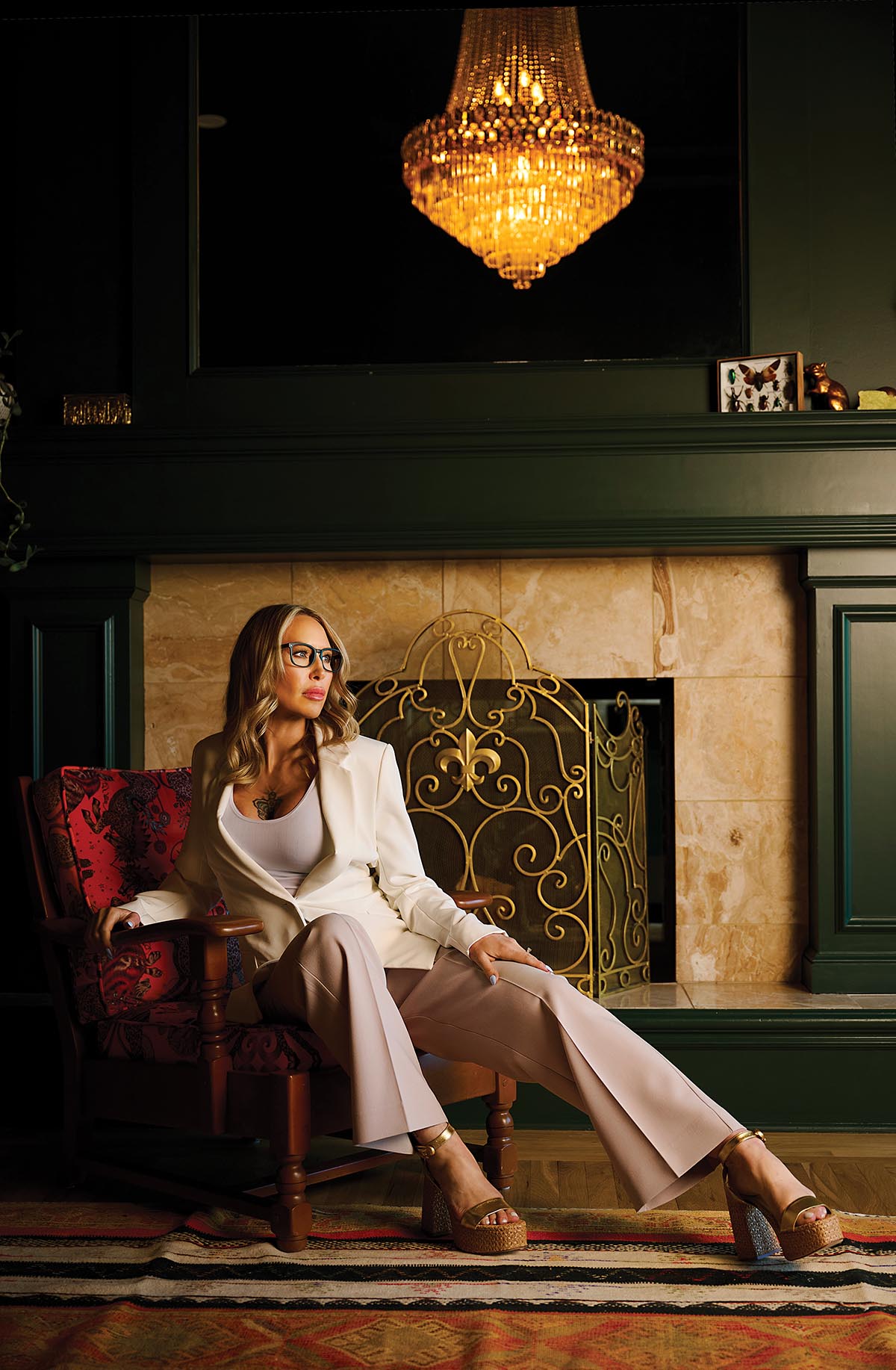

The photo session takes one to two hours. Afterward, Page asks the client if they want to break for lunch or view the photos right away. If they decide to break for lunch, Page joins them to get to know them a bit more. After lunch, she shows the client the unedited photos, and together, they make selections. Page edits only those selections. In three to four weeks, the images are ready.
Page’s “The Power of She” sessions always include one print photo. For each group of women she photographs, she plans a “ladies’ fashion night” at the studio, where her subjects mingle over wine and small bites, watch a behind-the-scenes video compilation of their sessions, and pick up their prints. Page also creates a print magazine with her favorite images and details about each of her subjects, which she collects from a questionnaire they fill out after their individual sessions. Page makes the magazines mostly for herself, she admits, but offers them to her clients for an additional fee, promising to swap any photos with other favorites.
YOUR OWN LANE
Running a photography business is challenging, and Page has learned many lessons. One is to have a good understanding of the numbers. “You have to do the math,” she says. Calculate your cost of doing business—electricity, internet, cleaning supplies, personnel, etc.—and that number is the bare minimum you need to make. “My session fees have to be able to cover that number,” she says. She pays herself through the packages her clients purchase after their sessions—whether prints or digital files, which she prices as high as her prints. “If they don’t buy any images,” she explains, “I don’t make any money.”
As for her marketing, it’s 90% referrals, Page says. She tells her clients to be honest with their contacts about her session fees and package costs. “Let them know I’m pricy,” she says, “because I don’t want them to come in and be surprised.” By encouraging that honesty, she narrows her pool of clients to those willing to spend the money she needs to keep her business profitable.
Finally, she advises, “stick to your own lane,” and avoid comparing yourself and your work to others. It’s a waste of time and energy to focus on other photographers’ accomplishments when you can put that energy toward your own goals and dreams. “I’m here for me,” she says. “I am my only competition. I am fighting here with my own self to get better than my last self. That is all I’m doing.”
Amanda Arnold is a senior editor.
Tags: portrait photography pricing