
Playing the Long Game
Liza Gershman offers tips on how to strive and thrive in the commercial niche
• September 2025 Issue
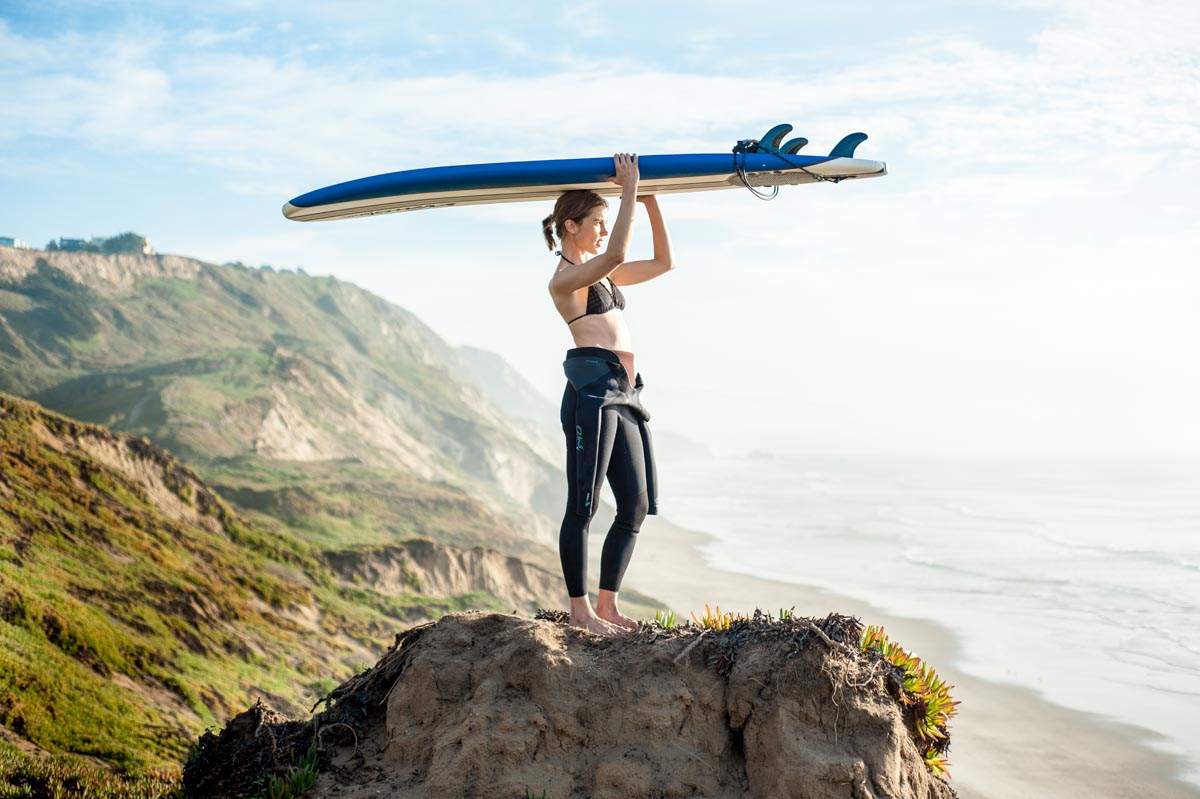
Sonoma County, California-based commercial photographer Liza Gershman was known among the students she taught at Savannah College of Art and Design (SCAD) for always asking one question: How are you going to eat? “That’s my main question” for aspiring professional photographers, says Gershman, who was formerly associate chair of photography at SCAD. “Virtually no one is an overnight success” in the photography field, she adds, “and anyone who says they are is really not telling you the backstory.”
Gershman’s backstory includes a master’s degree in English and American Literature along with a photography degree, countless speaking engagements, a stint in 2010 as California Gov. Jerry Brown’s campaign photographer, and a monthly article in the San Francisco Chronicle’s travel section. Like many photographers, Gershman is a dreamer. But she’s also a realist. “I think there is a big misconception with emerging photographers that once you get your first job, it’s all going to just waterfall down and you’ll have constant work all the time,” she explains. But that is not the case in commercial photography, says Gershman, who is currently working on her 20th photography book and has worked with large brands including Hyatt Hotels and Pepsi Co. “Most professional photographers, their work ebbs and flows. Some years you have a tremendous amount of work and other years you are very lean.”


She advises photographers to anticipate those lean times and have a plan to fill in financial gaps with other types of work (for example, as a digital tech, stylist, or photo editor for commercial shoots or by doing portrait work), to plant seeds for future assignments while engaging in current assignments, and to stay in contact with commercial clients even when they haven’t yet responded to a pitch.
Gershman plans to share these tips and more during her pre-con session at Imaging USA next January in Nashville, Tennessee, called “Mastering the Commercial Market: Strategies for Success in Photography.” After all, commercial photography is a long game. “You just don’t know when your idea is going to land or how long it needs to marinate and percolate,” she says, “so you just have to keep moving forward.”
FIND A RED CAR
Whether you’re just out of photography school or you’re an experienced pro, Gershman advises taking these steps to work toward a career in commercial photography:
First, find a commercial photographer you admire, pitch a portfolio of your best work, and ask if you can assist them. Assisting exposes you to the processes unique to commercial photography: commercial lighting, digital tech work, contracts, client negotiations. It also exposes you to the various roles and teamwork involved in a commercial shoot. “Go be a volunteer for two months if you can,” she says. “If you have a full-time job, do it on the weekends.”
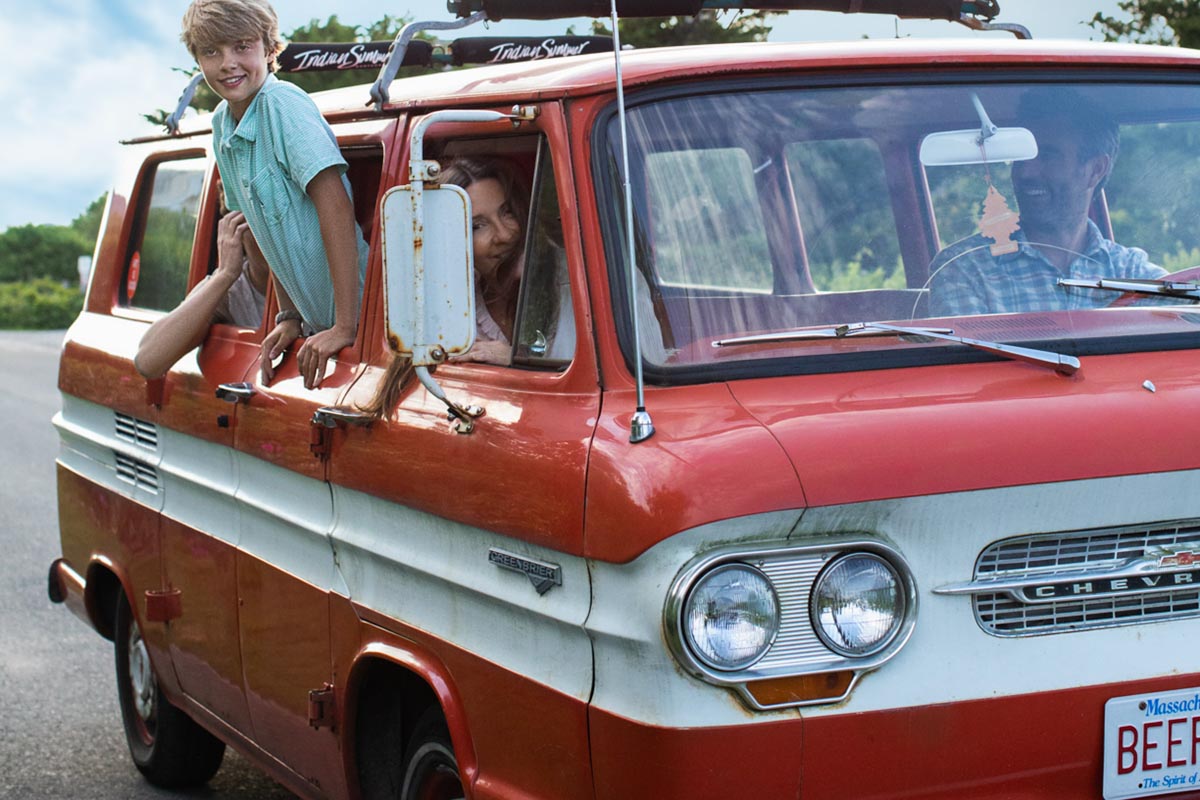
Once you’ve added some images to your portfolio from your assisting work, pitch to small businesses in your community. Gershman recommends setting an affordable price for the area. “You don’t want to have the highest price because your skills are not quite there, and you have to be realistic about that,” she says. You can work up to higher prices as you gain more clients and beef up your portfolio.
As you take on assignments, add and subtract from your portfolio so it reflects new skills. “You might look through [your portfolio] and think, OK, some of the earlier work I did in my home studio, maybe that wasn’t my best. Now I’ve learned more. I’ve shot a hundred things rather than three, and I’ll take those out of my portfolio.” Keep your portfolio “tight,” she advises—just 20 of your very best photos, and make sure it reflects the type of work you’re interested in doing. If you want to make product shots for tech brands, remove the baby photos, for example.
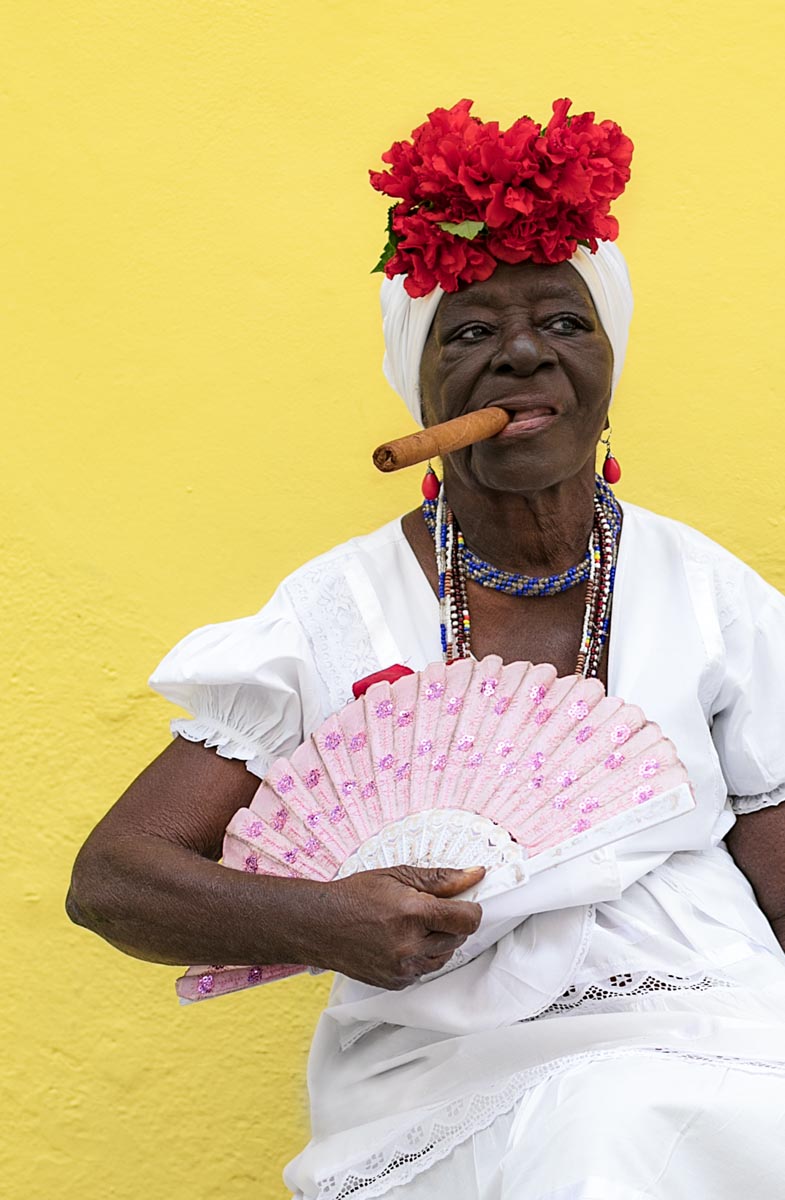
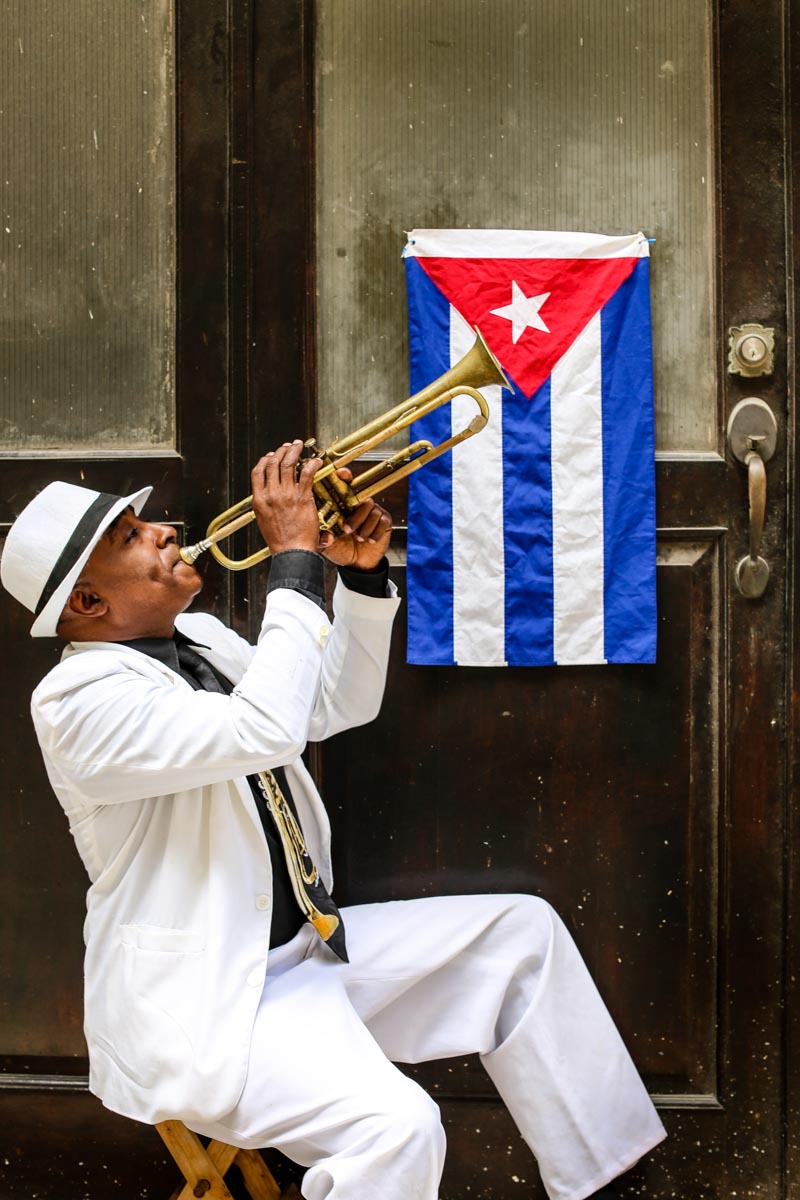
“Once you’ve accumulated enough of your own clients and really, really are honest with yourself that your work matches what you’re seeing in large-scale ads, then you can start reachingout to art directors, producers, and art buyers at larger brands,” says Gershman. She recommends using LinkedIn to find and reach out to contacts. A simple message will do: “Hi I’m X. I’ve been working on X. I really like what you’ve been doing with X. If there’s an opportunity for us to work together, please let me know.”
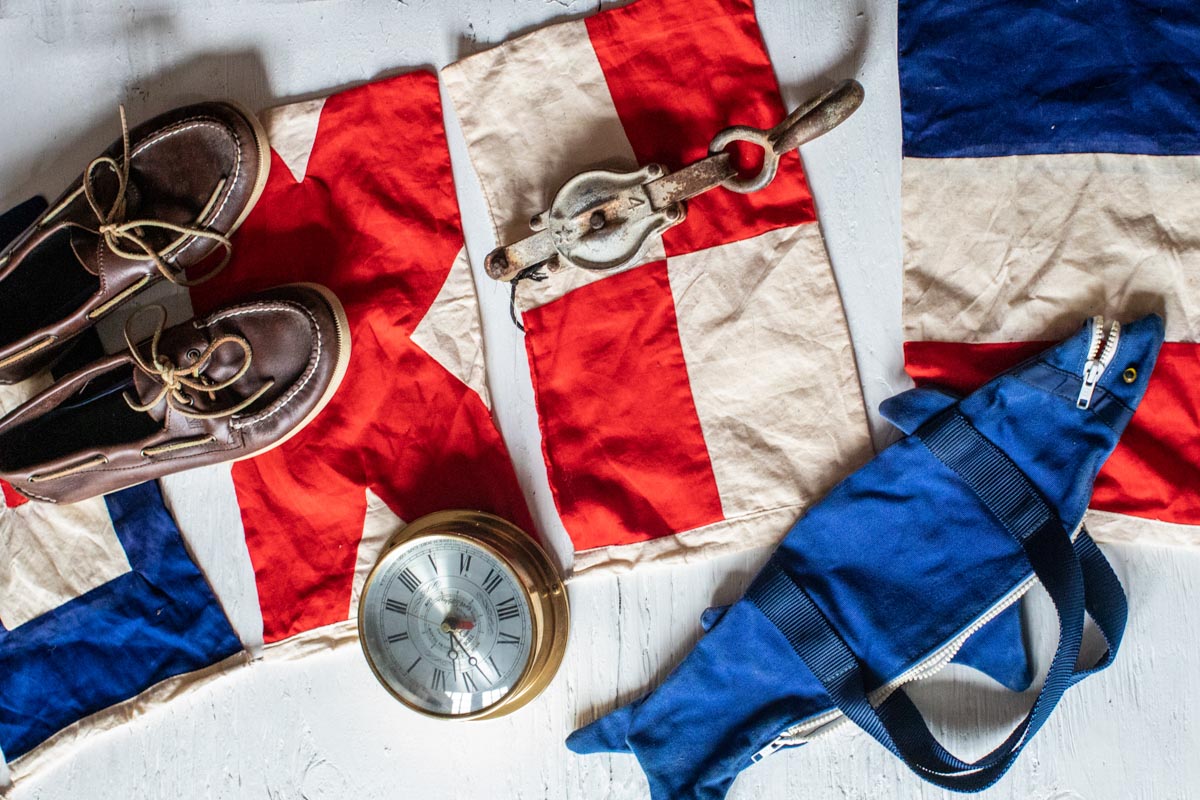
When you make a pitch, the portfolio you share should be a perfect reflection of that particular brand’s look and what it sells. “Art directors really only hire for exactly what they can see,” she says. “So, let’s say they want a red car, but you’ve photographed 200 blue cars. You probably won’t get the job because they need to see that red car. So, if you know they want a red car, go out and find a red car and photograph it.”
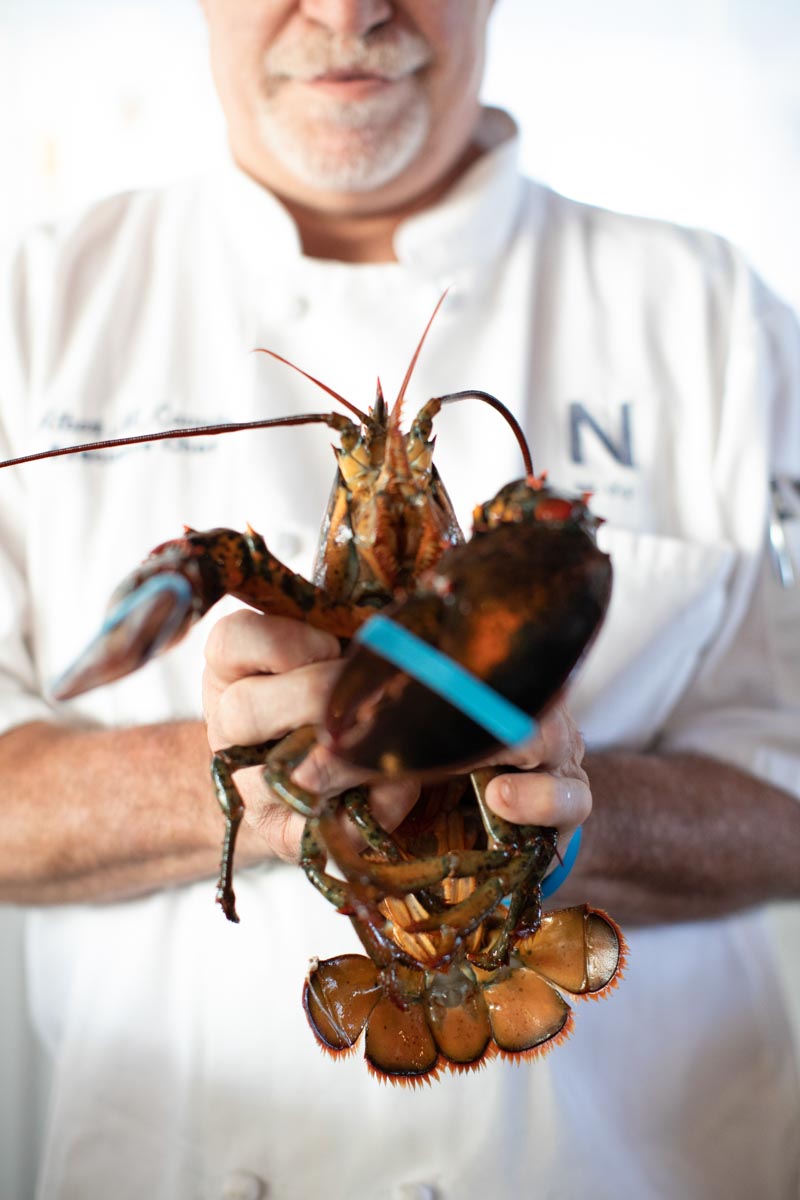

FOLLOW UP
Creating a list of five dream clients to work toward is also a great idea. Gershman once took this advice from a colleague, which led her to a full-time senior digital photographer position with one of her own dream clients, Williams Sonoma. Once you’ve landed an assignment with one of your dream clients, add another dream client to your list and adjust your skills and your portfolio appropriately to move toward winning that brand.
But don’t expect to hear back from the big-brand art directors immediately, she warns. “They may or may not reach back, so that’s when you have to remove your ego and realize that there will be a thousand nos for every yes.” And persevere. Every few months, when you have something new to share that would be relevant to that client, contact them again. “Goals in photography are not immediate,” she says. “You almost never get an immediate job from something. It usually is a year later or two years later, and that’s something I’ve learned time and time again. The work I do today is most likely the project I’ll have five years from now.
“It’s just about putting down the pebbles every day,” says Gershman. “And if you continue to put down pebble after pebble every day, you’ll look up and you’ll realize you’re standing in front of a castle.”
Amanda Arnold is a senior editor.