

"High energy" is a phrase portrait, sports, and school photographer Leroy Tademy uses often to describe his style. It’s a phrase that also speaks to the success of his and his wife’s volume photography business in Lake Charles, Louisiana. “Chelsea and I complete more than 250 jobs a year—and now have seven children, five of whom we homeschool—so we need every bit of that high energy to keep things rolling,” says the 38-year-old with a broad smile.
After falling in love during a photography course at McNeese State University, Leroy and Chelsea eventually married and opened Tademy Design and Photography in 2011. Initially, the company’s emphasis was on Chelsea’s graphic design, but the photography side—especially school, sports, and senior portraits—soon took off. “Thanks in part to the volume aspect of our work, there has always been a steady demand for our services,” says Leroy. “It’s a wonderful niche that keeps expanding.”
Today, Leroy and a small team of associates continue to do volume photography, and Leroy has also branched out into commercial and executive portrait work. He plans to expand into education, and is scheduled to lead “Dramatic Sports Portraits: Light Like a Pro, Sell Like a Boss” at Imaging USA 2026 in Nashville, Tennessee. The couple today runs two companies: Parish Photography Studio for school, volume, and sports photography, and Tademy Photography for portrait and commercial work. Professional Photographer spoke with Leroy about his blossoming career. The interview has been edited for length and clarity.
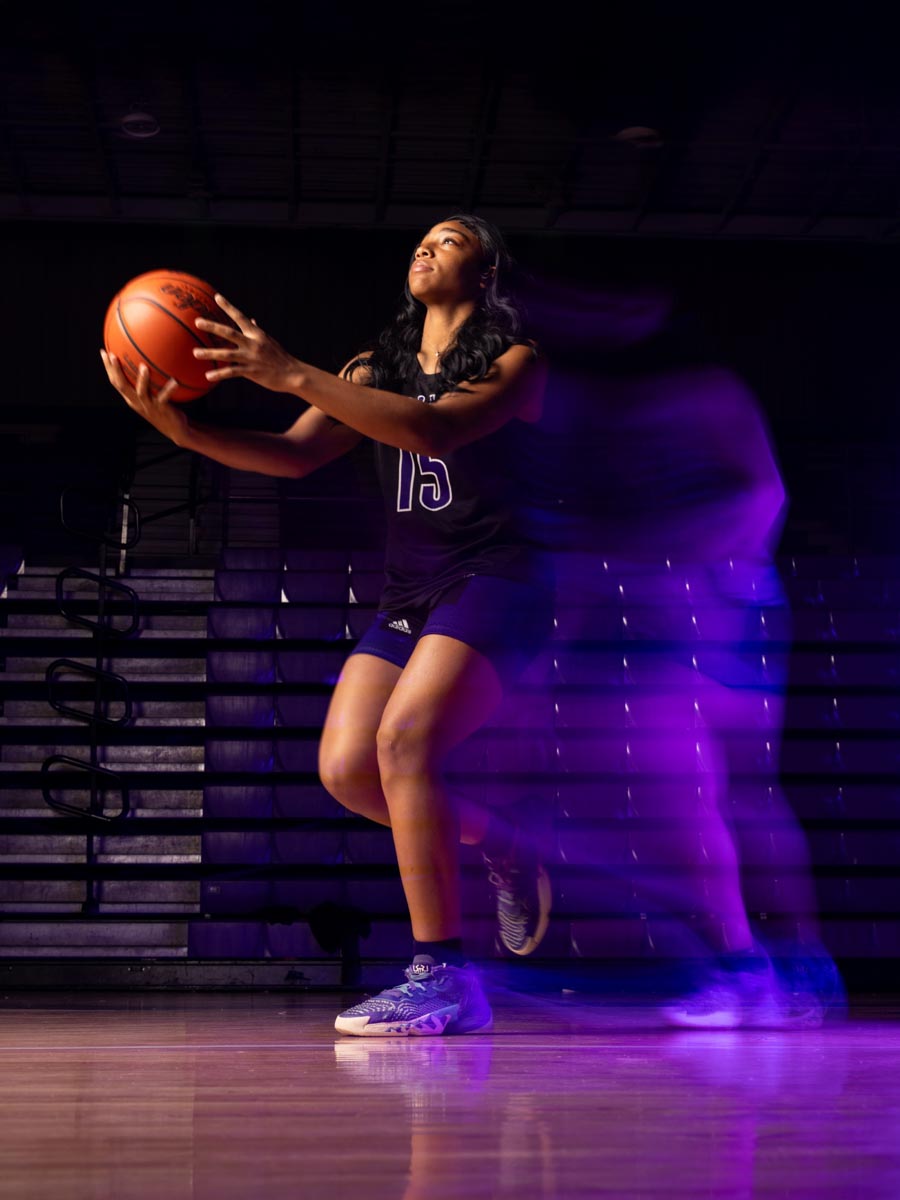

Robert Kiener (RK): What initially attracted you to school, sports, and volume photography?
Leroy Tademy (LT): I knew, from when Chelsea and I began our business, that volume photography—especially yearbook, school, and school sports work—was a business model that, if we were skilled enough, could offer us a consistent revenue stream. I liked the idea of concentrating on a photography niche that could grow year after year. And I really love the energy of sports photography and of young people, and working to capture that energy and passion with my camera. One of the pros of school photography is that you can rely on the work. You don’t have huge acquisition costs, and you know that if you’re good, you’re going to have a batch of customers every year. Say I’m photographing freshmen in 60-second blocks right now and for the next three years. By the time they’re seniors, they’ll know who we are and then some of them may come to us for higher-end senior portrait sessions. Eventually they may also come to us for wedding photos or family portraits. Thus, school photography can be an excellent feeder for future business.
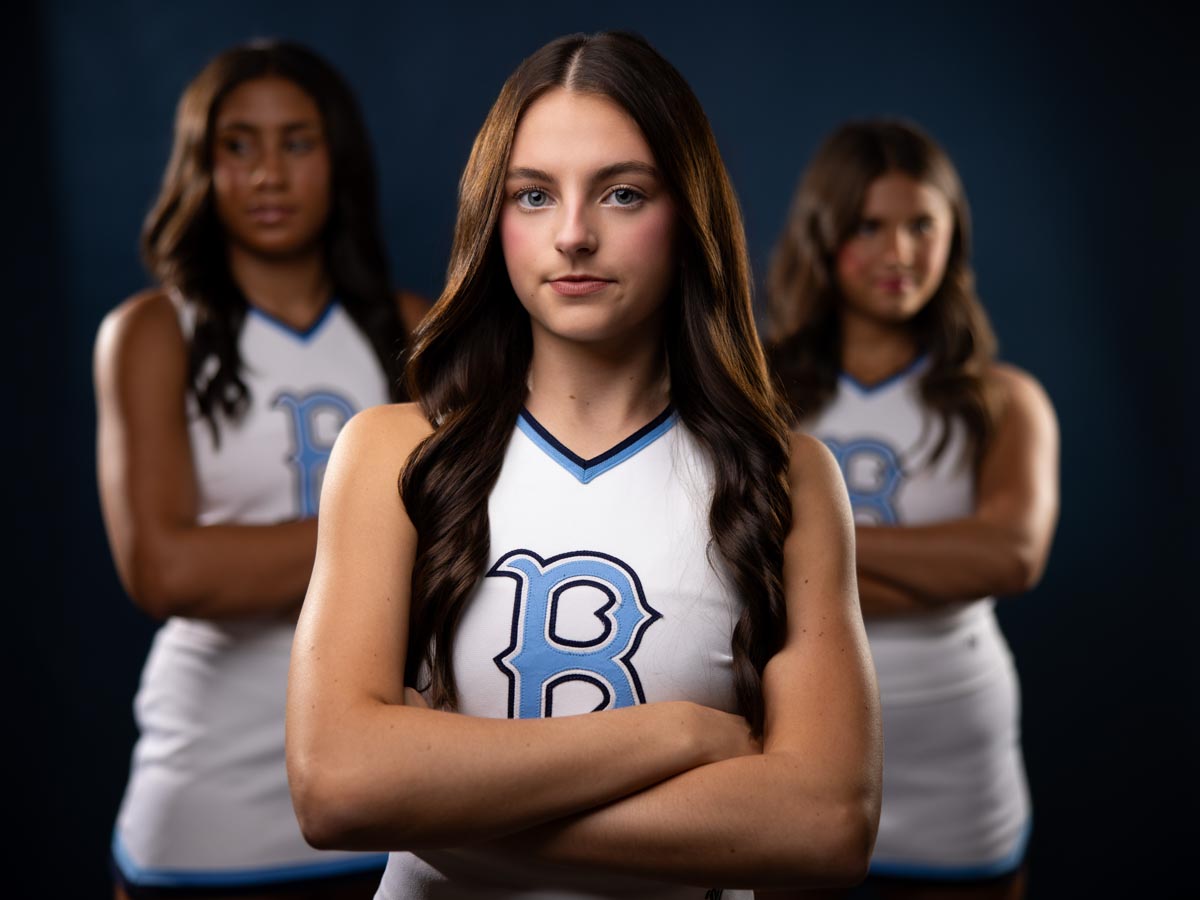
RK: How would you describe your style?
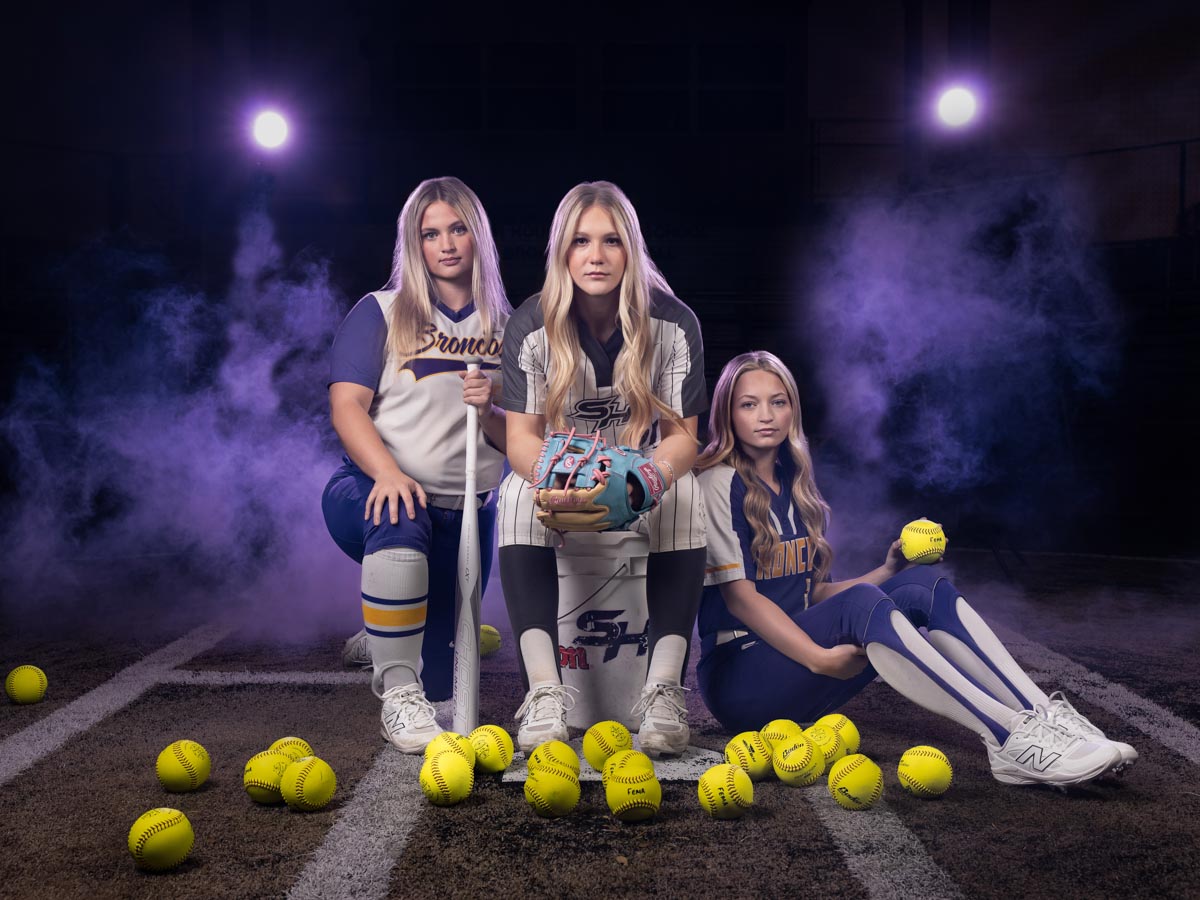
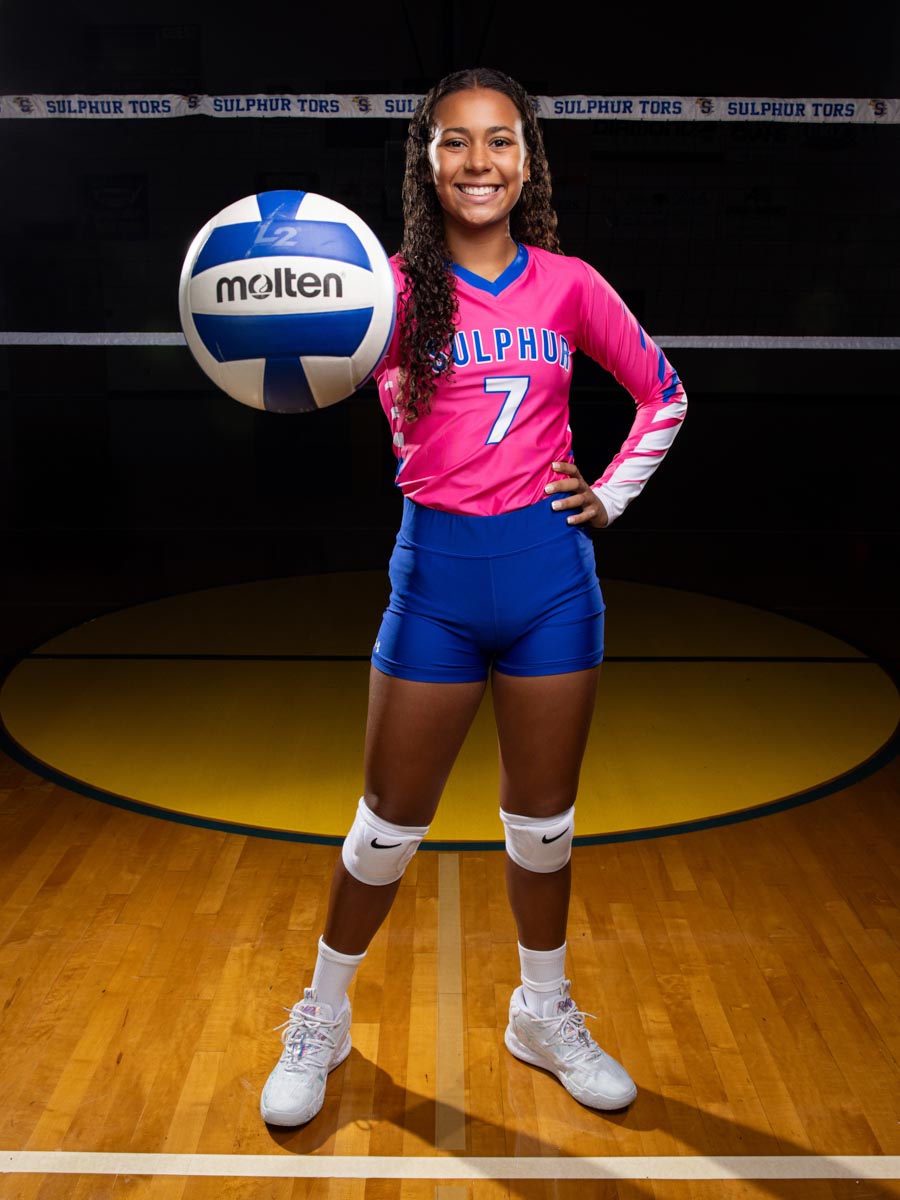
LT: In a word, I would say I am a “strobist.” I really enjoy using artificial light to create shadows and drama in my work. I remember when I started out, I bought a strobe light from a photographer who was retiring. I assumed I needed it, but it took me a while to learn how to use it. Eventually, I noticed I could use it to shape the light and change the way my pictures looked. After I got good with one light, I added a second. After mastering that, which took me a while, I added a third. I’ve come a long way. Today, I was doing a volleyball shoot and was using six or seven lights! Strobes offer me incredible, unlimited possibilities to tell my stories with my photographs.
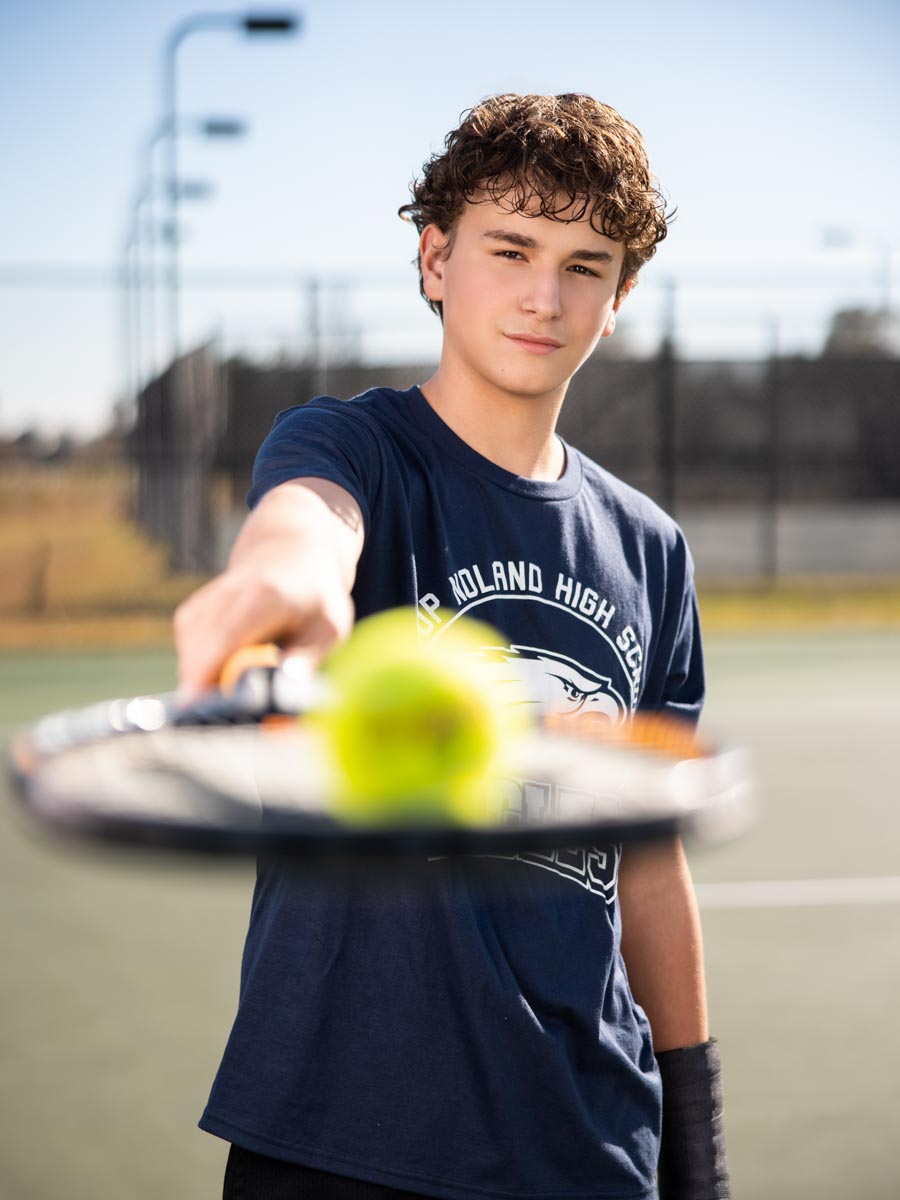
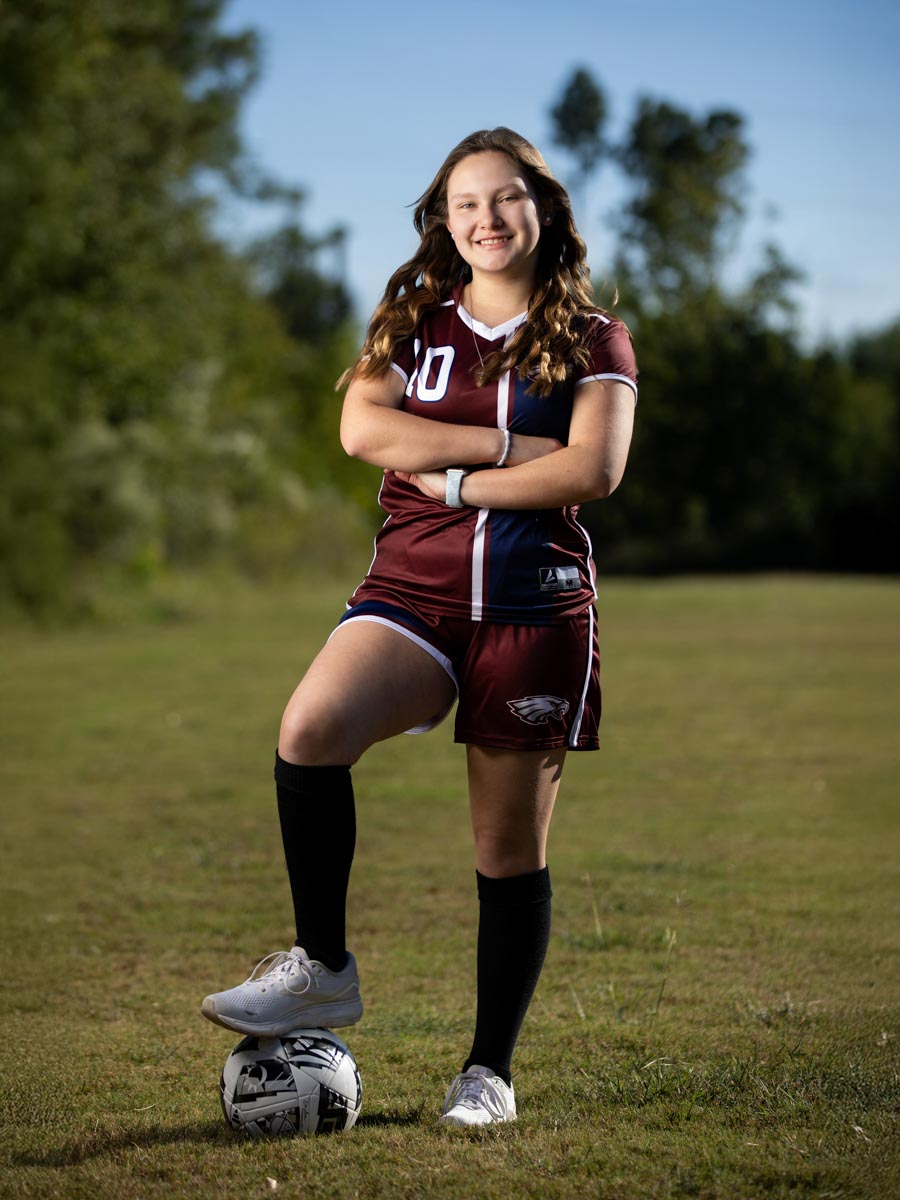
RK: With seven children, including a new baby, and five of them homeschooled, how do you have time to work?
LT: The short answer is that we have a babysitter who comes to the house five days a week for four hours a day. It’s always a balancing act but those four hours a day give Chelsea a dedicated, concentrated, I-can’t-be-interrupted session for work. She is designing or approving all our graphic design, such as senior posters, senior banners, and graduation announcements, and all our social media is run through her. As I’ve often said, high energy helps!
RK: You have started photographing homeschooled students and adding the homeschool market to your business. How did that happen?
LT: There’s a saying, “Your gifts make room for you.” If you have talent and people recognize it, you will be rewarded. The way our homeschool photography started is a great example of what I call organic marketing. We donated our time to take some portraits of homeschooling association officers in Louisiana. They had a good experience, liked the results, and asked if we could photograph some of their children who were being homeschooled. Then these parents told other parents of home-schooled children, and the ball kept rolling. Often a group of parents who are homeschooling their kids will hire us to photograph a graduation party they’ve organized.

RK: How has this organic marketing helped you grow your business in general?
LT: The very nature of doing volume photography helps get our name out there, and that can lead to new assignments. While a portrait photographer may only have three or four assignments a week, there are weeks—as volume, school, and sports photographers—we may have 16 or more assignments. Simply being in front of that many people can help. For example, say I’m photographing a football game. I’m wearing my company shirt and have special access. People see me, realize I’m a professional, and they may ask me if I’m available to photograph their [student] or do a graduation portrait. We’re essentially getting paid to market ourselves at these events.

RK: And this volume photography has helped you branch out into commercial work?
LT: Absolutely. For example, we do a lot of work at private schools, and we’ve met parents who are entrepreneurs. They’ve liked our work and some have hired us to do commercial work—such as portraits or product photography —for their own businesses. Again, it’s this organic marketing that has helped us grow this new commercial side of our business. You may meet someone at a school session. Then they hire you to do commercial work, then you’re doing their Christmas family photos, and on and on. You can really start to grow with these people and start to know them in different ways professionally. You also get to know their kids and their families.

RK: Why have you established two separate photography companies?
LT: We noticed that over time we were getting two different types of clients. One sector was contacting us for volume photography, and the other for higher-end portrait or commercial photography. Because the time needed and the price points were so different, we decided to establish two separate entities for the two different experiences. I think I was inspired to do this by the years I’d worked at Sears when I was in college. If you wanted tools, you went to the tools department. If you wanted appliances, you went to the appliance department. That’s kind of how we did it, to differentiate our offerings. It’s more work and expense to maintain two separate firms and websites, but it offers a better client experience.


RK: Where do you see yourself in 10 years?
LT: I would guess that I’d be doing mostly commercial work and business portraiture. I also would want to keep making instructional YouTube videos, running workshops, producing how-to books, and expanding a mentoring business. There are a lot of things everyone needs to know about the basics of photography, but there are many other things, such as learning how to break into the niche sector of high school photography, that I feel I could help with. I hope I can focus on bringing up the next generation of young photographers, helping them get their businesses rolling, getting them to where I am, and then helping them surpass me. That’s because the biggest compliment someone could give to me would be to become better than I am.
Robert Kiener is a writer in Vermont.