
Performance to Rely On: Leica SL3-P
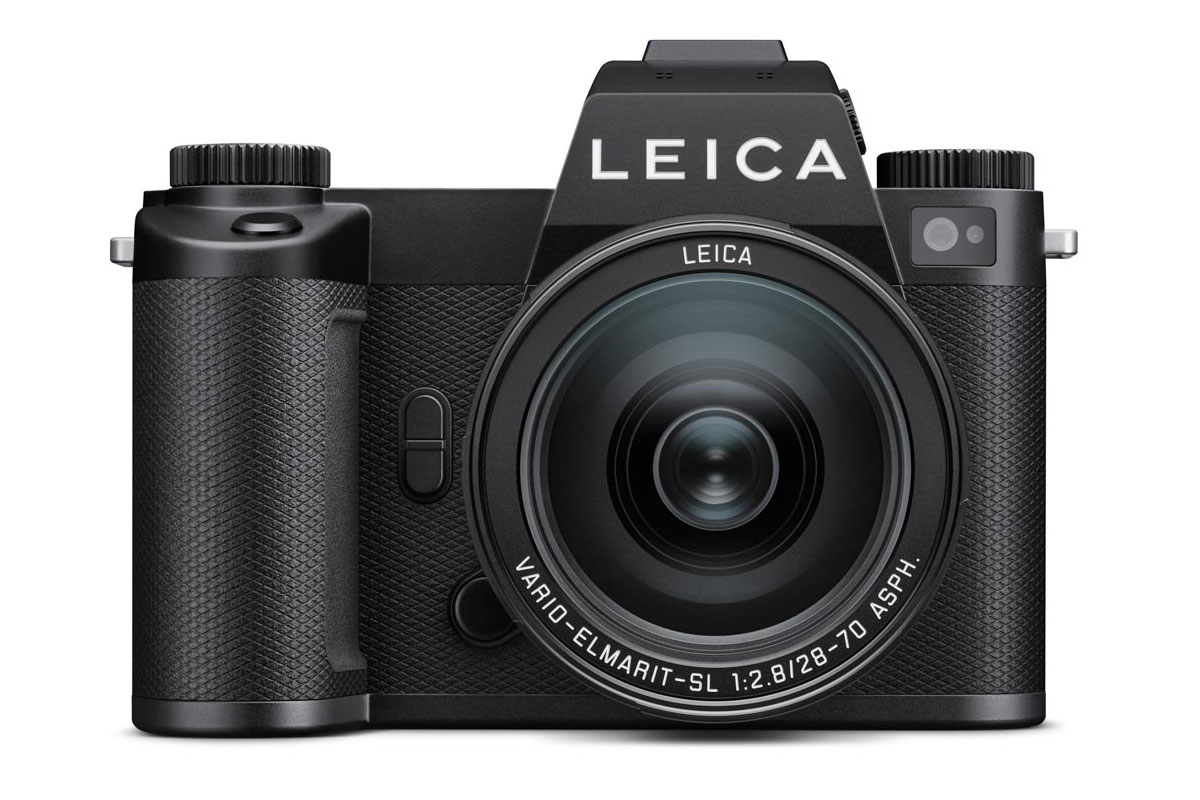
Leica did something unexpected with the release of the Leica SL3-P. In 2024, Leica released the SL3: a 60-megapixel camera built around a newly upgraded Maestro processor. A year later, Leica released the SL3-S, a 24-megapixel camera with a more video-focused design. For photographers and filmmakers like me who didn’t need 60 megapixels but still wanted the Leica look and feel, the SL3-S was a great alternative.
There had been rumors about an upcoming SL4, so when the SL3-P was announced it was a healthy reminder that rumors are just … rumors. And Leica users suddenly had another option.
The SL3-P fills a gap between the formidable high-resolution SL3 and the more nimble SL3-S. Leica’s press release says, “At the heart of the SL3-P’s features are a new sensor and a new hybrid autofocus system. The 44-megapixel BSI full-frame sensor provides an ideal balance of high resolution and exceptional image.” Leica touts its reliable autofocus with moving subjects, and intelligent recognition and subject tracking in dynamic scenes, using phase detection, depth mapping, and contrast measurement. The SL3-P also features 5-axis image stabilization. In a notable departure from tradition, Leica removed the iconic red dot from the front design of the SL3-P, muting the face to an almost-blackout look save for the white Leica lettering.

Alongside the announcement of the SL3-P came a firmware update to Leica’s video menu system that was almost as exciting as the camera itself. Don’t get me wrong, the SL3-P immediately earned its place in my kit bag, but the redesign of the menu system lets users bypass the headache of sorting through more than 150 recording options.
With the SL3-P also came the ability to record 4K at 120 frames per second, something its predecessor, the SL3-S, can’t do. But a few video codecs—for reasons Leica hasn’t explained—aren’t available on the SL3-P, even though they are on the SL3-S. Sadly, a niche format I’ve come to love—3.2K in APS-C mode at 50 frames per second in ProRes—is only available on the SL3-S. The other codecs only available on the SL3-P, such as 6k at 60 frames per second and 6.4k open gate at 30 fps, make up for what it does not have.
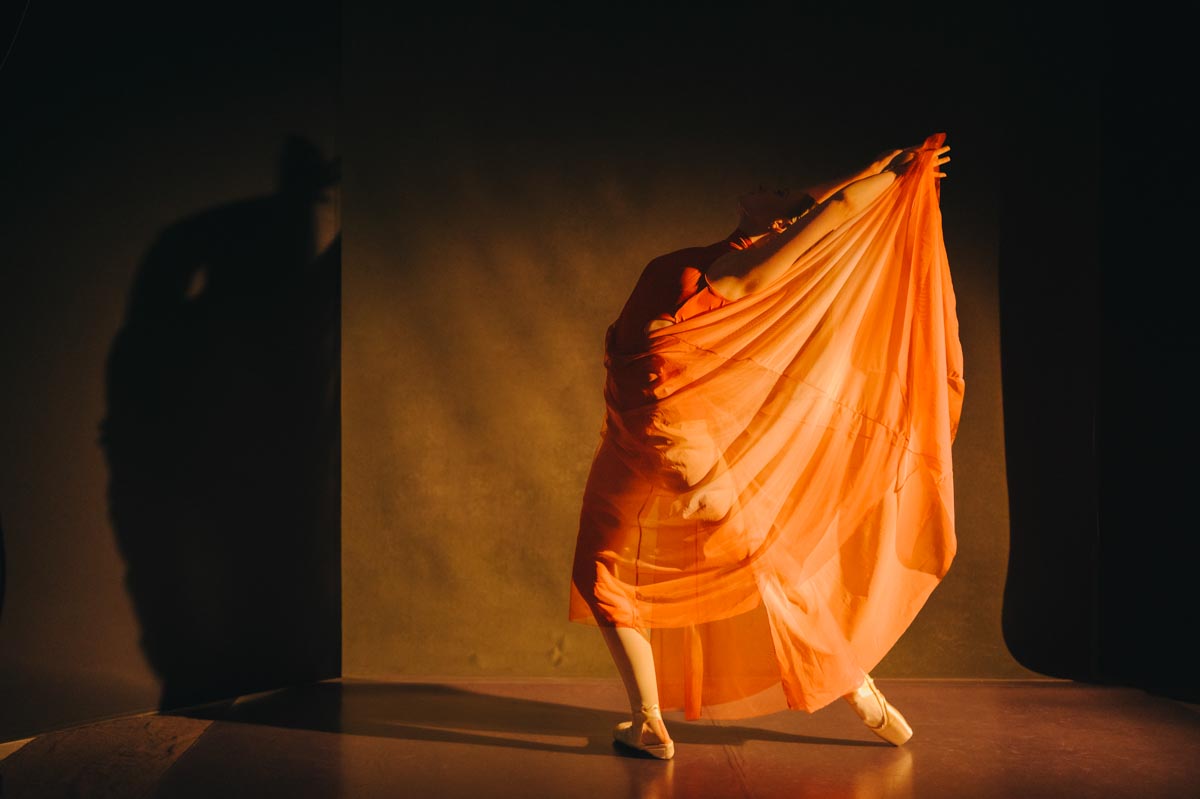
During a Leica store meetup, I had the chance to test the limits of the SL3-P. During the meetup, a dancer demonstrated her ability to move within a small space, and I took the opportunity to test video capture in 4K at 120 frames per second. The lighting wasn’t ideal in a room built for shooting with flash, so I was working with whatever ambient, constant light was available. But despite the low light and the high ISO I needed for a good exposure, the camera performed flawlessly (above right). The playback in DaVinci Resolve blew me away.
One interesting thing about the 4K 120 fps: If you play the footage back in camera, it doesn’t convert the playback to slow motion; it looks as though it were shot at any other frame rate. So, to truly assess the video, you have to bring it into post.
After taking several clips of the dancer at 120 frames per second, I noticed the camera felt warm in my hands, but it never overheated or warned me of impending shut down due to heat.
To date, the Leica SL3-P is the most advanced camera in the Leica SL system. I highlight these three attributes:
- The ability to capture video in 4K at 120 frames per second with audio capture, and smooth and accurate autofocus. On the SL3-S, you were limited to Full HD at 120 frames per second, without autofocus. This is a specific need for a specific look and feel, but it is empowering to know the option is there. That frame rate at that resolution comes in handy when you need it most.
- The resolution. Forty-four mega-pixels is the perfect balance between the 24-megapixel SL3-S and the 60-megapixel SL3. It’s not too small to have options and not so large that it weighs down your workflow.
- The increased frame rate and the accuracy of the autofocus. Not every job requires captures at 40 fps or even 25 fps, but there are times—when you won’t get a second chance—when it can make a huge difference. When photographing at 40 fps, you will see a number in the bottom right corner of the frame inside the viewfinder that indicates how many images you have before you fill the buffer, which from my experience was 70. I could take 70 images in one burst before the buffer filled and I needed to wait for it to refresh. But the refresh time was milliseconds. The refresh rate is the same for 25 fps and 30 fps as well.

Having embedded myself into the Leica community for nearly two years, I can say it’s a niche group of creatives who value precision, a minimalist approach, and an undying love for the art of creating. Leicas are not for everyone, but Leica knows that.
The Leica SL3-P would make a great first body for someone who wanted to start using the Leica system. It would also be a great model for photographers who are already in the Leica system and need a second body to fill the gap between the SL3-S and the SL3.
I’ve put this camera through more paces than I could in most reviews I’ve done. Full disclosure: I purchased the SL3-P, so it wasn’t a loan unit with a return deadline like equipment for other reviews. I wanted to see how it compared to the SL3-S and the SL3, both of which I’ve used extensively on various projects. For me, the SL3-P is the sweet spot between the two.
No camera is perfect, and every system, regardless of brand, has its shortcomings, though what measures as “lacking” can vary from photographer to photographer. For example, the SL3-P has a shorter battery life than what professional photographers might be accustomed to. On average, you can take between 320 and 380 photos on a single charge. That number varies depending on the environment, how much you’re using it, the settings, and whether you’re bouncing between photo and video. It doesn’t last as long as the SL3-S, though that’s expected given the file sizes and the additional processing.
Sometimes we need more speed, and sometimes we need both resolution and speed. Leica stakes its spot in that realm, adding, “One thing matters above all else: Trust. In your camera, and in yourself. The certainty of achieving exactly what you envisage without a second thought.” The Leica SL3-P performs to that standard and more.
Tyler Rickenbach is a photographer and filmmaker based in Idaho.