
One Good Thing Leads to Another
Heather Crowder combines volume and boutique portrait photography

Heather Crowder’s first foray into photography was underwater. For about 15 years, she owned and operated a scuba business out of Annapolis, Maryland, which involved teaching people to dive and leading dive trips to destinations like Egypt, Indonesia, and Fiji. Her photography played an important role in her marketing, helping connect her with clients.
After the birth of her first child in 2006, Crowder realized the travel-intensive scuba business was incompatible with raising a young family, and she sold the business shortly after her daughter’s first birthday. The new mother repurposed her camera from dive trips to photograph her child. Word of her talent spread, and family, friends, and acquaintances started asking her to photograph their kids. A new photography venture began to take shape. By the end of 2007, she launched a simple website and officially started a business as a family and child portrait photographer in the Maryland capital city.


INCREASING THE VOLUME
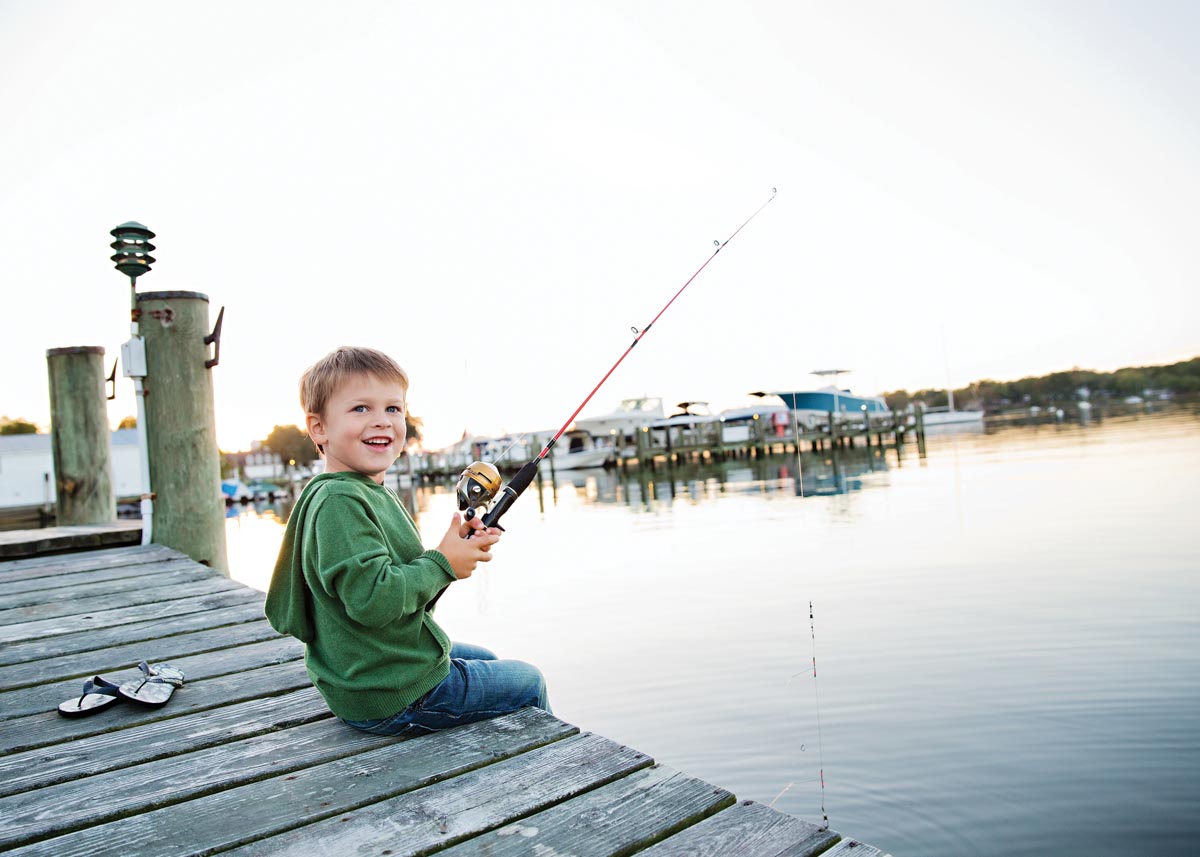
About 18 months after starting her business, an acquaintance asked Crowder if she’d be interested in taking individual photos at a preschool. Initially, she resisted, saying a fast-paced, volume-oriented school gig wasn’t part of her brand. But, she recalls, she realized the families at the preschool were her target audience. So, she did the first school session, then another for a second campus. She recalls the work was tedious and time-consuming, but also much more profitable than she anticipated. “I didn’t go into it thinking about the profitability of the school pictures,” she says. “My goal was to get in front of the parents for my boutique portrait business. But then I was profiting off of preschool photography and all of these parents came into my fold and got on my email list.”
When she launched family mini portrait sessions the following fall, she says, “the bookings went crazy.” The school work fed the family sessions, which fed bookings for other child and family portraits, and additional word-of-mouth referrals. Today, about 75% of the bookings for Crowder’s fall mini portrait sessions come from contacts made through her school photography, she says.
GOING CORPORATE
A few years into business, Crowder started fielding inquiries from adults—often parents at family portrait sessions—about professional headshots. Crowder started incorporating that genre into her business. The service gained momentum, and she began augmenting her offerings by including hair and makeup services. Before long, the individual headshot inquiries expanded into companies paying her to visit their locations to photograph employees. “It was a relatively easy transition,” says Crowder. “Everything that I learned along the way photographing large numbers of children, I started to apply to corporate portraits. I’m now very easily doing offices of 25, 50, even 75 people in a day. Now high-volume corporate photography is the single biggest inquiry coming to my inbox.”
Crowder recently began contemplating the next stage of her business. “As I start to figure out what growth and scale looks like in this business,” she adds, “volume is absolutely where that growth opportunity is, because it’s replicable, there’s a system you can create, and you can implement a very consistent look across whatever you’re doing.” With school and corporate photography already in her schedule, Crowder says the next logical market is sports team photography. For this venture, though, Crowder is employing a more systematic model that involves additional photographers and admin teams, and following a predetermined playbook for efficiency and consistency. She’s branded the service Lightbox Media, a separate entity from her portrait photography business. It also plays on the studio space she owns, Lightbox Studio, which she rents out to photographers who need temporary studio space.
“As I’ve thought over the past several months about this growth piece and adding people to my team, I realized that under my name, it just wasn’t feeling like the right thing to do,” she explains. “I’m also building something that potentially can be saleable in the future, and taking my name out of that equation is an important part of that. I think for anybody who’s thinking about the long term and an exit strategy, you really have to consider the naming piece.”
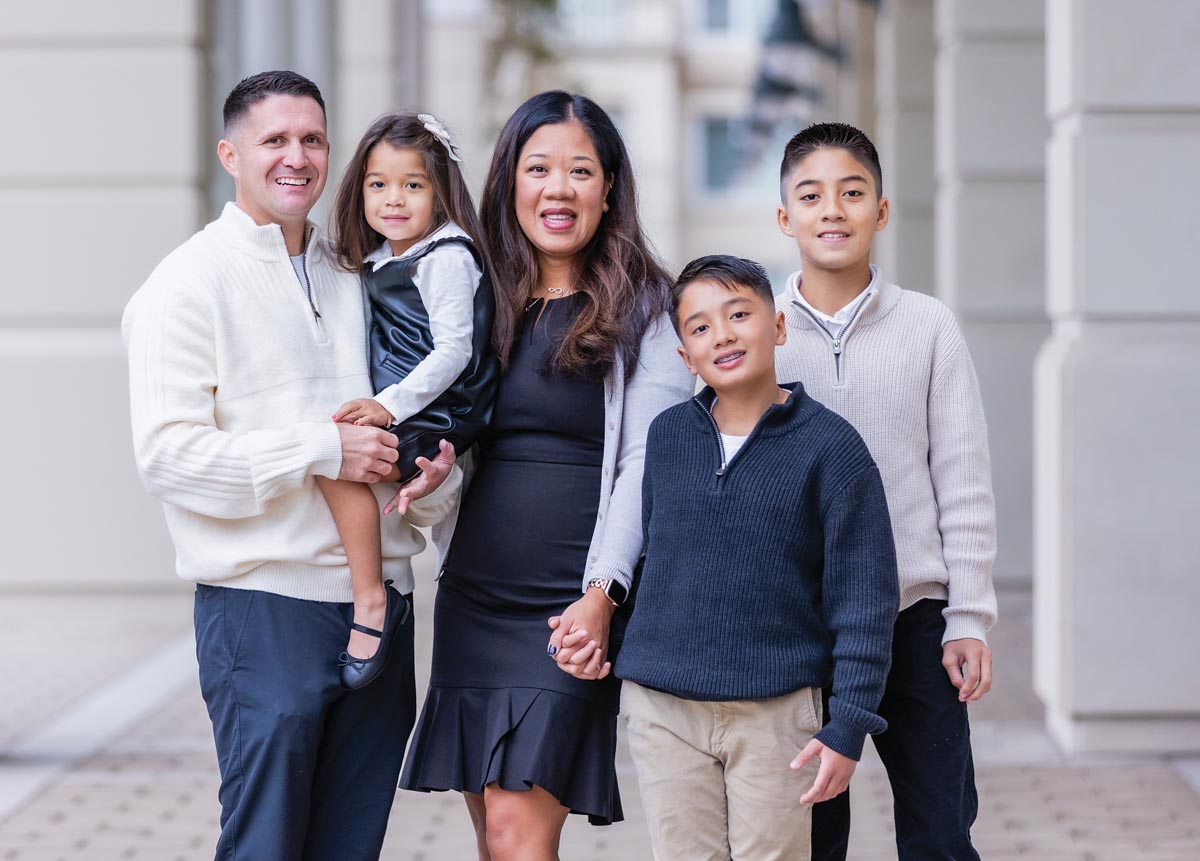
Beyond the future saleability of the business, there are practical considerations related to how people interact with photographers and photography studios. In some cases, they want that personal connection with an individual photographer. In others, it’s all about a service. It made sense then, says Crowder, to separate her more personal portrait business from the volume photography experience. “When I’m photographing families, they are hiring me,” she says. “There’s an emotional connection. I have 18 years of history in this area, and in some cases, I’m seeing these families year after year. … On the other hand, a company that needs 50 headshots doesn’t care who’s taking the photos. They just want them to be consistent, well-lit, well-composed, and high quality. So, they’re not hiring me. They are hiring an entity to do a job. I think that same thing is true across volume photography in general.”
ENGAGING ON ALL LEVELS
Whatever the genre of photography, Crowder says that quality imagery and positive client experience are ultimately what build a successful photography business. Her process often begins with nurturing a relationship with her clients. For example, her family portrait clients may arrive for a session feeling stressed or rushed, so she will try to lighten the mood. That includes using humor like asking kids playful questions, joking with dads, and generally taking the gravity out of the situation. “I’m 50% photographer, 50% entertainer,” she says.
Crowder keeps sessions moving and makes them as enjoyable as possible, avoiding poses that seem overly formal or stiff. For high-volume work, she gives direct instructions to guide clients through each pose. Her goal is to make the corporate photography experience feel like a well-choreographed dance—a “headshot ballet” as she sometimes calls it. Ultimately, personality and connections are more important than technical perfection, she says. This includes being approachable and empathetic, and acting as a guide who provides confident direction while continually building trust.

TRANSITIONING FROM BOUTIQUE TO VOLUME
When considering expanding from boutique-style portraits to a more volume-based business model, Crowder offers some tips:
- Ask yourself questions such as: Why do you want to expand into volume work? Why do you want to shift your fundamental processes? Your motivation—whether it’s generating more consistent income, taking on creative challenges, or reorganizing your schedule—will help define your approach.
- Develop systems that are replicable, high-quality, on-brand, and can be taught to others if you scale or build a team. When working in a volume setting, it’s critical to systemize processes for growth, she advises.
- Ensure your work offers a unique and high-quality experience. There are always other photographers who claim to do what you do, and many will offer to do it cheaper. What do you provide that makes you the most desirable option?
- If you hire, focus on personality and communication skills versus pure expertise. The ability to make clients comfortable is critical in any photography setting, and particularly a game-changer in high-volume settings that could otherwise feel like a robotic photo factory.
Most important, Crowder says, be prepared to adapt as your business grows. What works for family sessions may not work for schools or teams or corporate environments. Applying your unique talents and approach will help you generate more consistent success across all facets of your business.
Jeff Kent is editor-at-large.
Tags: volume