
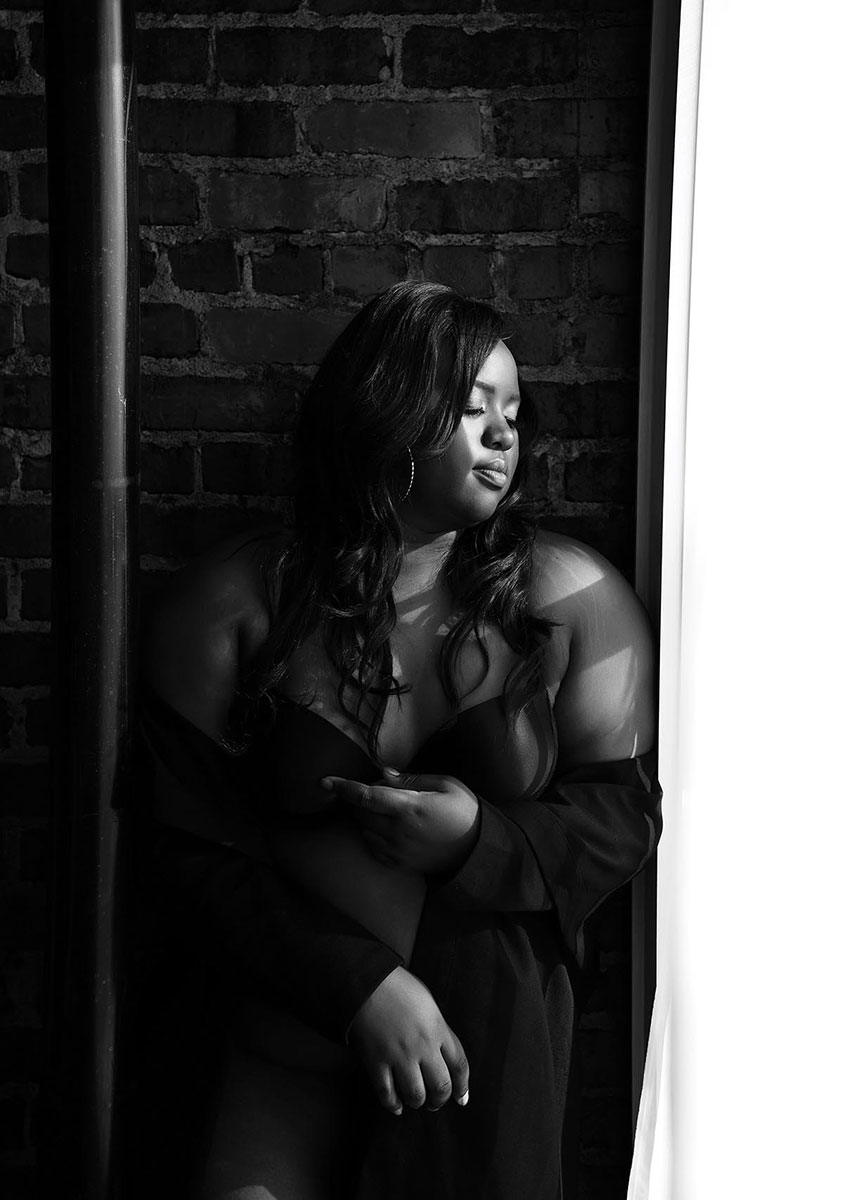
Years ago, my friend and fellow portrait photographer Donnamaria Robinson Jones spoke a sentence that’s never left my head, like a delicious bite of bread that leaves a giant seed stuck in your teeth: “Every time you photograph someone, you have the opportunity to empower them or exploit them.”
Now I’ve wedged a seed into your teeth too. My hope is that you don’t immediately dig it out, but that you might chew on it for a while with a side of judgment-free curiosity … about boudoir photography. And maybe, when you’ve finished chewing, you’ll decide to take the seed home, plant it, and nurture it while it grows.
My first boudoir photography session was at the beginning of my career, about 15 years ago. I photographed my roommate in lingerie as a wedding gift to her fiancé. Back then, I subscribed to a religion that believed my purity and modesty were my greatest assets. I was fresh out of Bible college with an eager attitude of submission toward every institution that claimed to be in tune with my idea of authority. I was also about to become the wife of a vocational pastor. I found myself wrestling with why I felt so drawn to boudoir photography in the first place.
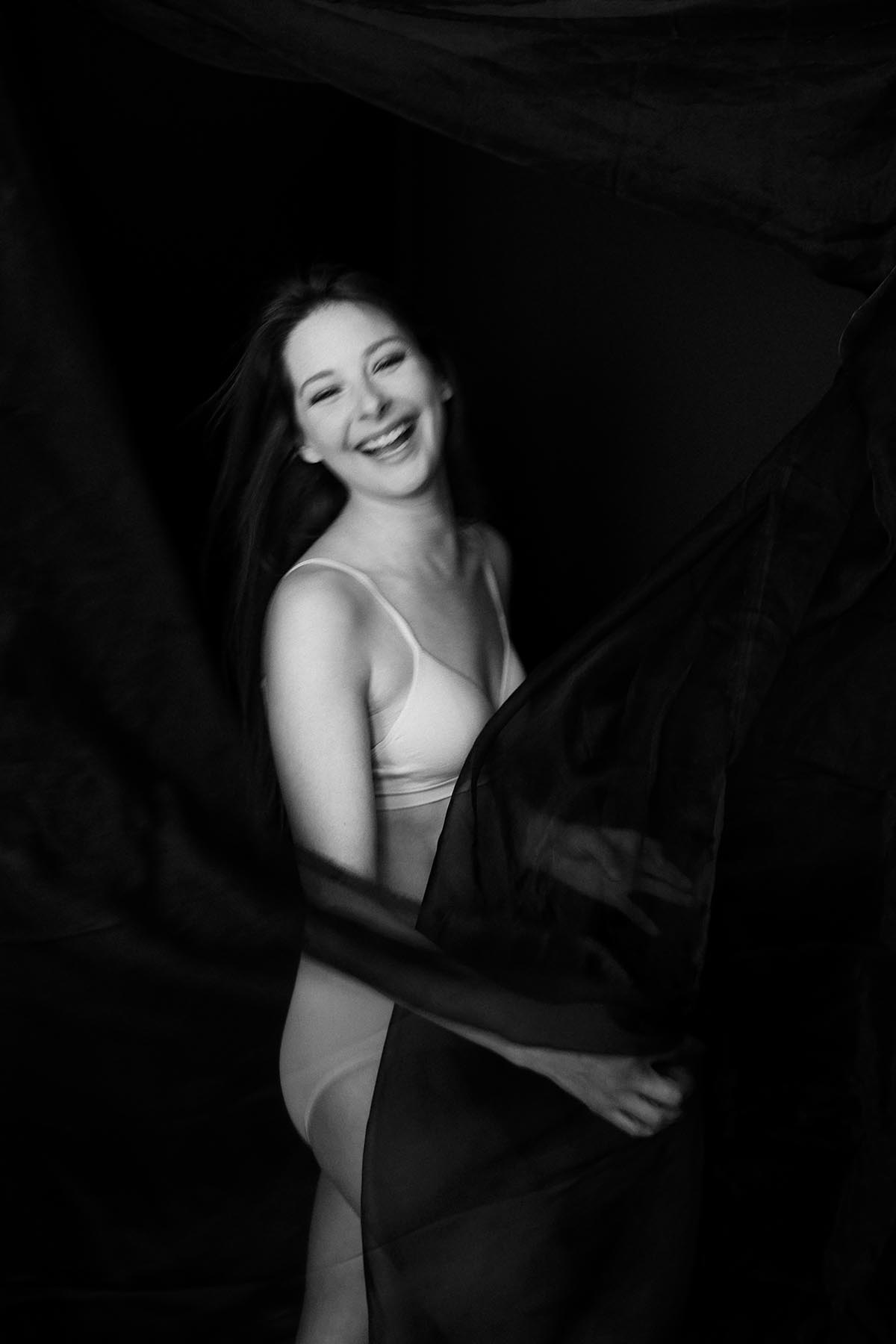
I did boudoir photo sessions for women who, like myself at the time, were modest and apprehensive, and saw the session as something purely for their significant other. When people shed physical layers of clothing, they feel vulnerable, and let their mental walls down too. So, I met my clients there, in this uniquely vulnerable portrait space. Rather than try to convince everyone (read: myself) that boudoir was not distasteful, objectifying, or cheesy, I focused on what it could be, and what I loved about it, which was that expression of vulnerability inside empowerment. Ten years ago, I wrote a blog post about this and included several reviews from those early boudoir sessions. My clients told me:
“It completely changed the way I viewed myself.”
“I am a more self-confident woman because of this experience.”
“I eventually let go of what I thought I should look like and allowed myself to be myself, and I am surprised by how that freed me to believe in my own womanhood and appreciate myself like never before.”
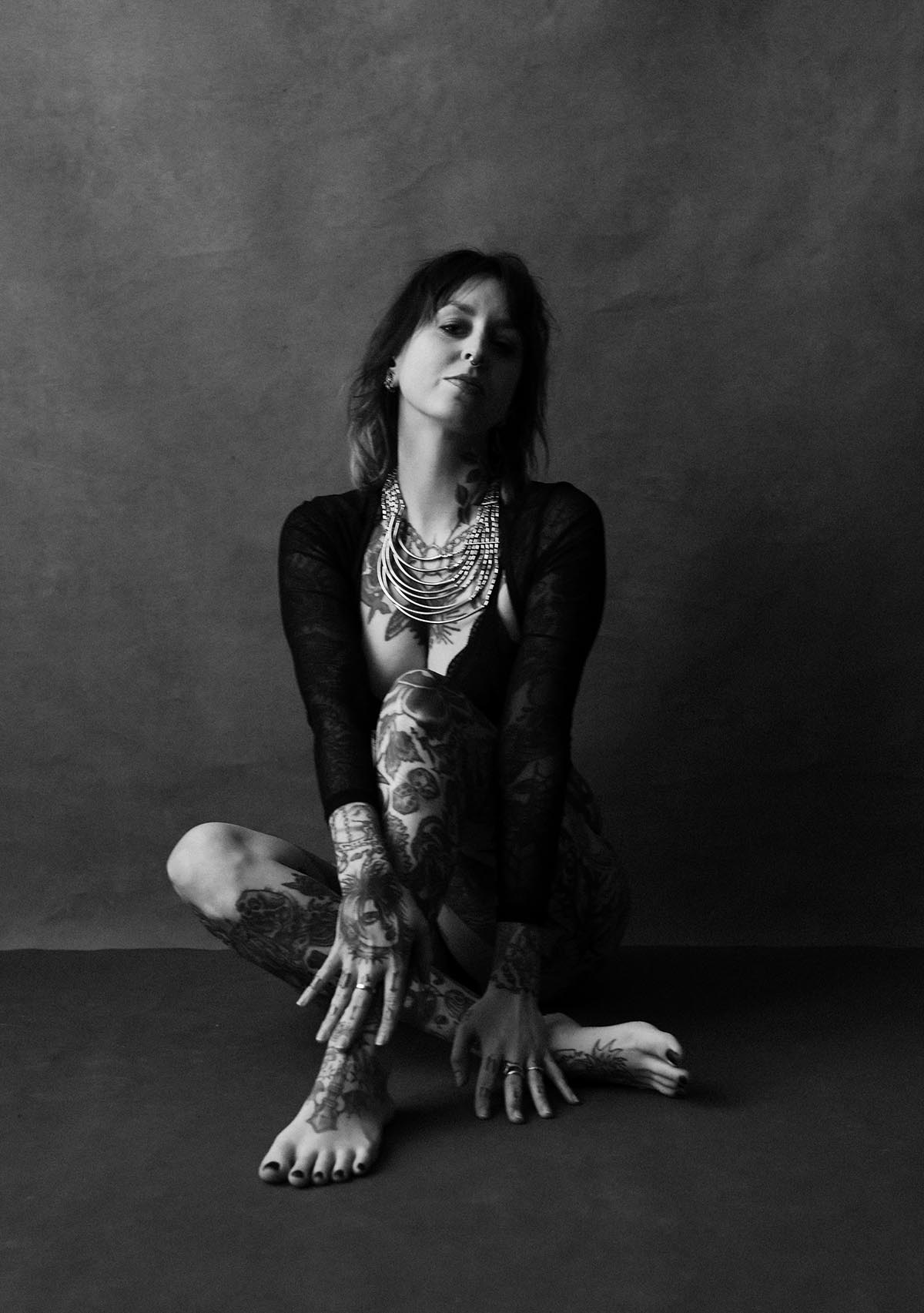
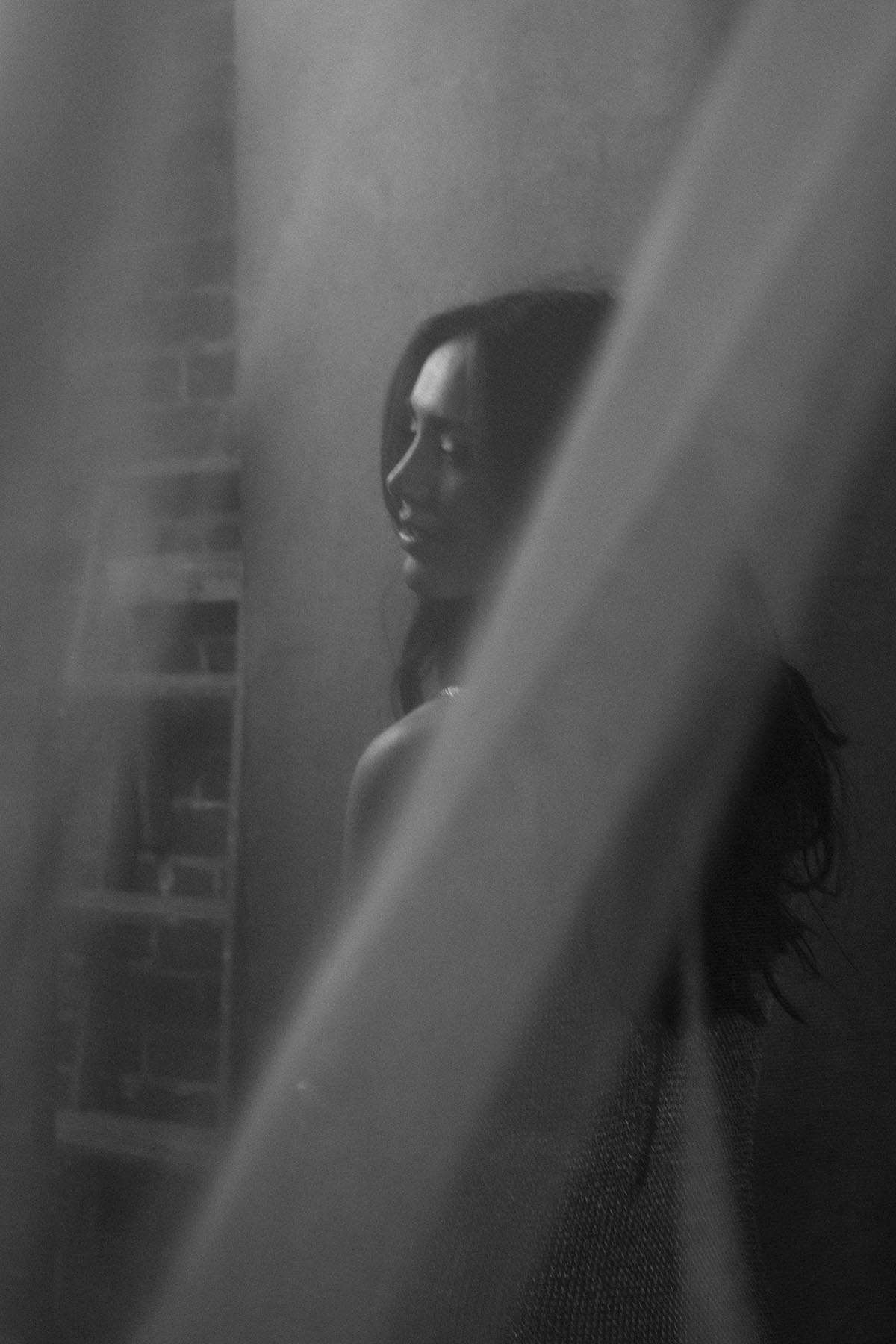
Maybe boudoir wasn’t just photos of women for men. Maybe it was freedom, confidence, a shift in self-perception.
A couple of years after that first boudoir session, my new husband, who had recently written a “philosophy of ministry” paper, was discussing how I could stay true to what I wanted to offer and create without hiding it from the church leadership. He knew how much I loved this genre of portrait photography and saw the positive impact it had on my clients, so he suggested I write a philosophy of boudoir photography. “Basically,” he said, “I just need to be able to defend to the elders of our church why you photograph women in lingerie as part of your job.”
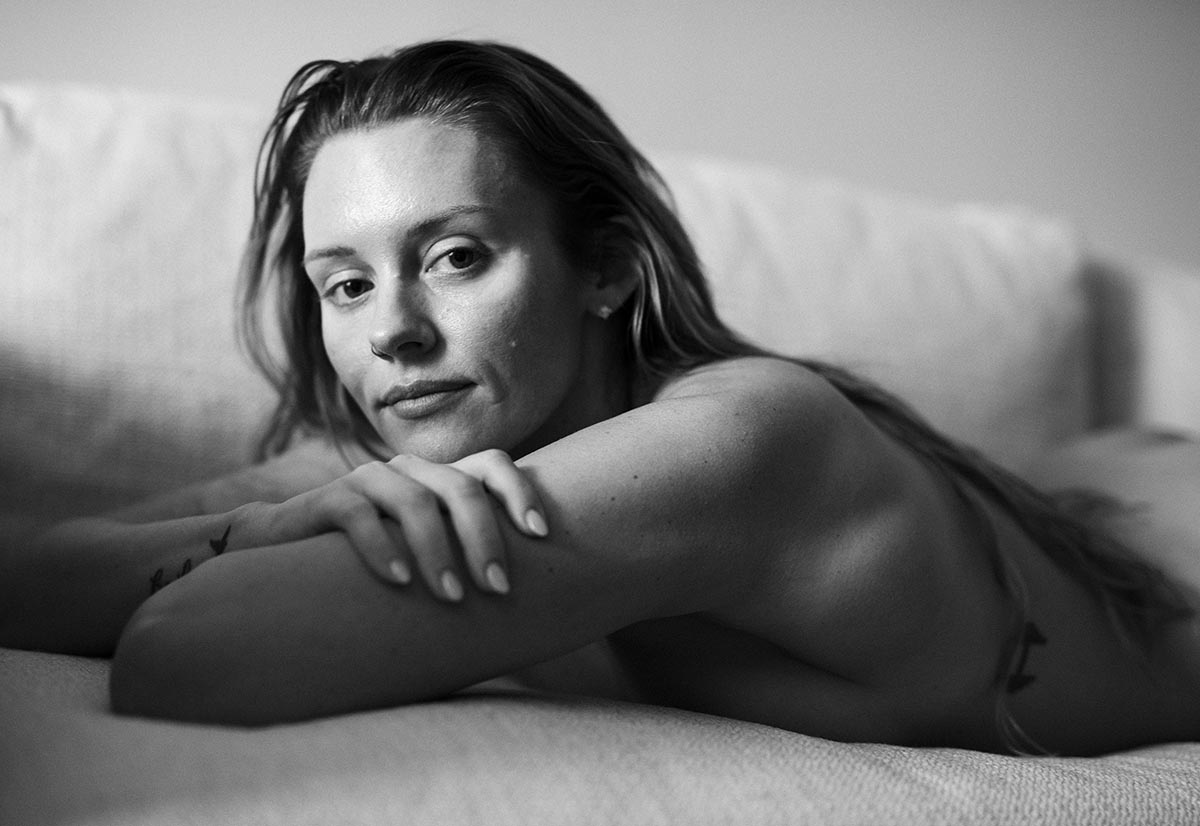
“Empowerment” has become a watered-down buzz word, but it works to describe what boudoir, at its best, is. To empower someone means to give them their power back. There are many reasons women in particular can feel powerless, thanks to the diet/wellness industry that bombards us with messages that we need to lose weight to be worthy, the beauty industry that profits from ever-changing beauty standards and fads, and traditional gender roles that keep women questioning their value. What if we saw boudoir as a beautiful, safe, creative space for the exploration of the most vulnerable parts of our human experience? What if each photographer weaved their own story of creativity and self-discovery into the type of portrait experiences they offer? It took me years to realize that boudoir photography was the embodiment and culmination of everything I love about portrait photography. I saw the power and love in my clients’ eyes as they looked at their images because, in a culture that profits from people feeling too this, too that, and never enough, they finally got to see themselves through a lens of love.
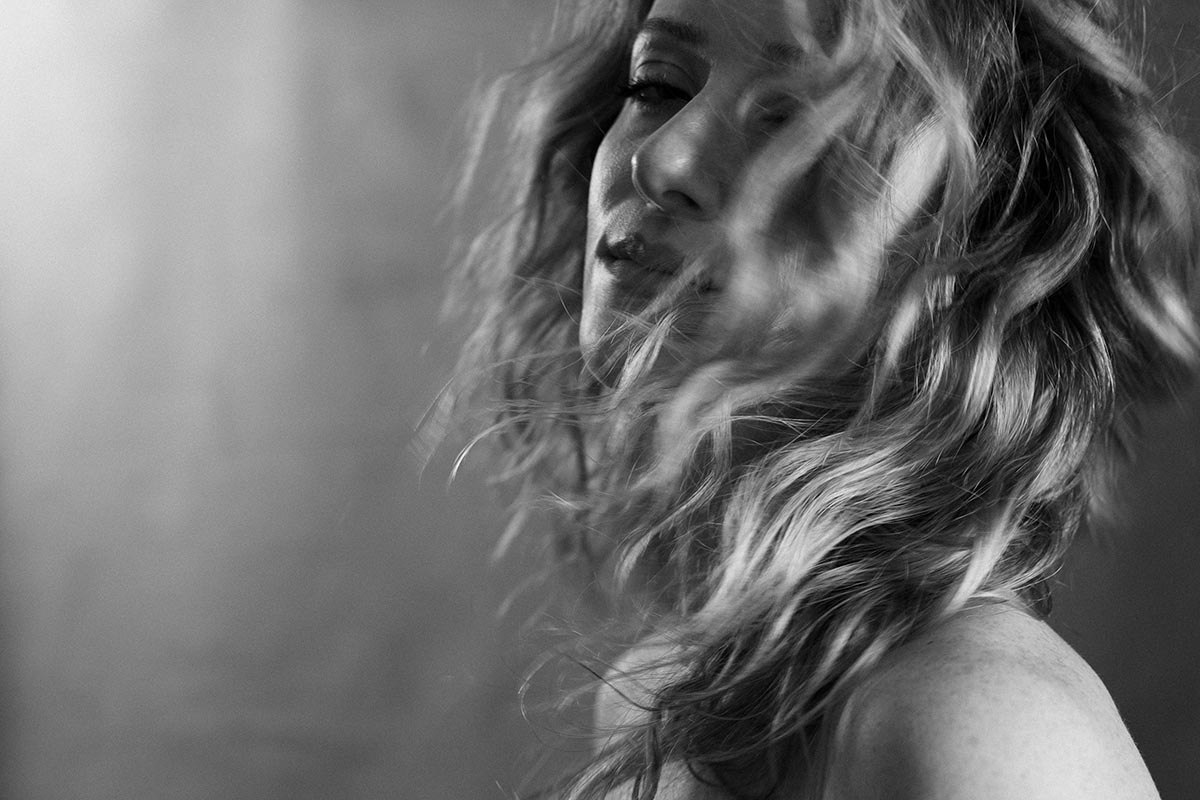
Whatever genre of photography you practice, I invite you to consider for a minute what words and limitations you’ve placed around boudoir photography. Perhaps you’ve found boudoir distasteful and refuse to offer it, or believe boudoir is defined by strappy lingerie and “sexy” poses. My philosophy, and that of many professional boudoir photographers and their clients, is the opposite. Boudoir is a type of photography that explores self-image, sexuality, vulnerability, and acceptance of imperfection—some of the least definable parts of the human experience. We do ourselves and our clients a disservice by accepting outdated stereotypes and refusing to accept what the genre is becoming, and how many lives it impacts for the better.
My friend and fellow portrait photographer Teri Hofford says, “There’s no judgment in curiosity.” What if our knee-jerk reaction to new ideas wasn’t to define, limit, and cram them into little boxes, but rather to wonder?
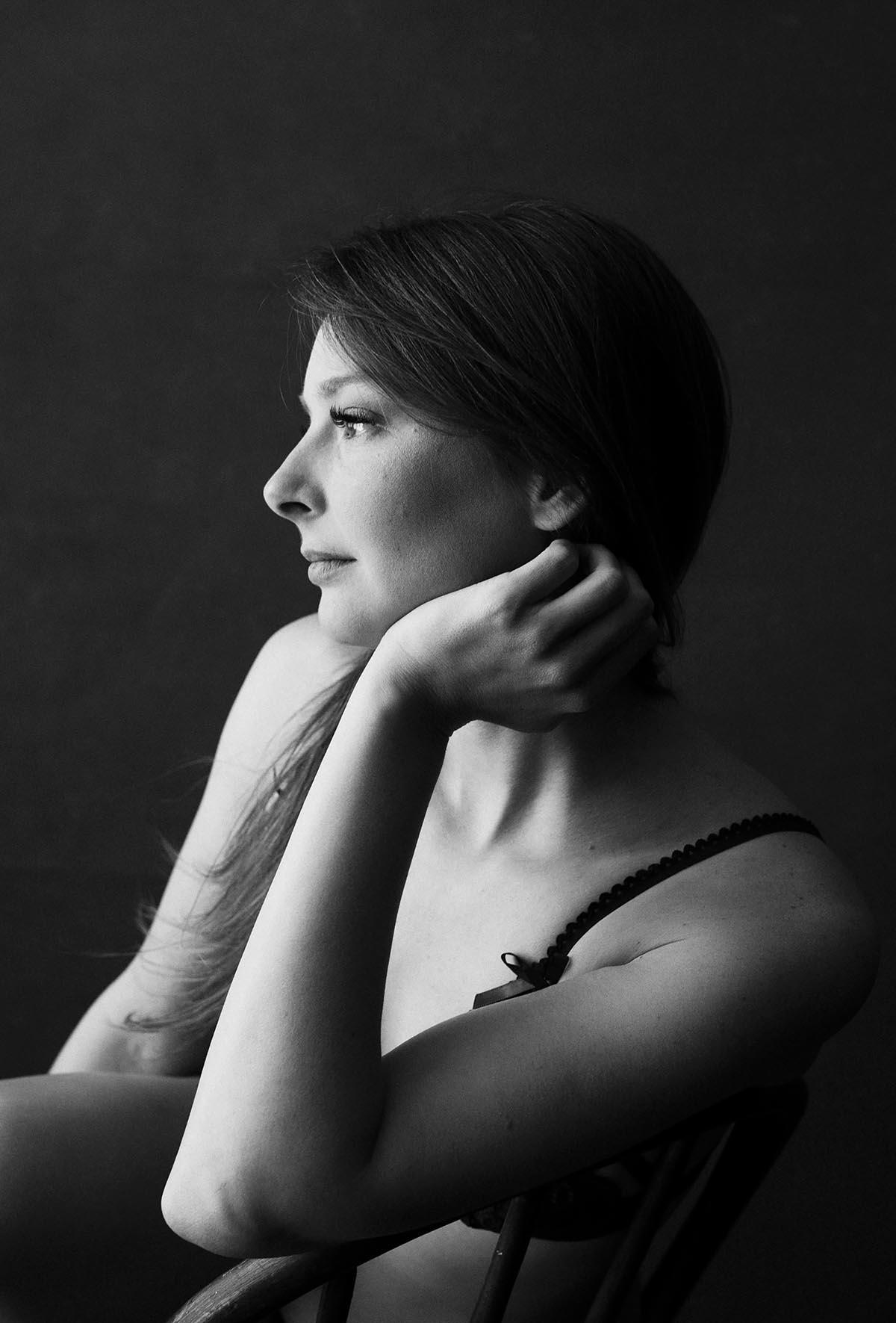
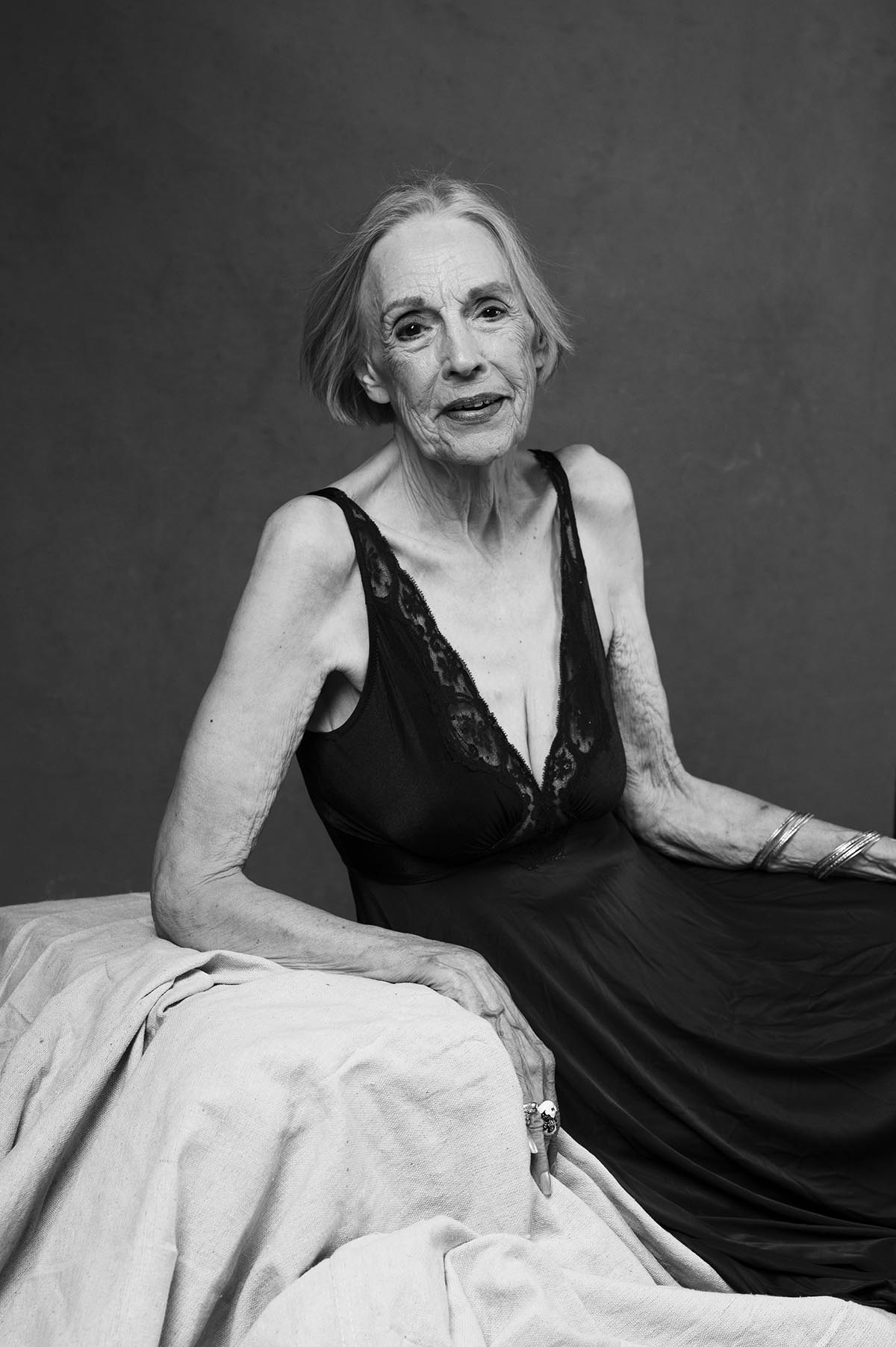
A couple years before I started my photography business, my family and I traveled throughout Europe. We crowded into galleries with thousands of other tourists to see famous art like the Mona Lisa and the statue of David. What struck me was how many of the subjects in these revered works were, well, naked. Men and women reclined on sofas in various states of undress. Milky bosoms (and even nipples!) were commonplace and lived larger than life in golden frames and towering three-dimensional sculptures. Many of these depictions illustrated Biblical stories and characters. Maybe, I thought, bare butts aren’t inherently bad? Even within my conservative religious worldview at the time, I wrestled with the idea that the Creator of the naked body saw it as something shameful. Maybe the way human sexuality has been exploited in American culture—not human sexuality itself—is the reason many of us feel shame around it. That is, after all, how most products and services are sold to us: There’s a reason “sex sells” is a cliché. While the true intimacy and vulnerability that comes with nakedness can indeed be sexualized and exploited, this doesn’t have to be the story going forward. Maybe it’s not the nakedness we are collectively ashamed of, but the exploitation of it.
Empowerment means “I do this with you” and exploitation means “I do this to you.” This is why empowerment is so crucial to the way we talk about and practice boudoir photography, and portrait photography in general. If you are a portrait photographer, you likely feel drawn to the specialty because you show people what everyone else loves about them and invite them to love those things too. We as photographers see the power we can give back to beautiful, messy humans simply by showing them through our work the light we see in them.
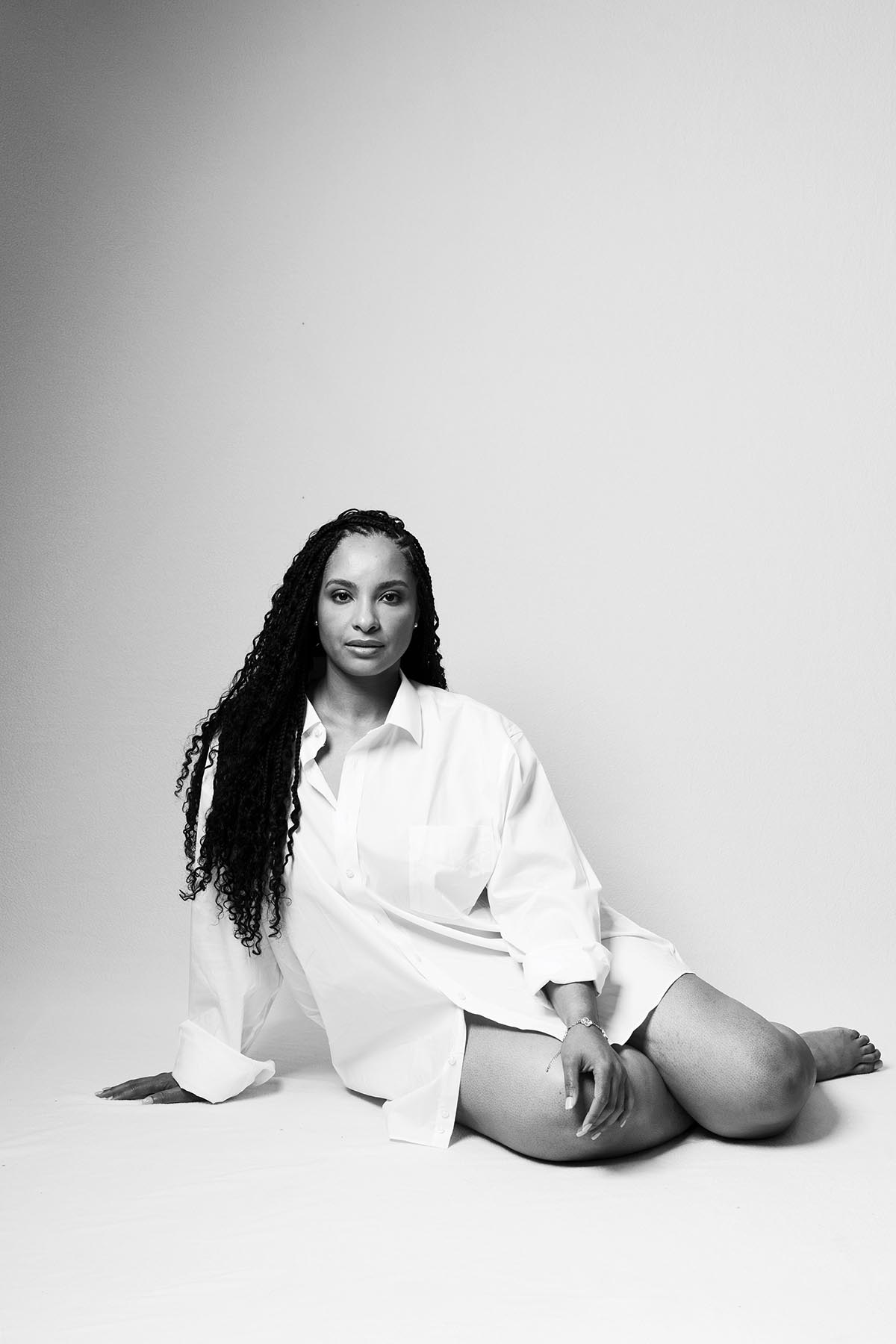
Many of my photo sessions are prime examples of how my boudoir philosophy manifests itself. Several years into my career, I specialized in glamour photography and still did a lot of boudoir. Clients would do their glamor photo session and, by the end, want to do boudoir as well. I started to see it more as a progression rather than a changing of genres within a session. As they shed their figurative layers of shame and fear and old beliefs around their bodies and their appearance, they were willing to shed physical layers too. I began to see a photo session as successful when people did “unexpected” boudoir at the end, not just because it meant I’d usually have a double portrait sale for that single client, but because they trusted me and felt comfortable and confident. My portrait sales steadily increased because my clients were so connected to the transformational power of their sessions and the photographs that they represented. Five-star reviews poured in, and referrals were so frequent I never had to pay for advertising.
My clients have taught me valuable lessons over the years, the most valuable of which is that anyone can change their limiting beliefs about themselves if they’re simply offered the space to do so. To my clients, I’m not a therapist or a priest or a teacher; I am simply another beating heart who isn’t afraid to give them the space to hear their own heartbeat again.
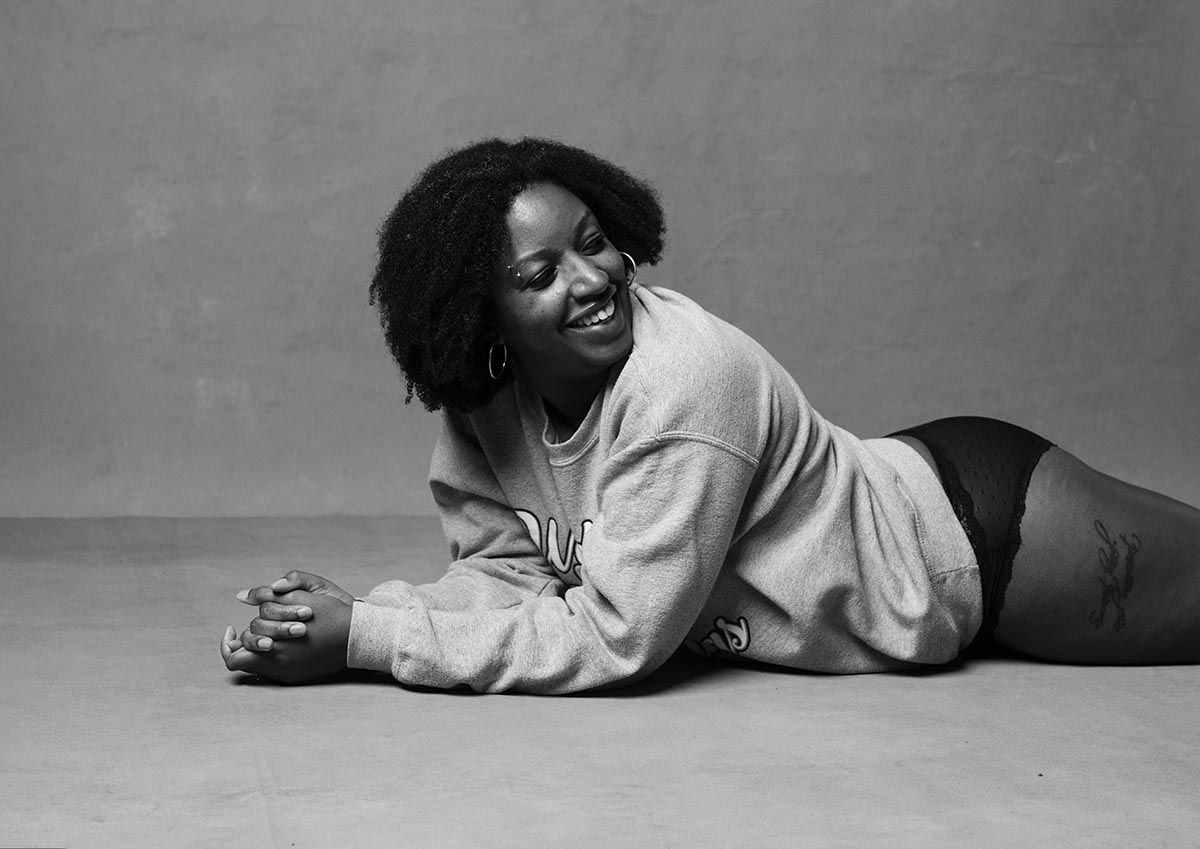
Boudoir photography, like the world around us, is full of possibility. If you take a moment to examine your own philosophy of boudoir photography, you will learn a great deal about your beliefs as a portrait photographer. If your current philosophy of boudoir doesn’t resonate with who you are, create a new one. You were born vulnerable and naked, and you’ve been piling on layers of belief ever since. At any moment, you can strip those back and believe something new. Boudoir is a visual representation of vulnerability. I challenge you to explore it, nurture it, and see what grows. Then, share it with the world.
Mitzi Starkweather runs Mitzi Starkweather Photography in Joplin and Kansas City, Missouri.
Tags: boudoir photography