
Mining for Magic
Emin Kuliyev’s wedding images showcase the unexpected.
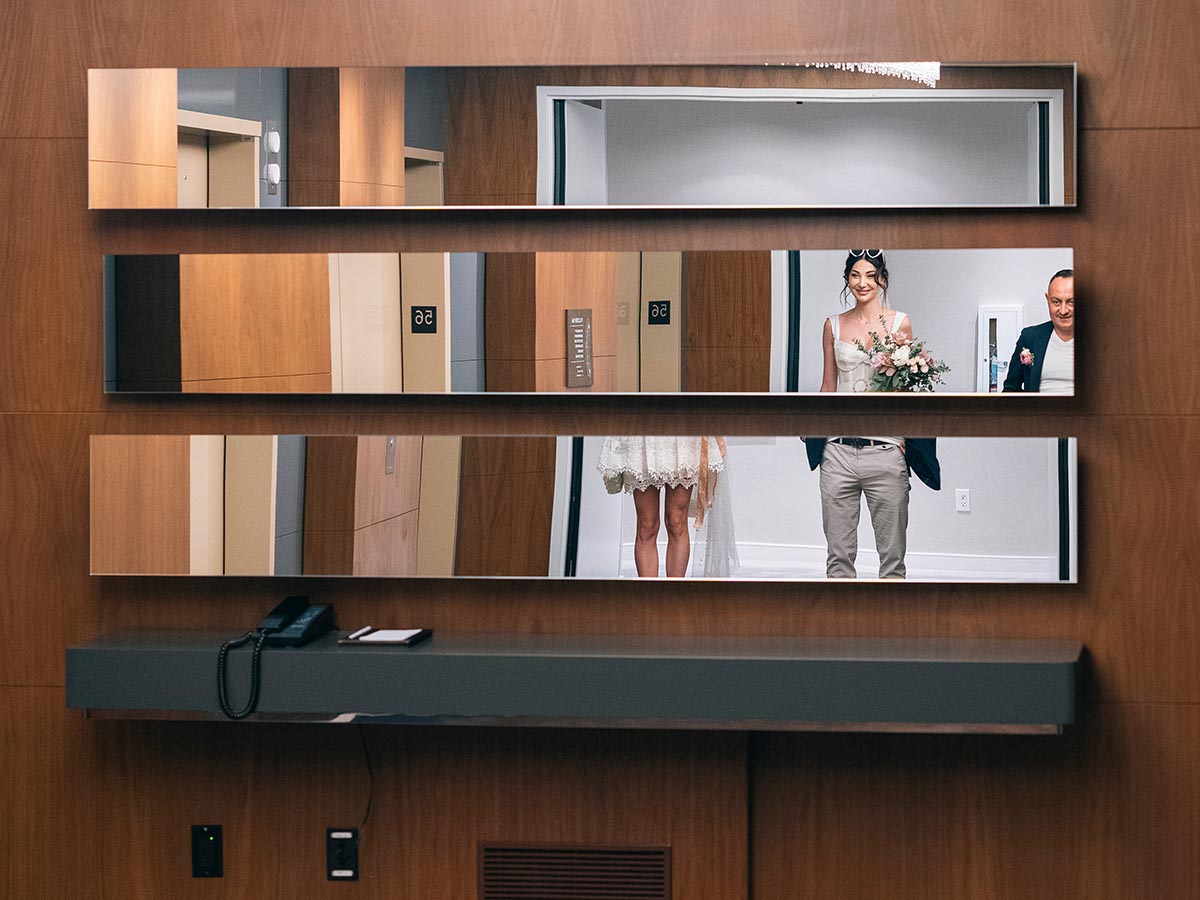
To catch a miracle.” That is the goal for New York-based wedding photographer Emin Kuliyev. Photography has the power to freeze one moment in time, space, and emotion like no other art form. Kuliyev leverages that power by capturing tens of thousands of moments and then culling the best of the best for his clients, whether their wedding is a lavish destination event or a take-a-number courthouse union.
MORE IS MORE
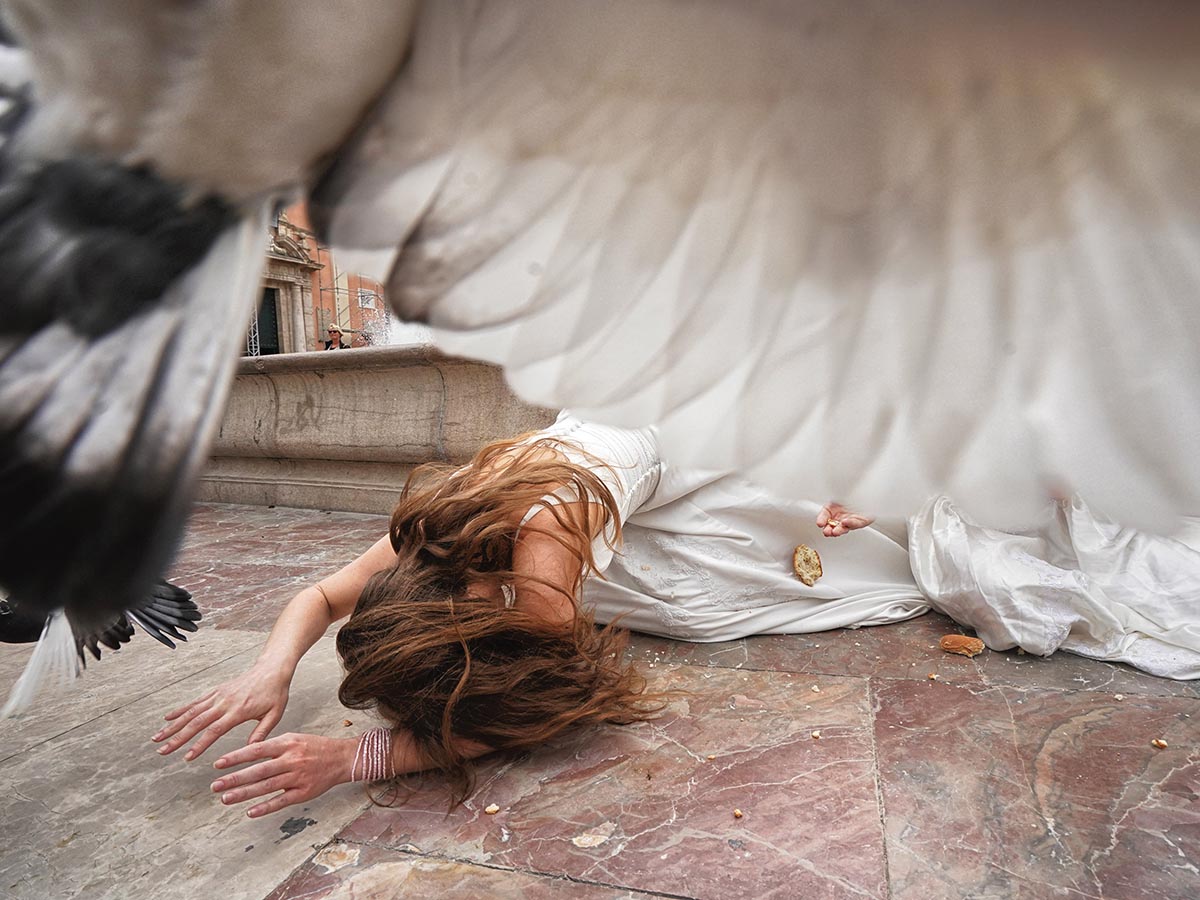
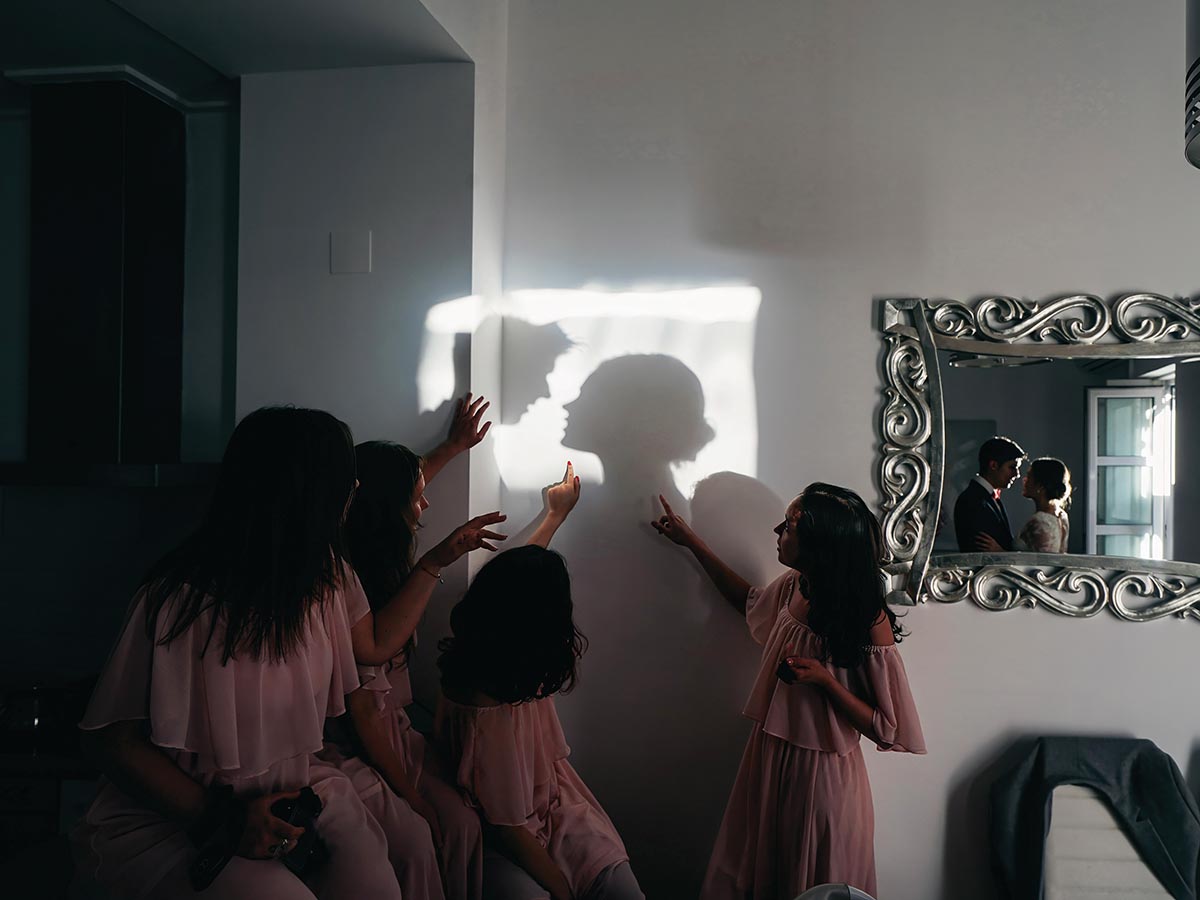
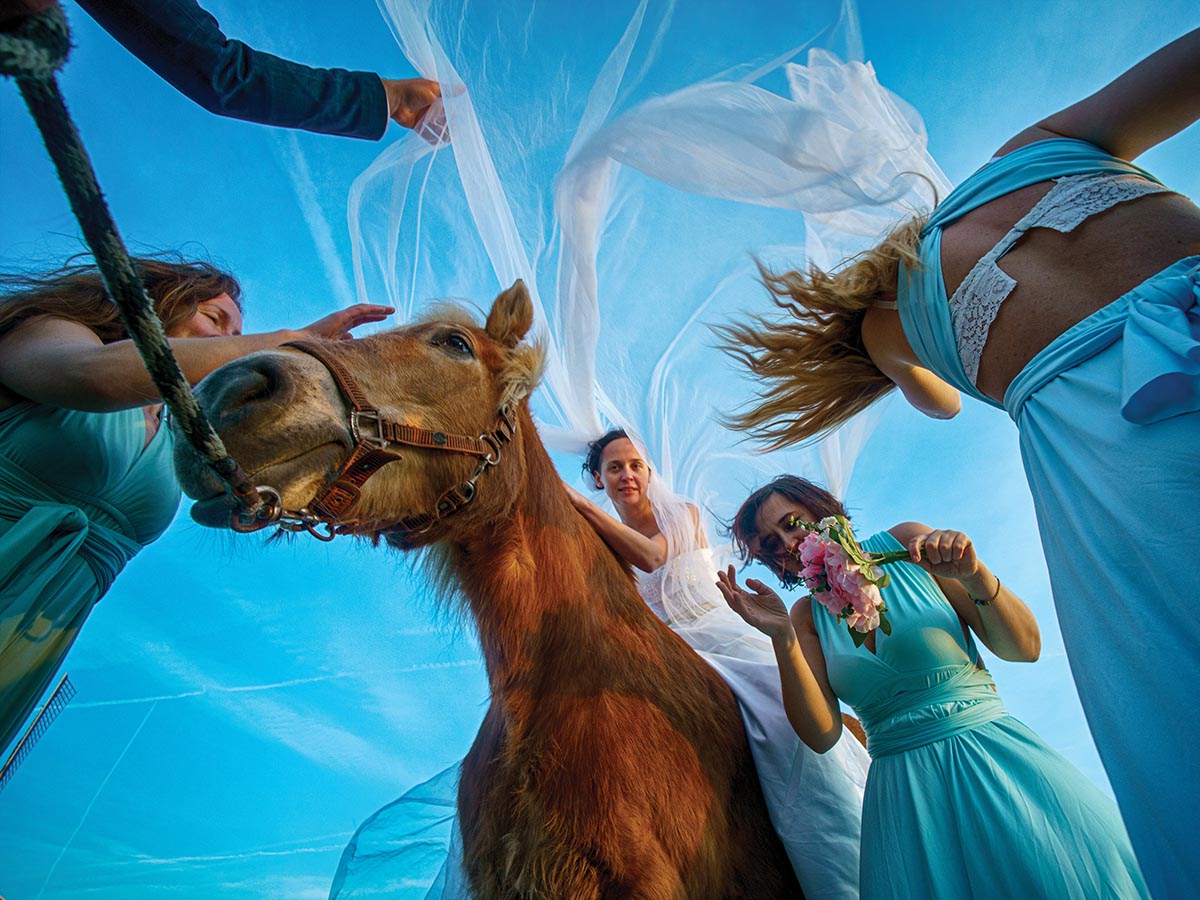
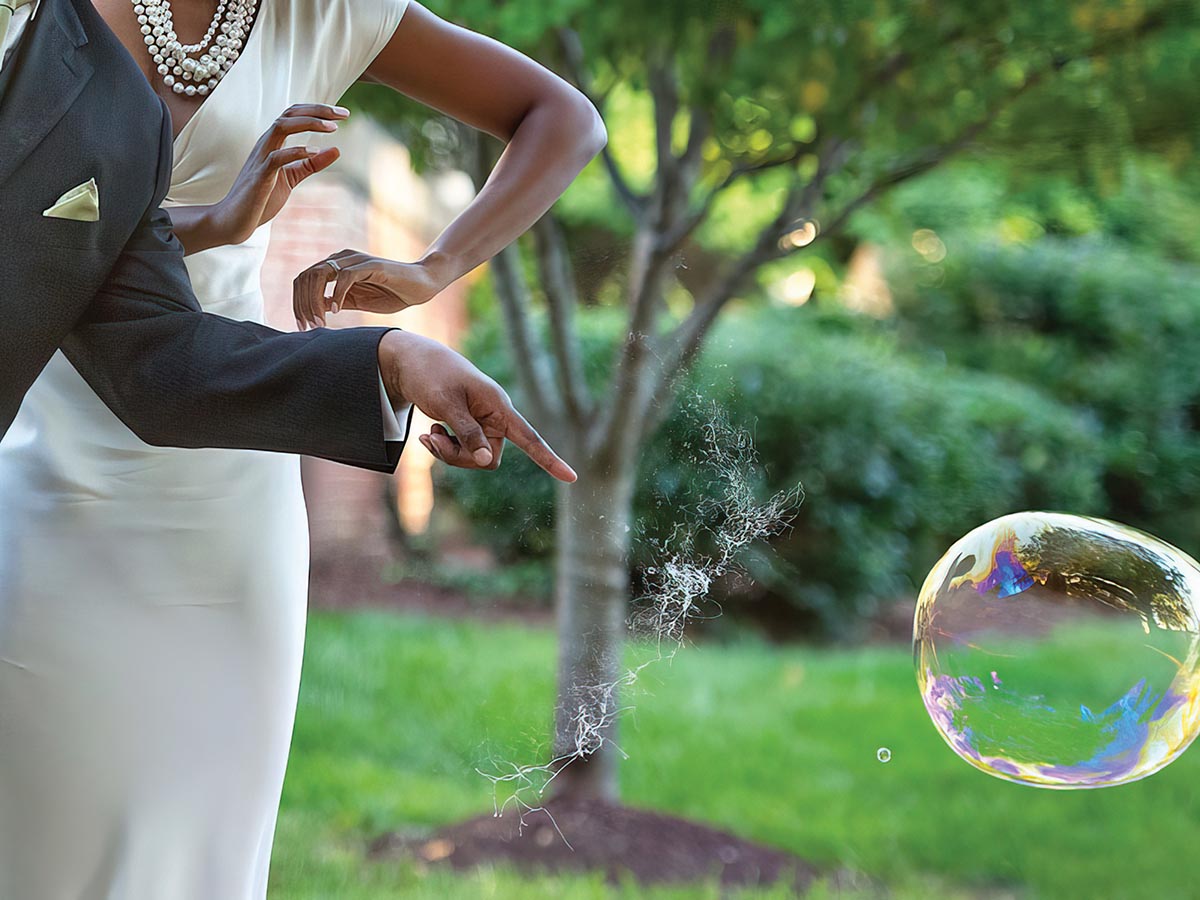
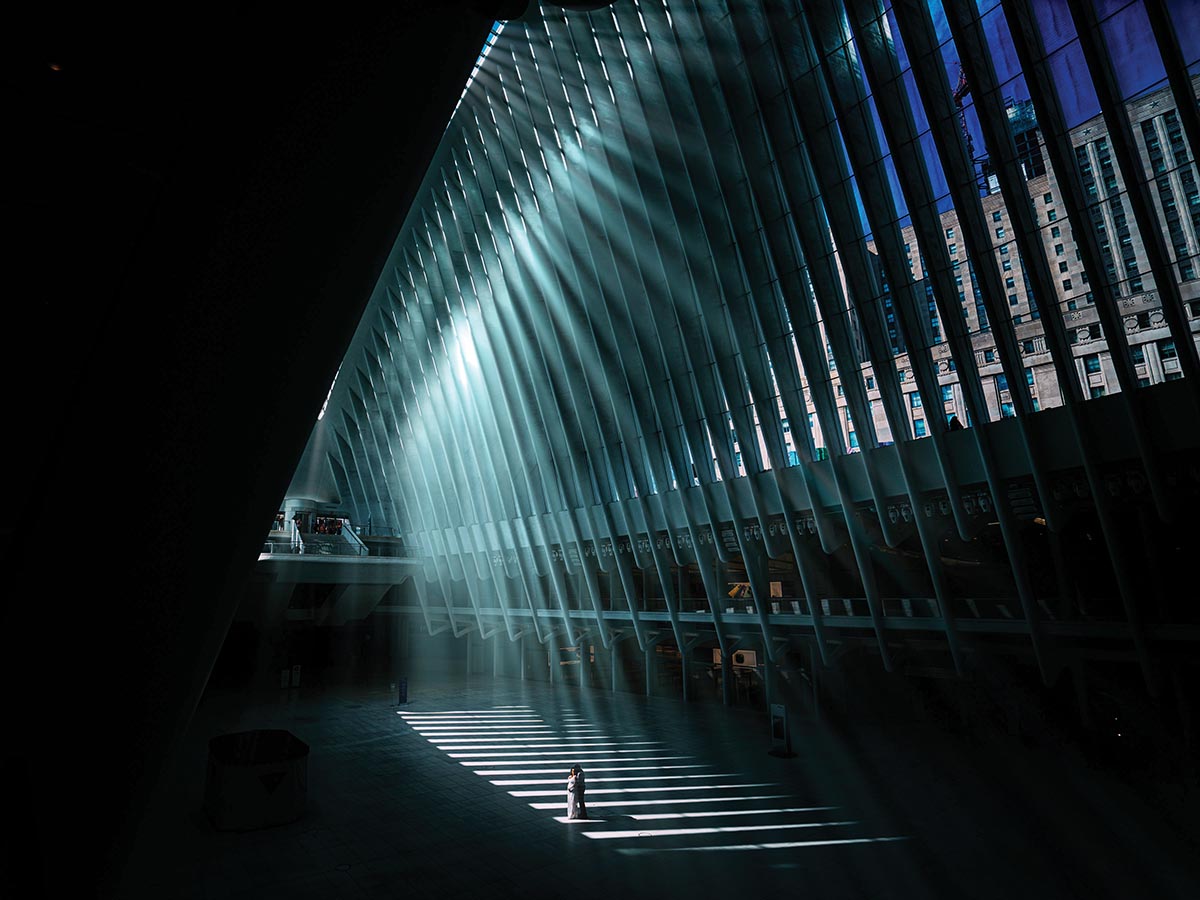
Weddings are predictable, but Kuliyev’s images are not. He takes full advantage of digital photography’s capabilities to capture traditional wedding activities, portraits, and happenstances from unique angles and with a variety of light sources. His camera is a 30-frames-per-second Sony Alpha 1, which he uses to snap a whopping 25,000 to 40,000 images per wedding. Then he devotes up to a month to culling, choosing, and perfecting the images in Adobe Photoshop. Kuliyev relies on 22 years of experience and the time he takes connecting with the couple to supersede what’s expected, photographing unanticipated reactions, impromptu poses, unusual angles, and contextual intrigue. He draws on his background as a graphic artist for the principles of visual composition but breaks those rules as often as he adheres to them.
On a video call, Kuliyev sits in his Bronx apartment in a room brimming with photography gear. Behind him are several tripods and monopods. Lenses line the windowsill next to his desk. He tilts his computer’s camera to reveal the rest of the room—two walls with floor-to-ceiling shelves, each packed with lenses perched like silver and black knights. He owns roughly 400 to 500 lenses, he says. “The number doesn’t matter. I’m not just collecting pieces; I collect to use them.” He takes several to each wedding, quickly switching lenses rather than using a zoom, though he does use a 16-35mm to photograph dancing. He gets better variety and sharpness with his hundreds of lenses than he would with a few zooms, he says. Throughout our talk he stresses that he is a photography enthusiast and professional wedding photographer is part of that. He works only a dozen weddings per year. “I’m not so rich, but I’m a happy person because I still do my art and I like what I’m doing,” he says.
NO SECRET FORMULA
Once Kuliyev presents his final set of images to his clients and posts them on his website, “I never look through my images again,” he says. He doesn’t analyze or dissect what makes them genial, chaotic, or weird, be it a bride kneeling to apply her lipstick in the reflection of a limousine’s hubcap, a peacock flying off with a bride’s veil, or a groomsman sticking his tongue out toward Kuliyev’s camera.
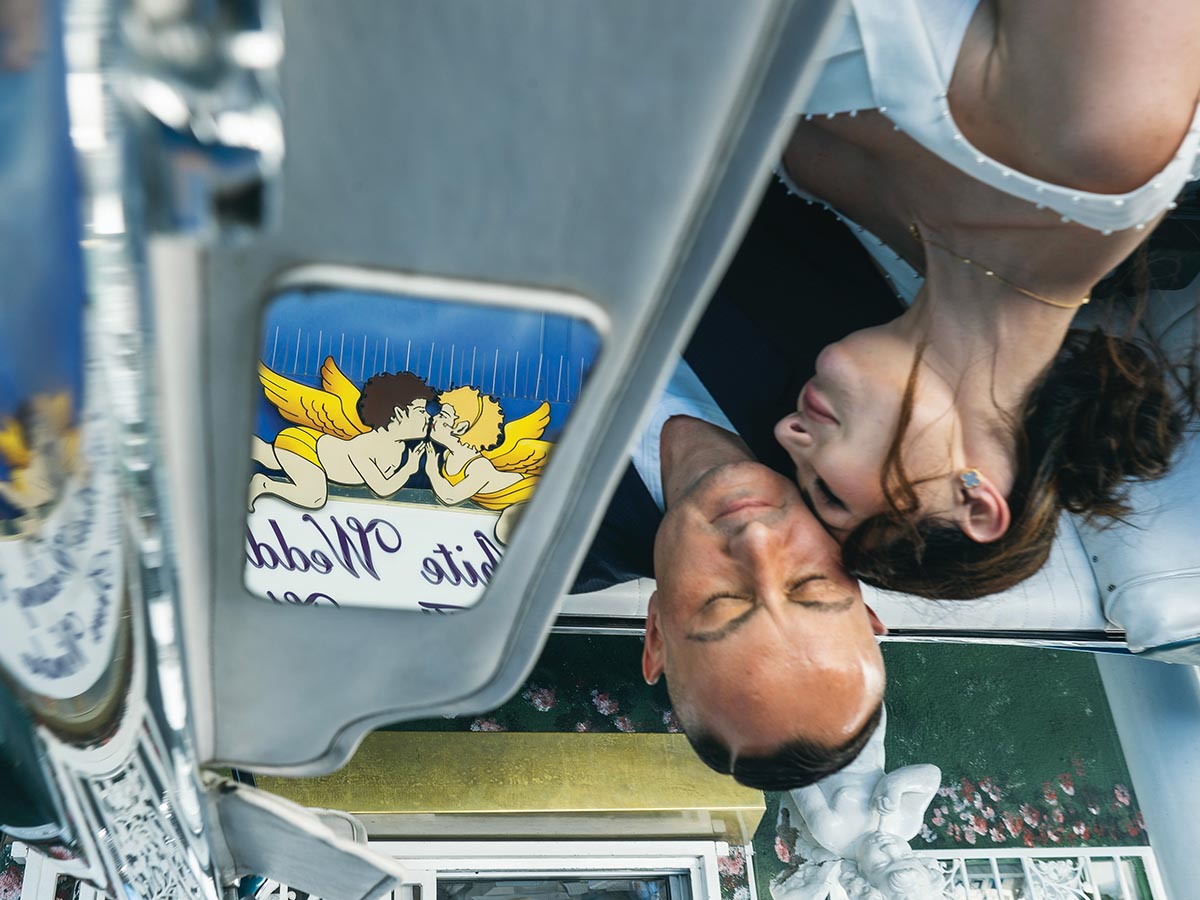
He reveals a few patterns in his work, however. He prefers natural light but uses flash when he needs sharper details, and he’s not committed to looking through viewfinders because he knows his camera’s autofocus trains on faces. This allows him to photograph from any angle, using a monopod to shoot overhead or underfoot. His continuous shooting ensures at least one image will be properly or dramatically framed. With his Sony Alpha 1’s 30-frames-per-second capacity, he’s able to create video montages of his weddings, using Artificial Intelligence-composed music with lyrics customized for the couple.
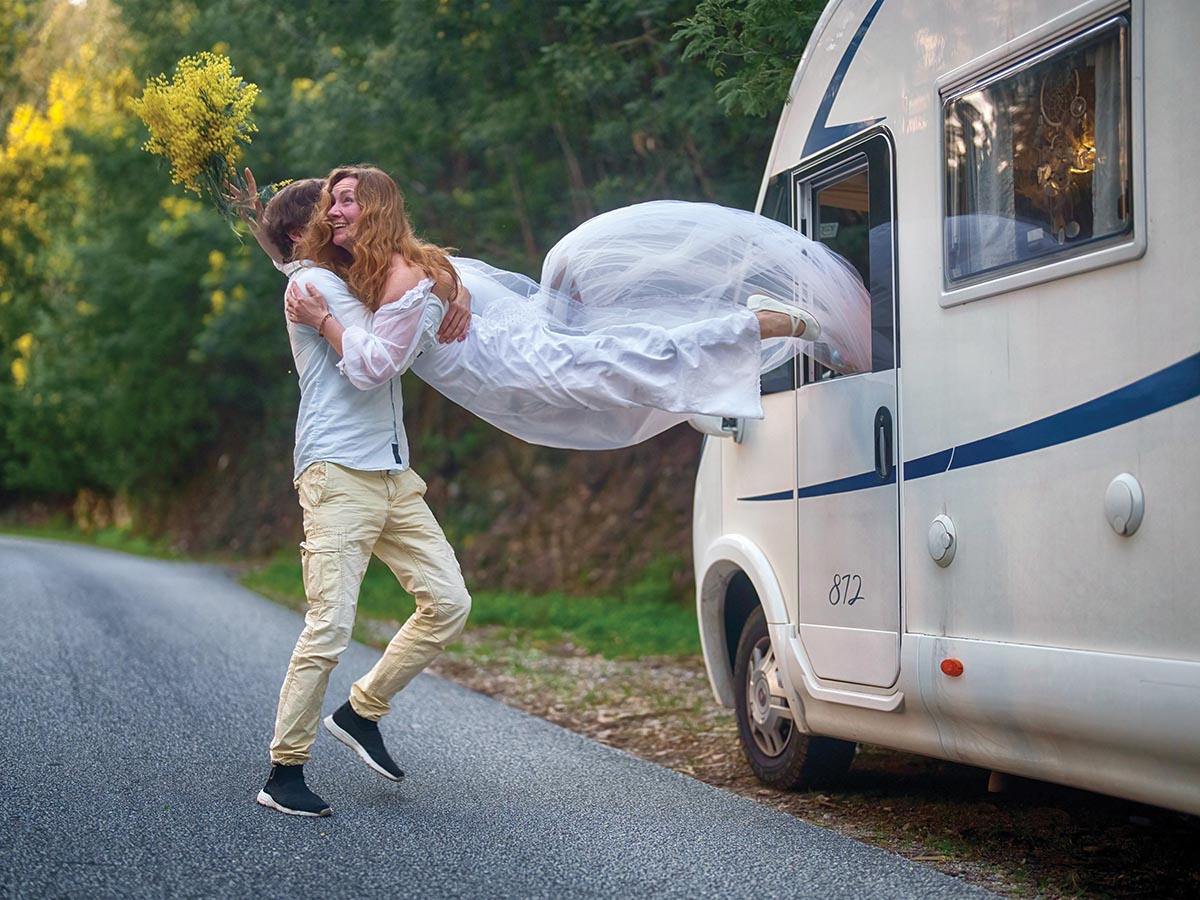
Kuliyev has no secret formula for photographing weddings because “with my experience, a wedding is easy to predict,” he says. He anticipates wedding party reactions through a mix of close study and instinct. “It’s not so much my vision; it’s my brainwork,” he explains. He assesses the situation and his equipment, and can consider multiple options in seconds. “Which lens will work, which angle, where I should stand, from which side. Do I have the chance to catch it or look from a different direction?” he says he asks himself. “I’m not a genius. I’m not special. It’s hard work and based on my previous life skills.” Hard work means spending more than 12 hours on his feet, constantly moving, watching, concentrating, and photographing.
CROSSROADS
Kuliyev’s interest in art was sparked at 5 years old, growing up in Baku, Azerbaijan, when his grandmother gave him a “really big book” of famous paintings and photographs. Looking through the book gave him an appreciation of images, which grew as he pored over magazines. Now, he sees images in his environment. “You can teach your eyes to make a picture,” he says, something he practices every day as a 52-year-old living in New York City, mentally collecting images of poses, lighting, and moments.
His path from appreciating images to creating them wasn’t direct. He was 20 when his newly independent homeland allowed citizens to set up their own businesses. After initially embarking on a writing career, he switched to making mixtapes, which required cover art, prompting Kuliyev to take up graphic design. Even before he became a photographer, he was devoted to Photoshop, and has worked with it almost every day for the past 29 years, he says.
He immigrated to New York in 2001, planning to embark on a career in graphic design. But a car accident caused leg injuries so severe he endured a year’s worth of medical care and rehabilitation. In that time, Kuliyev studied photography, taking photographer Terry Towery’s classes at Lehman College in the Bronx. Kuliyev practiced by making photographs around his apartment building, then began photographing street scenes. He found his dream career as a wedding photographer, being his own boss and having the perfect laboratory to explore all angles of his vocation.
Recently he’s come to another crossroads in his career. The COVID-19 pandemic altered the wedding market, he says, so he’s looking for other income sources. A new portfolio on his website, “Optics Experiments,” features images of his daughters that showcase the individual lenses in his collection. He also is exploring AI imaging and blogging about his experiences with it.
AI can create wonders, he says, but will it ever catch a miracle the way a photograph can? “In a painting, it’s easy because you create it from your imagination,” Kuliyev says. “In photography, you may never meet that person again or have the same light, the same moment, the same facial expression, the same point of view. You have to be in the right place at the right time. And you have just one chance to catch it.”
Eric Minton is a writer and editor in Washington, D.C.
Tags: wedding photography