
Light Show
Trailing the sun over seasons
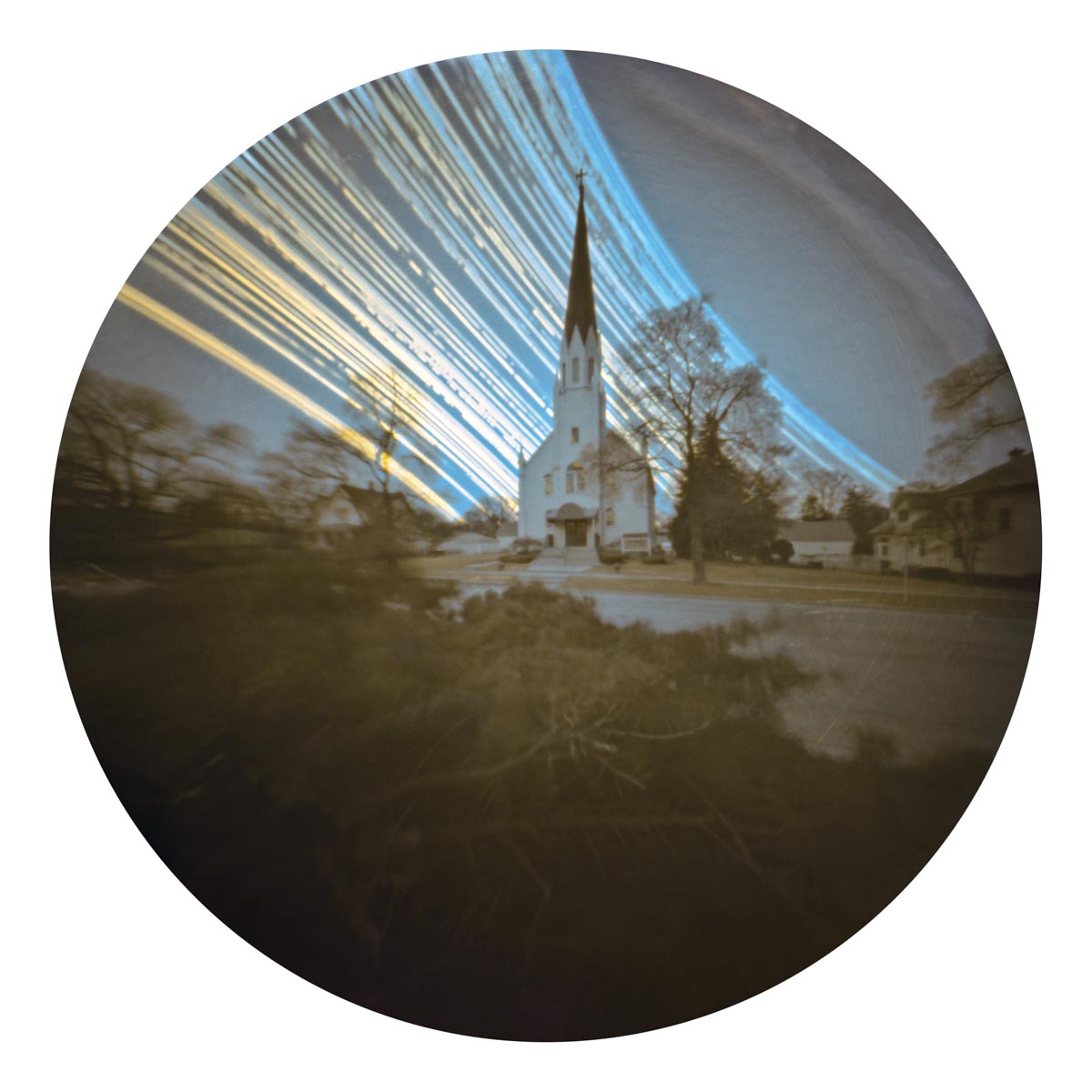
Imagine a photograph that takes months to make. The solarigraphy photographic technique involves creating a pinhole camera out of a light-tight container, such as an aluminum can or plastic box, and capturing the sun’s path across the sky over an extremely long exposure, from a few weeks to multiple months. “Instead of freezing a moment, it compresses the passage of time into a single image,” says Chicago-based photographer Ksawery Wrobel of the technique, which he adds has become a “slight obsession” for him.
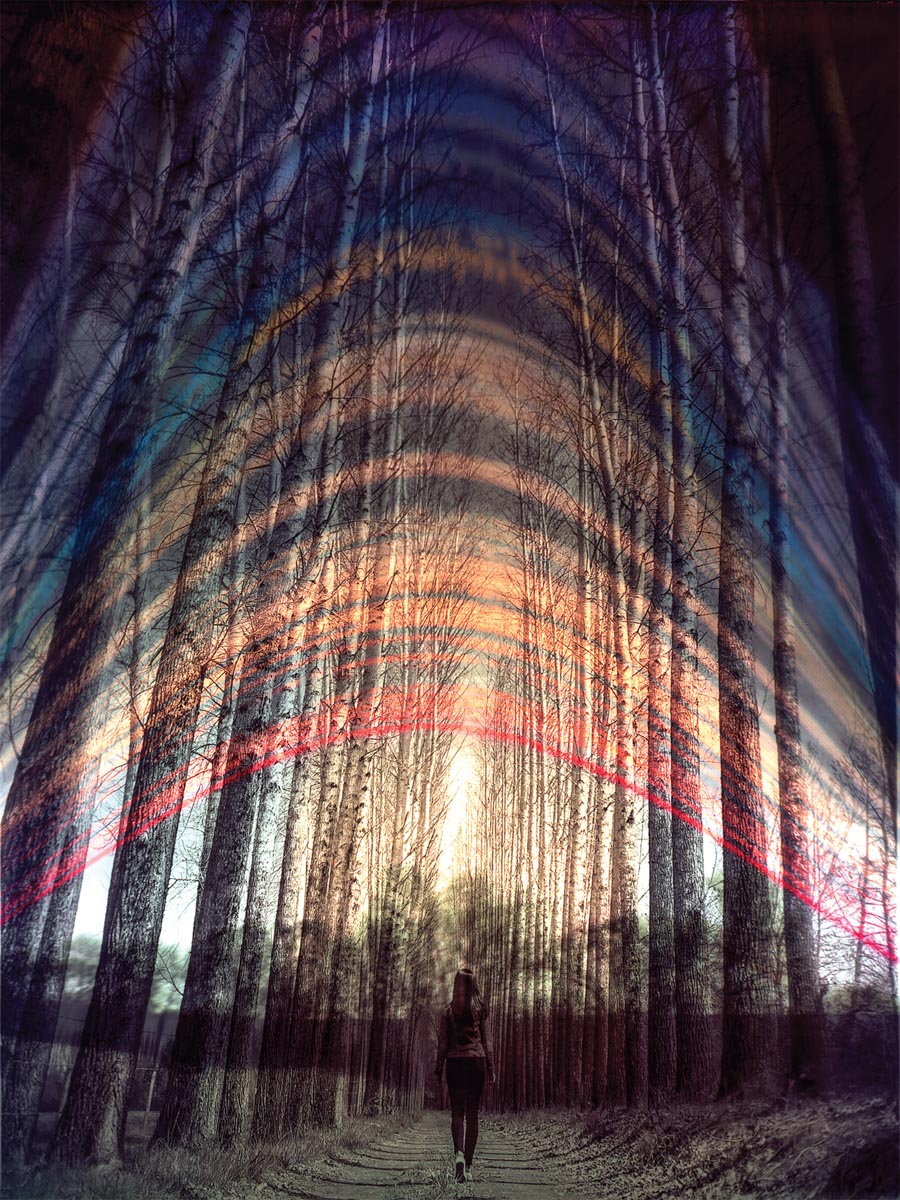 View Gallery
The camera: Using a fine needle or model-making drill bit, make a small hole in a light-tight container with a black, non-reflective interior. Then, in a sufficiently dark environment, place a sheet of black-and-white light-sensitive photographic paper inside of it, with the emulsion side facing the pinhole. Place the camera pointed toward the sky, making sure it’s firmly in position, as any movement will interfere with the exposure. “In the Northern Hemisphere, it is often positioned south in order to capture the daily arcs traced by the sun,” Wrobel explains.
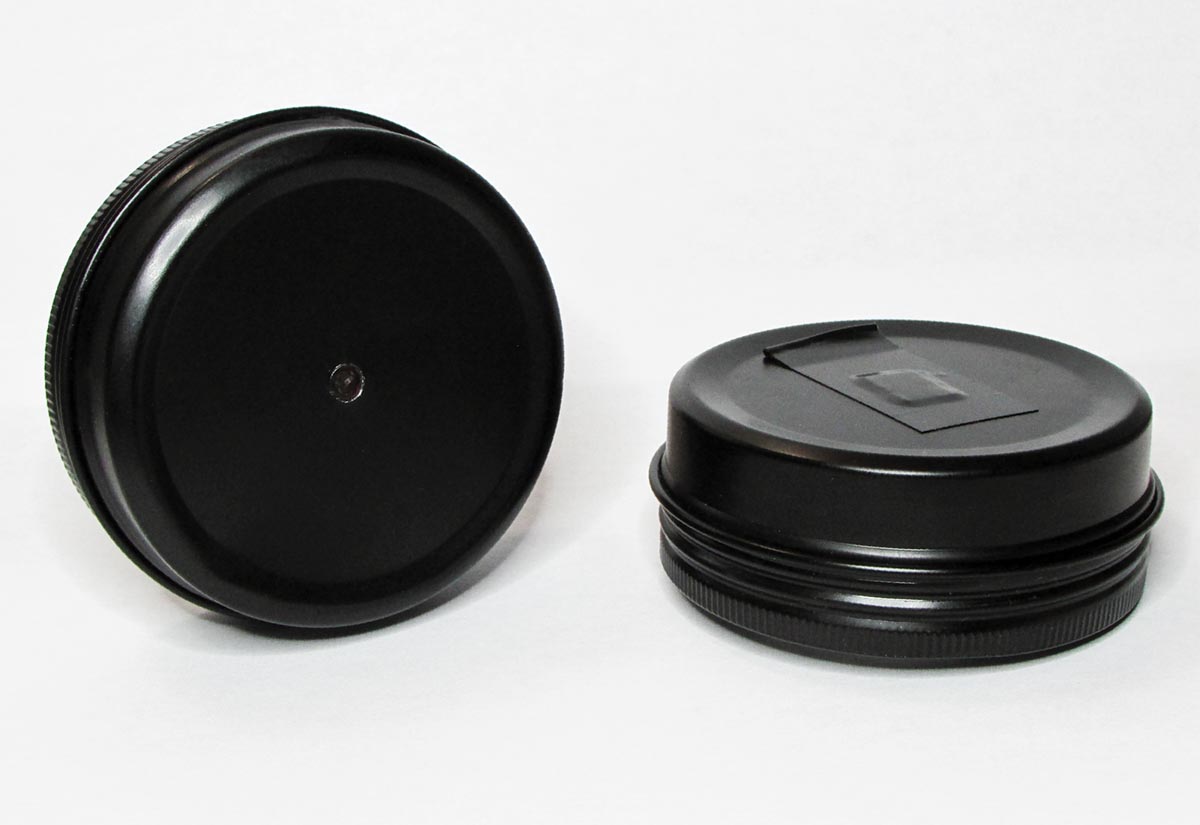
Ksawery Wrobel’s Eye of Sparrow pinhole camera
Post-production: After a very long exposure of weeks or months, open the camera indoors or under dim light to see the image, which is a negative. To convert the negative into a positive, scan the photographic paper at a high resolution and then use editing software to invert the negative and adjust the levels, contrast, and color balance to enhance the image.
Lessons learned: At first Wrobel used a soda can with light-sensitive paper mounted on the curved inner wall of the can. If a building was in the photo, the structural lines would be curved and the trails of the sun would be distorted, so he began mounting the paper flat inside the can instead. He also found that glossy photographic paper resulted in light reflections that created unwanted vertical streaks in the image, so he changed to matte paper. Eventually he moved on from less discreet soda cans to smaller plain black aluminum cans that wouldn’t attract the attention of passersby, who sometimes damaged or removed the soda cans. Above all, he’s learned to embrace uncertainty, as environmental conditions make each capture unpredictable.
“What fascinates me most is that such a simple camera can create such extraordinary photographs,” says Wrobel. “It feels as if light is performing its own quiet magic inside a small sealed box.”
Amanda Arnold is a senior editor.