
Leveling Up
Child portrait photography at scale

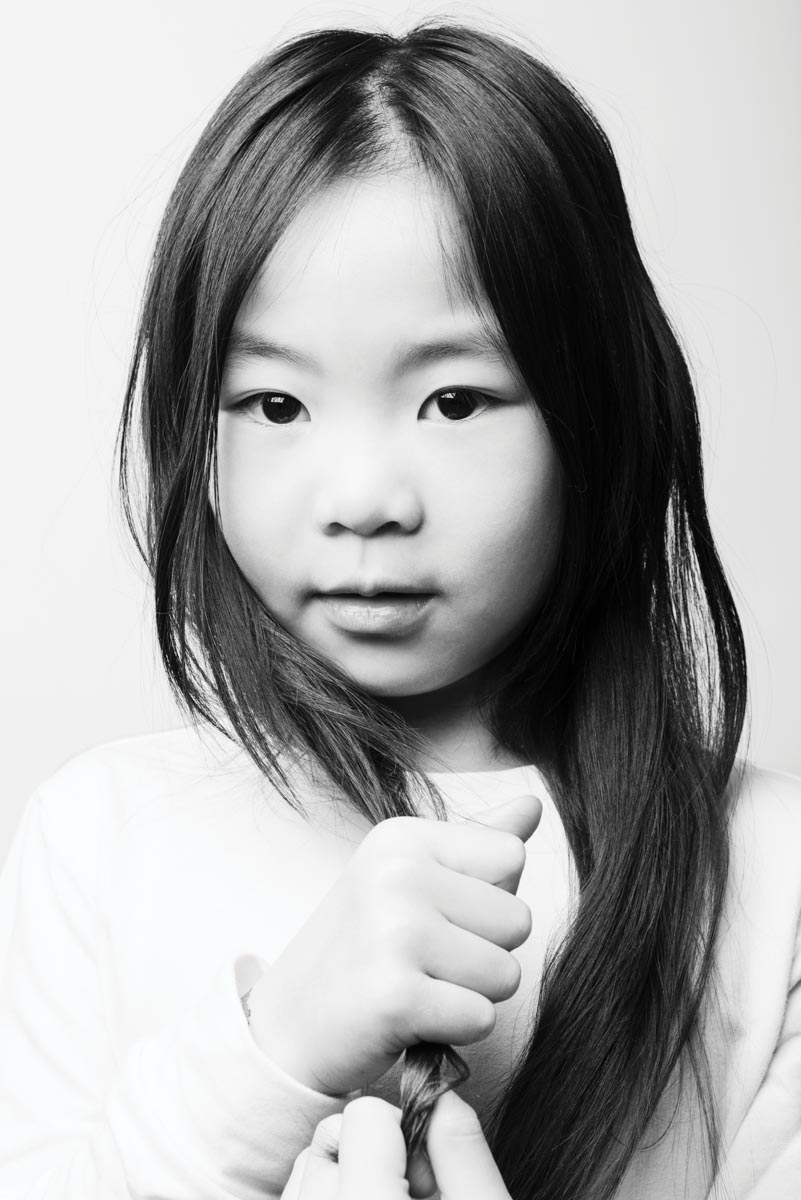
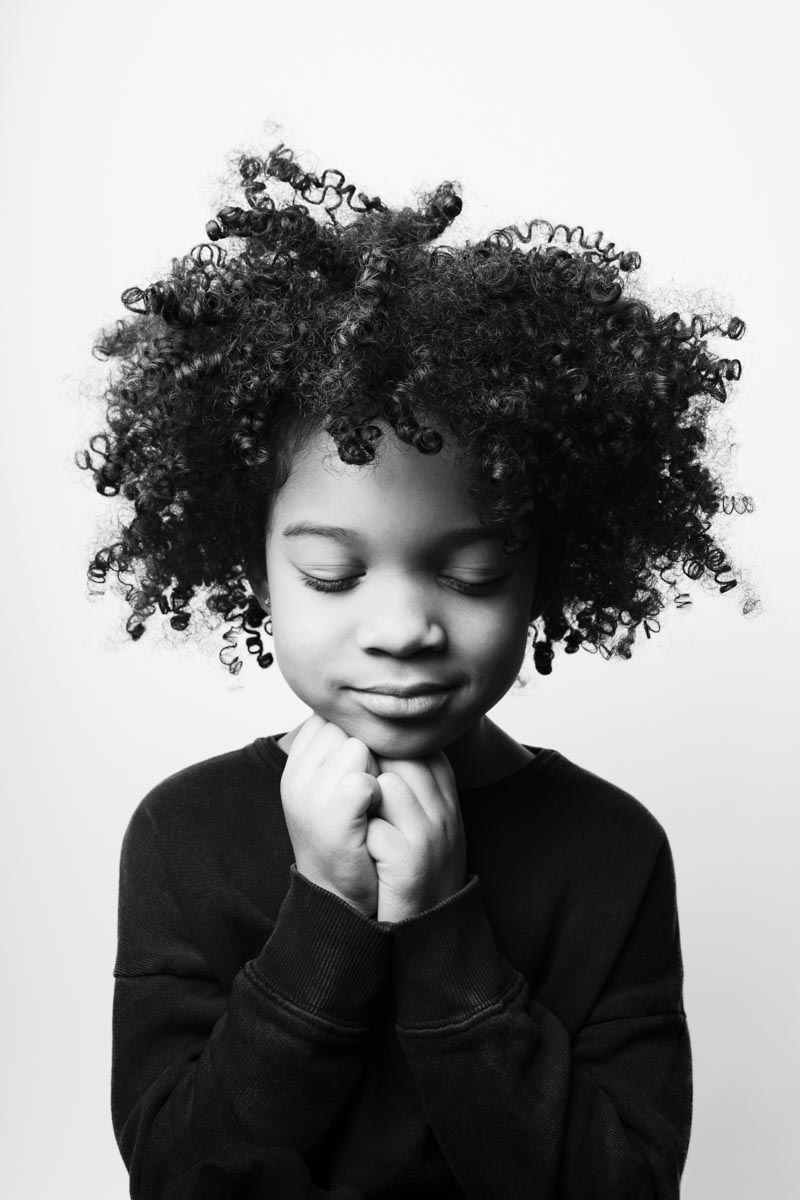
One day in May 2016, Ashley Mason realized she had an empty picture frame on the gallery wall in her dining room. She decided to fill it with a family photo. She set up one light on a white wall and created a black-and-white image of her 2-year-old daughter, who happened to be wearing a white T-shirt. Until then, Mason had been a commercial and editorial photographer primarily interested in the music industry, and had never photographed children professionally. But gazing at the image, she felt like she hit on something. “I think because my work was more editorial, [the photo] felt like a really adult style for a portrait of a child,” she recalls. “It just kind of struck me as being unique and cool.”
Soon after, Mason set up a day of mini sessions with friends’ kids to learn what it was like to photograph children and see if she could replicate the style. After that success, she partnered with local children’s and women’s clothing stores for child portraiture pop-ups, setting up her one light and small white backdrop. Her new business, Little Icons, was officially in motion.
RIPPING OFF THE BAND-AID
For many photographers, that would be the end of the origin story of their business. For Mason, it was the beginning. As she’d started Little Icons, she and her husband were also making plans to move from Edmonton, Alberta, Canada, to the U.S., namely Nashville, Tennessee. Initially, Mason planned to focus on her music photography. But with a toddler, she says, she realized she didn’t want to engage in the hustle of pursuing bands and musicians for commercial work. “I had just started Little Icons in Edmonton, so we thought, Well, let’s do this in Nashville,” she says. For the next two-and-a-half years, Mason and her family traveled between Nashville and Edmonton to run Little Icons in both locales.
When COVID-19 struck in 2020, Mason was in Canada and unable to travel to Nashville to serve her clients there. Family members had already been encouraging her to scale up the business, and the pandemic was the final push she needed. In 2021, she reached out to a Nashville photographer who had wanted to work with Little Icons. Mason felt she could trust her to maintain the quality of the brand. “I kind of ripped the Band-Aid off,” she recalls, “and decided to train her as our Nashville photographer.”
That photographer would be the first to join Little Icons, now a decade old, as a paid contractor. Though not a franchise, Mason says Little Icons works using a franchise model. Today, she employs three full-time in-house staff, two contract photographers who also do part-time in-house work, and a team of contract photographers in various cities around the world including Nashville; Birmingham, Alabama; Austin, Texas; and Miami in the United States; and Toronto; Calgary and Edmonton, Alberta; Vancouver and Kelowna, B.C., in Canada and, as of this spring, London and Bath in the United Kingdom.

THE BUSINESS COMPONENTS
Mason, who had no investors, expanded Little Icons gradually. She hired three contract photographers in the first year: one in Nashville and two in Canada. And while she says business was going well, she was careful to reinvest that money back into the company, primarily into photographer training so they can consistently deliver the style of portraiture and high standard of customer service that define the brand.
The team: Around the world, Little Icons photographers make portraits in the Little Icons style, and cull images and curate galleries based on their training. Mason’s full-time staff at Little Icons Edmonton are two editors and an operations manager. The editors do final edits of all photos and the production manager ensures quality control, trains photographers on culling and galleries, and handles customer service. A Calgary contract photographer, who also does in-house contract work, handles the final check of images before sending them to the clients.
Hiring: Mason’s team finds photographers, and photographers also reach out to Little Icons with interest in the business, she says. “So far, we’ve picked a city we’re kind of interested in, and then look for photographers in that area,” she explains. What does she look for? More than technique and portfolio, Mason says she’s most interested in an alignment of values. “We’re looking for people who are emotionally intelligent,” she says.
Pop-up model: Just as in its early days, Little Icons sessions take place at pop-ups at local stores. When a new contract photographer in a new locale joins the brand, Little Icons staff initially handles networking and scheduling until the photographer is trained in the process and gains confidence.
Training: Training contract photographers is the most important component of the business, Mason says, as it’s the primary way to ensure consistency across the brand. Mason hosts a three-day workshop every year in Edmonton. She pays the photographers a stipend to assist with travel and lodging, and provides meals, but requires photographers to contribute some of their own funds as well, “so, it’s an investment from both sides,” she says. Though the annual workshop isn’t mandatory (training is), everyone has attended each year, and she feels meeting in person is important. “There are just some things that are hard to communicate without showing it with your hands,” she says.
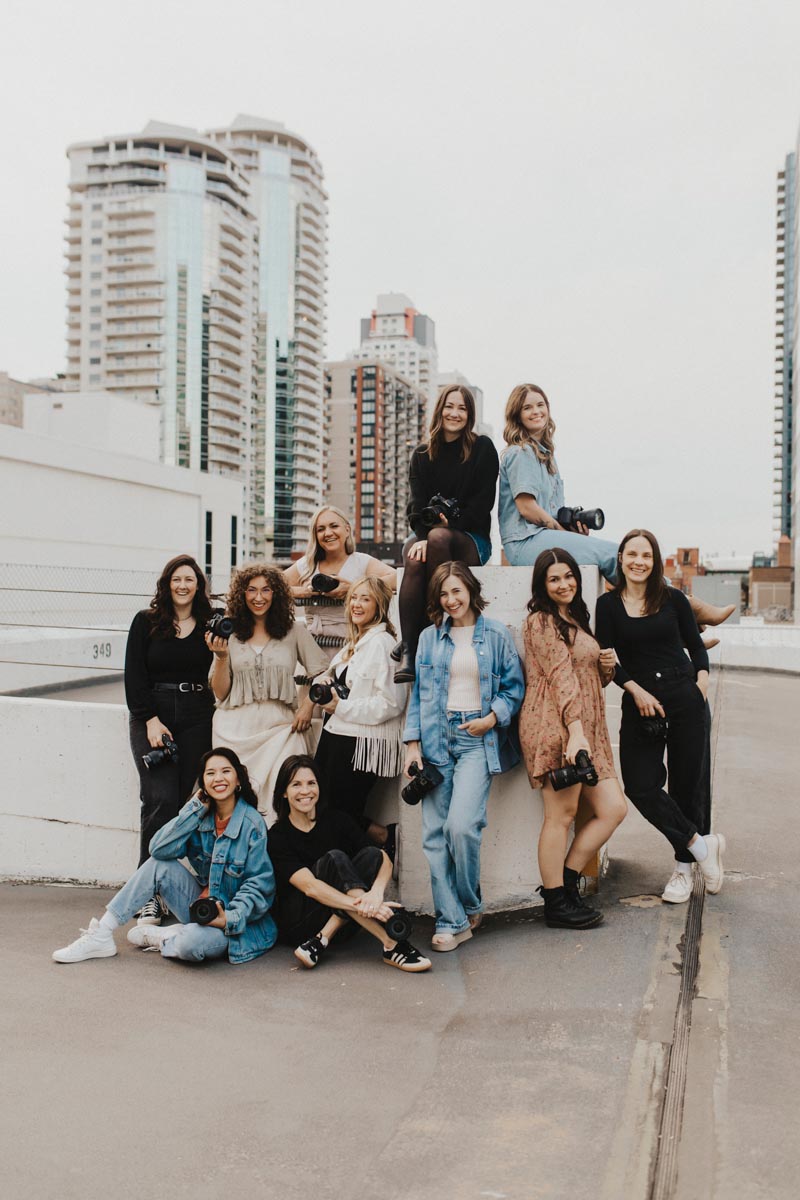
Little Icons consists of more than a dozen contracted photographers in the U.S., Canada, and the U.K.

Ashley Mason
Mason has had to analyze her photography technique and process to create the training. “One of the most exciting and excruciating parts of that was to dissect myself,” she says. “I worked very instinctively. I wasn’t thinking about what my visual rules were. I even had to start thinking about how I talk with people.” The workshop covers the specific techniques photographers use to create the Little Icons style of portraiture, as well as how to cull images and create galleries. She also teaches client relations and how company values can help guide client interactions. Certain challenges seem to crop up more frequently, Mason explains, so she teaches the photographers how to handle those scenarios. For example, parents are sometimes anxious about how the session will unfold and how their children behave. “Something we train photographers to do is to speak to [the parents’] fears in a positive way, giving them reassurance,” Mason says.
During those three days in Edmonton for the entire Little Icons team, they learn not just from their leader but from each other. Mason says through fostering Little Icons, she has elevated her own skills, both photographically and as a businessperson. “Once this ball got rolling, it became bigger than me. It’s not all mine anymore. And it is really amazing when the team shows up, and they help each other, and they learn together,” she says. “I think that’s massive. I think one of the coolest things about it being a team is that we genuinely level each other up.”
Amanda Arnold is a senior editor.
Tags: children portrait photography