
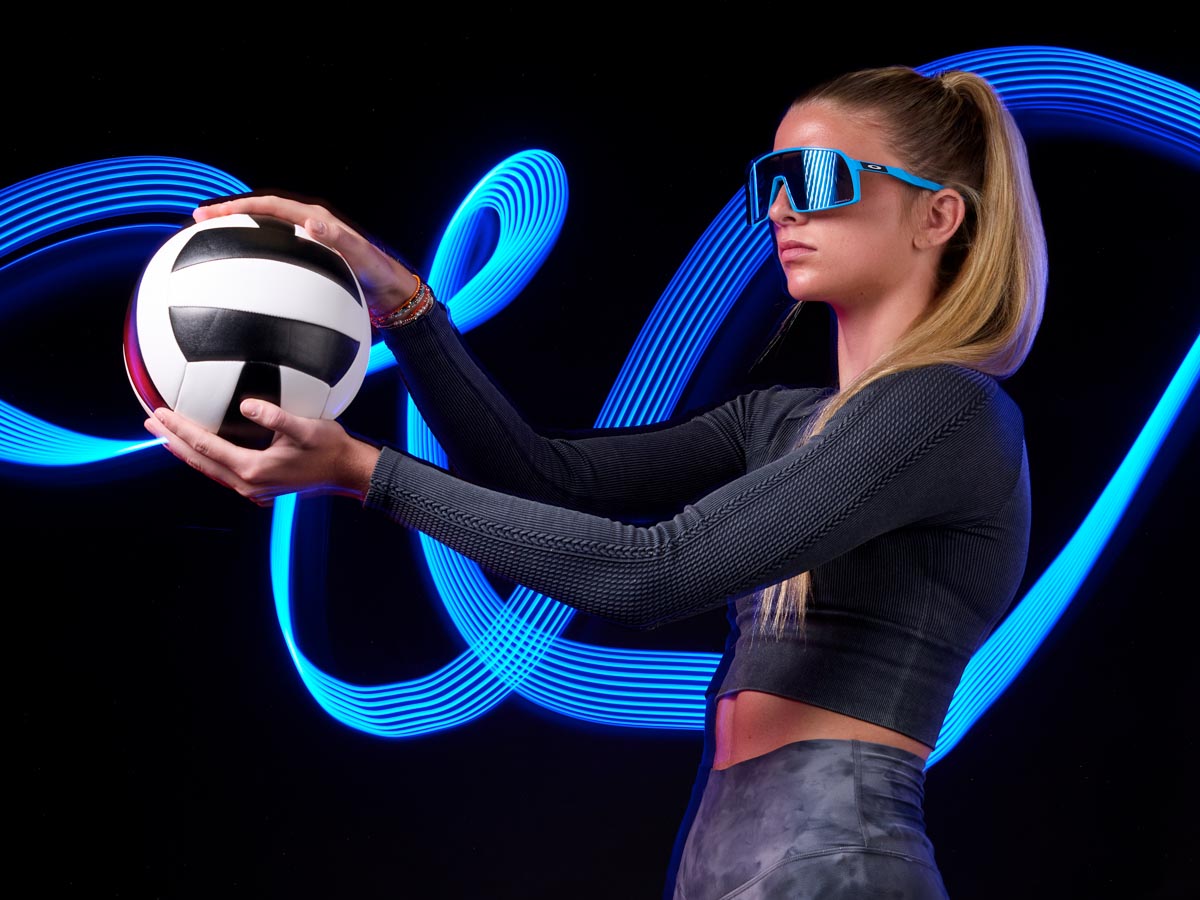
When Bee Trofort-Wilson was in high school, she told her family she wanted to be a photographer. Family friends told Trofort-Wilson’s parents she’d end up a starving artist. “That was one of those things that motivated me,” says Trofort-Wilson, a commercial, editorial, sports, and fitness photographer. “I didn’t know what the road would look like, but I knew I was going to work hard, and it was going to work out.”
Work out it has. Trofort-Wilson became a full-time photographer in 2016. Since then, the 34-year-old has worked on campaigns for the U.S. Centers for Disease Control and Prevention (CDC), the WNBA’s Atlanta Dream, the NFL’s Carolina Panthers, Under Armour, and AARP. In 2020, during the COVID-19 pandemic, she opened Bee Fearless Studios, a rental photography and video space in Atlanta that “gives young artists access to develop their talents,” according to the studio’s website. In addition to working as a photographer, Trofort-Wilson teaches lighting workshops and has written two e-books, “Long Exposure Portraits Guide” and “Stop Waiting…Create Your Own Opportunities,” aimed at athletes and their teams looking to build and monetize their brands.
MENTORS AND MAKING A PROFIT
While growing up in Miami, Trofort-Wilson played basketball. In high school, as part of her magnet school’s art program, she took a photography and videography elective and loved it. Her instructor told her she had “a voice” in photography and encouraged her to pursue it. She enrolled at Virginia Commonwealth University (VCU) and earned a degree in photography.
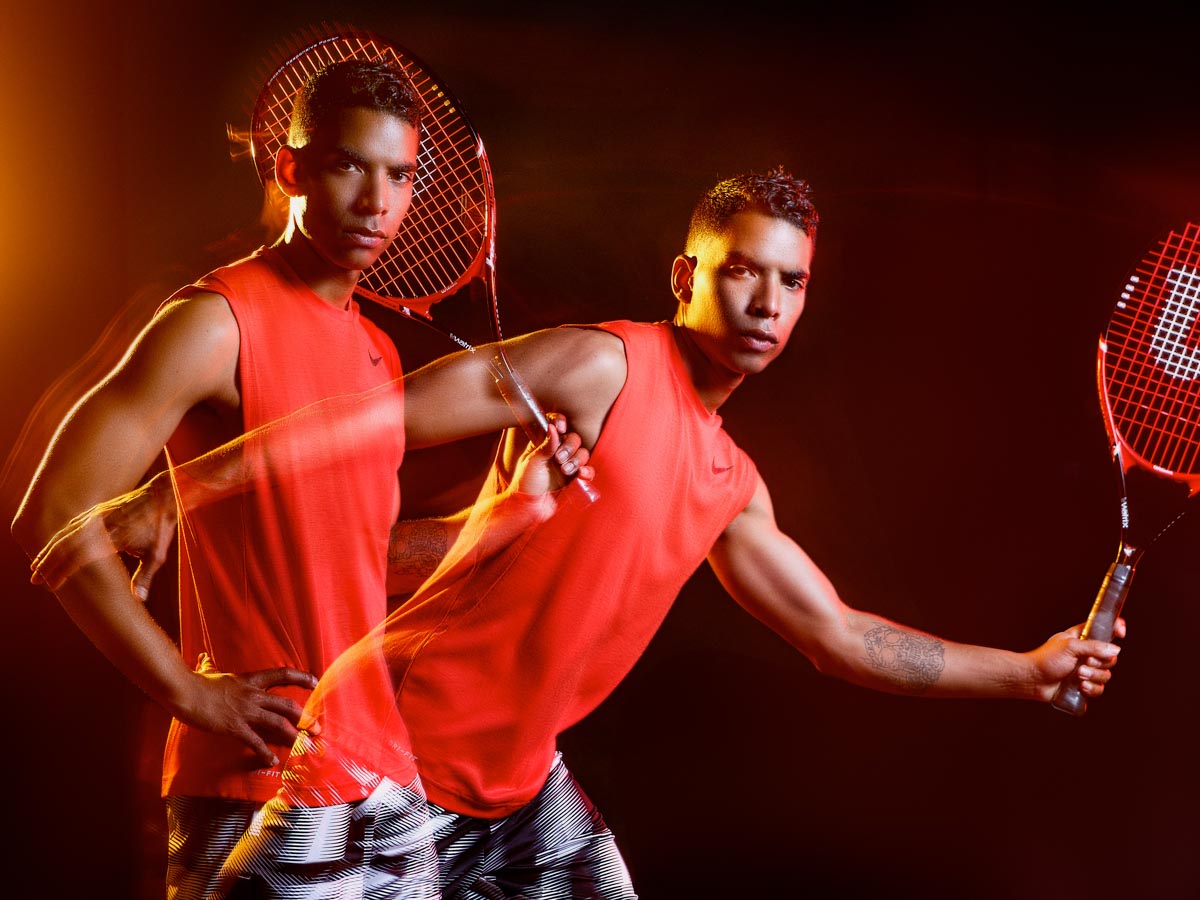
After graduating from VCU, Trofort-Wilson assisted Atlanta-based photographer Derek Blanks, whom she credits with helping her develop her lighting style. She also worked with Kelly Kline, another Atlanta-based photographer, who walked Trofort-Wilson through the business side of photography. When she and Kline traveled to jobs, Trofort-Wilson recalls the pair having “real conversations about what it’s like being a woman in sports, how to carry yourself, how do you deal with male counterparts, how do you deal with the business side,” she says.

In 2017, Trofort-Wilson moved to Los Angeles, an experience she describes as “a big shift” not only creatively, but monetarily. “I had to be more financially literate, so I started doing more education,” she says. “I realized that you can’t just treat this like a hobby. [The money] you make isn’t ‘yours,’ you know? You really have to start treating [photography] like a business.”
Another mentor introduced Trofort-Wilson to the “profit first” method, a cash management system created by author Mike Michalowicz. Unlike traditional accounting, “profit first” reframes the “sales minus expenses equals profit” equation to “sales minus profit equals expenses.” Trofort-Wilson uses the profit first method in her business, which she discusses during the “Professional Photographer” podcast episode, “Mastering Photography Finances: Tips for Freelance & Portrait Photographers with Bee Trofort-Wilson.”
Mentors “helped me fast-track my career,” Trofort-Wilson explains. “Great mentors will teach you things that some people may not share with you.”

WOMEN PHOTOGRAPHERS IN SPORTS
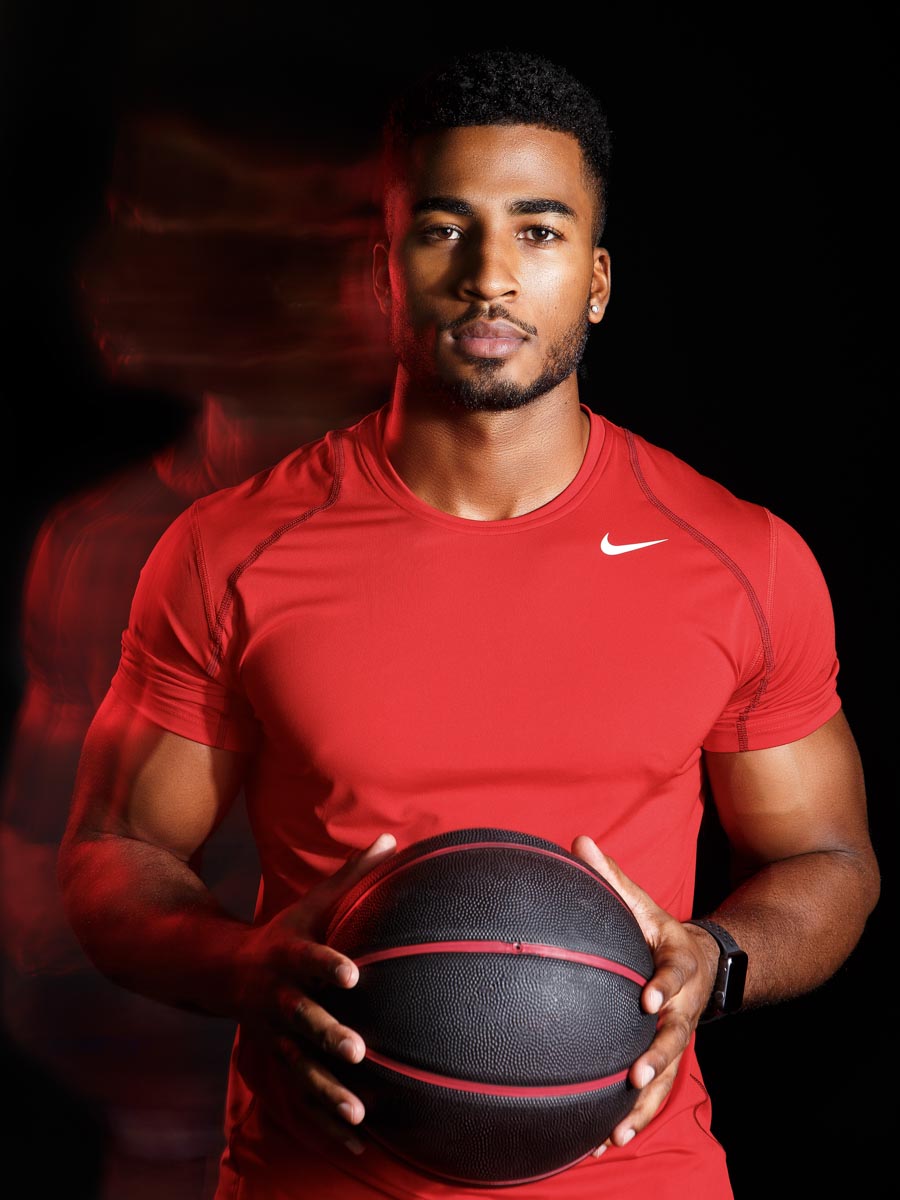
According to a September 2024 article published by the International Olympic Committee (IOC), only 15% of the photography pool at the Paris 2024 Olympics were women. The IOC recognizes the gender gap as a problem. “Sport has the power to shift how women in all their diversity are seen and how they see themselves,” states the organization’s 2024 “Portrayal Guidelines.” This disparity is not lost on Trofort-Wilson. When asked what advice she’d give Black women aspiring to work in sports photography, Trofort-Wilson told TrackTown USA, “Your voice matters,” adding that “[Photography] allowed me to stay in the game, celebrate athletes, and share stories that often go unseen.”
Trofort-Wilson recommends that anyone interested in sports photography “start where you are” and then network. Though some sports photographers she meets want to start their careers with professional sports teams, she tells them that’s rarely possible. “Shoot the local high school sports,” she suggests. “Build that portfolio. … Don’t be afraid to create your own lane.” For example, she adds that the new name, image, and likeness (NIL) rules, which allow student athletes to earn money from their personal brands, create more income opportunities for photographers than working directly with sports teams.
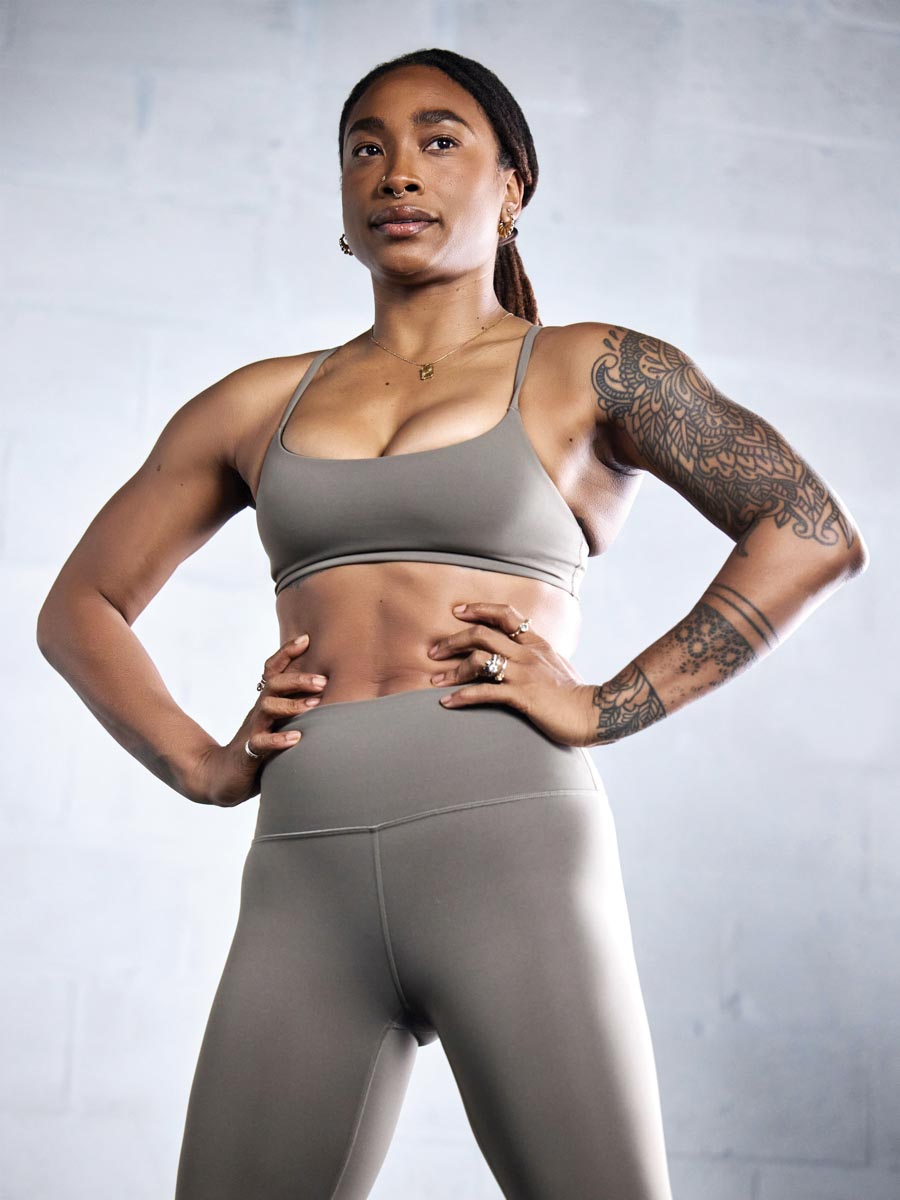
ADDING AND SUBTRACTING
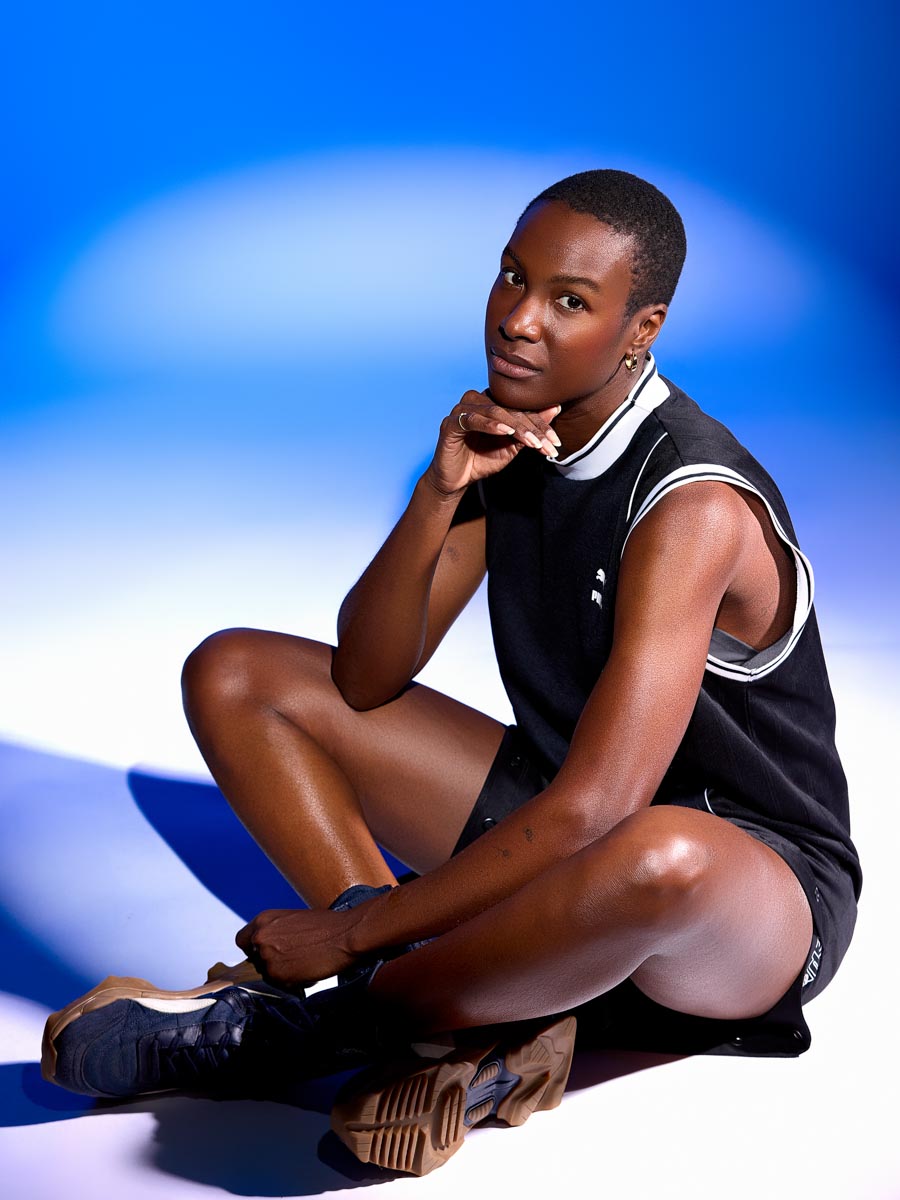
Trofort-Wilson photographs with Canon R3 and R5 bodies. Her go-to lens is the 70-200mm and she uses Profoto lighting equipment. When she brings her kit on the road—all packed efficiently into her Honda Accord—she travels with no fewer than five Profoto lights, several C-stands, modifiers, gels, backgrounds, her laptop, tethering cords, reflectors, and whatever else she needs for a specific shoot. Her go-to key light is a Profoto strobe outfitted with a beauty dish. “I just love the contrast, and I love the crispness and sharpness of the beauty dish,” Trofort-Wilson explains. When she flies to jobs, she rents equipment in that location.
In her lighting workshops, she shares her philosophy about lighting: Keep it simple. Trofort-Wilson typically starts with one light and builds from there. “It’s literally just adding or subtracting,” she explains. “Do I need to add more light? Do I need to subtract more light? Do I need to adjust my angles? Once you start to simplify it, it just makes it so much easier to understand and to be able to create what you’re looking to create.”
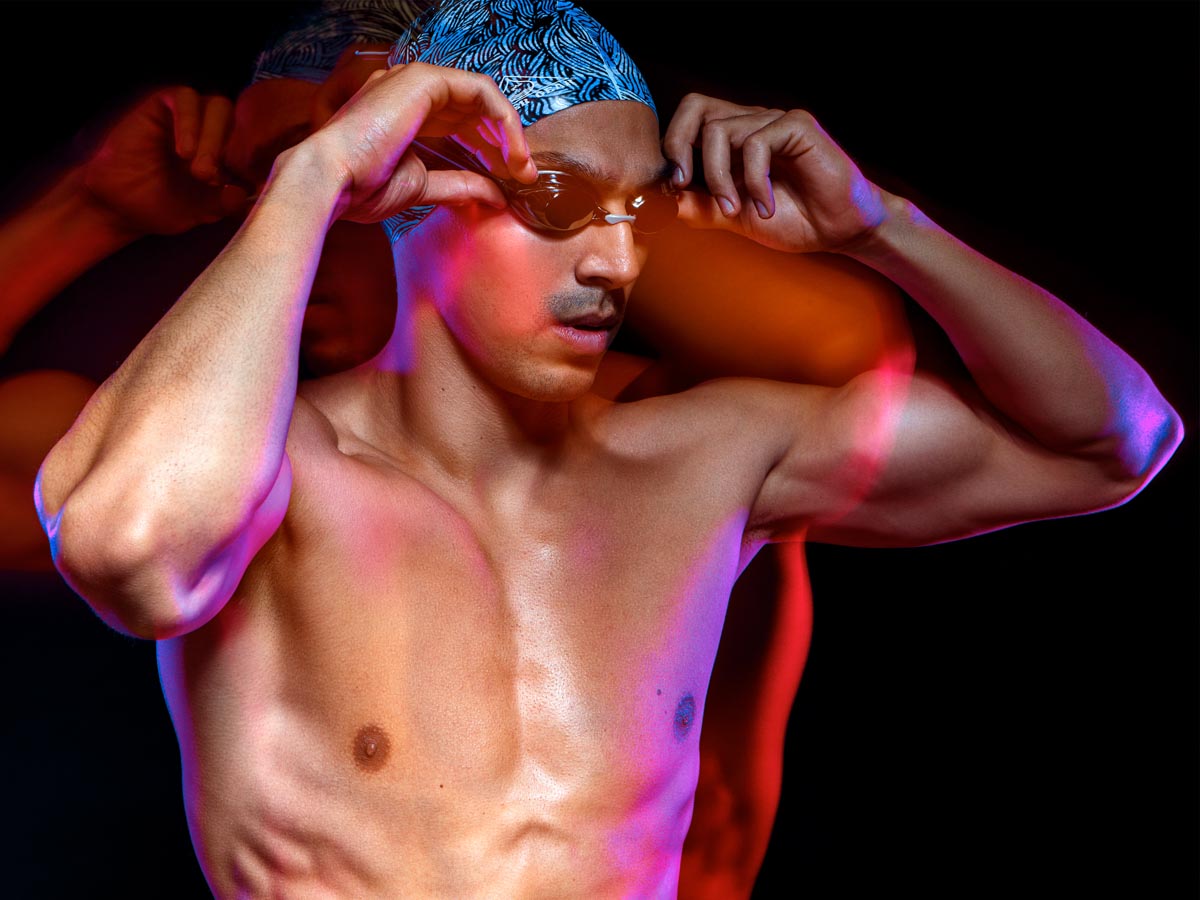
For inspiration, she creates mood boards. “I love looking at what different artists are doing with light and I love challenging myself. How can I make this look like my work?” she says. “I still find people that I want to experiment with so I can practice more and stay a student.” Trofort-Wilson knows it takes more than being a good photographer to get repeat work. “If you’re not someone that people want to be around, you won’t be hired,” she explains. “I’m a team player and I know how to have a good time on set and make everyone feel comfortable and have fun as well.”
Trofort-Wilson’s first child is due in October. As she’s done throughout her career, she’s seeking mentors who are mothers as well as photographers. She also appreciates her own experiences and knows she has a lot to offer as a mentor as well. “The young me never knew that this was what my career could have been,” she says. “It’s been more than I could have imagined.”
Writer and photographer Allison Shirreffs works with various organizations and publications.
Tags: commercial photography