
Have Camera, Will Travel
Meredith Ryncarz creates success by starting over, over and over again
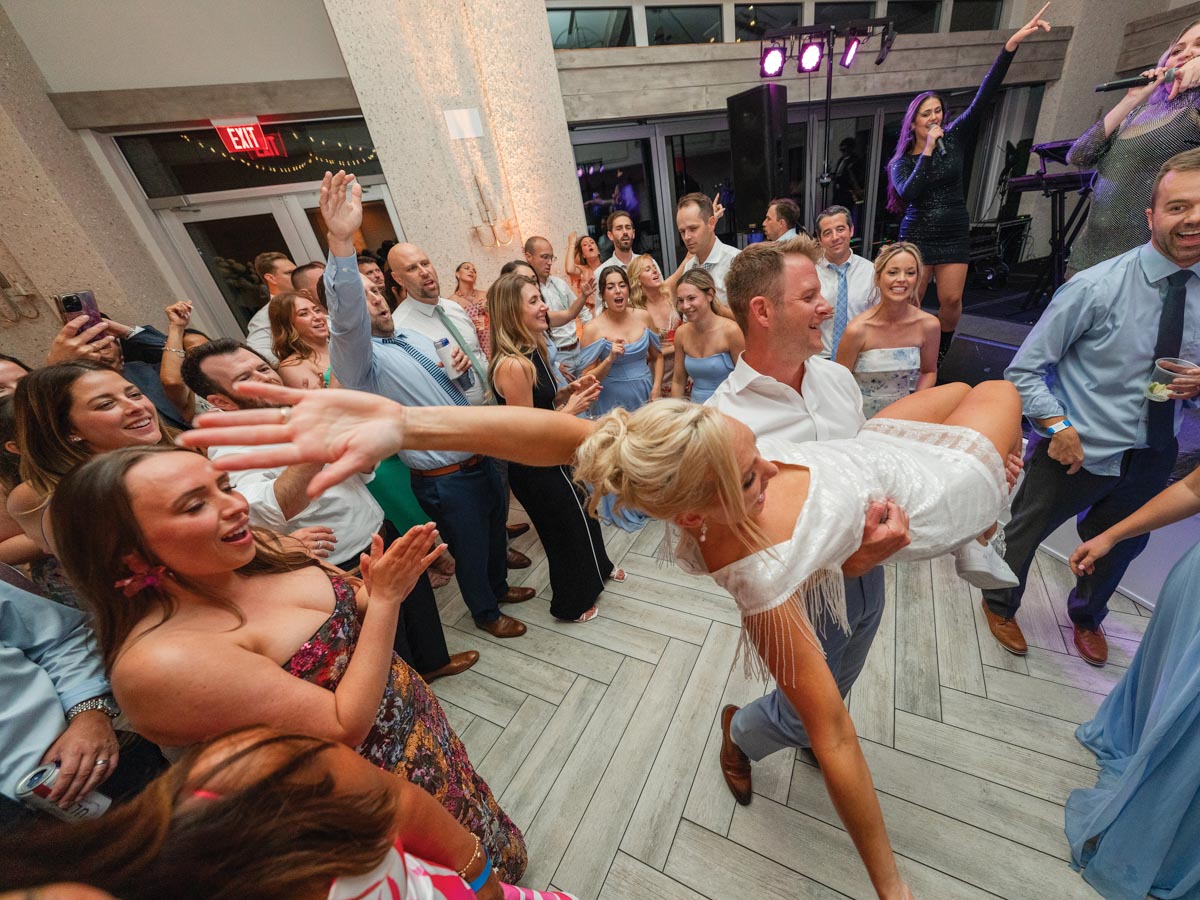
Meredith Ryncarz, Cr.Photog., has moved a lot. With a husband in the military, she’s used to picking up and restarting her life, and her business, every few years when new military orders send the family to the next location. From Alabama to Virginia to Georgia, she’s taken her photography business with her, each time starting over from scratch to build a new network, new clientele, and a new business presence.
Well, not exactly from scratch. Over the years and successive moves, Ryncarz has honed her organizational practices to become an expert in starting over. Her current iteration of the business is a successful boutique wedding and boudoir portrait studio in Savannah, Georgia, with connections and clients calling her from all over. From one spot to the next, she’s developed and transported her logistics management and business development systems while continually elevating her photography to appeal to an increasingly affluent audience.

CHANGING SPECIALTIES, GAINING FOCUS
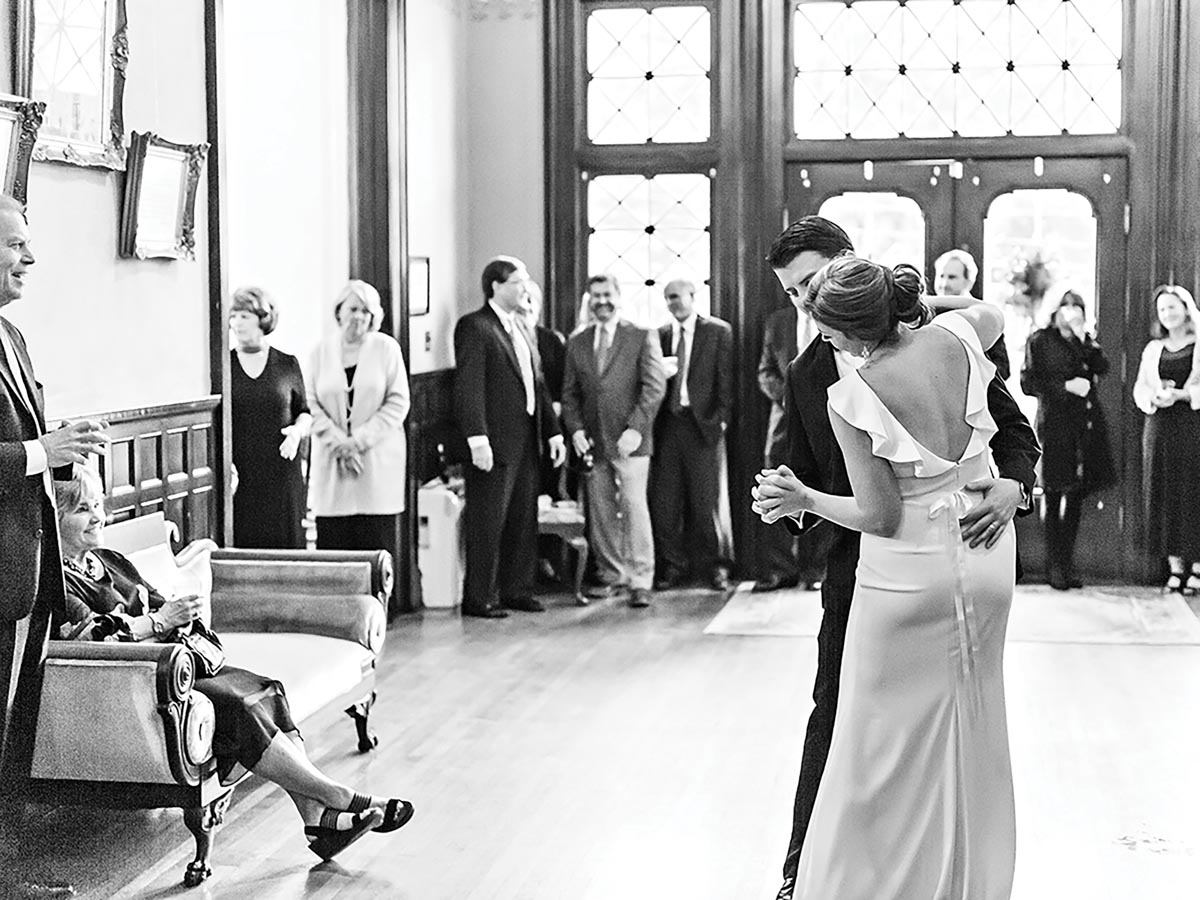
Ryncarz started out as a portrait photographer. She spent several years developing skills and best practices around portrait photography, ushering her business through various iterations and locations while steadily growing her profile. But when she had the opportunity to try her hand at wedding photography, she found the next level of inspiration. At the urging of a colleague, she decided to go all in on weddings. As an established portrait photographer, she figured her expertise would translate seamlessly. Instead, she had to shift her thinking.
“You don’t realize what you don’t know until you realize you don’t know it,” says Ryncarz. “Attacking weddings from a portrait perspective, there is a lot of potential for missteps.” She points to pricing, time management, understanding how to track cost of goods, and effectively gauging the competition as areas of concern. “But if I were to look back on it now, 13 years later, I would say that not understanding logistics and asset management were the biggest problems I faced,” she continues. “Because a wedding is a production. You have one day to get it right, and there are no re-dos.”
When planning a wedding job, it’s critical to map out not only the timeline, but how the photographer and second photographer approach different phases of the work to ensure the most creative coverage. “A lot of times, wedding photography teams move as one,” observes Ryncarz. “They don’t think of individual assets in terms of the different skills of people on the team.” For example, one photographer may excel at portraits and another at photojournalistic, storytelling photography. Planning where these photographers should be stationed and when during the event leads to more creative coverage and better-quality images, she explains. “When you don’t manage your assets correctly, you lose creativity because you’re allowing chaos and stress to sweep in.”
REPURPOSING PORTRAIT SKILLS
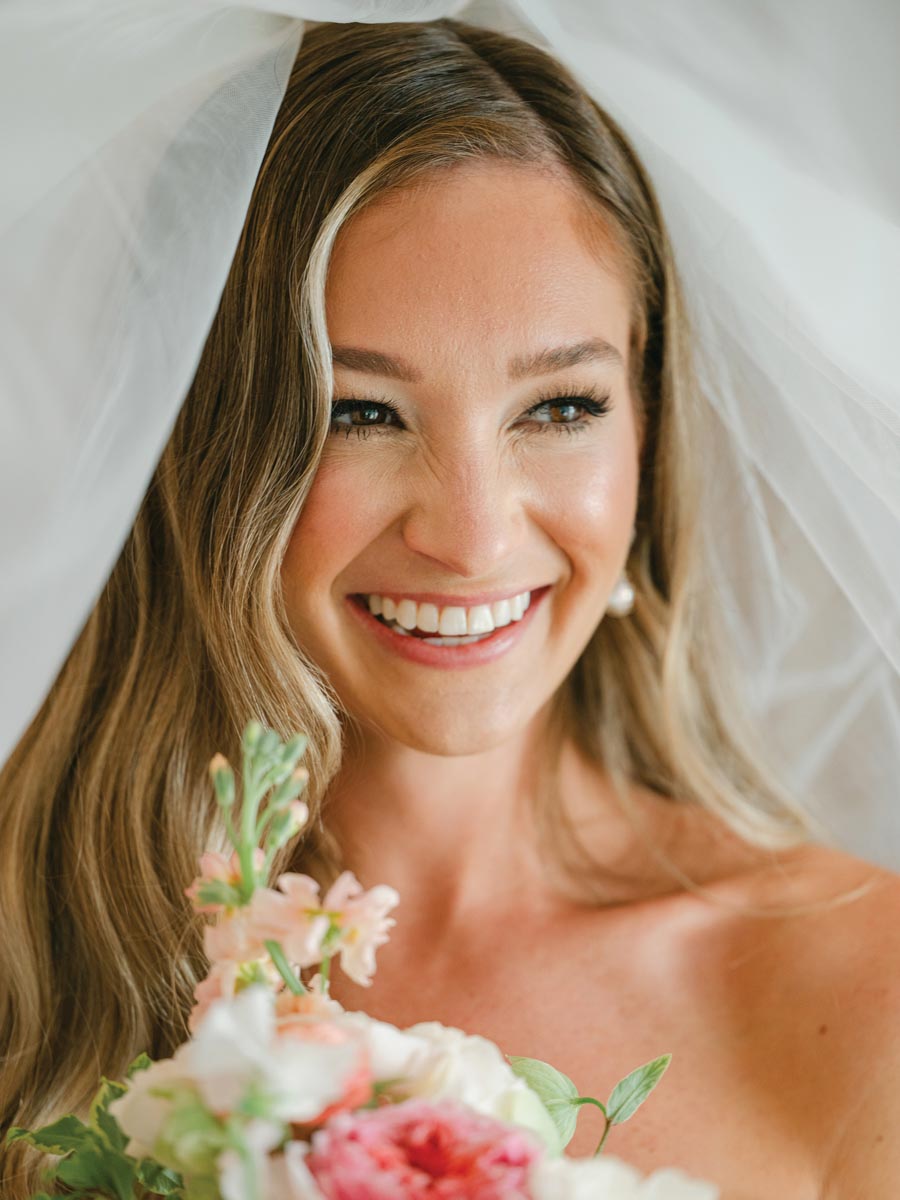
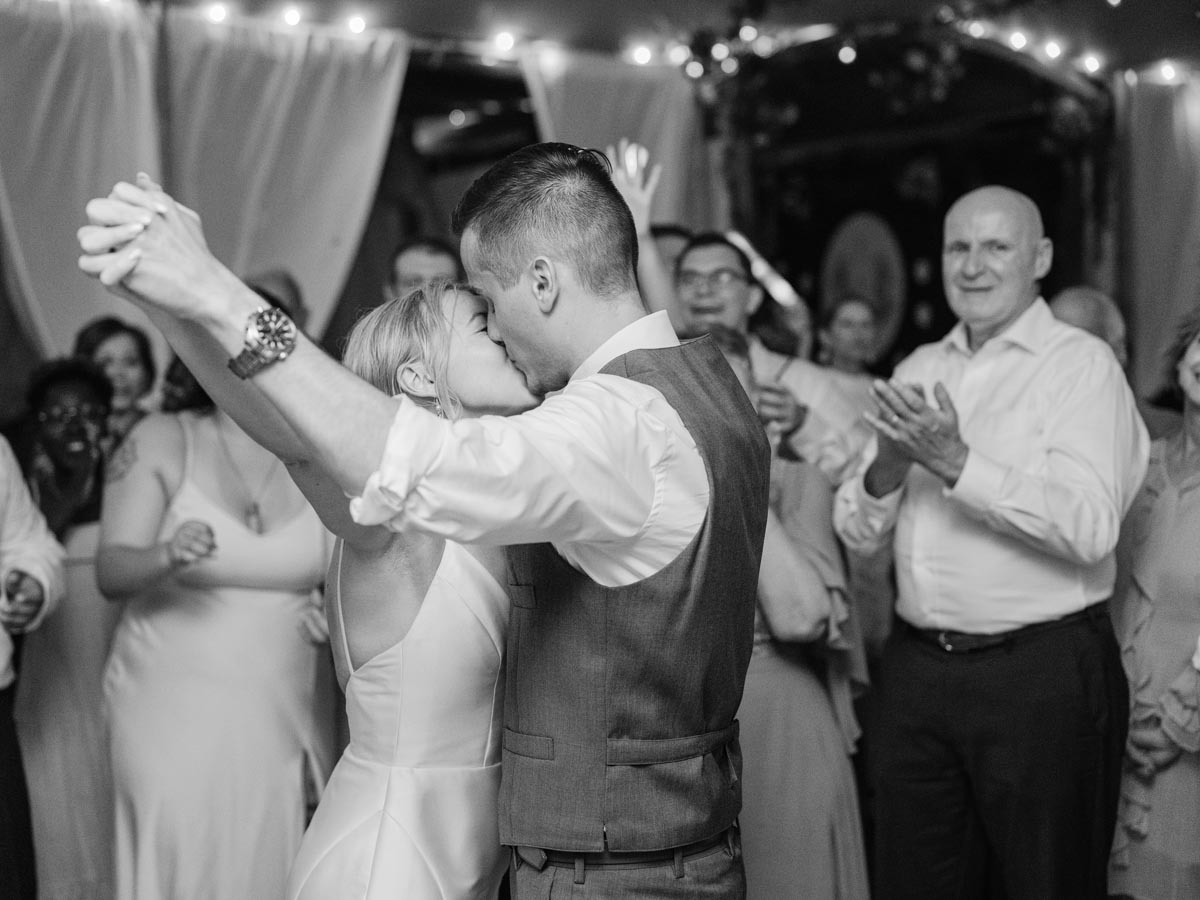
The key to success in the wedding field is recognizing the purpose of the images, says Ryncarz. “You’re looking to tell a story, not just take a beautiful portrait of a couple. Can you take these two people, put them together, and make them look beautiful? Can you also tell their story in an intriguing way?” The best images combine the skillsets of portraiture and photojournalism, she adds. Ryncarz suggests asking yourself, “How do I inform the story from a portrait standpoint and tell it in that one frame—and then do it again and again and again to string together a cohesive narrative?”
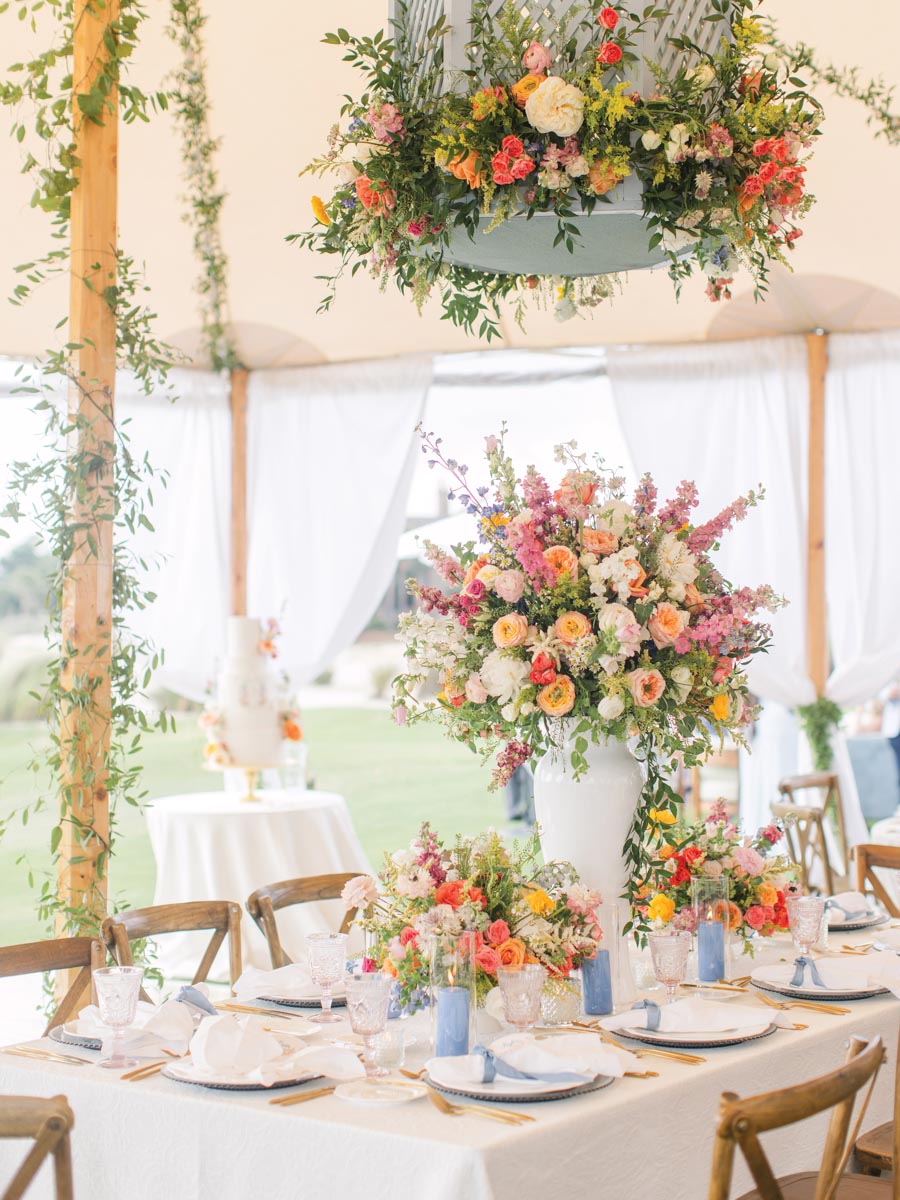
Ryncarz appreciates the uniqueness of each wedding even as some of its elements, such as parts of the ceremony, may stay the same. “Every single wedding is different,” she says. “Every single couple is different. They want different images, different approaches. That gives a creative challenge as we consider how to do very similar things differently, creatively, so the images are as unique as the people.”
ADAPTING TO THE UNEXPECTED
Ryncarz has experienced everything from a groomsman having both hips pop out of their sockets to a hungry racoon invading the catering tent to a torrential downpour that flooded the entire outdoor reception site—and that was all at the same wedding. She has learned that wedding photographers must prepare for the unexpected, and when you’re not prepared, improvise. She even carries an emergency kit with everything from crochet hooks to razor blades, and “a whole bunch of other stuff you’d never think you’d need,” she says. “Sure, at some level, we’re in it to take pretty pictures, but managing logistics allows us to take those pictures.”
Ryncarz remembers one event when strong winds knocked out power at the wedding site. The bride’s hair was half-done, the groomsmen were stuck in a windowless room with no light to get dressed, and the venue’s backup generator was out of fuel. Ryncarz’s assistant backed her Jeep up to a window, and they threaded an extension cord through the window to provide power to the wedding party (and at least finish the bride’s hair). “The best you can do is try to be ready, not panic, and find a way to keep things moving,” Ryncarz says.
SHARING THE KNOWLEDGE
Ryncarz has been sharing insights from these crazy wedding mishaps, as well as plenty of lessons from everyday business management, in an online educational venture called “The Restart Specialist” and on PPA’s content website PhotoVision. She was inspired to start educating photographers after attending a wedding photography workshop shortly after one of her relocations. Ryncarz says the instructor told her that because she moves too frequently, she would not succeed in the wedding industry and was actually taking away business from other photographers. This feedback only hardened Ryncarz’s resolve to succeed. In fact, she says, she realized that her strength was her ability to generate new business in each new place. And along the way, she learned invaluable lessons about pricing, marketing, logistical management, and other crucial factors that drive business.
Those elements are sometimes overlooked by photographers who lack business backgrounds and focus only on the art. “Photographers want the pretty. I do, too. I love to create, but money allows me to stay in business and create more,” she explains. “So, I want to help others with … all those things that most creatives shy away from. I want to help people get to that point of having a successful business as quickly as possible, versus going down a rabbit hole and losing two, three, four years trying to find a system that works. Most of all, I see potential in people, and I want them to use it. They have a God-given talent for a reason, and I want them to see their full potential.”

ATTACHING MOTIVATION TO DILIGENCE
For photographers struggling to grasp the important business topics, Ryncarz recommends tying them to what you value and what motivates you. Is it freedom? Is it family? Is it the joy of creating art? Then think about how better business practices can feed your motivation. If freedom is what motivates you, then a strong financial plan allows the freedom to choose what to photograph and when. With that baseline, the next step is to adjust your business expenses. It may mean adding more offerings to generate more revenue or changing your sales techniques, “because the money is there, you’re just not asking for it,” Ryncarz says. “We need to get past that fear, move beyond that feeling that asking for money for our art is somehow sleazy. That’s the biggest issue I see with photographers, that reluctance to actually sell their art. Photographers need to understand that we are providing a service. People come to you because they have a need, and you can meet that need. Don’t think of it as sales; think of it as serving your client.”
This is why photographers must be deeply familiar with their client base, why you’re serving them, and how you can serve them better. “This process allows us to start charging more, because we understand the psychology that feeds into the business,” says Ryncarz. “We need to step outside of ourselves, get out of our own way, and by doing so, we can better serve our clients for many years to come.”
Jeff Kent is editor-at-large.
Tags: wedding photography