
For the Birds
Connecting people with wildlife
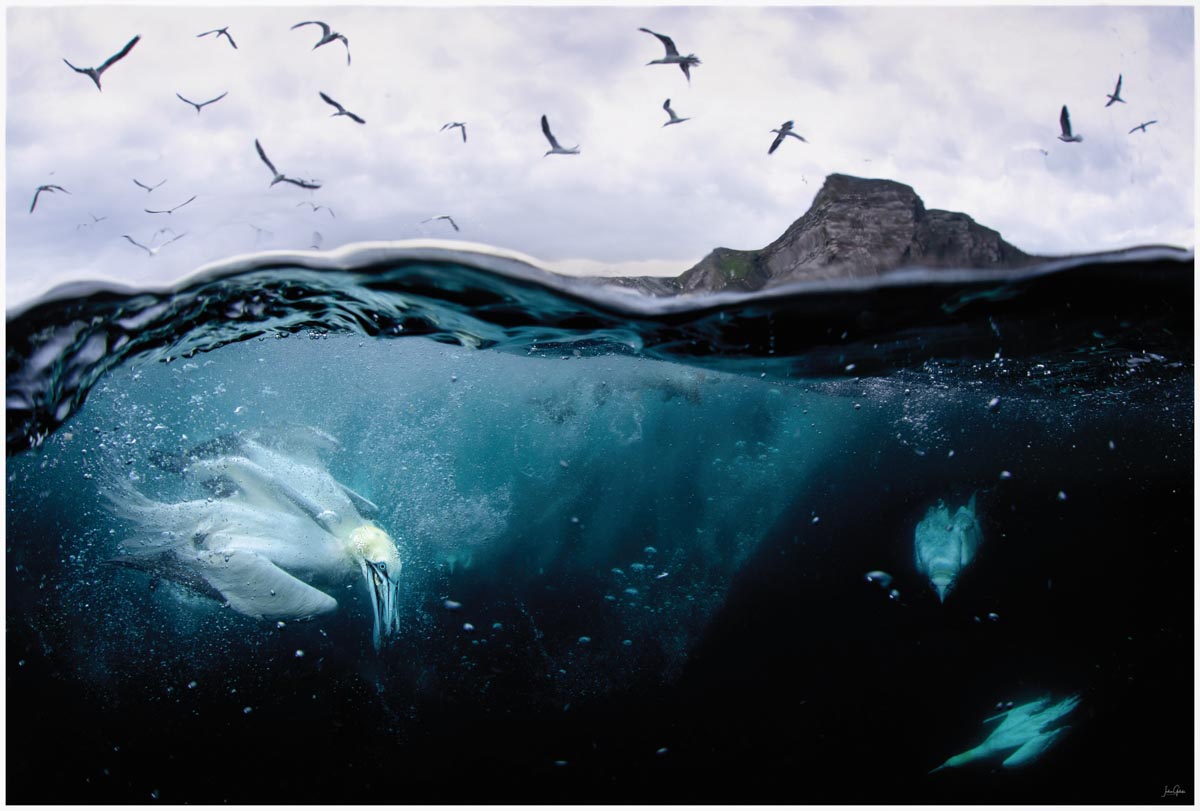
As a kid exploring the dense forest around his home in Mocanaqua, Pennsylvania, wildlife photographer Josh Galicki developed an early appreciation for songbirds. “I started taking simple documentary photography so I could show family and friends what I was seeing in the field,” he says, and they were often surprised by the colorful birds he’d photographed nearby. “Seeing that reaction really stayed with me. Photographing became a way to connect people with wildlife they might otherwise never notice.” Galicki, now based in the Washington, D.C., area, offers lessons learned in bird photography:
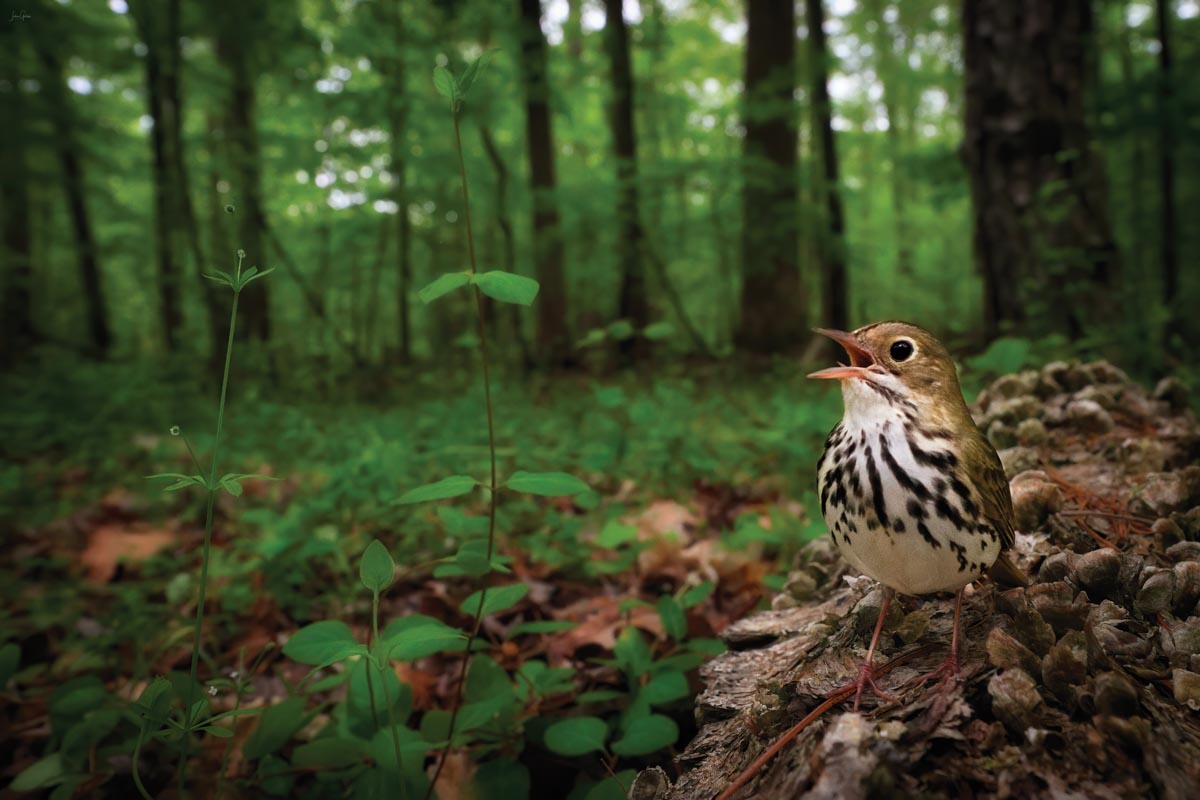 View Gallery
Blend in. Avoid wearing bright colors or white sneakers. Subdued colors that fit the environment are best. Making photos from his trusty kayak allows Galicki to sit low, so birds are less aware of his presence.
Don’t overlook common birds. “Canada geese are a perfect example,” Galicki says. “They’re plentiful, relatively confiding, and give you endless opportunities to experiment with composition, behavior, light, motion, and environmental images.”
Experiment with every kind of light. Don’t let the golden hour become the formula. Angled light, backlight, soft overcast conditions, dramatic storm light, and even harsh light can be impactful.
Study composition beyond bird photography. Leading lines, textures, patterns, negative space, balance, repetition, and visual flow can be just as relevant in bird photography as they are in landscape photography.
Don’t force the photo. “Birds are wild, and they come and go on their own terms.” If you have patience and allow situations to develop naturally, opportunities present themselves.
The best bird photos are often captured close to home. “The strongest work usually comes from places you know well,” Galicki says. Having intimate knowledge of the behaviors, routines, and habitats of birds, and repeated access to them over time, results in more thoughtful images.
Closer isn’t always better. “The frame-filling bird portrait is a traditional and very popular approach,” he says, but sometimes the better decision is to zoom out and include more of the environment in the frame for better storytelling and composition.
Amanda Arnold is a senior editor.