
When Ricoh announced the Pentax 17, a half-frame 35mm film camera, one question immediately came to mind: Who is this camera for? I spoke with Dan Savoie, a technical solution manager from Ricoh, who walked me through not just the camera’s functionality, but also its why—the bigger story behind its creation.
When Ricoh first explored the idea of making a new film camera, they didn’t start by brainstorming specs. Instead, they went straight to a source with current-day experience: film labs across Europe. They wanted to understand who was still using film and what those users needed most.
What they discovered was surprising. First, a huge portion of film being developed came from disposable cameras. Second, the primary demographic shooting those disposables are 18- to 35-year-olds, evenly split between men and women. Third, most of the images were being shared on social media, and they were shared vertically.
Those three insights were the turning point.
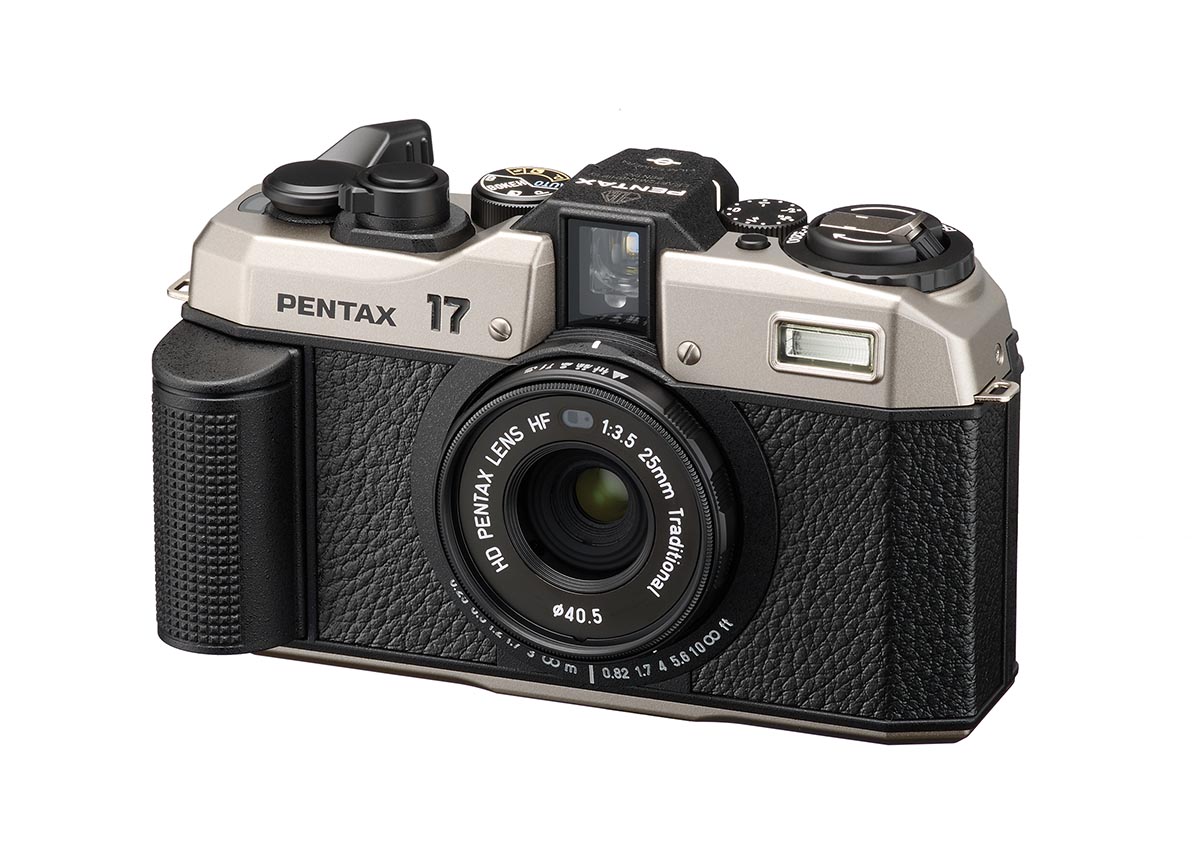
If young photographers were already paying for disposable film experiences—and posting vertical photos on Instagram—then why not design a camera that fit that lifestyle better? One that offered double the exposures per roll (half-frame format), sharper images than a disposable, and a body that could be repaired and maintained.
The Pentax 17 was born out of those simple but powerful insights: Make film fun, accessible, and social again. Knowing this changed how I used this camera.
Film Without Pressure
I’ve used a lot of film cameras over the years, and whether it was for personal work or client work, there was always pressure to make every shot count. Film is expensive. Every exposure is precious, and every mistake feels like a waste. Until the Pentax 17.
For the first time in my life, I picked up a film camera and felt completely free to make mistakes. I didn’t stress about perfect exposure. I didn’t second-guess every frame. I didn’t feel the burden of technical perfection weighing me down. Instead, I just photographed. The half-frame format, the simplicity of the controls, and the spirit of the camera itself invite you to loosen up, play, experiment, and enjoy the experience of film again.
The Pentax 17 isn’t a professional workhorse. It’s not weather-sealed. It doesn’t have pro-level features. But what it does offer is something rare and refreshing: headspace. The headspace to be present. The freedom to experiment without fear. The joy of shooting without a checklist running in your mind. And that, for me, is what makes the Pentax 17 special.
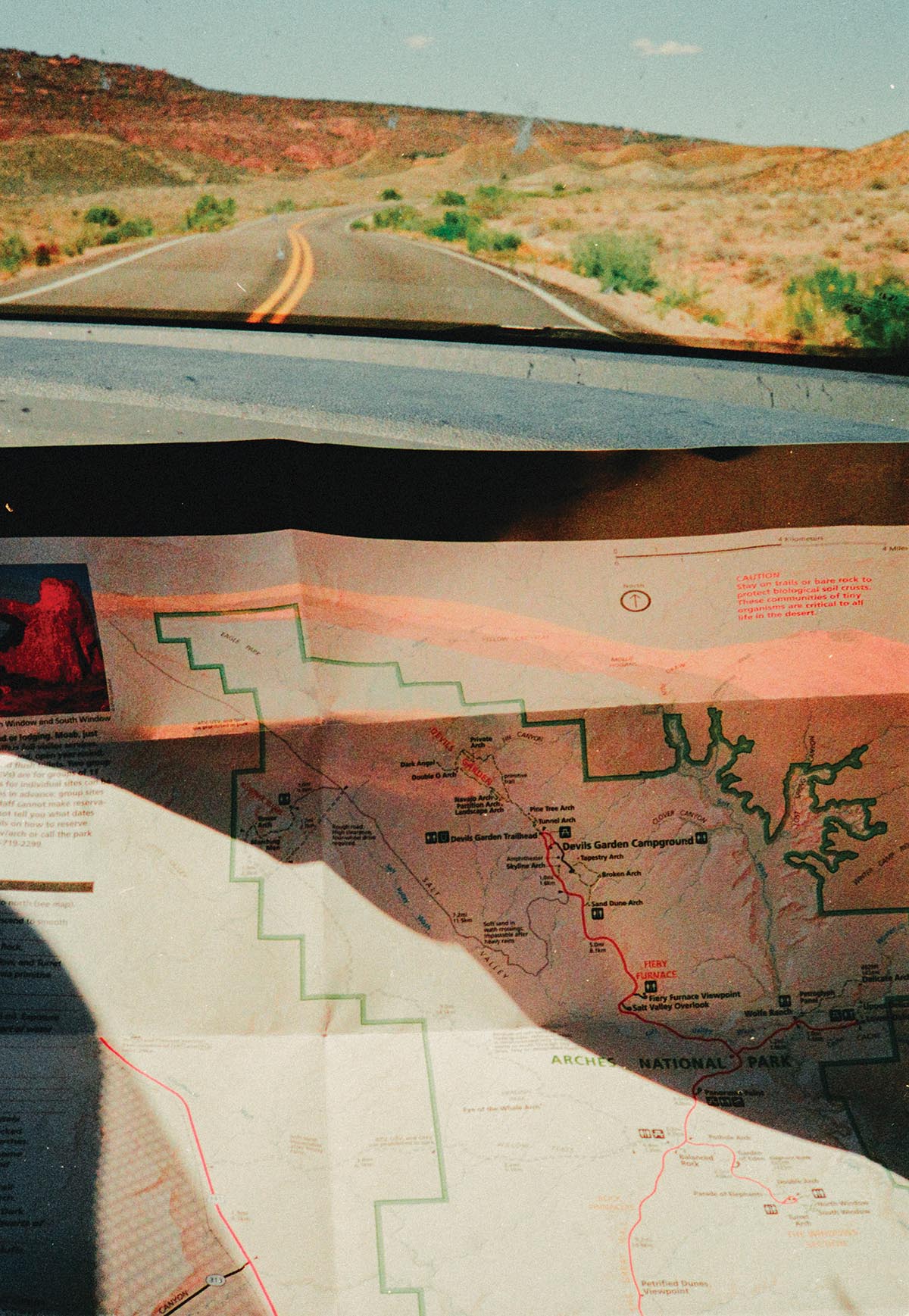
Image Quality
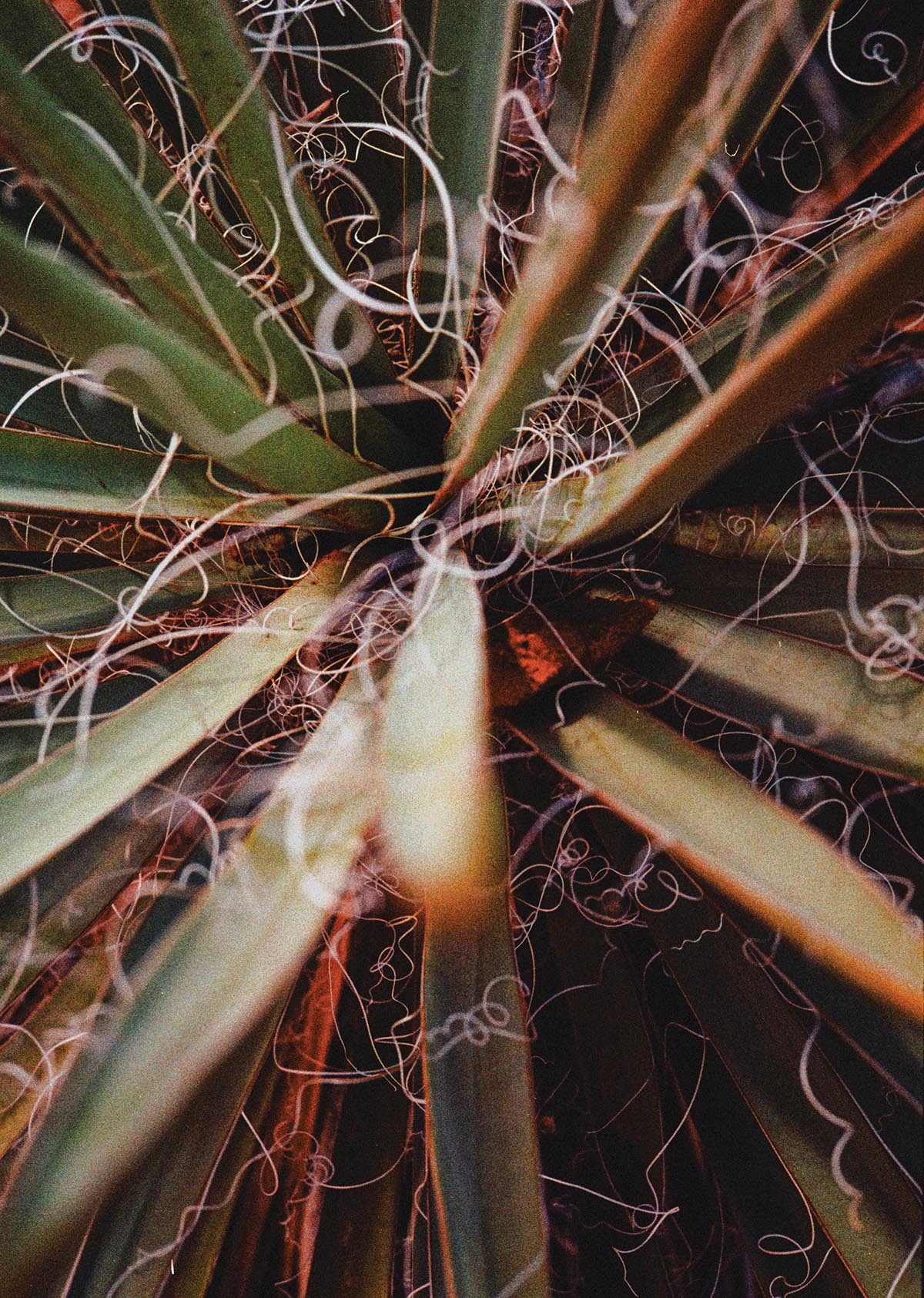
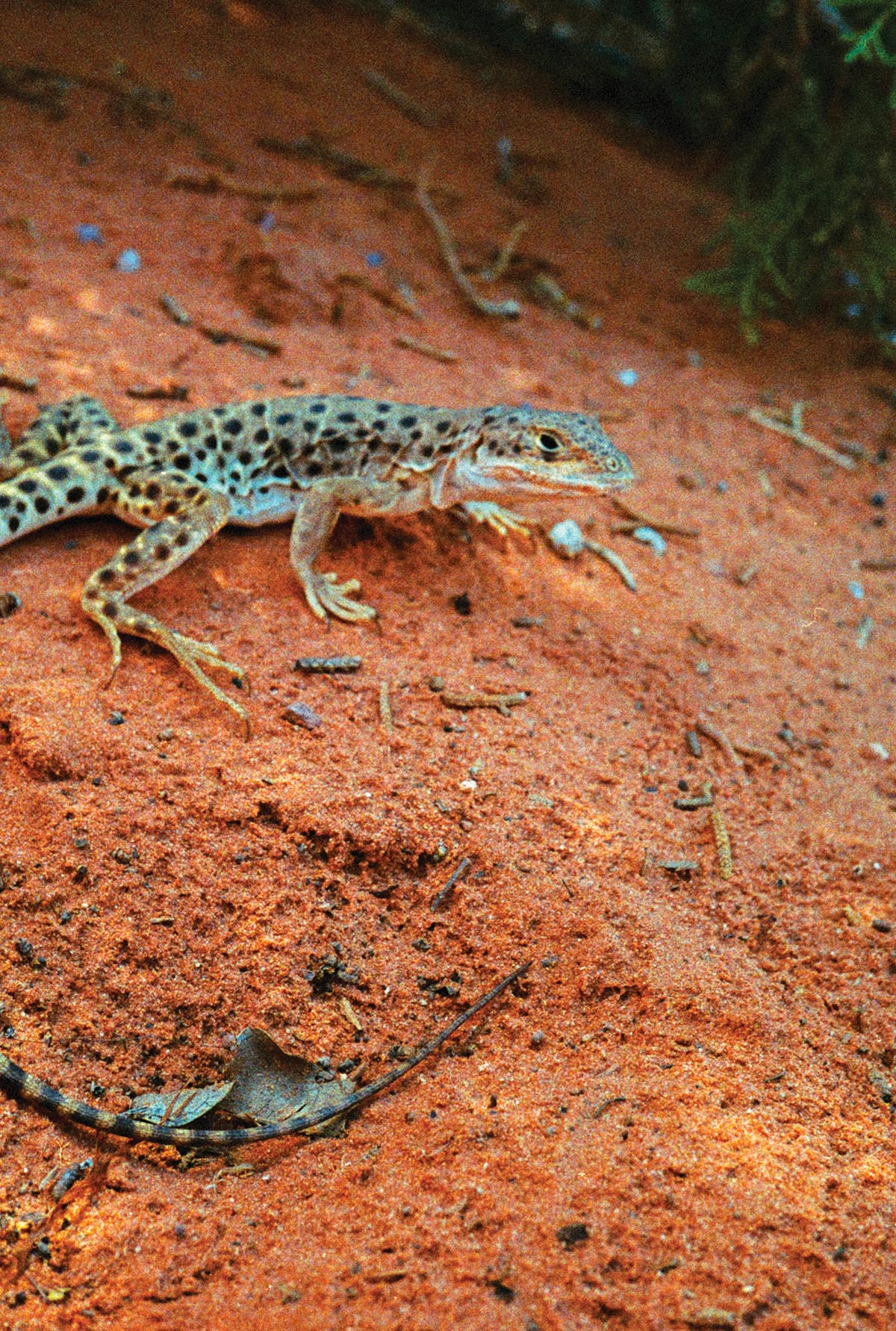
Every time a new roll of film comes back from the lab, there’s that moment of anticipation, especially when it’s from a new camera. With the Pentax 17, I was expecting something decent, maybe good enough for Instagram. After all, it’s a compact half-frame camera; it doesn’t scream professional tool. Then I opened the scans and I was genuinely impressed.
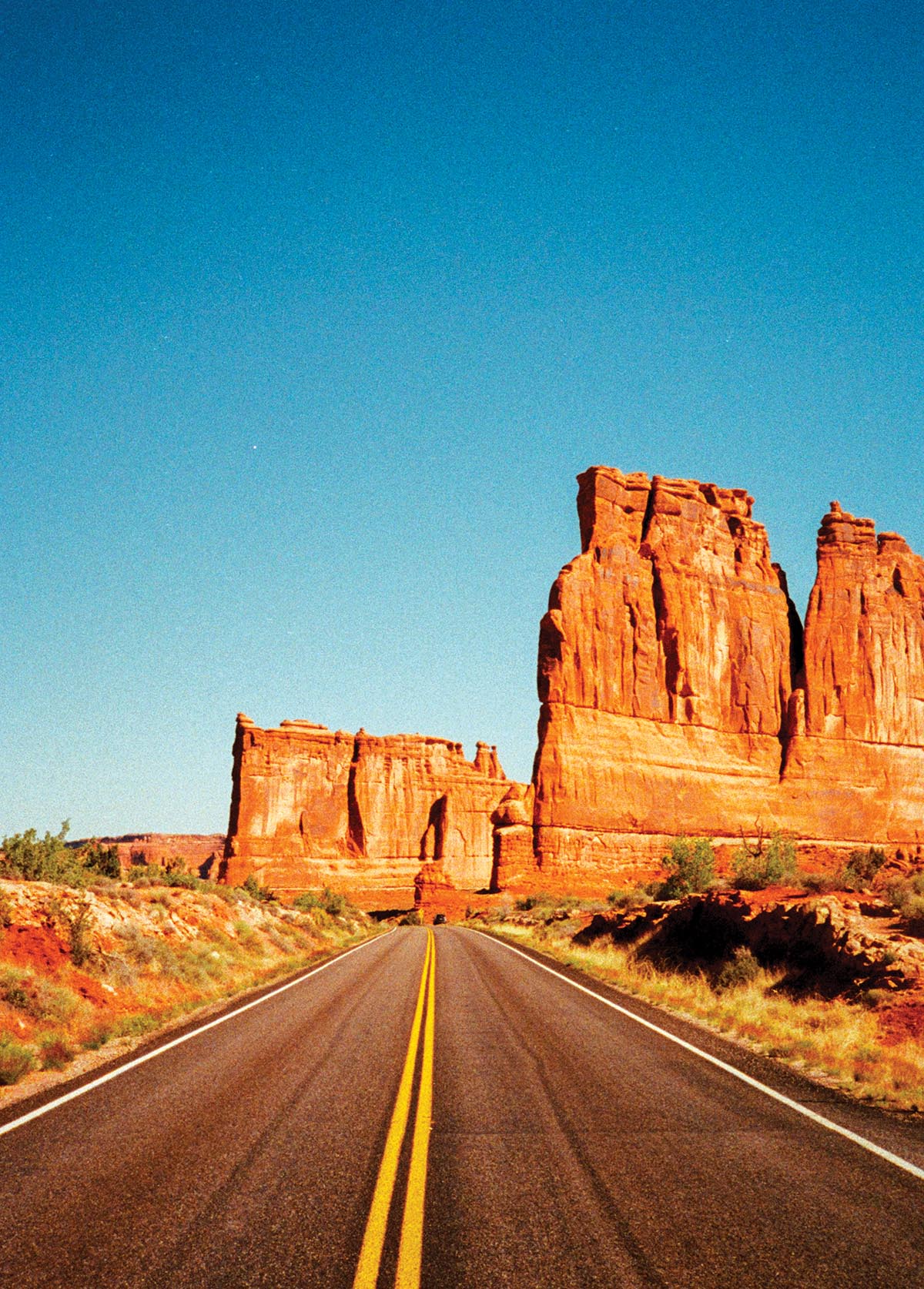
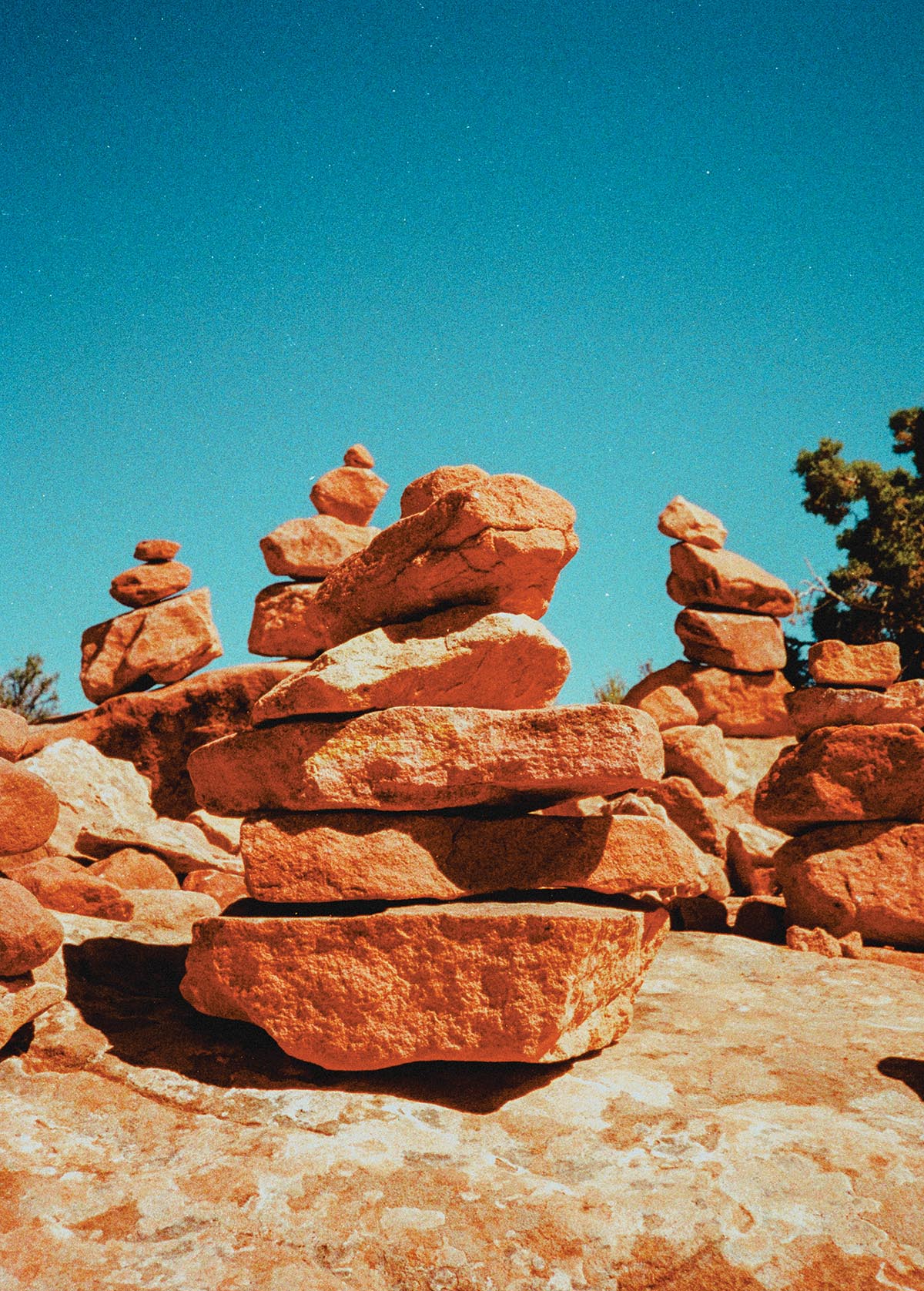
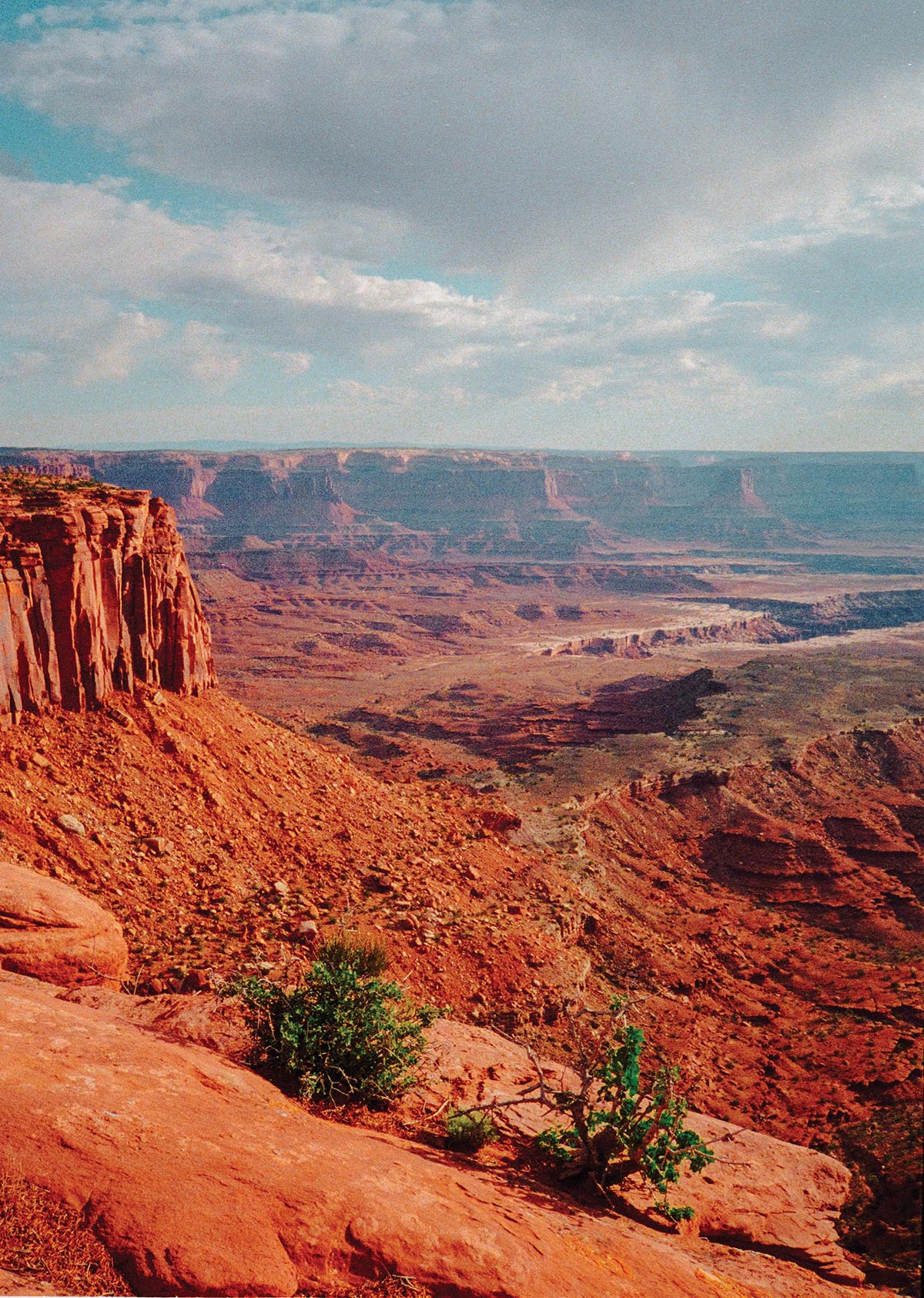
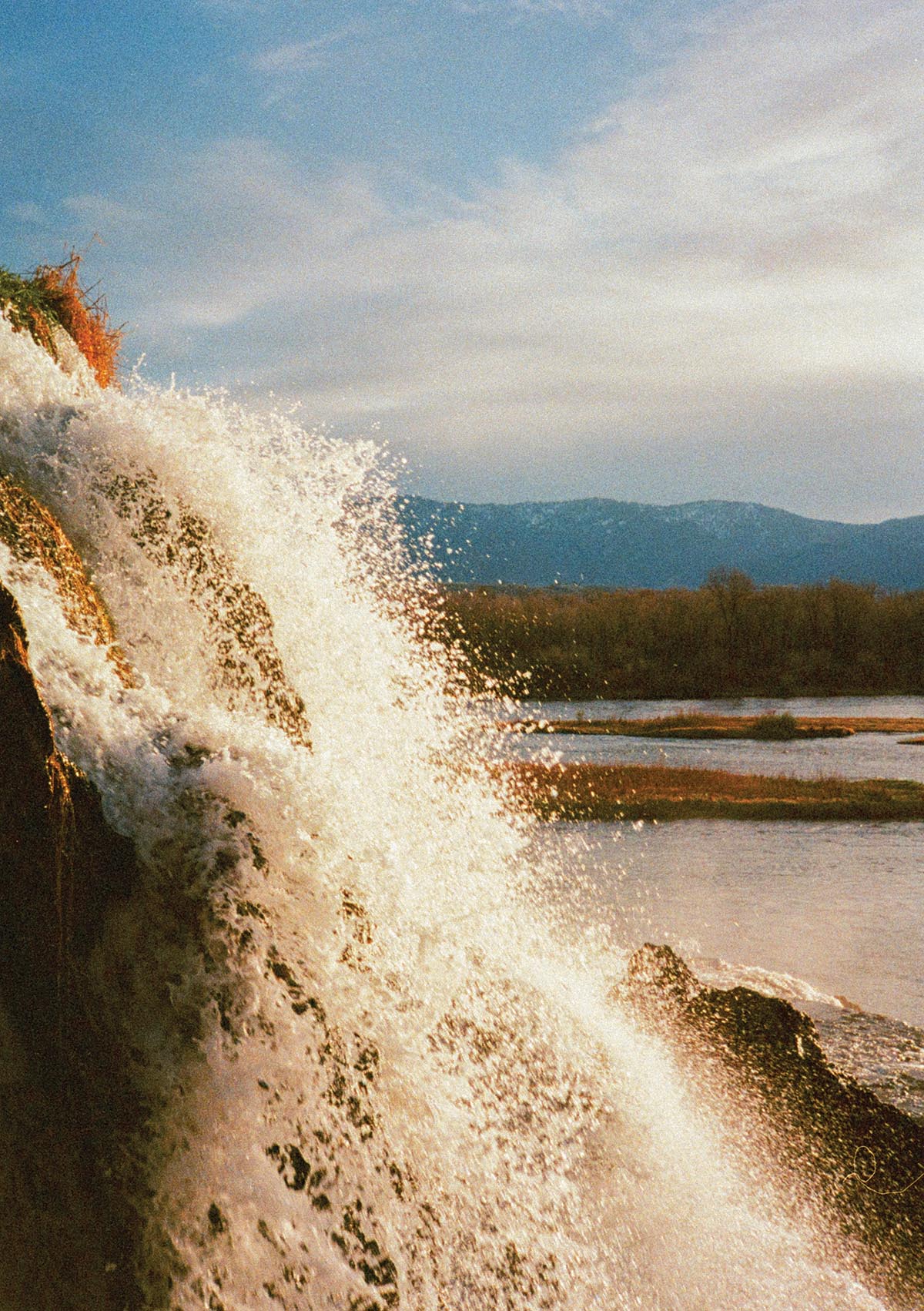
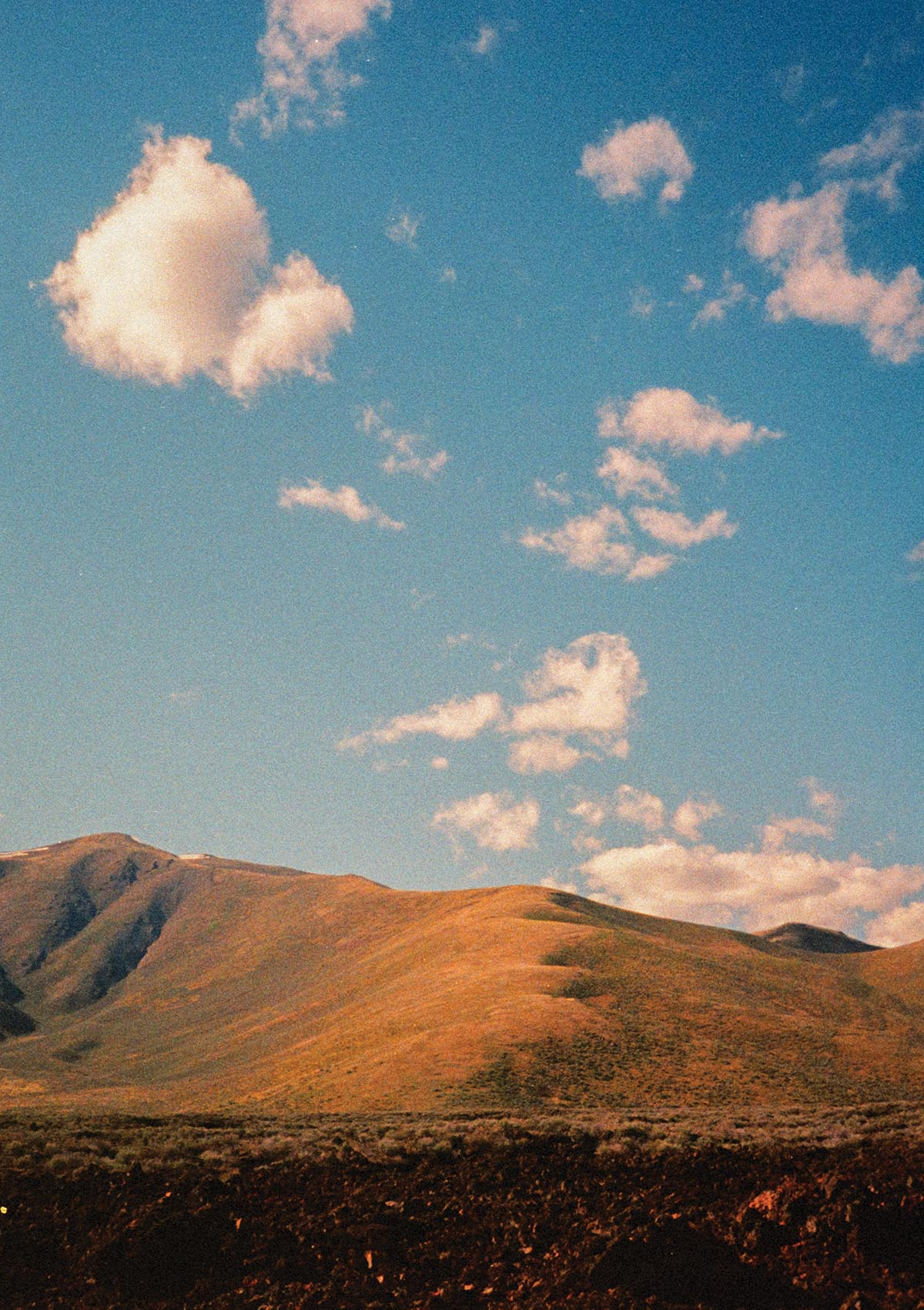
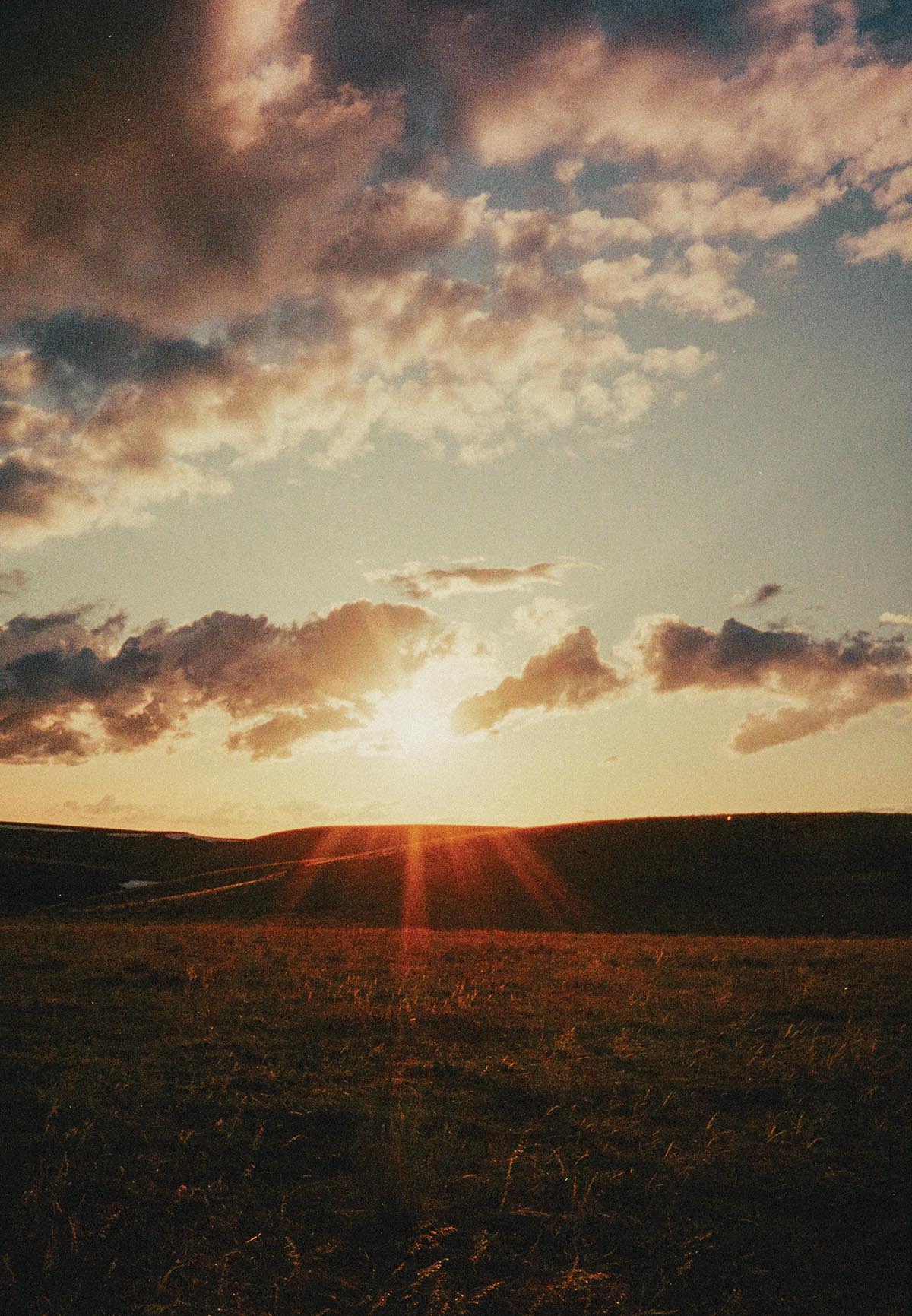
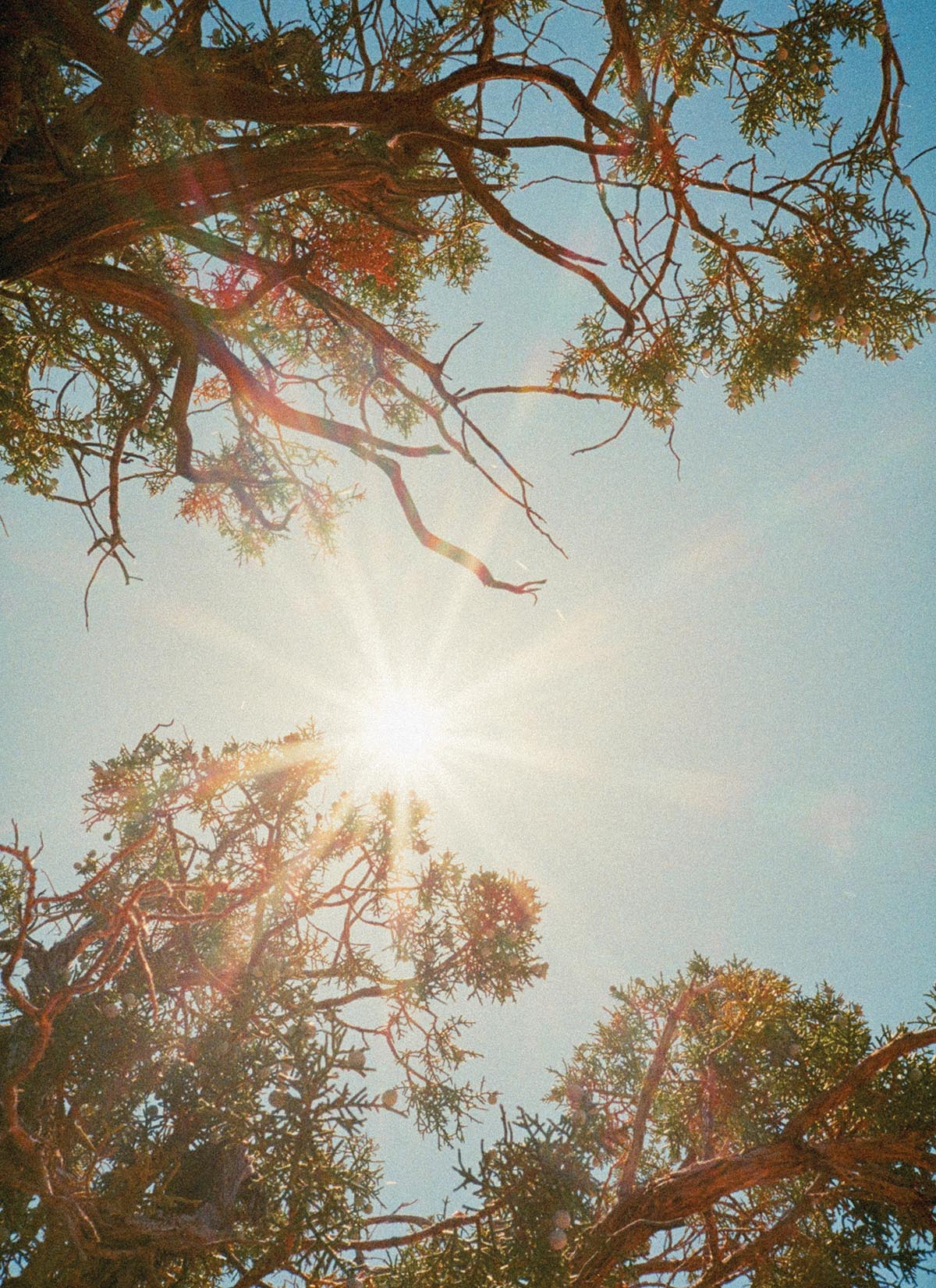
I photographed in a variety of lighting conditions and locations, including the red rocks and deep canyons of Canyonlands National Park, and the results far exceeded my expectations. The detail in the shadows and highlights, the sharpness, and the overall rendering had me saying, “Wait ... this came from that little camera?”
Yes, the images carry the beautiful imperfection of film—grain, character, nuance—but the built-in 25mm f/3.5 lens on the Pentax 17 carries more than its weight. It’s sharp where it needs to be, forgiving where it doesn’t matter, and the exposure metering is extremely reliable.
Posting vs. Printing
If you’re posting to social media, the Pentax 17 is perfect. The vertical half-frame format aligns naturally with Instagram and TikTok. But it’s not just a digital toy. I scanned my negatives at high resolution using an OpticFilm scanner, and even at half-frame size, I was getting files in the ballpark of 6,000x4,000 pixels—roughly 24 megapixels. That’s more than enough to make high-quality prints for framing, gifting, or gallery walls.
Handling
If you like to assign a button on the back of your camera to focus so you can lock focus independently from the shutter button, you’ll find that feature lacking here. This is a simple camera, and you’ll need to rely on pressing the shutter halfway to lock focus.
I found that when I rushed, images were soft or slightly off. But when I slowed down and took a beat before firing, the results were tack sharp. It’s a gentle reminder that film slows you down. In this case, that’s a feature, not a flaw.

Reliving the Moments
One of the biggest takeaways from using the Pentax 17 is how stress-free it is. And I think that’s the point. If you want to capture candid moments and document life in a simple and nostalgic way, this camera feels like the perfect tool.
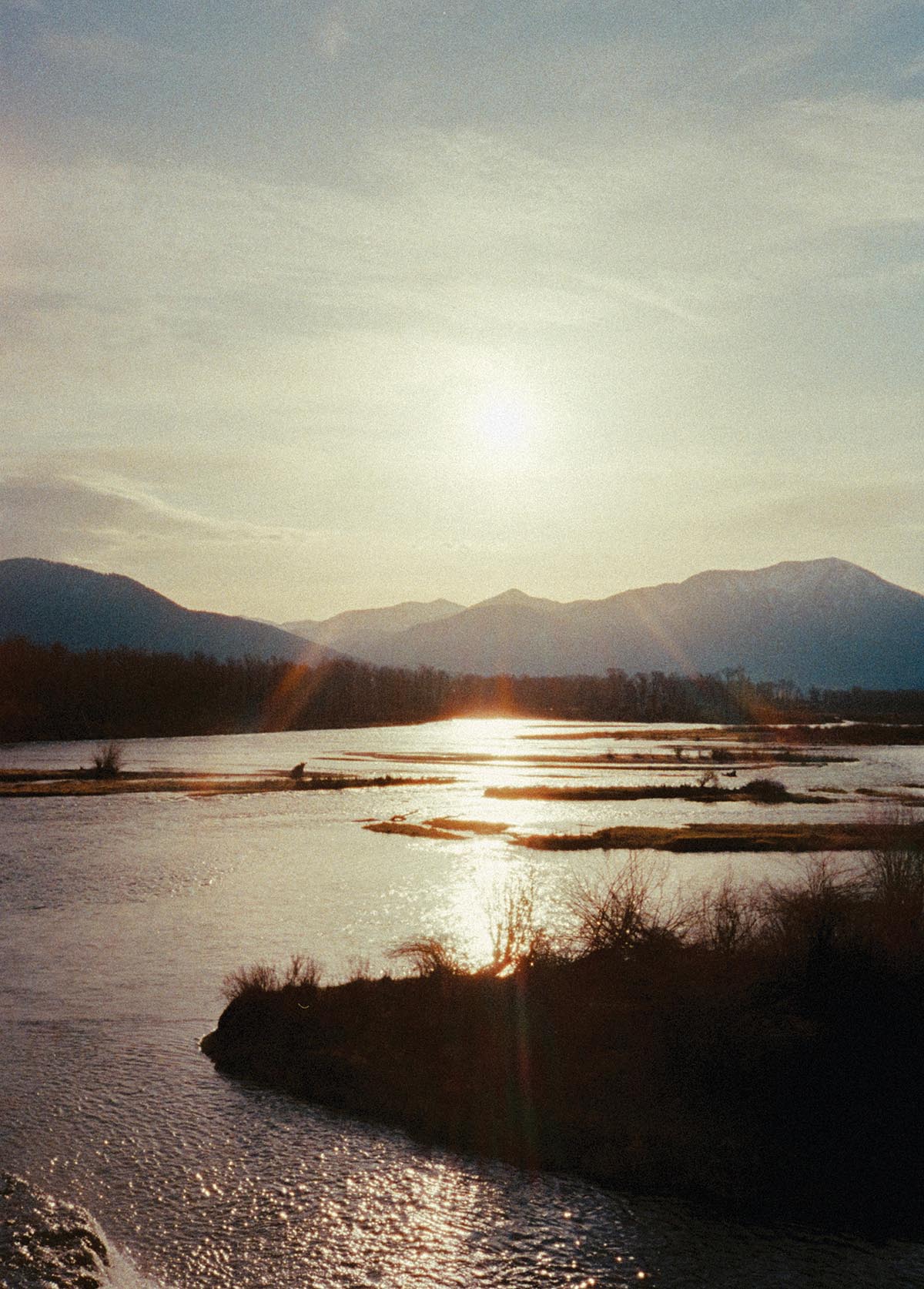
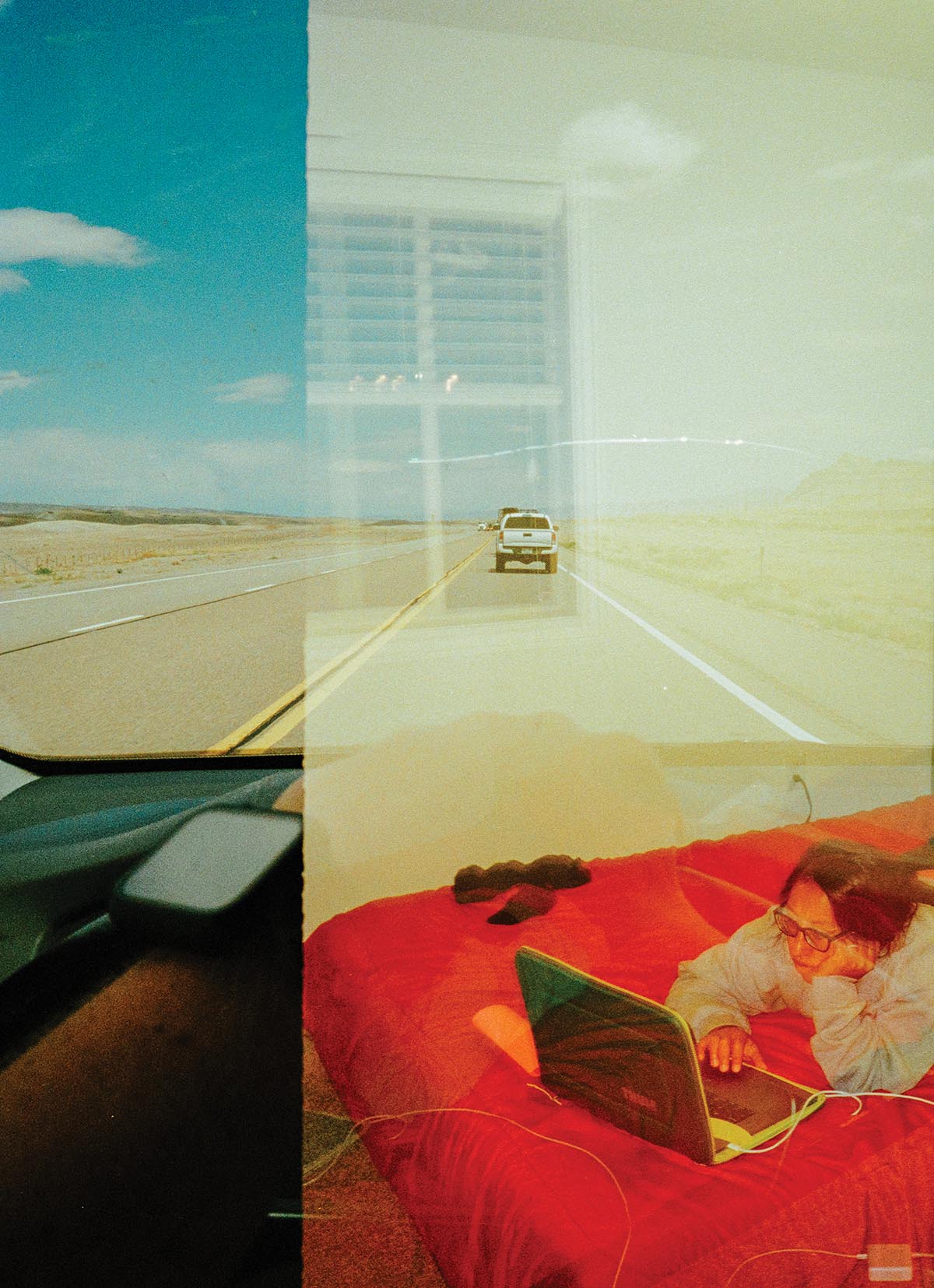
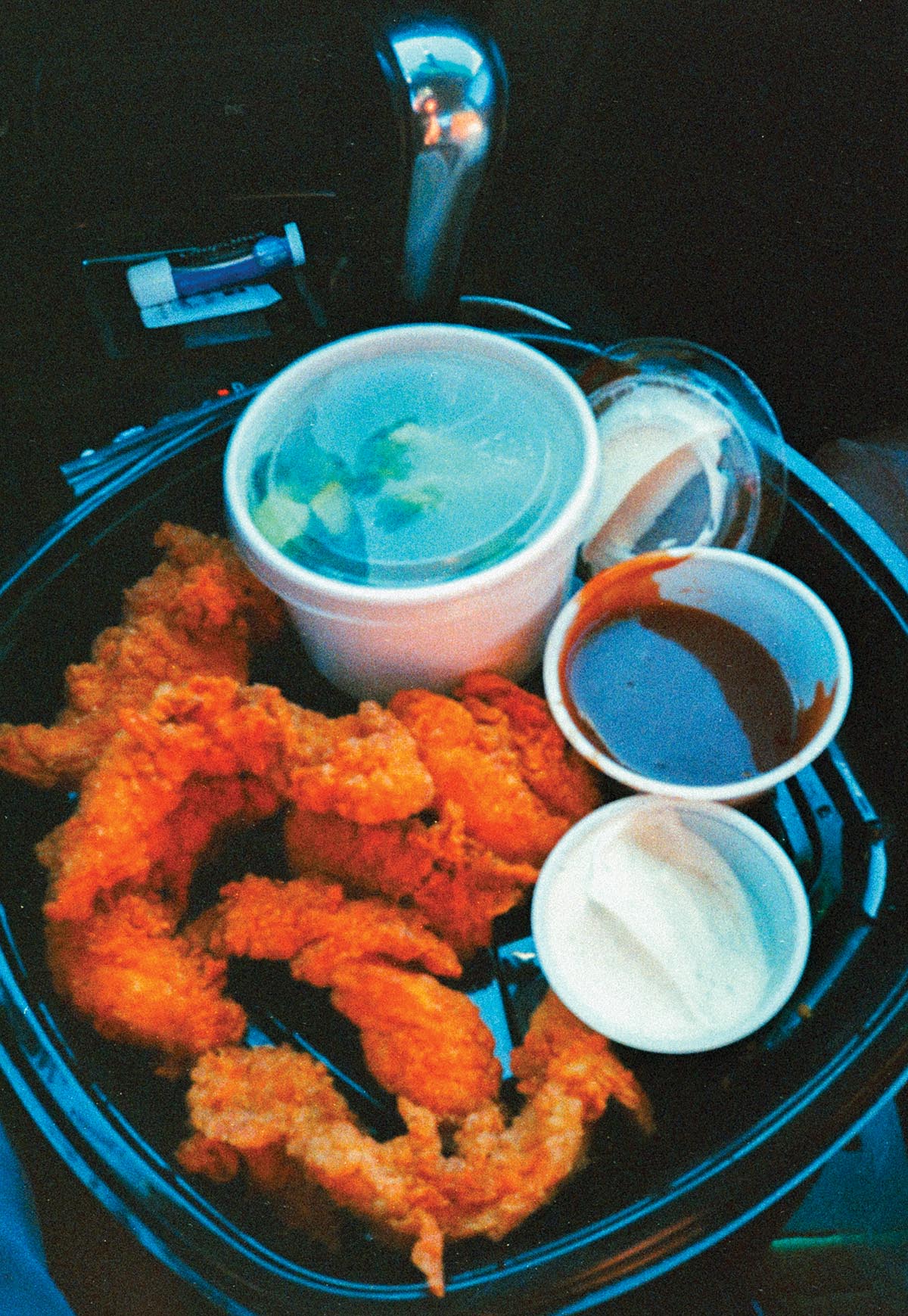
I found myself pulling the camera out randomly throughout the day to capture moments I wouldn’t have photographed otherwise. Quiet glances, light spilling through a window, or vast canyons under a harsh mid-morning sun. What surprised me most was looking at the scans later. I had completely forgotten about some of the photos I’d taken, but there they were: undeniably real, unposed, emotional. It felt like I was reliving those moments.
That’s the magic of film. And it’s the heart of the Pentax 17. This camera reminds you what photography is about: documenting, noticing, capturing the little, beautiful gaps in daily life that often slip by. In a world of cameras loaded with buttons, functions, and firmware updates, the Pentax 17 simplifies the art of photography without watering it down and invites spontaneity.
A Final Word
Faced with an era of AI-generated images, what we crave more than ever is something real, raw, imperfect, and human. The Pentax 17 from Ricoh, priced at $499.95, delivers. It meets a modern desire by turning back the clock, not to escape the present but to reconnect with it.
Tyler Rickenbach is a filmmaker and photographer based in Idaho.
Tags: cameras film photography pentax