
Field Notes
Lessons from seasoned landscape and travel photographer Dennis Hammon
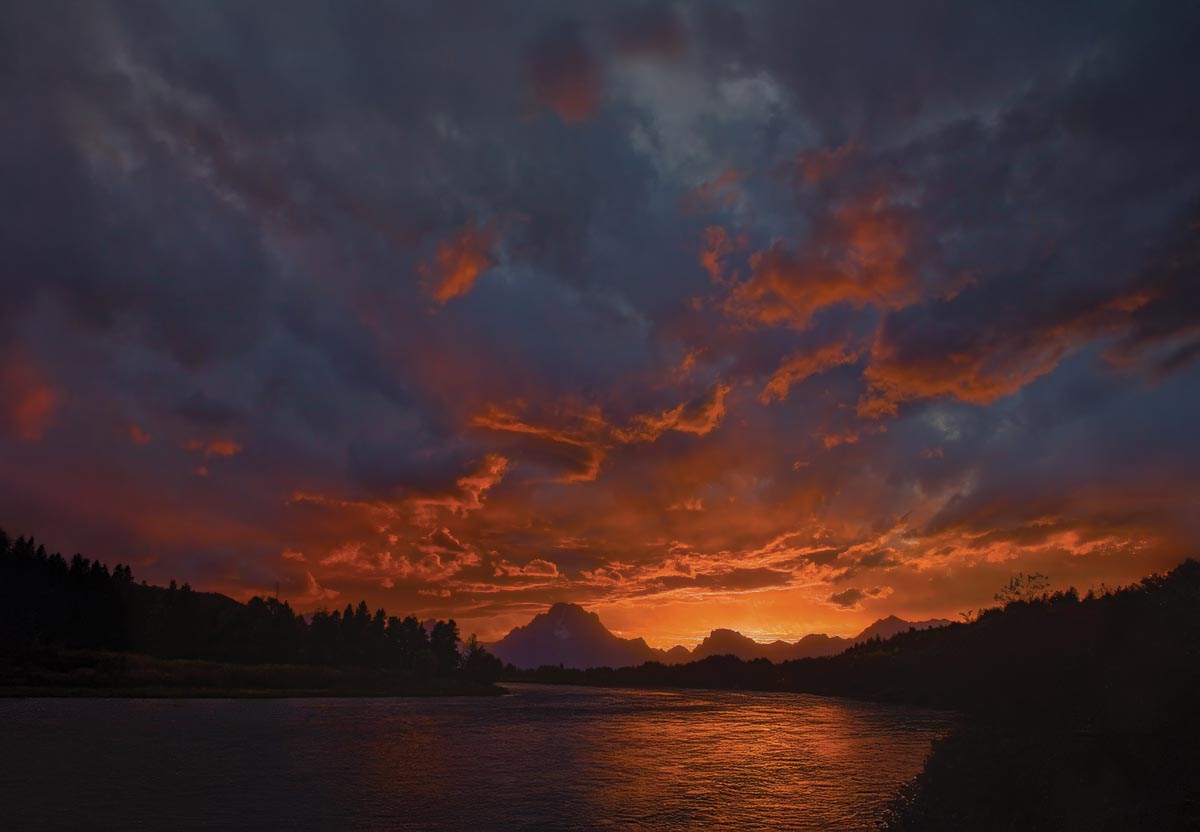
“A couple of years ago I was photographing the Tetons at a place called Oxbow,” says Idaho Falls, Idaho-based fine art travel and landscape photographer Dennis Hammon, M.Photog.Cr., CPP. The weather was cloudy and after a time, Hammon’s companions wanted to call it a day, thinking they would not get the sunset photos they were expecting. But Hammon was adamant they stay. “We’re waiting,” he insisted.
Not long after, the scene transformed. “God turned the switch on,” Hammon recalls. “The sky just went to this brilliant red. I mean it was one of the reddest sunsets I’d ever seen. The light just flared up.” The group got to work capturing photos, and afterward, Hammon said, “See? If we would’ve left, we would have missed this!”
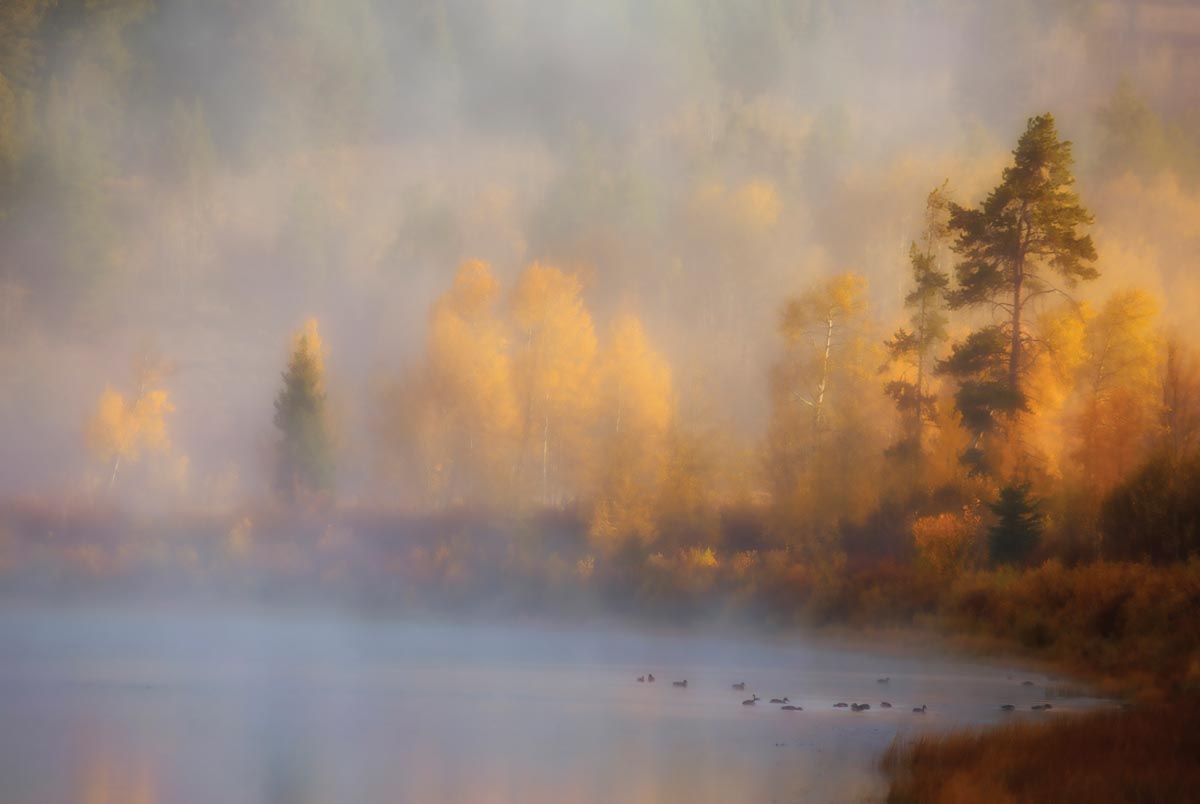
It’s a repeating theme in Hammon’s stories: He’s the last photographer standing in the mist, rain, snow, or fog, holding out for the showstopper image. Having both the patience to stick around and the prescience to know when something great is about to burst forth are two reasons Hammon has been able to create so many gorgeous landscape photographs. “We have all these apps now [to predict the conditions],” he says, like PhotoPills and The Photographer’s Ephemeris, both of which he uses. “But you still gotta learn what’s up in your head and watch the sky and read the weather, what’s going on.” You still have to listen to that inner voice, he notes, that tells you something beautiful is about the break.
 View Gallery
Hard Earned
Hammon has been a photographer for 50 years. He taught photography at a university, has worked in portrait, wedding, boudoir, and commercial photography, and now focuses primarily on fine art nature photography and photography education. For the last 15 years, he and his photographer wife Cheri, whom he met through PPA, have led guided photography trips locally and abroad. They live just 90 miles from both Grand Teton National Park and Yellowstone National Park, places they’re thus deeply familiar with. They also lead winter tours in Yellowstone and take photographers into the park via snow coaches, sometimes in subzero temperatures. They lead trips in Scotland, Italy, and Croatia, where a yacht delivers the group to a different port each day. Hammon recently gathered some of his Yellowstone photographs for a self-published book, “The Art of Yellowstone in Winter,” and plans to do the same with photos from his other journeys.
With so much experience and teaching under his belt, Professional Photographer asked Hammon to share his best lessons for landscape photography:
Slow down. Before you begin photographing a scene, stop to ask yourself, What am I feeling here? says Hammon. What’s the landscape saying to me? “A lot of people are out there looking for that social media image,” says Hammon. “They’re looking for that image they can share. But I think sometimes location is just the geography, but emotion is the authorship of the image.” He recommends taking a moment to take in the awe-inspiring surroundings. “Just stand, enjoy the moment, listen to the sounds,” he advises. Particularly at national parks, people often rush through photography so they can move on to another location. But there is only one sunrise and one sunset a day. “So, you gotta choose your location where you’re going to get that ultimate shot,” and allow yourself time to feel it, he advises.
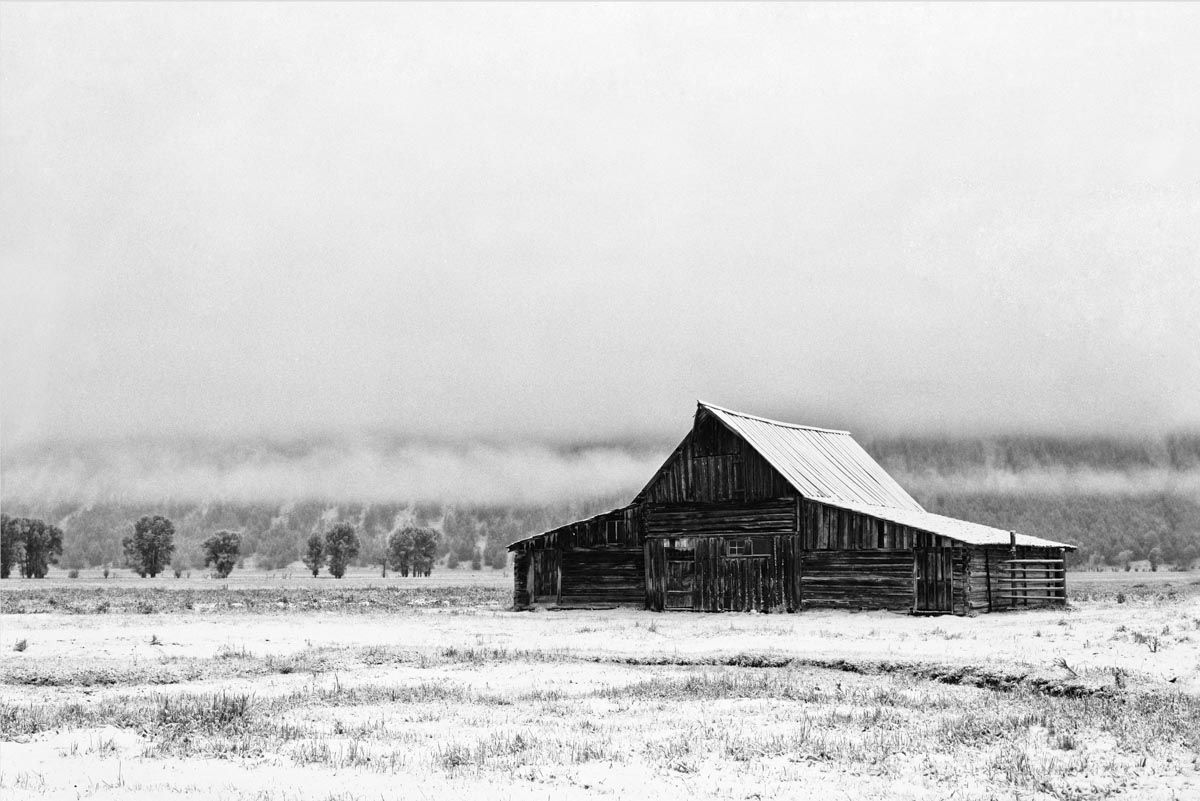
Make the image your own. Particularly in oft-photographed national parks, people tend to fixate on capturing images of the iconic scenes, e.g. the T.A. Molten Barn in Grand Teton National Park. “You can put your camera up and walk away with a wonderful shot,” he admits. However, he explains, “Famous locations don’t make famous photographs. Vision does.” While those iconic sites are worthy, the images will be more meaningful if you work to find angles, compositions, and even weather conditions you’ve never seen photographed there before. “I’ve actually had photographers walk up and try to put their tripods in the same holes that my tripod were in,” he says. “And it’s like, You’re not learning.”
Follow the light. “Light is not decoration,” says Hammon. “It’s the language of the image.” Light is what creates a scene worth photographing. So, no matter where you are photographing, chase the light.
Develop visual literacy. Often people will look at an image and say, “I like it, but I don’t know why,” says Hammon. Visual literacy means knowing the why: recognizing the lines, rhythm, patterns, tones, and emotional impact that make an image appealing. “That’s just something you learn by experience,” he says. Once you understand what pleases your eye, it’s easier to create the compositions you want.
Time it right. On his guided photography trips, “I jokingly tell people we’re leaving at zero dark 30 and we are coming back at way dark 30,” he says. Indeed, depending on the season, the group may leave at 3 a.m. to catch the sunrise at a striking locale. “If you see postcards at a convenience store in the [national] parks, they’re all basically shot between 10 a.m. and 4 p.m. because that’s when people travel, so that’s when everybody sees the scene,” he says. Very few people get out before the sun comes up or stay until the sky goes dark. “And a lot of times, it’s comfort,” he says. “They’re tired, they’re hungry, they want to leave early. You have to make a few sacrifices to be able to produce these art pieces.”
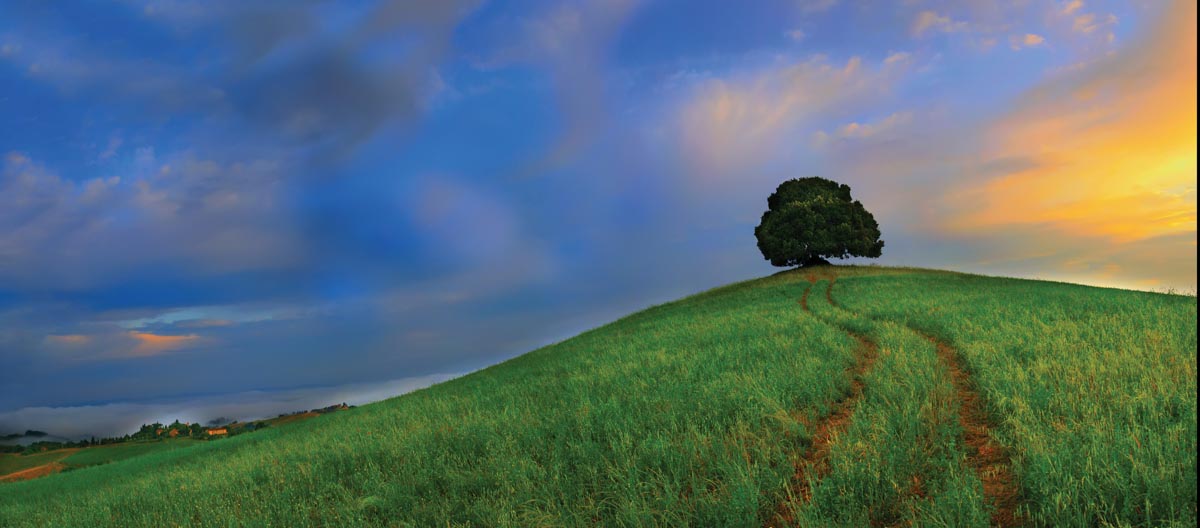
Earn the impact. Overprocessing is a problem, Hammon says. When a photographer hammers the contrast, the saturation, and the color in an image, “they fail to keep the naturalness of the image,” Hammon says. “They are trying to make an impact instead of earning it.”
Don’t compare yourself to other photographers. While it’s great to have references in mind of other photographers’ works, they should serve as a jumping-off point for your unique creations, says Hammon. He may use an image taken by another photographer to consider how he would capture a scene differently. “I look at it for inspiration,” he explains, “and not for desperation and trying to copy.”
One of the most important lessons Hammon has learned in his career is to share knowledge. When he first began his photography journey decades ago, he found that many of the seasoned photographers he admired refused to share their expertise. “They would go, ‘Oh, I can’t tell you. That’s a secret,’” he says. “So, I decided that when I got to be in some place of influence, I would share,” Hammon says, a promise he has kept through his workshops and guided trips. Sometimes photographers ask him, “Aren’t you afraid of telling everyone your secrets?” he says, to which he replies, “I’ll spill my guts out to you.” Only about 2% of the people he teaches actually use the techniques he shares, he surmises. “But at least I give it to them to learn. And hopefully they’ll learn and grow from it.”
Amanda Arnold is a senior editor.
Tags: fine art photography landscape photography nature photography