
Feel the Music
Concert photography know-how
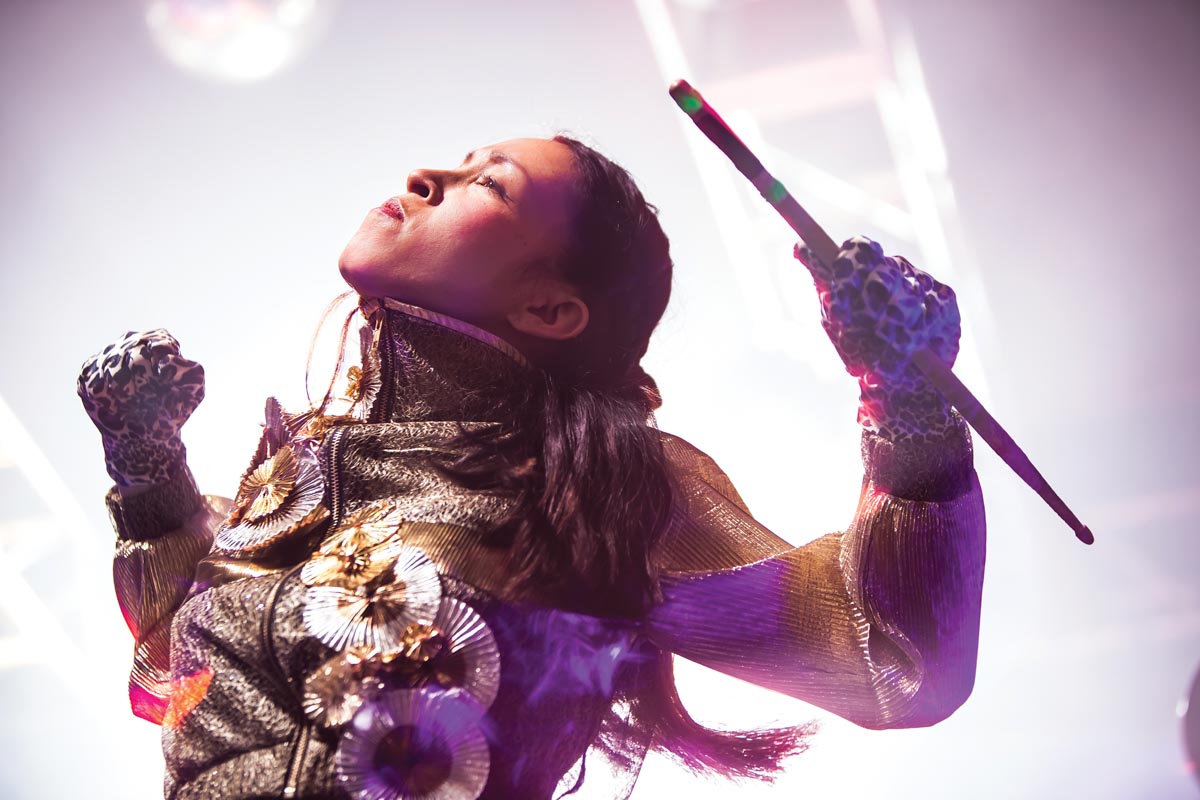
In the electric moment before the first note of a concert, Sandra Döhnert is in her element. She has exactly three songs to capture images that will define the performance for those not in attendance. In her 15 years capturing images of concerts, photographing artists like The Rolling Stones, Ed Sheeran, and Ziggy Marley, Döhnert has learned that success is less about glamour and more about reliably doing the work.
Döhnert’s career as a band manager led her to photography. At first, she took photos to promote her artists, then expanded on her photography skills to create images to draw people to shows. Soon, her portfolio meant she was in demand. Most of her business today is in concert photography for venues, press, and the artists themselves.
BUILD A CONCERT-READY SKILLSET
Döhnert shares what she’s learned in this genre:
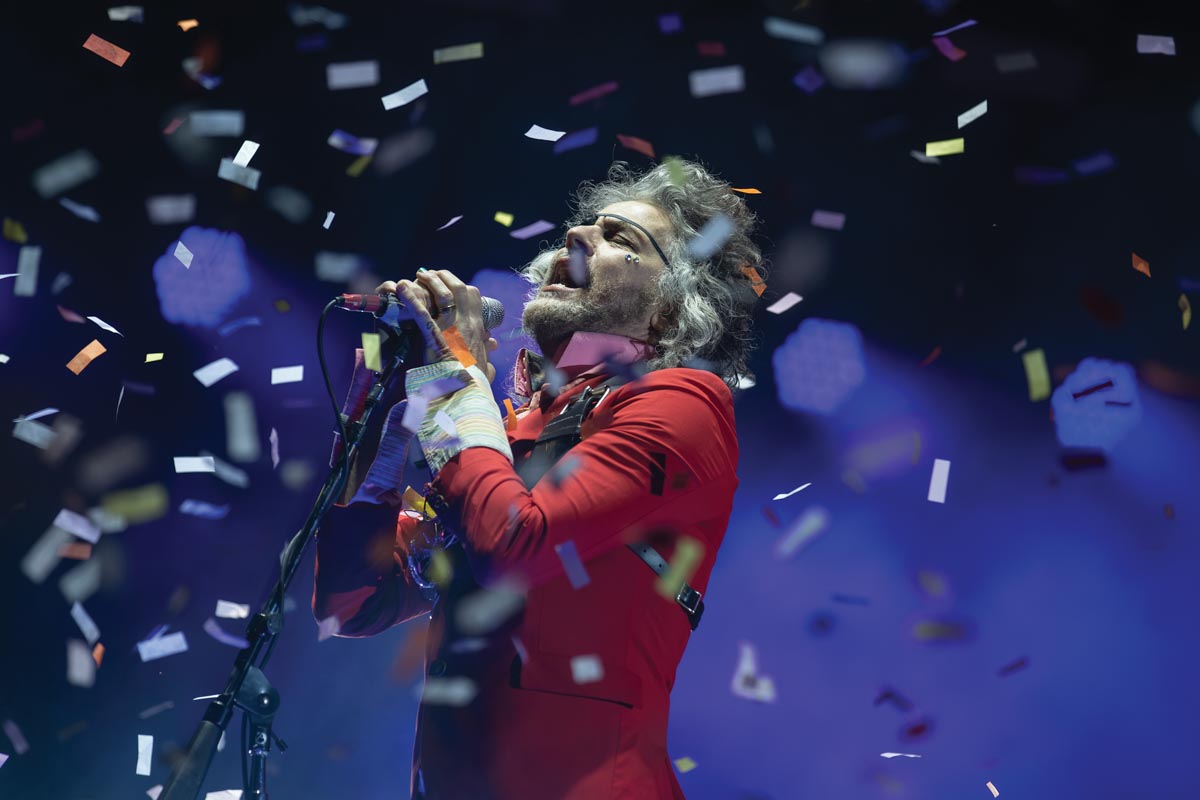
Technical mastery under pressure is essential. Concert photographers work in challenging conditions: low light, fast movement, and stage lighting that constantly changes color. “You need to be very quick with shooting, adjusting, and getting it right,” Döhnert says. And since concert photography is typically restricted to the first three songs, there is limited time to get the perfect capture. That means photographers need to change settings and trouble-shoot in seconds.
Preparation and timing are key. A moment can mean the difference between a good concert photo and a great one. Experienced photographers learn to read performers, anticipating what will happen next. It’s part technical skill and part intuition developed through photographing hundreds of shows, she says. “I get a feel for what they might do at certain points,” Döhnert explains. “If I’m working with a new artist, I look at previous photos and videos of that artist. How fast are they moving? Do they do tricks or are they still most of the time? What kind of lighting do they prefer? That’s when I start formulating what I want to capture and planning the equipment I’m bringing.”
Be adaptable. Every venue and performance presents unique challenges. Stage setups vary, and lighting can range from massive rigs to a single spotlight. You must be able to adjust your approach quickly by changing lenses, repositioning, or completely rethinking your settings.
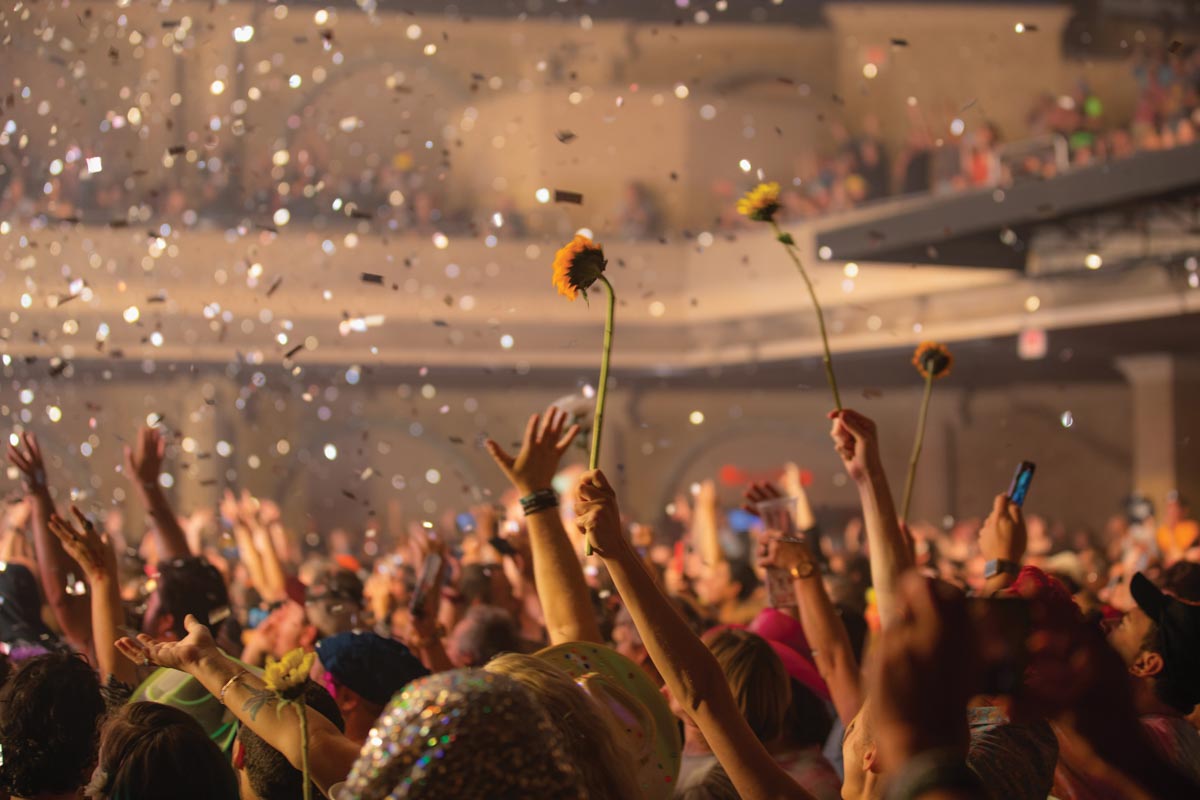
Focus on composition and story-telling. For your work to stand out, it’s not just about getting the artist in focus. It’s about capturing the energy, emotion, and atmosphere that makes live music powerful. “I try to get action shots. I try to get feeling. I try to get movement,” Döhnert says. The best image generates a physical response in your gut, she notes. She aims for a photo that “elicits a memory from that moment or makes you connect with the moment.”
Learn the etiquette. Success in the field means working well with others and learning the unwritten rules of working in the pit. It’s common for new photographers, swept up in the excitement of making great images, to park themselves in a prime spot, blocking the view of many others. “Let’s say you got a good position; give someone else the courtesy of taking that spot at some point,” she advises. “You need to move around, be conscious of the people around you, and be aware of the public standing behind you as well. They pay good money to be right up front, and you might be in front of them.”
Vary your approach. Moving around not only helps build relationships with others in the industry, it also results in better images. “Front and center is not always the best angle.” By being mobile, you might find that a less obvious spot provides a better view. Also, to tell the full story, you need to get a variety of perspectives. Some will be closeups, some wide shots of the stage or the environment.
Work deliberately yet quickly. Döhnert often returns from a concert with 1,000-2,000 photos and must deliver final images the next day, if not immediately. “With portraiture, there is a lot more editing and more time,” she says, “whereas when you photograph an event or a concert, you’re getting home at 11:30 p.m., and then you’re downloading, doing a quick cull, and then batch edit, crop, and they’re out into the world.” She has developed a signature, distinctive look by batch editing with specific settings. “I like to manipulate my tone curve to achieve a finish that, with consistency, has become characteristic in my edits,” she explains, adding that she advises photographers to find the edit process that works for them. When she uses her signature settings for edits, Döhnert says, “people can sometimes recognize my photos just from how they look.”
FIND SUCCESS IN A CROWDED FIELD
Concert photography is a natural fit for professionals who already work in street photography, and/or take photos for nightclubs or stage performances, according to Döhnert. If you are asked to photograph a band, she advises that you set a fee and be willing to negotiate. “Remember, you’re investing your time, equipment, and resources to provide them with professional photos,” she says, “and if the experience also helps you sharpen your skills, that’s an added bonus.” Döhnert offers additional tips.
Take initiative. Döhnert suggests approaching local venues, artists, and newspapers or magazines that cover concerts, asking if they need photos. “There is a theater near where I live, and I just came in and asked, ‘Do you have a house photographer?’ They had several people coming in, but nothing regular,” she explains. “I became their house photographer, and now I’ve been shooting there for seven years.” By taking multiple approaches to getting work, you build not only your skills and portfolio but your network in the music community. “The more people see you out there, the more they will remember you when they need photographers. Talk to people and tell them you’re available.”
Get your name out there. Make it easy for media and artists to credit you. “Every time I turn in photos, I also turn in a document that says how to credit me, including my name and social accounts.” But, Döhnert adds, “people might forget to provide credit, so it’s important to make sure your file names include your name, and also include copyright information in the metadata.”
Respect requests. While growing a reputation in concert photography, it’s important to work well with the artists, and that might mean sharing some of the decision making. Cultivating a public image is a big part of the industry, she explains, which means “some artists want to see the photos before anything is published so they can pick the images that go out. So be respectful of their choices.”
Prove your trustworthiness. Being backstage at a concert is a privilege, particularly if you are photographing someone well-known even just to a local community. Respect the privacy of the artist and their entourage, give them space, and assume confidentiality, Döhnert says. You may be a fan yourself, but you are there as a professional, she adds, which means do not share media passes with friends or on social media, and refrain from asking for autographs.
Above all, appreciate your position and enjoy the experience. “Don’t be shy about introducing yourself to other photographers during downtime, asking which publication they work for, or requesting tips based on their experience if they’ve photographed the artist before,” Döhnert advises. “You might make a new friend, and it can help you feel more comfortable in a new environment.”
Even after 15 years of photographing musical artists, Döhnert still gets a thrill being part of the concert experience. “When an artist is hamming it up for the camera and just staring right at me,” she says, “it’s like a private concert, even just for a few seconds.”
Janet Howard is a photographer, author, and business coach based in Atlanta.
Tags: event photography