
Dynamic Captures: Leica SL3 Review
Taking the Leica SL3 over the Tetons to test its mettle
• October 2024 Issue

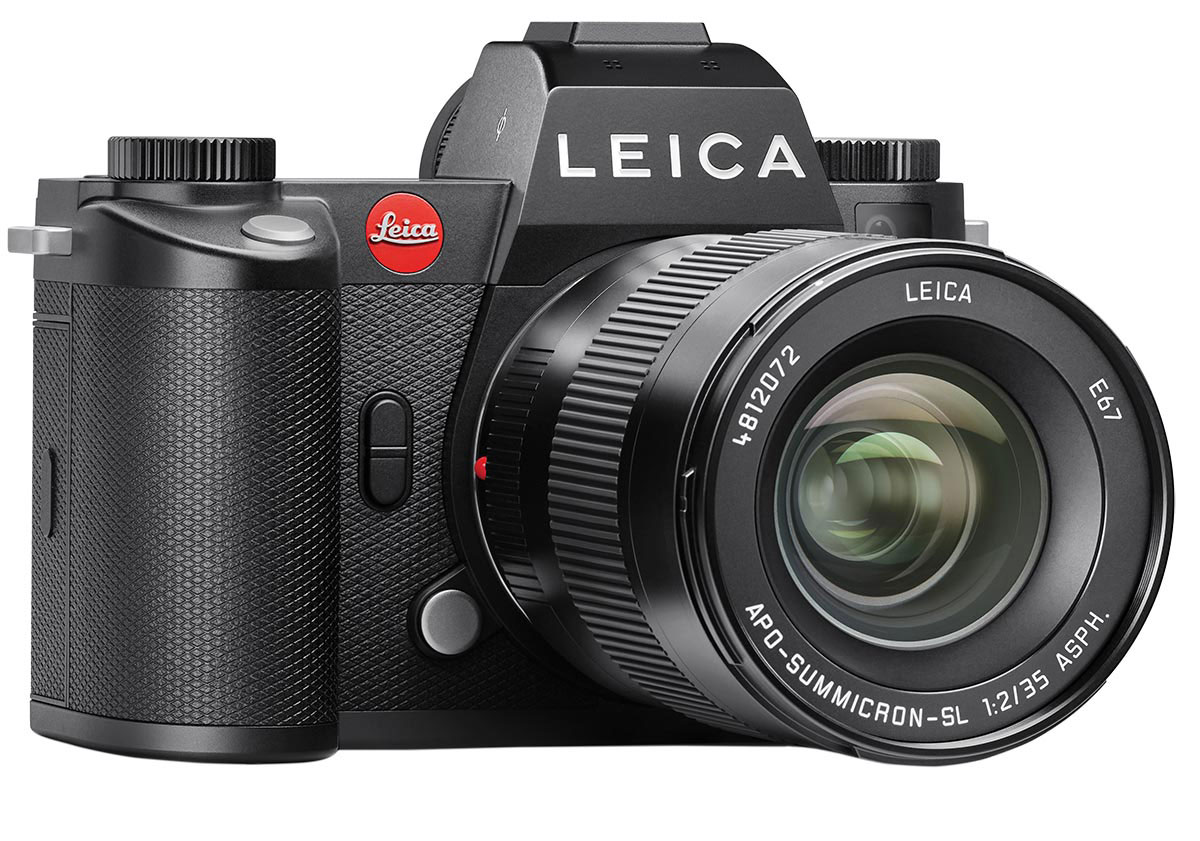
Leica’s motto is the German phrase, “Das Wesentliche,” which translates to “The Essentials.” Considering the $6,995 price tag, what sort of essentials can a buyer expect to get with the Leica SL3? It’s an upgrade to its predecessor, the SL2, incorporating improvements that enhance its photography and videography abilities. The autofocus system combines phase detection (PDAF), depth mapping (Object Detection AF), and contrast recognition (Contrast Detection AF) to capture sharp images even in dim light. The dynamic range has been expanded to 15 f-stops, and the ISO range extends from 50 to 100,000.
One of the more notable changes is the introduction of a 60-megapixel CMOS BSI full-frame sensor, offering higher resolution compared to the SL2’s 47-megapixel sensor. In addition to the new BP-SCL6 battery included, Leica now offers a DC coupler to insert into the battery slot that provides continuous power to the camera via USB-C.

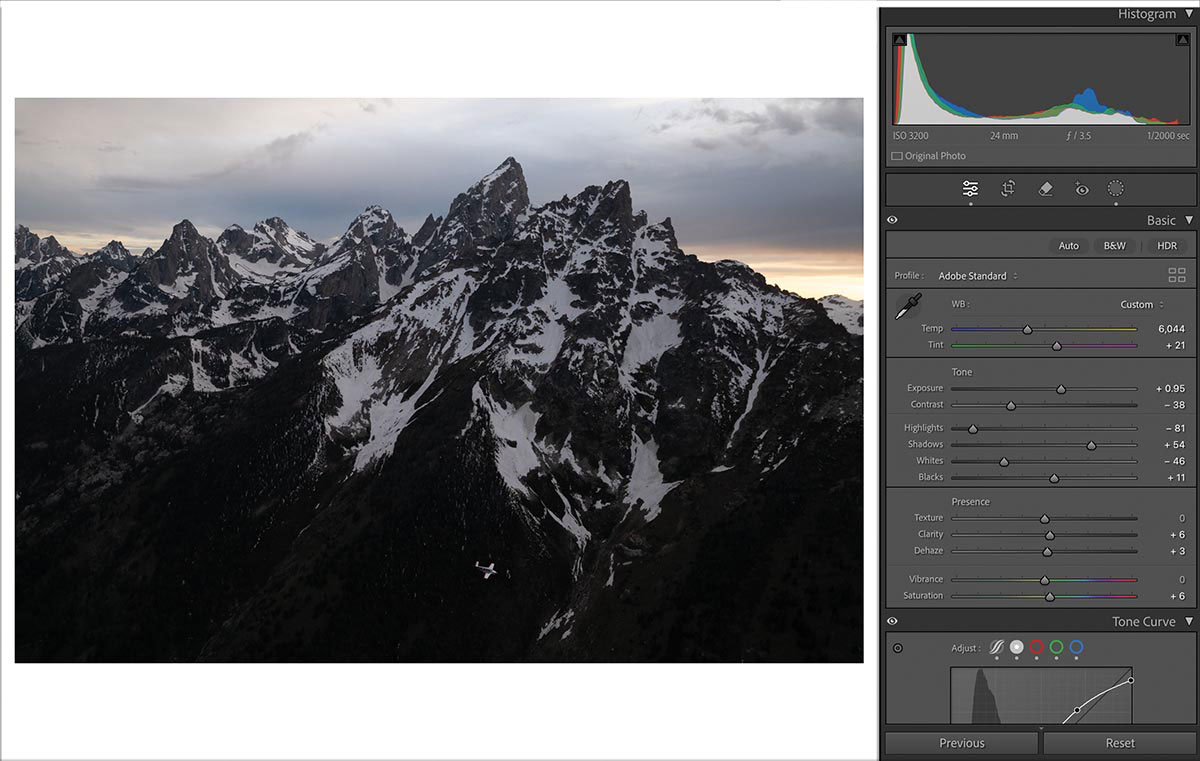
This image, taken with the Vario-Elmarit-SL lens at 24mm, shows the scale of Jackson Lake compared to the plane flying over the lake.
Besides the updated internal specs and a simplified menu system, the overall feel and camera design are notable. With customizable function buttons, improved ergonomics, and IP54 certification (weather sealing), the Leica SL3 has made it easier for creatives to work in any condition.
The updated processor delivers a wider range of video recording capabilities to include 8K video recording (8,192x4,320) at 23.98/24/25/29.97 frames per second, which is now supported by a CFExpress Type B card slot, as opposed to the SL2’s dual SD/SDHC/SDXC (UHS II) slots.
TESTING
I took the SL3 and Vario-Elmarit-SL 24-70mm f/2.8 ASPH lens 13,000 feet into the air to photograph the Grand Tetons from a Cessna in some difficult lighting conditions. I was ready to find out how it performed in cold weather, test autofocus speed and accuracy, and learn what the buffering speed was like with 60.3-megapixel captures. I also wanted to show the scale of how small we are compared to the magnitude of the mountains, so we chartered a second plane to use as a subject.

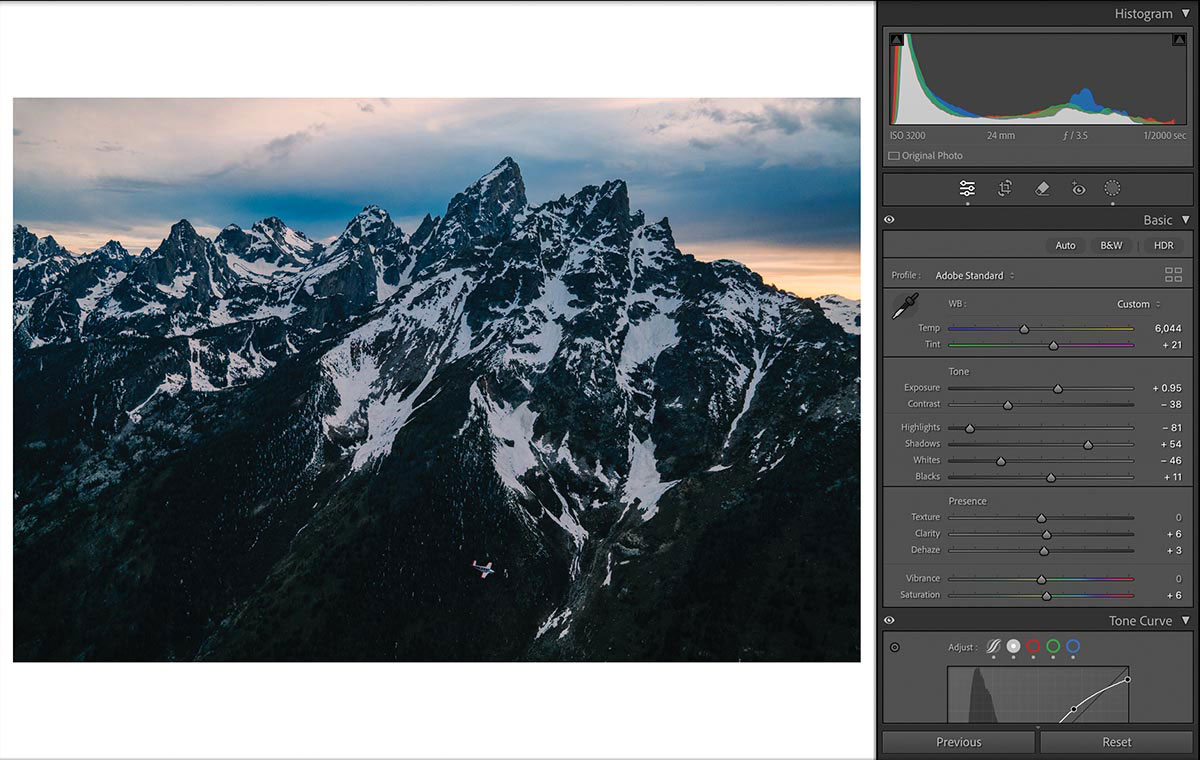
The Teton Range stands against a rich, dark sky as the final light of the day settles in. Exposed for 1/2,000 second at f/4, ISO 3200. Looking out over the Tetons, the sun had set, and I was grateful for the simplified menu as the light faded fast.
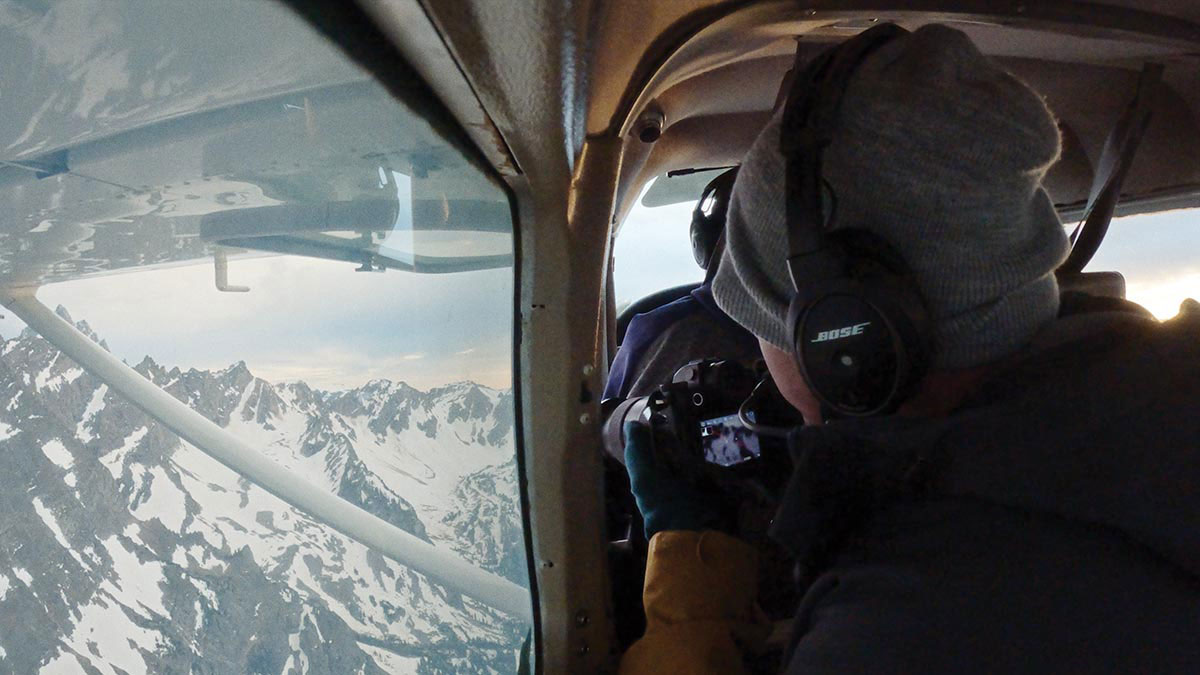
This still grabbed from a GoPro shows the altitude and cold-temperature environment I tested the Leica SL3 in.
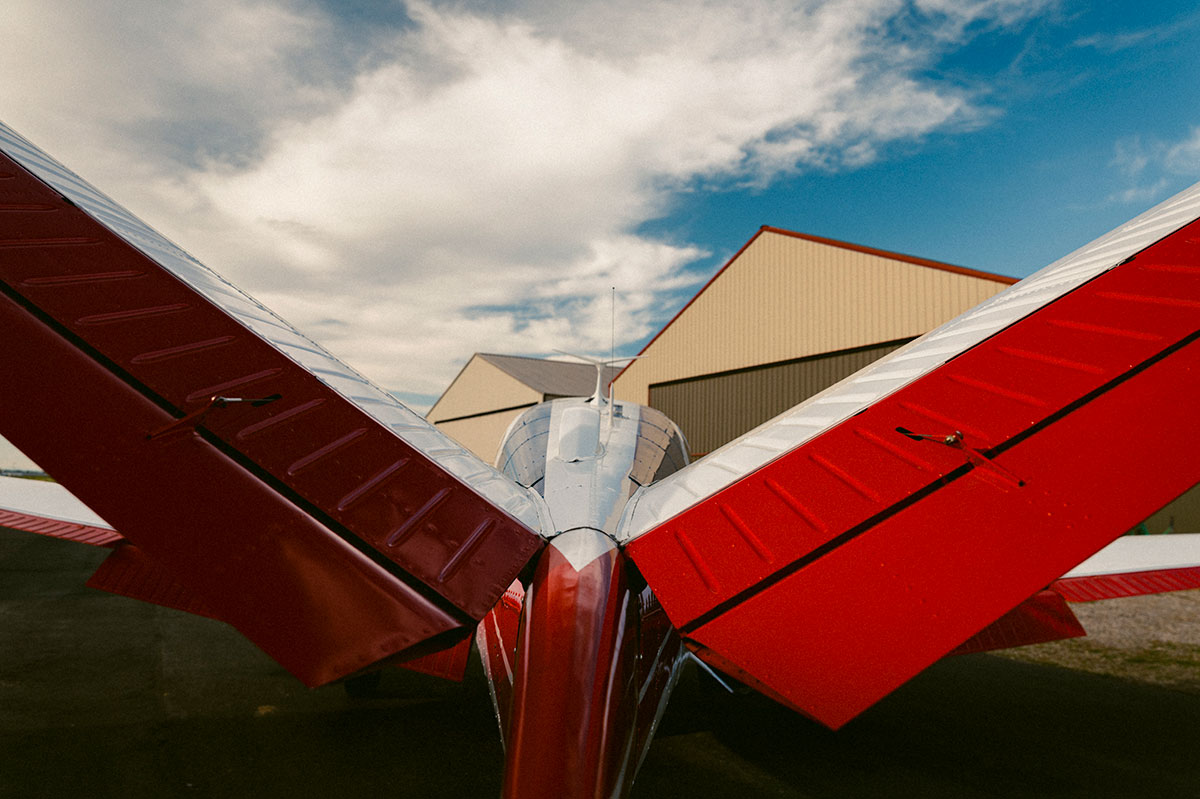 View Gallery
The video above was color graded in DaVinci Resolve using a plug-in called Dehancer Pro, which is a film simulator. Each film stock (Portra 400, Kodak Gold 200, etc.) interprets colors differently, so the video differs in color compared to the stills.
AUTOFOCUS AND BUFFER
There was a time when our subject plane was behind us as we flew over Jackson Lake. I wanted to get a compressed shot of the plane coming toward us, so I set my Canon EOS-1D X Mark III with a 100mm f/2.8 L IS macro lens on Live View and watched as it found the plane and began to track it while taking 20fps with an electronic shutter.
The Canon’s responsiveness, without having to hunt for focus, is unrivaled. However, the image quality is not at the same level as the Leica SL3. My heart sank during post-production as I watched the Canon’s image quality deteriorate. The colors and ability to retain data do not compare to the Leica SL3.
Granted, the two cameras are significantly different, especially with Canon’s 20-megapixel sensor versus the SL3’s with 60 megapixels, so it’s not an apples-to-apples comparison. But if you look at it from a color and dynamic range perspective, there is no contest.
The Leica SL3 isn’t a sports camera, but I believe it could be in future iterations. For a 60-megapixel camera that can shoot at 15fps, the Leica SL3 didn’t disappoint. There were times, though, when I wish I had waited before taking an image because the buffer fills up quickly, even with a CFExpress Type B card. While the EOS-1D X Mark III has a limitless buffer, the Leica SL3 requires more patience and timing. It became more of an immersive experience because I had to rely on my own instincts instead of my camera.
USER EXPERIENCE
Leica gives users a minimalist design and fewer buttons on the back. The simplified menu includes the eight most-used features of the camera on the home screen, which allowed me to make quick decisions when the light was fading fast.
A camera is a tool of the trade, and the user’s experience behind the lens plays heavily in the creative process. The Leica SL3 made me feel like I was creating something new and special with every frame. When the absolute best is required, I would choose the Leica SL3. I would rather have a few blurry captures and patiently wait for a shot than have nailed the focus every time and later be disappointed because the image doesn’t hold up in post. The autofocus is sluggish and, at times, unresponsive and doesn’t compare to competitors like Sony, Nikon, and Canon, but what this camera does do, it does extremely well. The Leica SL3 is a camera for those who want the best image possible where every detail matters.
Tyler Rickenbach is a filmmaker and photographer based in Idaho.