
Dreaming Big
David Buckwalter is always up for a challenge
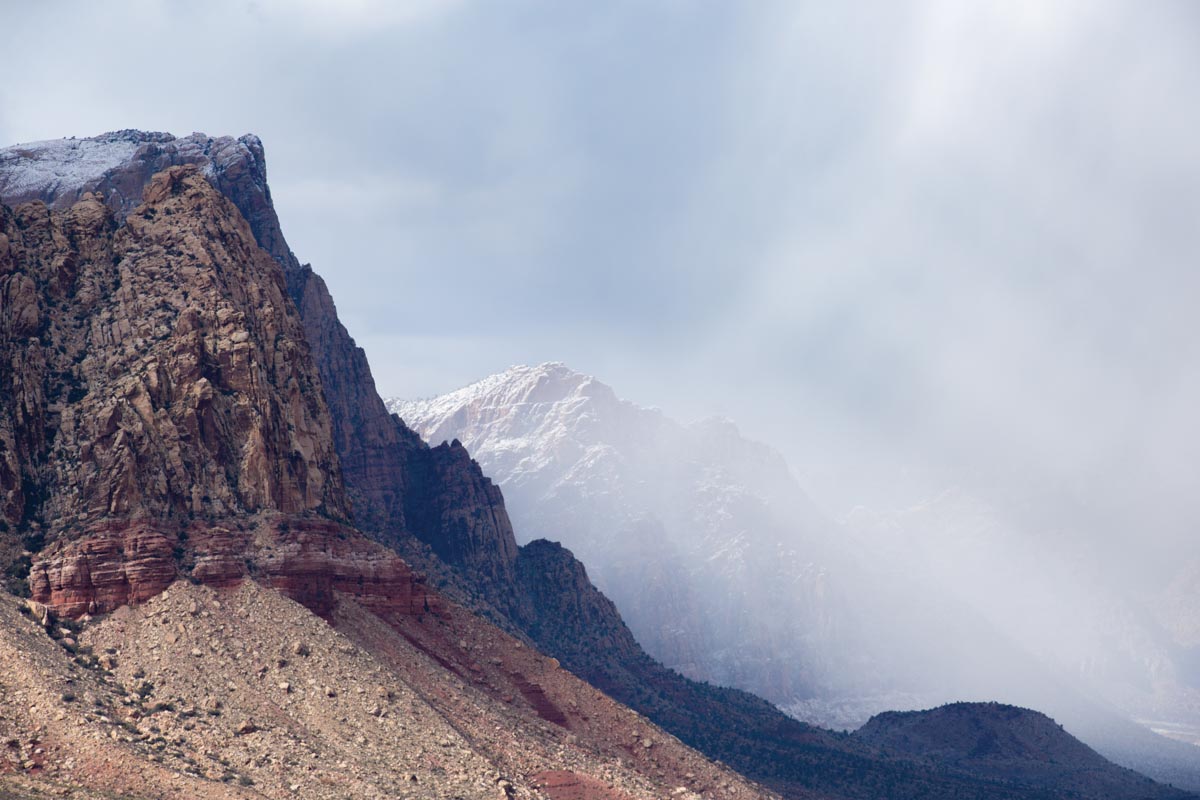
“It’s all Imaging USA’s fault,” jokes Central Virginia-based David “Buck” Buckwalter, who specializes in photographic wall art for commercial and residential settings. “I initially joined PPA for the insurance, and then after reading the magazine for a couple years I thought, Well, I’ll go to this Imaging convention and see what it’s all about.”
He first attended Imaging USA in Atlanta in 2019, where he was wowed by ChromaLuxe’s metal prints on the expo floor. After learning that Bay Photo did printing for ChromaLuxe, he wandered over to Bay Photo’s booth and was smitten. Metal became his printed medium of choice. “Now all my paper prints are sitting in a pile marked ‘clearance’ at art shows,” he says, while he offers his images on dye-infused metal in different sizes and a version overlain with acrylic.
 View Gallery
Behind the Camera
While Buckwalter has over 20 years of photography experience, primarily in landscape, wildlife, and figure studies, his full-time job and steady income is as a power plant engineer.
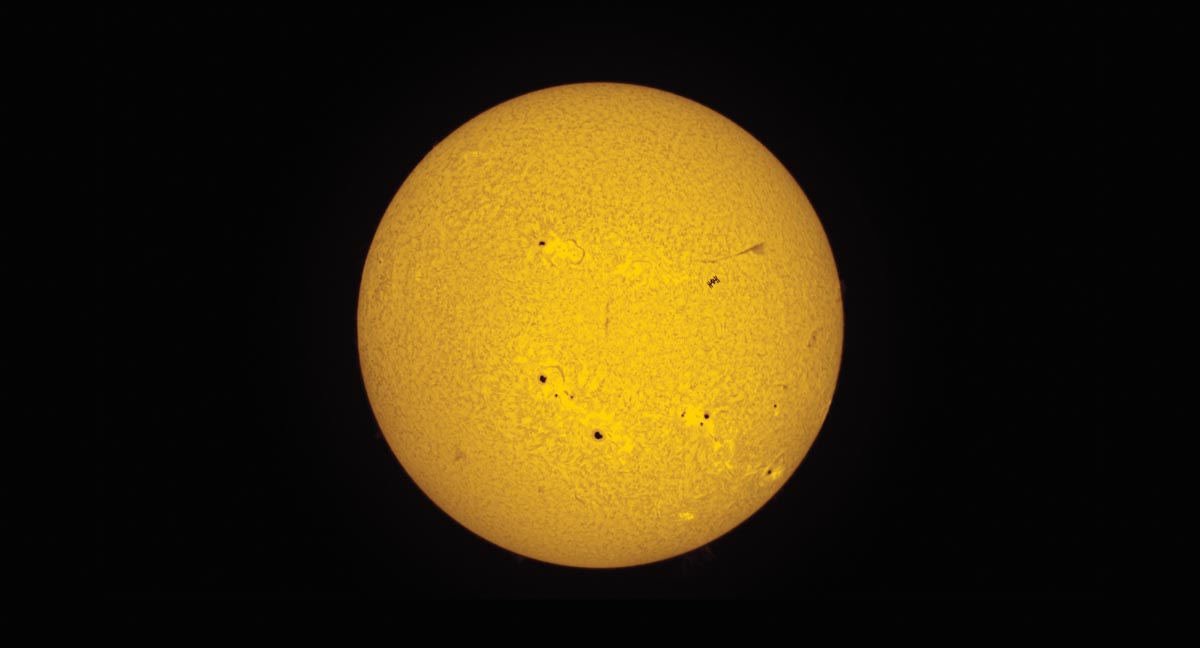
As for photography, “The hook was set very early on,” Buckwalter says. In 1984, his dad was working for a company that made parts for the space shuttle. Before each launch, it held a lottery for access to the press area at Cape Canaveral. When his father won a spot, 3-year-old Buckwalter went along, peering through his dad’s telephoto lens to see the shuttle up close. “When we got the pictures back, I was able to mentally connect that those pictures came from his Pentax camera and how he pushed the button and worked the lever,” he recalls. For Christmas, Buckwalter was gifted his first camera, a Minolta point-and-shoot.
Photography remained a hobby through high school. College didn’t take, so when he withdrew, he became a substitute teacher at his former high school. When the photography teacher needed time off, she asked if Buckwalter would like to run the photo lab. The gig included free film and developing. He jumped at the opportunity. “Ending up as a long-term substitute for photography got me thinking more seriously about the medium,” he recalls.
A year and a half later, Buckwalter joined the Navy’s nuclear program. Before leaving for his initial deployment, he upgraded from his Pentax film camera to his first DSLR, a Nikon digital bought at the base exchange. He has been working with Nikon digital ever since. “Traveling out to sea on a submarine,” he explains, “memory cards take up less space than film canisters.”
Buckwalter was in upstate New York teaching nuclear operations when tragedy struck: his fiancée died, which drove him into depression. He ended up leaving the military and got a job with a nuclear power station near his home in Virginia, where he still works. Part of the job was traveling to other company-owned plants, which Buckwalter relished. The trips meant “traveling to Connecticut, traveling down to coastal Virginia, taking my camera with me and going out to photograph birds or whatever I could find on my off time.” What started as work photography trips, he says, “turned into, Hey, I’m getting pretty good at photography, with friends and family saying, ‘You should sell these pictures.’”
Civilian life also gave Buckwalter more time behind his camera. He credits PPA, Professional Photographer magazine, and Imaging USA with helping advance his career.
Attention Getters
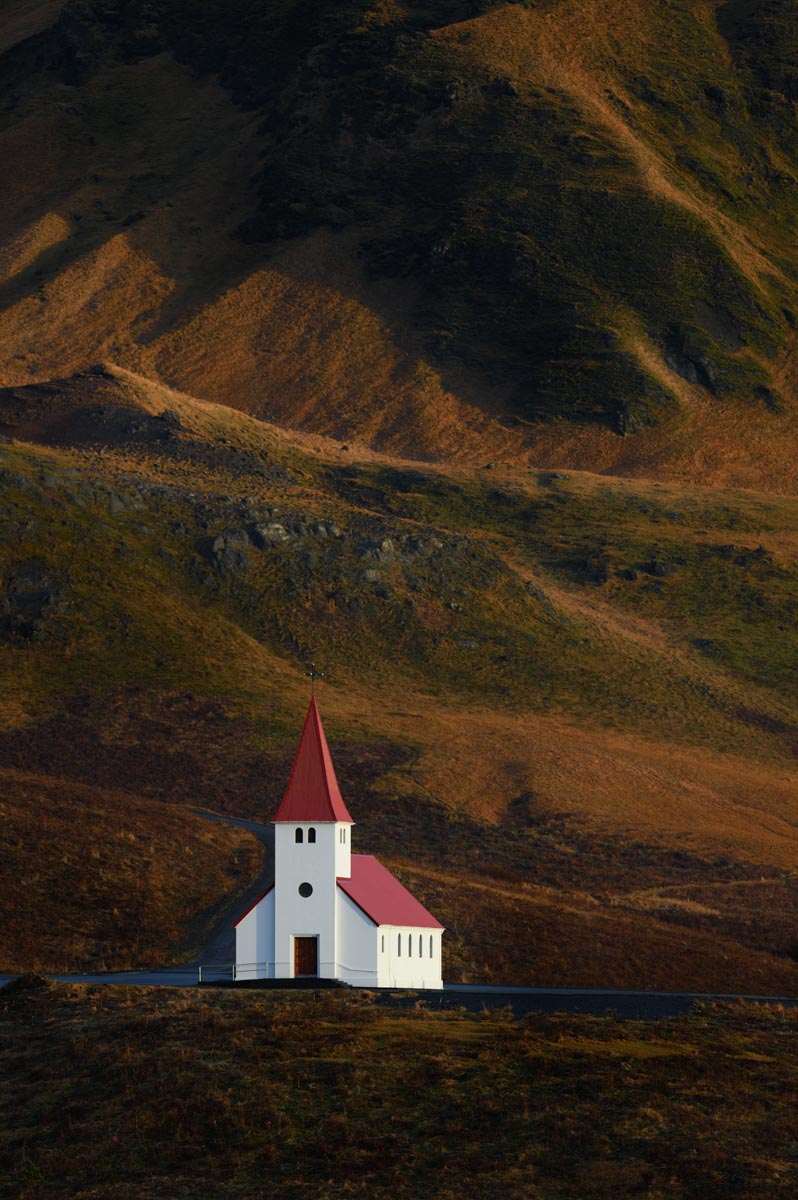
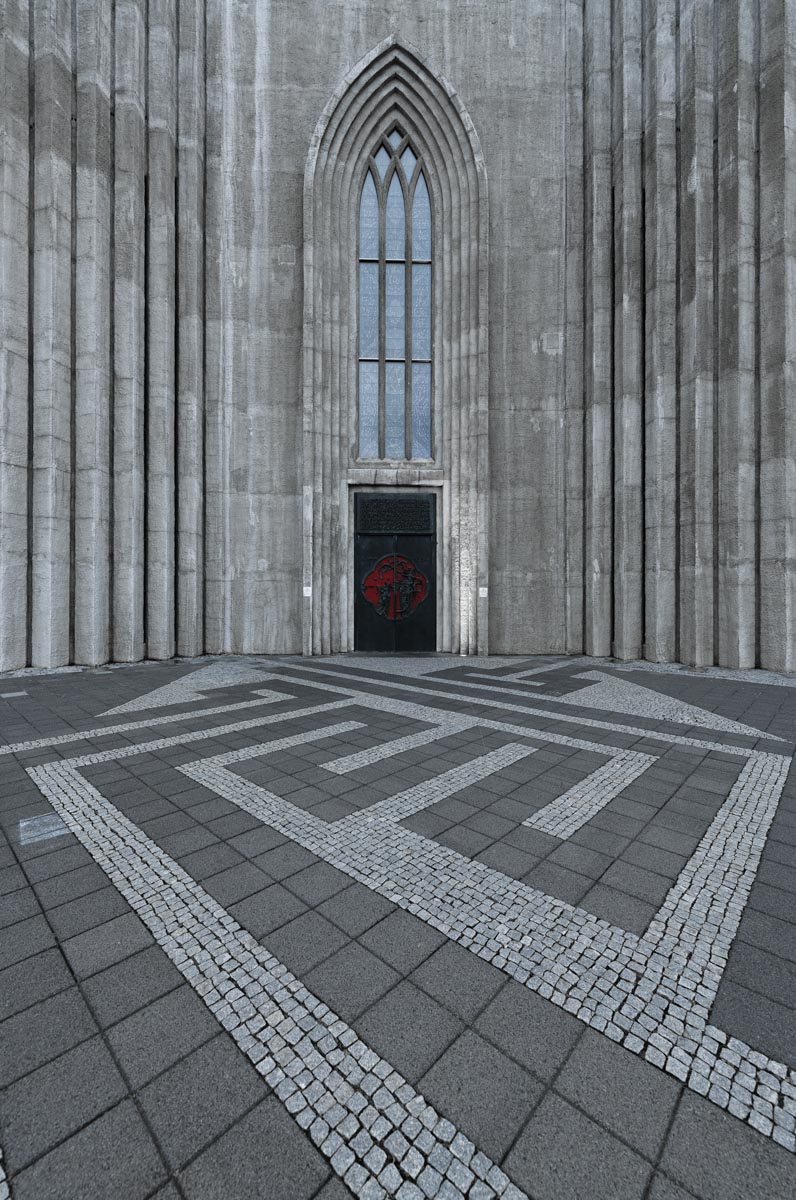
These days Buckwalter captures his landscape images all over the world. How does he convey the essence of majestic places in a 2-D medium? First, he assesses the overall “grand scene” to determine what draws his attention. Then he considers how to frame the image. “Then I look at it from a technical standpoint. If I’m working around water, sometimes neutral density, sometimes graduated density, or just stopping down to a low ISO works,” he explains. For example, when he photographed Krka National Park in Croatia, he determined that many of the best angles to photograph came from floating wooden walkways. “So, I had to restrict my exposures to no more than about one second or else somebody walking 30 feet away would cause vibrations into my tripod,” he says. “But in this case, one second was more than enough to catch the motion of the water.”
Buckwalter enjoys photographing in many genres, but says his nature scenes, wildlife, abstracts, and fine art nudes sell best. His first art show was Arts in the Park in Richmond, Virginia, a large show where he didn’t make a single sale, he recalls. “But looking at other people’s booths, not just other photographers,” he says, “gave me a lot to think about.” He shifted to smaller shows where he wouldn’t be competing with so many established artists, such as the Heart of Virginia show in Farmville, Virginia, where his parents live. “Worst case, I’m out the $45 booth fee,” he says he told himself. He sold a lot there, he says, especially his images of eagles and deer, which are popular in the rural Virginia market. “That set the tone for me for art shows,” he says. “Now I do about six to eight a year.” Buckwalter’s pieces range from 12x18 inches to what he calls “attention-getters” in 24x36-inch, 30x45-inch, and 24x48-inch sizes.
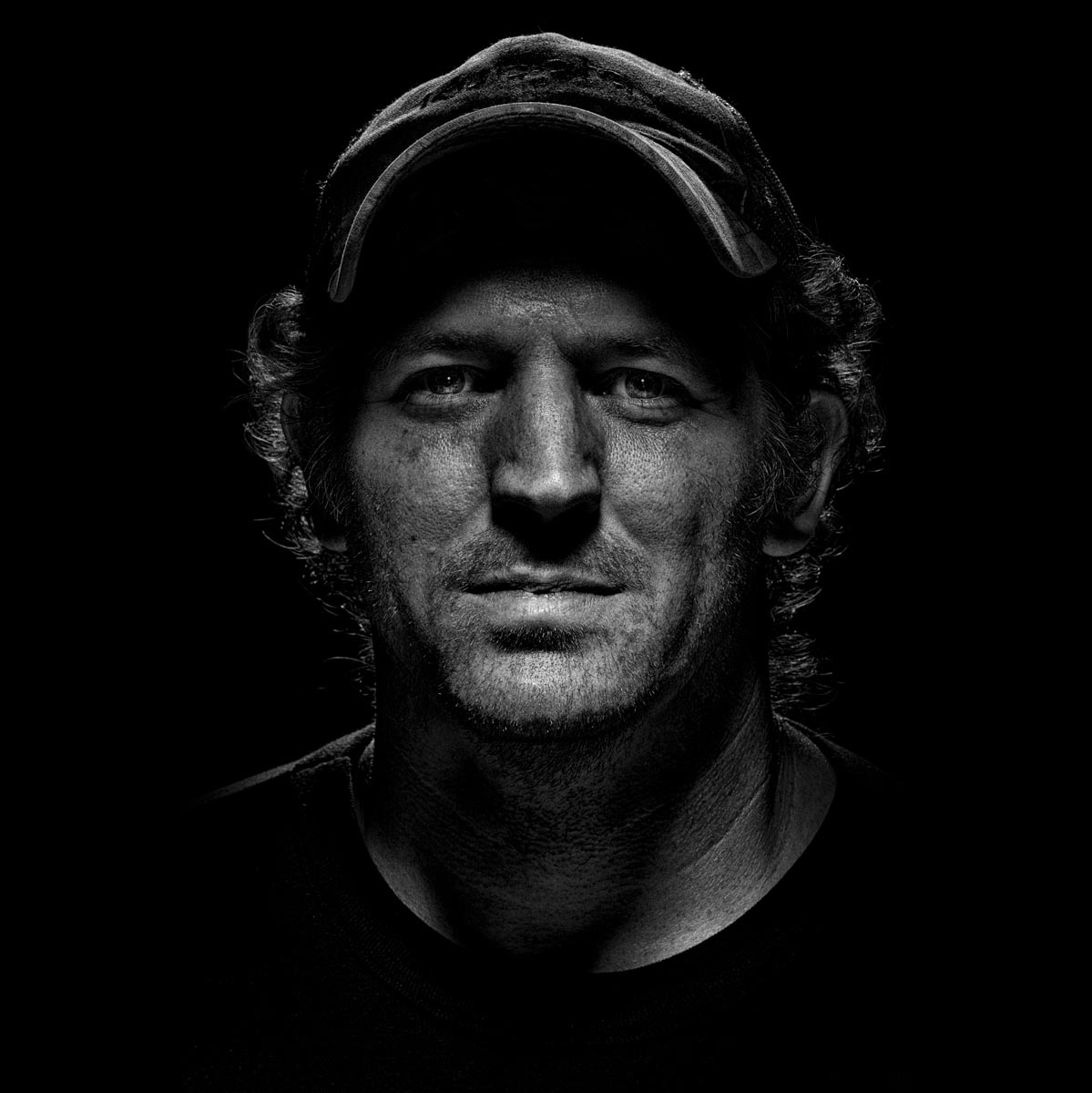
David Buckwalter self-portrait
For now, Buckwalter is sticking with DSLRs, rather than mirrorless cameras. “In 35mm, I’ll bounce between a Nikon D500 for birds and wildlife, a D850 for portraits and landscapes, and a second D850 body that’s been converted to infrared that I’ll also use for landscapes and portraits,” he explains. “I’ve got the 600mm f/4 and the 300mm f/2.8, the big wildlife bazookas.”
He uses a Toyo 4x5 field camera when he really wants to “pour into a landscape,” he says. “With a 4x5, you’re getting 350 megapixels out of that negative before you even upscale, so you just get so much more detail. And it forces me to slow down and breathe and enjoy the scene. It’s not just click, click, click and moving on.”
His engineering background is evident when he describes how he conducts his work. For his large-format photography, Buckwalter scans his 4x5 negatives using an Epson Perfection V750 he converted for wet plate scanning, “so I get rid of all the dust, air bubbles, and Newton’s rings.” He also built a camera using medium-format film wrapped around a piece of PVC pipe with a cross-section cutout and a pinhole on the end.
A dramatic self-portrait taken in 2020 demonstrates Buckwalter’s prowess with artificial lighting. While finishing his college degree 20 years later, he took a fine art photography class. One assignment was to photograph any subject using a hard light with a soft fill, so he set up a bare bulb and held a piece of white foam board in his lap to reflect fill into his own face. “I threw that up on Facebook, and all my friends were like, ‘When’s your country album coming out?’” he says. “I was half shaved and had COVID hair, but this is still one of my favorite images of myself.”
Since he still works full-time as an engineer, Buckwalter has positioned himself well to engage in the photography he loves without the financial pressure. But he’s still struggled with imposter syndrome, he admits, mentioning professionals he knows with their own named studios and “seven-figure business.” “… I’m selling prints at weekend art shows,” he says. “It’s taken me a long time to realize that what I do can be just as professional.”
Buckwalter looks to renowned Australian nature and landscape photographer Peter Lik for inspiration. “I want to have galleries all over the world with my name over the door selling huge prints for six figures,” he says. “That’s the goal, that’s the dream. I’ve come to realize, Hey, I can’t just jump into that. We all start somewhere.”
Mark Edward Harris is an award-winning photographer and writer based on Los Angeles.
Tags: fine art photography landscape photography nature photography