
Developing a Vision
Andres Casallas forged his way by experimenting
Andres Casallas, M.Photog., likes to keep things interesting. After graduating from Full Sail University with a degree in film, Casallas took a job as a video editor in Orlando, Florida. But going to the same office day after day “got repetitive,” Casallas says, so he picked up his camera and began capturing images of his soccer and jiu-jitsu teammates. Before long, people were hiring him for photography gigs. “I started seeing myself more as a photographer than a videographer,” Casallas says.
Casallas started photographing weddings on weekends while still editing video during the week. Over time, he built a successful wedding business but became burned out by the genre. He wanted creative control and to work in a more collaborative environment. “On a wedding day, you’re reacting a lot and dealing with people you can’t control a lot of the time,” he explains. The commercial jobs Casallas had booked with beauty, fashion, and lifestyle brands felt like a better fit. “When you’re working for a company, you’re helping them develop a vision,” he says.
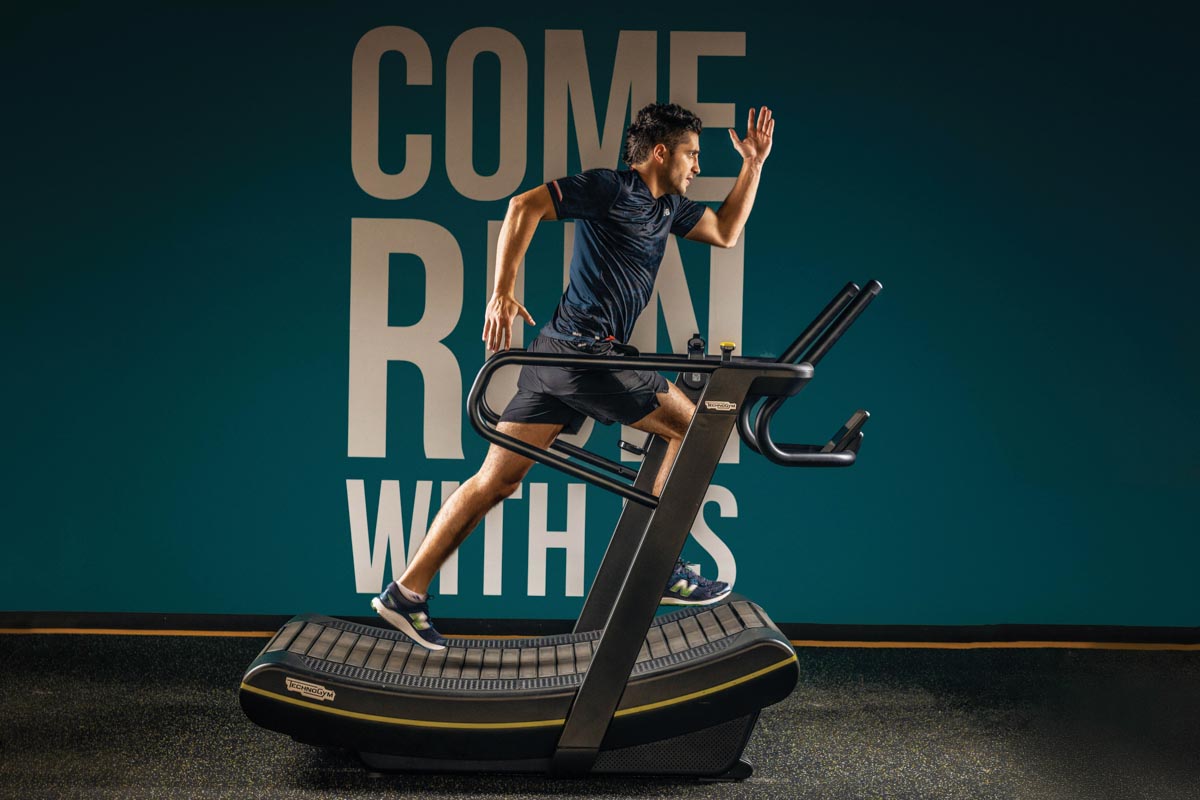
Through their Ocala, Florida-based business Art by Light Photography, Casallas and Tabitha Hayden, his creative and life partner, provide “intentional, people-driven visuals for brands and individuals who care about how they’re seen,” according to the website. Creating such visuals requires understanding the brand or individual’s identity, the message the client wants to communicate, and how their photos will fit into that plan, he explains. He and Hayden work to answer those questions through pre-production research and consultation. For example, Casallas and Hayden in fall 2024worked with three Spinning Center gyms in Bogota, Colombia, whose owners wanted to convey that their brand was a haven for community. Casallas and Hayden made photos of individuals taking part in activities, with descriptive signage in the background such as “Come Run with Us” with someone on a treadmill (above) and “Come Dance with Us” accompanying someone dancing. “The goal was to balance strong individual moments with visible group energy,” Casallas explains, “so the visuals would communicate both performance and belonging.”
When Casallas and Hayden travel, they don’t let an interesting background go to waste. After the pair finished their work with the gym client in Colombia, the two traveled to Cartagena. There, they found a red dress in a shop and thought it would look great against the backdrop of Castillo San Felipe de Barajas, a centuries-old fortress in the city. Once on site, Hayden changed into the dress, put on heels, and Casallas photographed her in various spots around the fortress. “We made the day out of it,” he recalls. “It’s something that’s always been part of our relationship, just doing photo shoots. It’s something that I think we’re going to do until we can’t anymore.”
FUN WITH LIGHTING
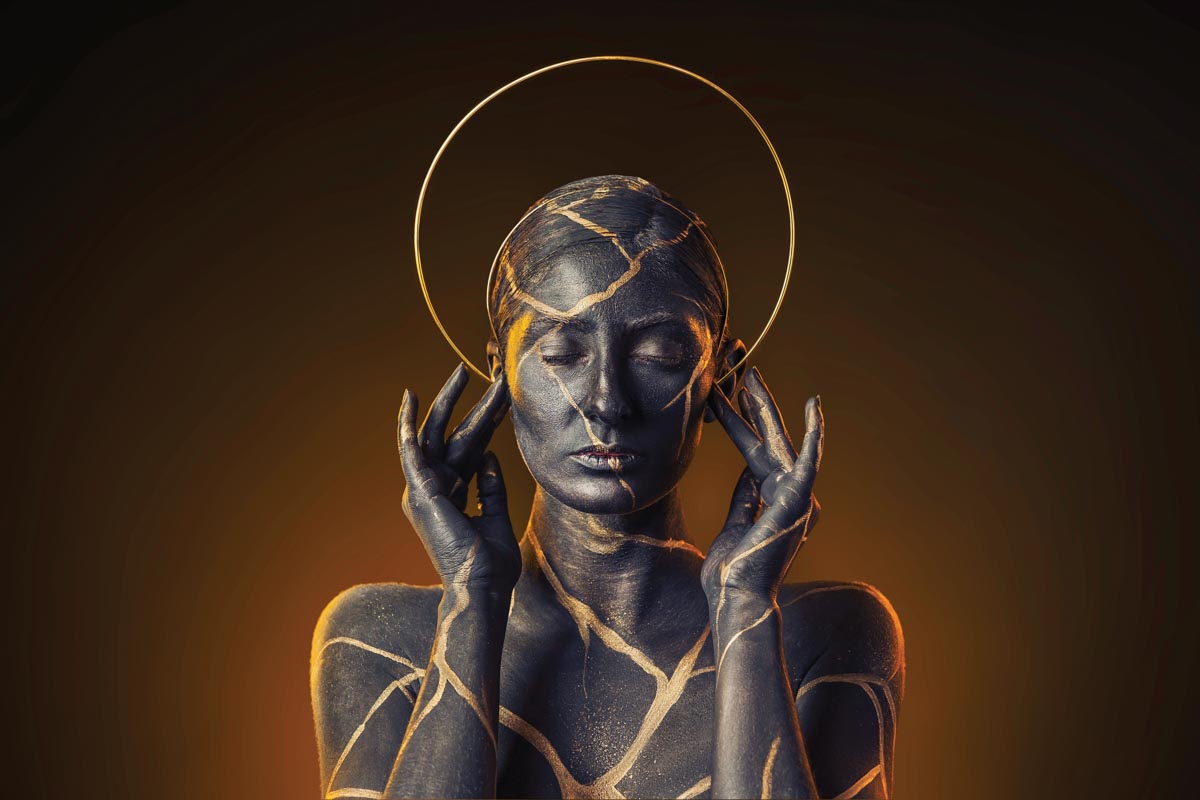
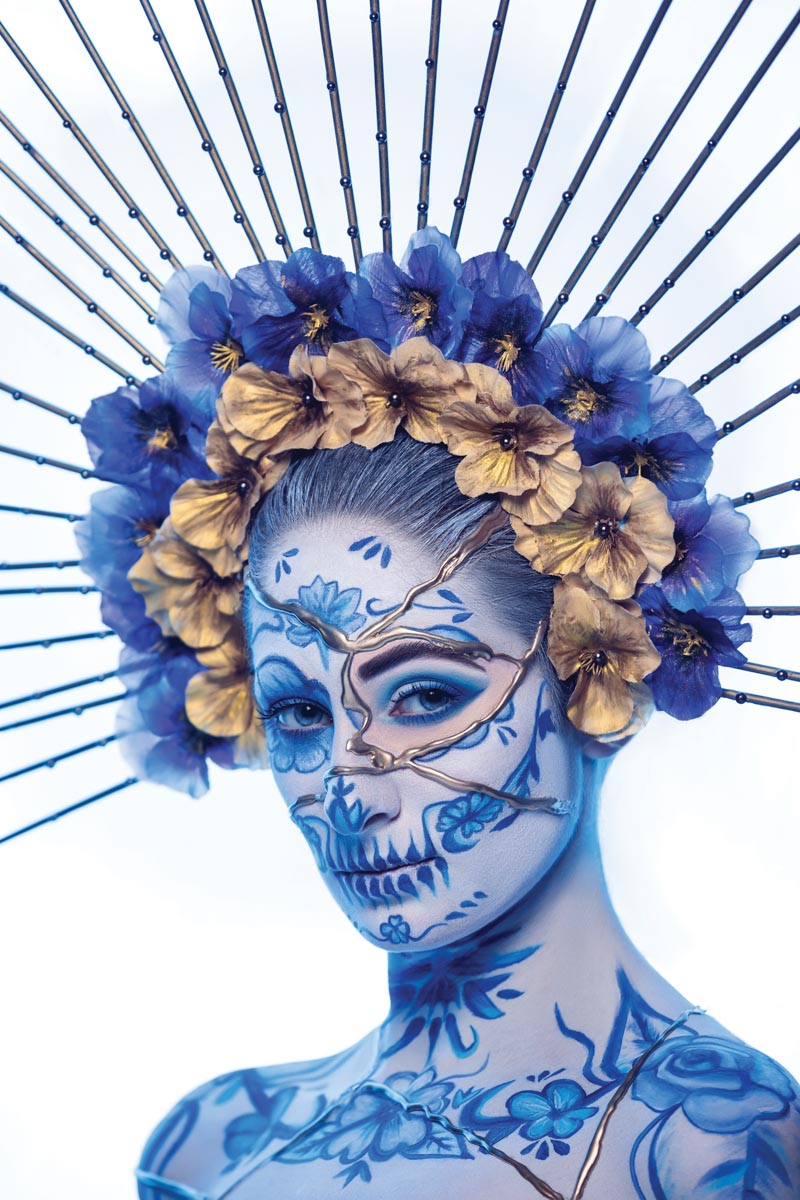
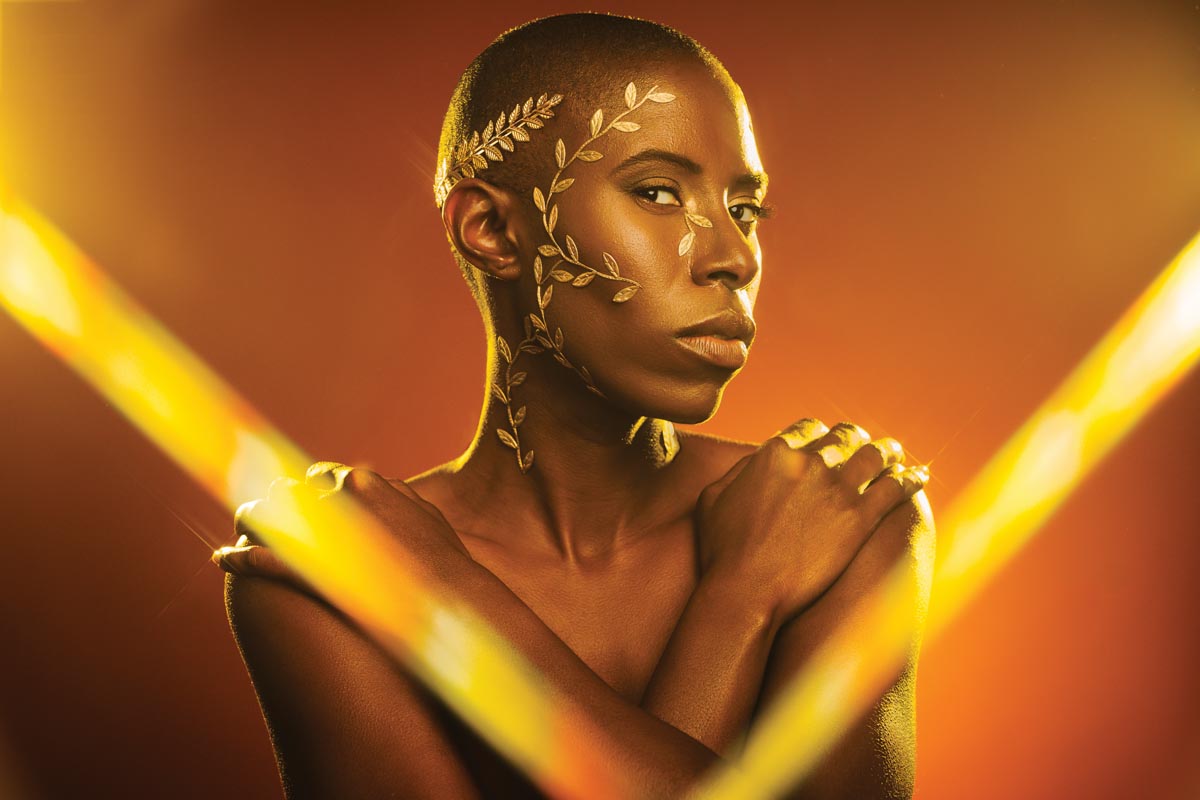
When it comes to communicating a narrative, one of the most important tools in Casallas’ photography toolkit is lighting. “It’s a really, really important part of my vision,” he says. Photographing weddings helped him hone his ability to balance ambient and artificial light. He and Hayden, a model and makeup artist, also pursue personal projects to push them creatively. “I take the lessons from my personal shoots and apply them to my commercial shoots,” Casallas says. One of his favorite photos was inspired by the art of kintsugi, the Japanese art of repairing broken pottery with lacquer dusted with powdered gold, silver, or platinum. To mimic the look (above), Hayden applied makeup to her face and torso. For the background light, Casallas used a 6-foot umbrella with diffusion and a blue gel. He blew out the background while keeping the blue coming through. “That backlight helps outline the crown and adds blue tone into the shadows,” explains Casallas. “I also used an optical snoot to light her face while keeping the shadows cool and blue.”
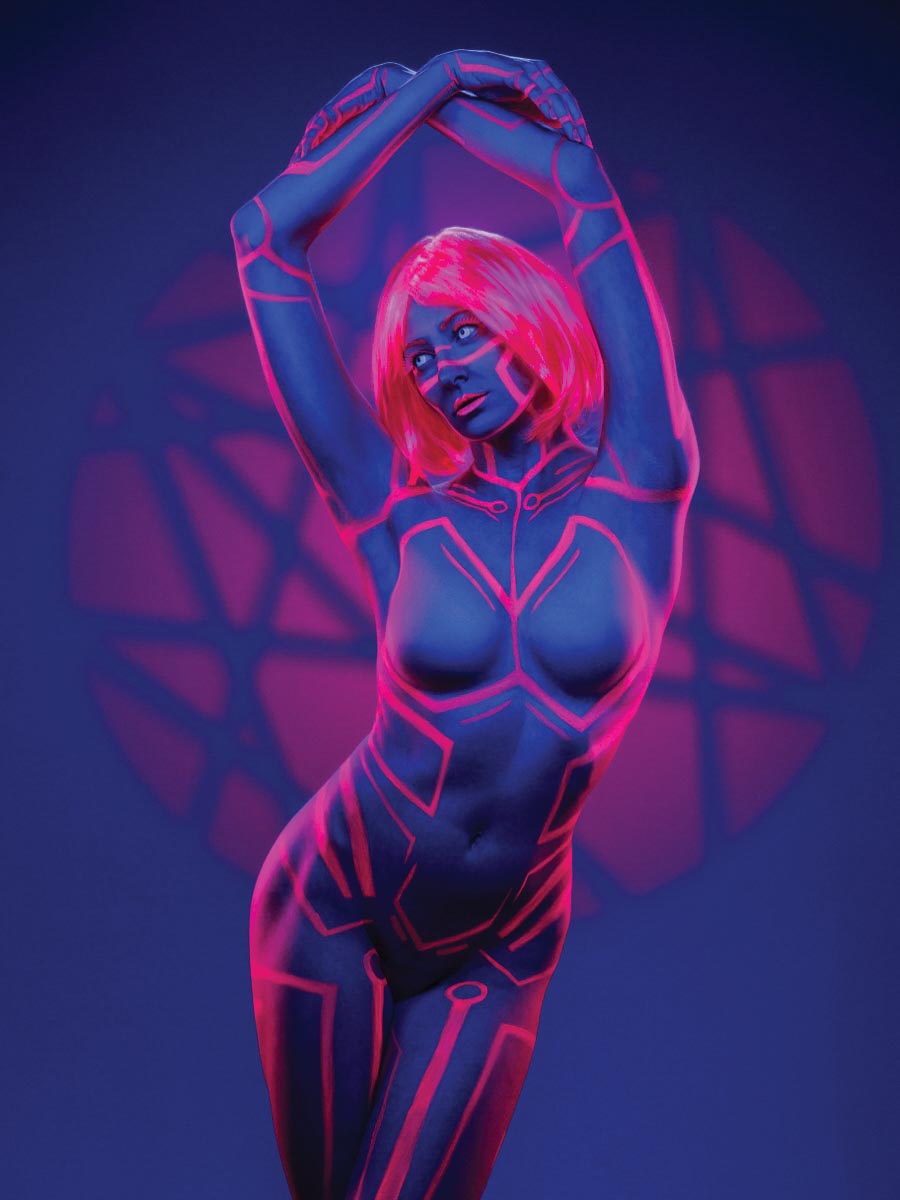
A photo that Casallas entered into PPA’s 2026 International PhotographicCompetition came about because Hayden wanted to experiment with neon body paint (above). Rather than use a black light during the making of the image, which would have given the skin “this ugly color,” explains Casallas, he used four UV lights to activate the paint and added a constant RGB light with blue light to control the skin tone while keeping the UV effect. He placed two magenta strip lights on each side of Hayden’s body “to push the glowing feeling,” Casallas adds. He used an optical snoot with a gobo behind Hayden to add the pattern to the background. The image, titled “Electric Awakening” placed in the top 32 in the illustrative portrait category.
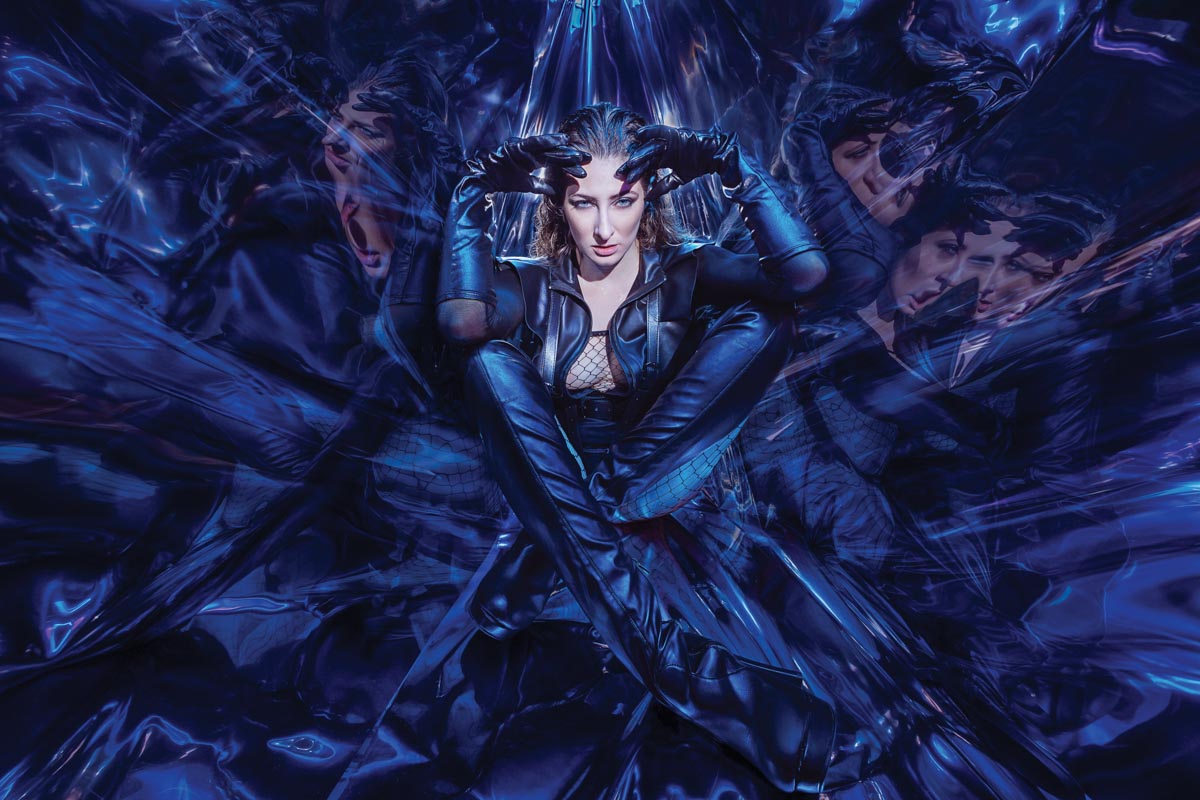
For another project with Hayden as the model, Casallas manipulated Mylar film by wrapping it around light stands and pulling it wide. Because Mylar “reflects everything,” he adds, he dressed in all black and did the session at night. He added a blue gel to his strobes and set them on low power, and used a snoot to light Hayden’s face (below). He also used a 60mm lens to make the image more dynamic, “a little bit crazier, just having a bit of fun with it,” Casallas explains. As much as he likes to experiment with lighting, he also knows when to keep it simple. For a session with a subject who was smoking a cigar, for example, he used a single strobe to capture the cigar smoke and create a dramatic look (below). “It’s about being intentional,” he notes.
FAVORITE GEAR
Casallas uses a Canon EOS R6. His favorite lens is a 135mm f/1.8, but he also likes the versatility of his 28-70mm zoom. For lighting equipment, he generally brings a mix of Godox AD300Pro and AD100Pro strobes to a job “because they’re compact, they’re small, and I can use it to light anything from a portrait to a bigger space,” he says. “They’re not too big that they’re going to be a hassle.” He also carries a Godox V1 or V100 in case he needs on-camera flash.
Hayden, who handles most of the post-production, uses Capture One software. They also use Evoto, but sparingly—mostly to remove flyaway hairs and clean up backgrounds. Casallas’ photographic goal is to “come really close to the end product” when he’s shooting. For him, post-production is “mostly cleanup and boosting the colors a little bit, contrast here and there,” he says.
 View Gallery
Commercial portrait photography itself is quite a contrast from wedding photography, Casallas says. With weddings, pricing is relatively cut and dried. Commercial sessions are often not so straightforward, he explains. To understand how to charge for that work, Casallas asked a producer from the video production company for which he’d worked. He wanted to know how to deal with elements such as commercial rights, talent, and stylists, and how they fit in alongside the photography. He learned from his mentor—and from experience—that each client and each job is different, depending on the brand and the purpose of the photographs and campaign, he explains. His pre-production interviews and research help him approach the client with an educated estimate of what a project will cost. That early groundwork is worth the effort, he says, as he sees his commercial and portrait photography as becoming more lucrative than wedding work. “Less jobs,” he reflects, “but bigger jobs.” He and Hayden also plan to show their personal work in galleries.
He offers his own advice to photographers looking to find their niche. “Just keep trying. Shoot a little bit of everything until you figure out where you fit in,” he says, adding that building his skills in posing, lighting, and composition makes him a well-rounded professional. “There’s a lot of ways to go into the business.”
Writer and photographer Allison Shirreffs works with various organizations and publications.