
Career Reframed
Professionals from different fields discover their true calling behind the lens
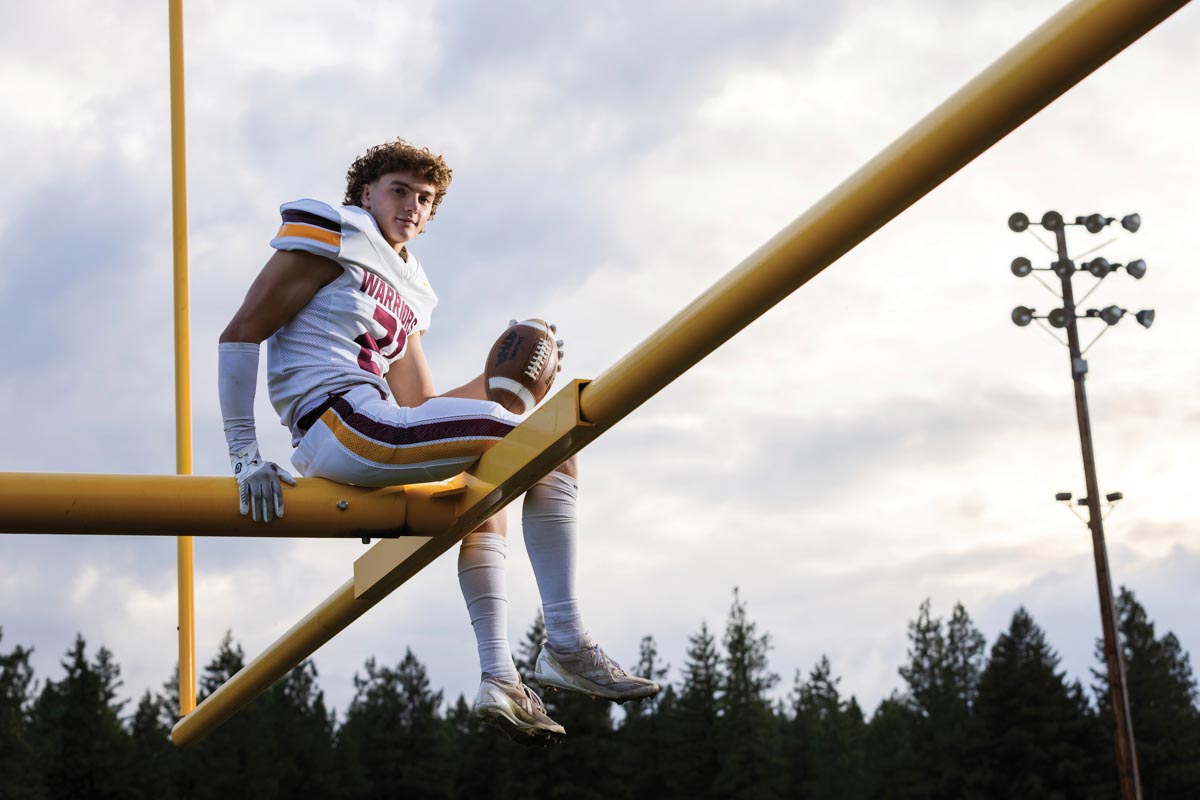
Sometimes people graduate from high school, seek a college degree in photography, and build a career in the field. But a majority of professional photographers take a more circuitous route. Often photographers work for many years—or even decades—in other careers, photographing as a hobby, before transitioning into the full-time photography work they love. Last year, Professional Photographer editors asked PPA members if they had had different careers before photography. We heard from more than 100 second-career photographers with diverse backgrounds including in military service, technology, teaching, and healthcare. Here, three of these photographers share their journeys to the profession, how their prior occupations influence their current photographic work, and their future goals in the business. Their comments have been edited for length and clarity.
 View Gallery
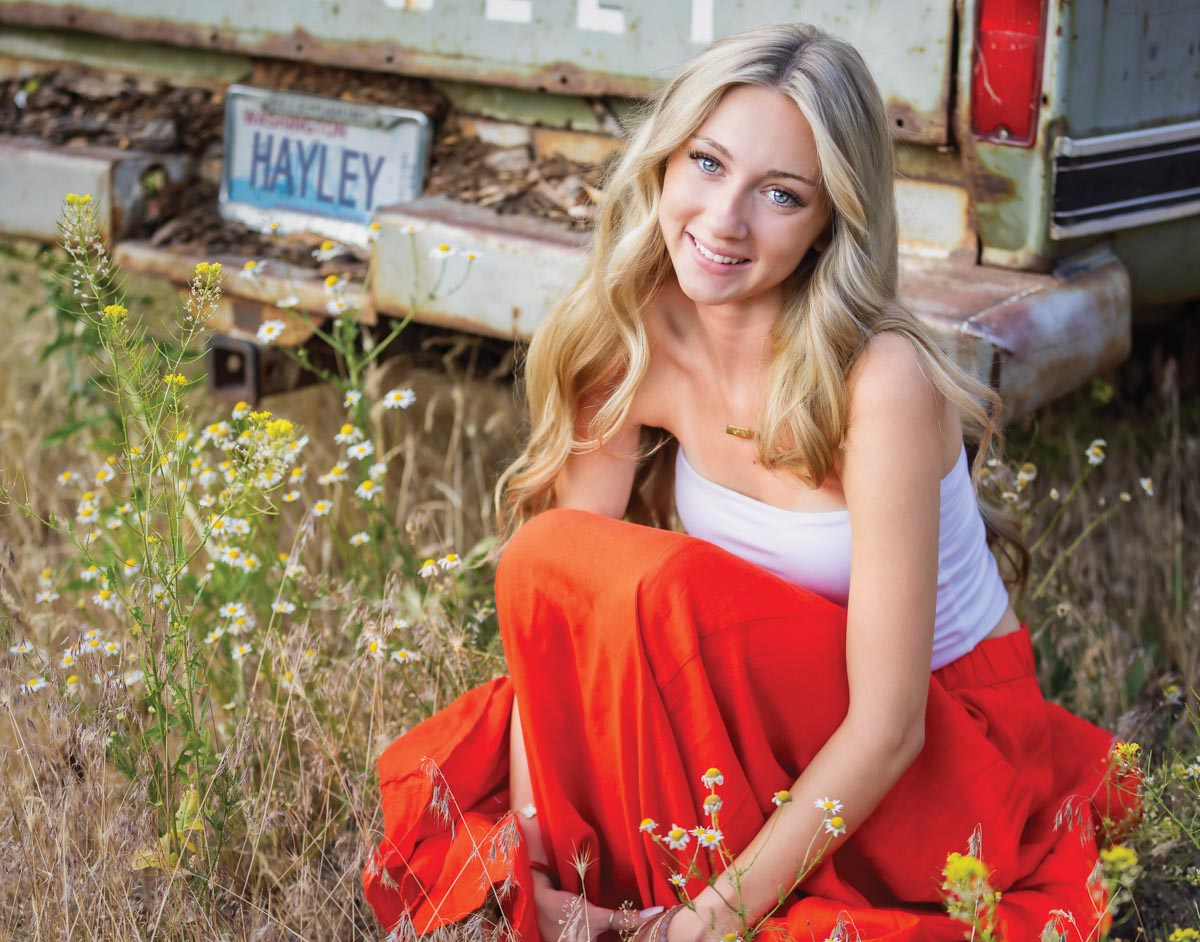
Meaghan Bickel, Joy Photography, Ellensburg, Washington
Amanda Arnold: What career did you have before you became a professional photographer?
Meaghan Bickel: My first true career was as a mental health counselor at an acute inpatient psychiatric hospital in southeastern Washington. I worked there from 2008-2012, leaving a few months after a serious attack by a patient. I started in 2012 as a case manager at a government-contracted agency that coordinates care for seniors and people with disabilities. I worked there from 2012-2019 before switching full-time to photography when my son was born.
AA: How many years have you been a full-time photographer?
MB: I’ve been full-time for seven years, a photographer for 11 years, and I’ve had my brick-and-mortar studio since 2022. My studio is called Joy Photography, a double meaning: my middle name and what I hope my clients feel.
AA: What inspired you to switch to a photography career?
MB: I was handling infertility, and one day in a church parking lot after the service, I was sitting in my car by myself thinking, if I ever managed to have a child, I wanted my career to be flexible so I could be with them. That moment, I posted in a community Facebook group that I had a “fancy camera” (a Canon EOS Rebel T2i with a 50mm lens) and wanted to explore family photography. I offered 10 free sessions to the community to try it out. Surprisingly, about 60 families volunteered. Turned out, I wasn’t terrible at it. After I finished photographing all those families, people offered to pay me. It snowballed from there and here I am today, and after two rounds of IVF, we got our miracle baby.
AA: Describe your journey to becoming a full-time professional photographer.
MB: One thing I’m glad I did was, while busting my tail part-time—doing headshots for the local hospital during my lunch breaks, staying up late editing every night, and having sessions every weekend—I saved 100% of my photography money to invest back into equipment and training. That meant zero business debt. I’m really glad I did it that way, even though it was so hard. If you’re trying to go full time, keep your eyes on your goal and keep going. The hard work will pay off.
AA: What qualities or skills did you develop in your first career that you now use?
MB: Working with people with mental health challenges, and mental, physical, and intellectual disabilities, I’ve learned to read emotions pretty well. If I sense a client is feeling insecure during the session or is overwhelmed during the ordering process, I try to give clearer instructions and slow down my usually upbeat, talkative self to mirror them and make them more comfortable.
AA: What experiences do you have in your photography career that you never got to have in your previous career?
MB: I remember sitting in my office on a beautiful day longing to enjoy the sun. Being able to get outside on a workday in the gorgeous Pacific Northwest, to enjoy happy people ready to take gorgeous photos, is so much fun. Also, 99% of the time, the people who choose to come see me for portraits are happy to be there! Working with people hospitalized for severe mental conditions (often against their will) or disabled to the point of needing help can be very rewarding, but also heartbreaking, and it can affect your own well-being. The lighter atmosphere has been a good decision for me.
AA: What goals do you have for your photography business?
MB: My goal with my photography is continued growth but mostly achieving more balance with family life and finding moments for hobbies with no income pressure. And most of all, memories with my kindergartener son.
 View Gallery
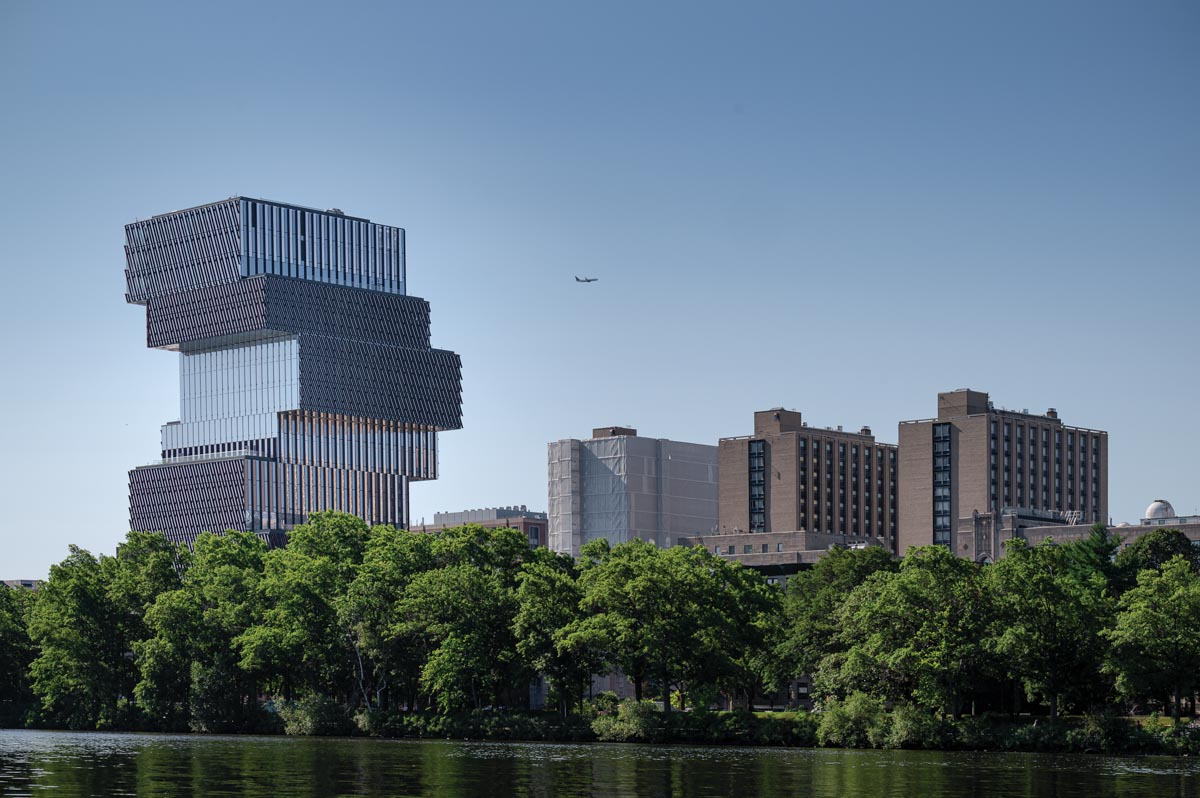
Florian Marschoun, CPP, Aspect Six, Northampton, Massachusetts
AA: What career did you have before you became a professional photographer?
Florian Marschoun: I earned my degree in business administration, and after finishing university, worked in management accounting for a large industrial company for about 15 years.
AA: How many years have you been a full-time photographer?
FM: I started doing full-time photography in 2014.
AA: What inspired you to switch to a photography career?
FM: I’m originally from Vienna, Austria, where the cultural focus leans more toward job security and steady careers than forging your own path. Photography was always a passion, but it wasn’t until I met my wife while traveling around the world for a year that I finally dared to make the transition. I started my photography business in Austria, and when I later moved to Hawaii, we began photographing together.
AA: Describe your journey to becoming a full-time professional photographer.
FM: When we lived on Maui, a classic vacation destination, our focus was wedding and family photography, with a lot of sessions on the beach. After moving to Massachusetts three years later, I began expanding into architectural photography. While photographing weddings was exciting, I quickly realized how much more architectural work fits my personality, and I fully shifted my focus toward it. For me, switching careers was an all-or-nothing decision, and taking that leap meant leaving behind the safety of a regular income. That created a lot of pressure. You’re constantly balancing artistic growth with the practical demands of running a company. That balance is challenging, but it’s also what makes the journey so rewarding.
AA: What’s something you learned or experienced in your first career that has helped you in your photography?
FM: In my previous career I worked with people in many different roles, and I learned how to build genuine rapport with them. Developing clear communication skills and managing expectations have helped me build long-lasting client relationships, establish trust, and feel confident setting boundaries and saying no when necessary. I’m a very structured person, and my accounting background helped me tremendously with the administrative side of running a business. That extends beyond managing financials to handling the IT side of things and putting the right systems and tools in place to support the business.
AA: What experiences do you have in your photography career that you never got to have in your previous career?
FM: Being self-employed allows me to shape my work environment in a way I never could before. I can clearly see how the decisions I make play out over time, and I get to create the kind of environment I want to work in. I also have the freedom to infuse my own identity into my work. Another aspect that feels completely different is how many personal stories I get to witness through photography. With wedding work, we were invited into a very specific and emotional moment in people’s lives. With architectural photography, taking in the stories people share and capturing how they connect to the environments they live in has become one of the most meaningful parts of my work.
AA: What goals do you have for your photography business?
FM: Over the last decade, I’ve built a solid professional foundation and gained valuable experience. I want to continue building that base and focus on the projects that interest me most. Aviation has always been a strong interest of mine, especially the public infrastructure that supports global mobility. One of my dream assignments would be to photograph a major international airport and show how architecture, logistics, and human expertise make air travel possible. I also want to keep sharing my knowledge. Last year, I began bringing local photographers of all levels together, creating a network for professionals, inspiring beginners through monthly meetups, and teaching classes. I plan to expand these activities this year, and this fall I’m organizing a regional photo marathon to bring that playful, creative spirit to an even broader community.
 View Gallery
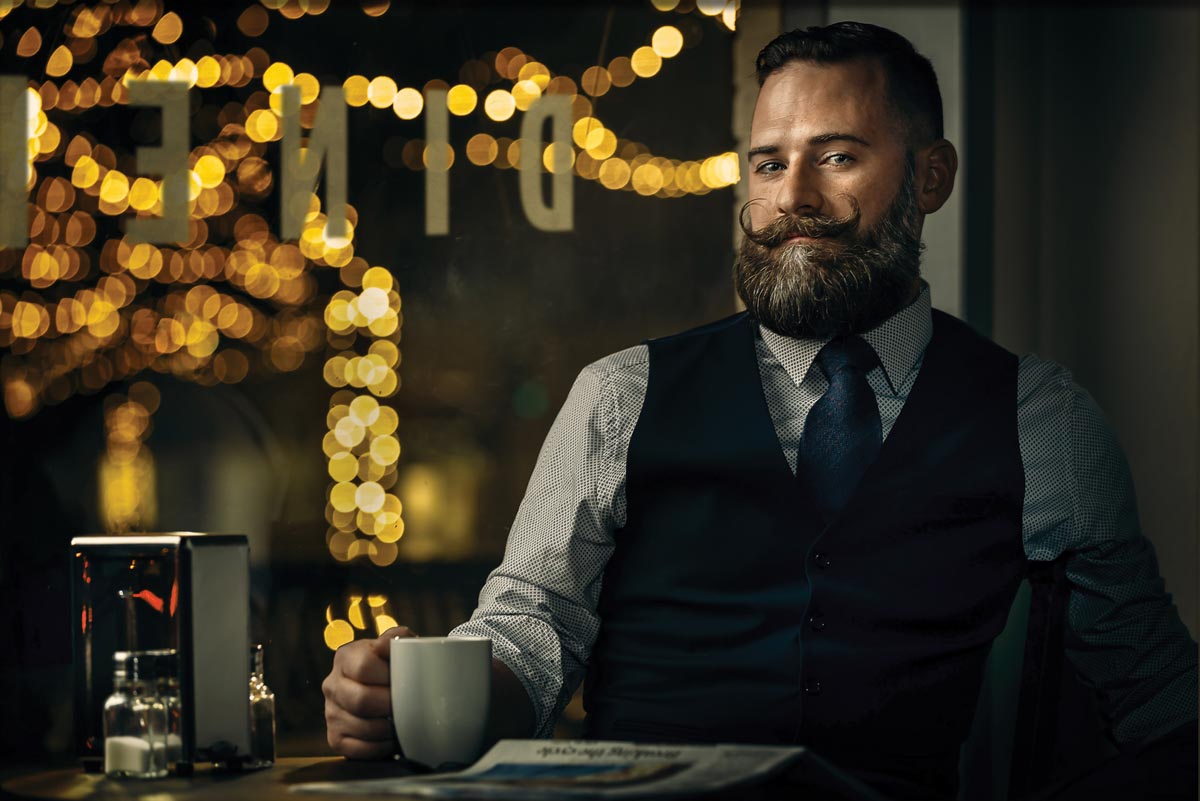
Curtis Sprague, M.Photog., Curtis Sprague Photography, Tulsa, Oklahoma
AA: What career did you have before you became a professional photographer?
Curtis Sprague: I joined the U.S. Army at 17 years old to pay for an art degree, having no idea that I had a tactical bone in my body. I just wanted to pay for my education. So, I guess my first job was with the Army. After college I took a freelance art job in Miami, doing T-shirt graphics for companies like Hawaiian Tropic and Ocean Pacific. Within two years, I was deployed overseas for Operation Desert Storm, during which my wife was pregnant with our first child. When I returned from the war, I had no work to speak of and a brand new baby. I knew I needed something reliable, preferably with a health insurance and pension plan. I’d done very well in the Army and decided that maybe law enforcement would be a suitable career, so I began working as a police officer. I made it onto the department’s SWAT team and spent about 10 years there. Shortly after 9/11, due to my tactical background, I was hired by the Federal Air Marshal Service as a federal air marshal. I spent another 10 years with that agency before I was approached by a defense company in the private sector who asked me to retire [from the military] and work for them as an aviation/tactical subject matter expert. I spent 15 years with that company and was working there when I decided to try my hand at photography as a retirement gig. I wanted to spend my retirement years working for myself in a creative field to counterbalance all the destructive things I’d seen throughout my career up to that point.
AA: How many years have you been a full-time photographer?
CS: I decided around the first of 2018 that photography was going to be my thing. I had dabbled in leatherworking and some other creative ventures, but I found that photography really spoke to me. I was obsessed with learning more. So, I launched a part-time brick-and-mortar studio in Broken Arrow, Oklahoma.
AA: Describe your journey to becoming a full-time professional photographer.
CS: I had built a very comprehensive leatherworking shop and was having some success. But I quickly realized that beating on cowhide in my hot garage on an August day in Oklahoma was less than fun. My youngest was about to graduate high school and approached me about taking senior photos. I thought, I can probably do that, even though I knew nothing about it. So, I did it. They turned out OK. As a result, I started getting requests from cousins and friends of cousins, etc. I thought that maybe this would be a better option than the leatherwork. So, I sold much of my leatherworking equipment to buy photography equipment and began watching YouTube videos and subscribing to sites like Phlearn and KelbyOne to learn quickly.
After photographing my first paid client, I received a phone call from the client’s friend, a PPA member named Leslie Hoyt, M.Photog.Cr., who wanted to introduce herself. She encouraged me to become a PPA member and consider photographic competition. I was so grateful for that meeting and for her friendship that I became a member of PPA and my local and state guilds. I entered my first photographic competition and I’ve been hooked since. Leslie has become one of my dearest friends and was kind enough to sponsor and share the stage with me when I received my master of photography degree from PPA.
AA: Can you share a story of something that you did or experienced in your first job that has helped you in your photography career?
CS: I wouldn’t trade the rewarding experiences for anything. But with the good also came the bad. I was always showing up at the worst time in someone’s life. Maybe it was a wife who had just been battered by her husband. Maybe it was a call involving the death of a child, and I had to inform the parents that their child would not be coming home. That can take a toll on a person. Those experiences help me now to be grateful and appreciate the little things in life. Nowadays, my reward is watching someone walk out of my studio with a little spring in their step because they had a wonderful experience and saw themselves the way I see them, beautiful and lucky.
AA: What qualities or skills did you develop in your first career that you now use in your photography career?
CS: I became very good at reading people and their non-verbal communication. In law enforcement, you find yourself surrounded by a lot of disingenuous people. So, you must learn to read other cues to get to the truth. My ability to read people helps me to help them when they are nervous or have an issue I need to address that maybe they’re too embarrassed to bring up. It helps me put people at ease more effectively. It also comes in handy for in-person sales.
AA: What experiences do you have in your photography career that you never got to have in your previous career?
CS: I never got to be friends with my “clients” before. Many have become some of my best friends. The vibe is just better now.
AA: What goal(s) do you have for your photography business?
CS: This will be my first full year as a full-time photographer. My goal is to pay all the bills, stay healthy, and bring joy to every life I encounter. The rest will take care of itself.
Amanda Arnold is a senior editor.
Tags: architectural photography fine art photography portrait photography