
Avian Action
A photojournalistic take on birds
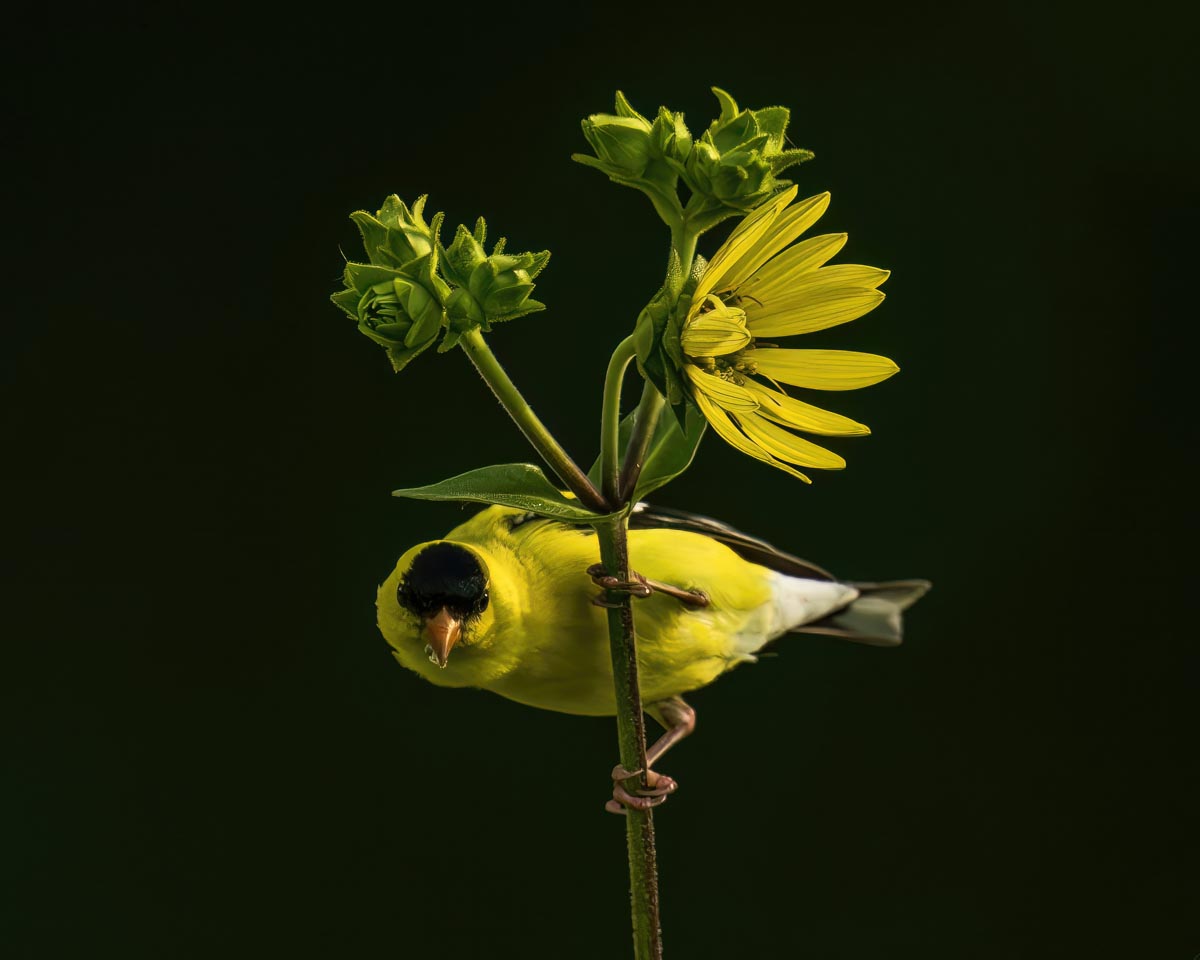
When COVID-19 shut down the world in 2020, veteran photojournalist Steve Jessmore spent that summer holed up in his cottage in northern Michigan as his workload dwindled from 100-plus assignments in 2019 to just a handful. He says he spent about a month watching instructional photography videos online before his wife reminded him that every day was a gift and he was too talented to be idling. “Figure out what you always wanted to do and do it,” he says she told him.
Jessmore admits he was uncertain at first. Then, a client hired him to document the rising popularity of kayaking during the lockdown. He bought his own kayak, began exploring the marshes surrounding his cottage, and found a new calling: photographing birds.
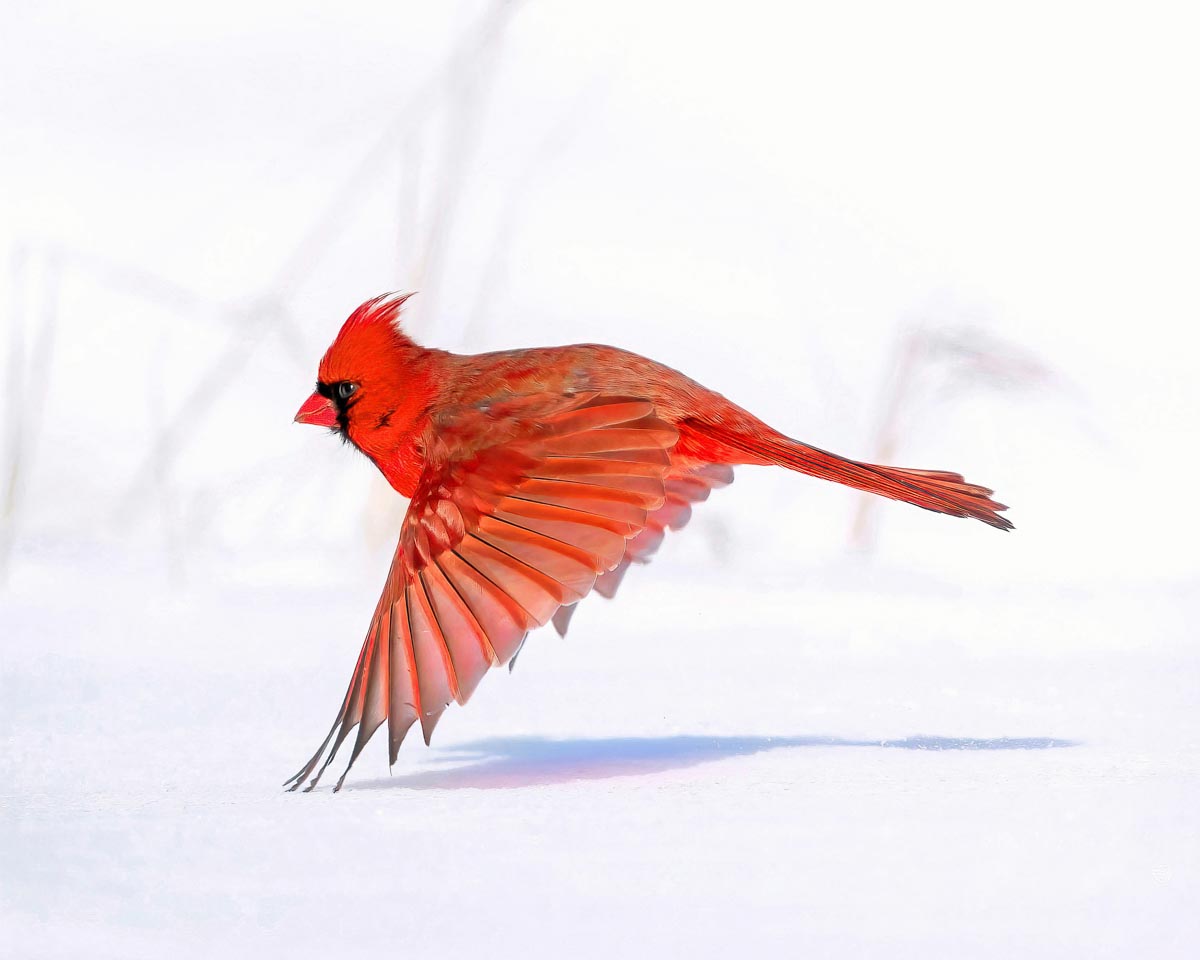
Since then, Jessmore’s bird photography—which he’s branded and trademarked as “Birds Doing Stuff”—has earned him four Audubon Photography Awards and spots in National Audubon, Smithsonian, and Ducks Unlimited magazines. What sets his images apart from what he calls “birds-on-a stick” photography is his photojournalistic take. He captures action: birds diving, hunting, interacting, taking care of their families, making their homes. “I love storytelling and this became my goal,” Jessmore says. “Having photographed pro sports and spot news as a photojournalist gave me the technical skills of working in poor light, changing conditions, and staying focused mentally.”
His most important piece of equipment is not a camera, he says; it’s his kayak, because it allows him to approach and observe his feathered subjects without disturbing them. “It’s a window to a world I never knew,” he adds.
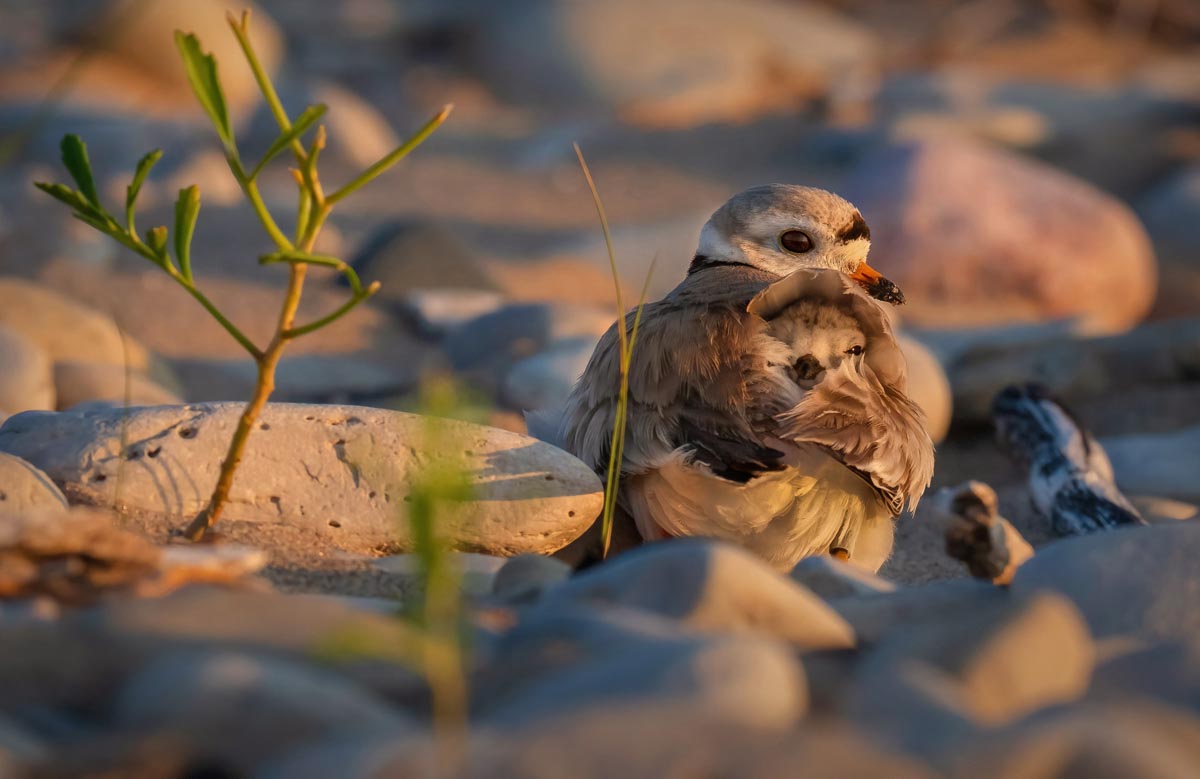 View Gallery
Jessmore offers notes on how to capture the best photographs of birds:
- Be prepared for the weather. Gloves, hats, warm waterproof boots, waterproof cover for both you and camera—have it all handy. He buys his clothing in camo patterns to match the environment and season, including winter white covers.
- As most birds are small, you need a lens with reach. Jessmore upgraded from DSLRs and a 300mm f/2.8 lens to a Sony Alpha 1 II with a Sony FE 600mm F4 GM OSS lens. He starts his morning in the dark, as he prefers to shoot during sunrise hours, and the f/4 aperture is great for the early moments of light, he says. In his kayak, he also brings a second Sony camera, a Sony 1.4x teleconverter SEL14TC lens, a Sigma 20-200mm F3.5-6.3 DG lens with a polarizing filter, plus a dry bag for gear in case of rain. “I carry insurance for water damage in case anything happens,” he adds.
- Culling is paramount. After time in the field, he takes a critical eye to his many images to narrow down the best. “You spent time out there; now spending time at the computer is key to realizing how successful your day was,” he says. “No one needs to see five images posted that are virtually the same.”
Amanda Arnold is a senior editor.
Tags: wildlife photography