
A Relationship Business
Bring in portrait business with volume clients
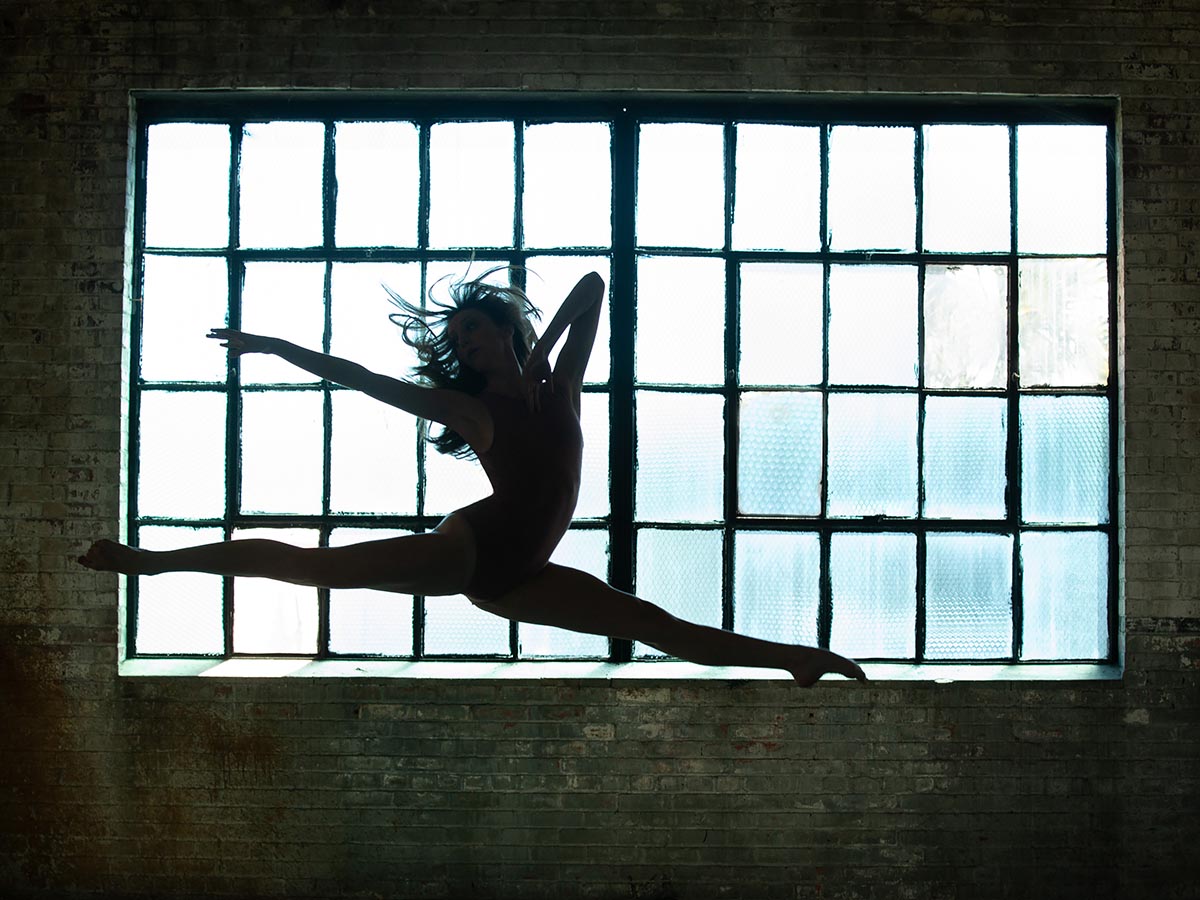
When it comes to business, Jacksonville, Florida-based portrait and volume photographer Susan Michal, M.Photog.Hon.M.Photog.Cr., keeps one word in mind: relationships. “It’s a people business,” she tells “Professional Podcast” host Pat Miller during the episode, “How to Get More Portrait Clients with Dance School Photography.” “I don’t care what kind of photography you’re doing. You have to be willing and able to work with people.”
That means that multiple times a year, Michal visits the eight dance schools for which she photographs students to hand-deliver ordered images. She sets up her space with marketing materials, makes herself comfortable for several hours, and connects with each parent personally as they pick up their orders. Other photographers have told her it’s a waste of time, but, she says, “if I did not pass out my own pictures, then I wouldn’t be able to meet [parents], and there’s no one else that’s going to do that for me the way I’m going to do it. So, it’s a very important thing for me, even though I’m tired and worn out by the time I’m delivering school number six and I’m sitting in some auditorium for five hours.”
The time pays off exponentially, she explains. During those hours, she can tell a parent of a high-school-junior dancer about the free senior portrait sessions she offers dance students. She can remind a pregnant mom of a younger dancer that she offers newborn sessions. Michal says she has closed tens of thousands of dollars’ worth of portrait business through the relationships she fosters, including an $18,000 portrait session. “If they never meet you,” she says, “they’re never going to have the opportunity to bond with you.”
Michal, a past president of Professional Photographers of America, is scheduled to lead a session at Imaging USA 2026, Jan. 11-13, titled, “Dancers in Motion: Business, Art, and Technique of Dance Photography.” She plans to share many of the business tips she spoke of on the “Professional Photographer” podcast, including how she leverages her work with dance schools into a profitable portrait business. “You can be closed off and not friendly and not benefit from those relationships, or you can realize that every time you interact with someone from one of those schools, that’s a potential family session, a potential wedding, a potential anything that could lead to a $20,000 portrait sale,” she says on the podcast.
STEADY AND LUCRATIVE
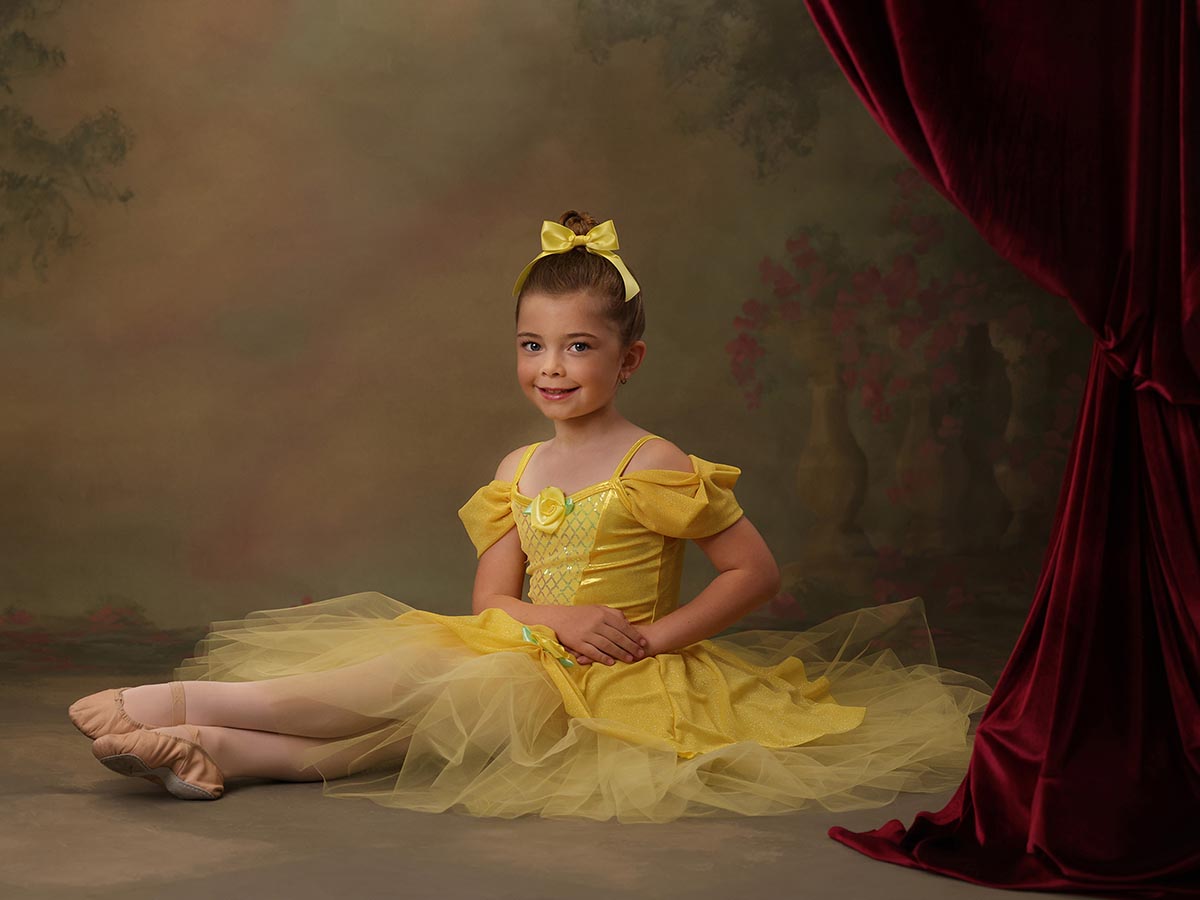
Michal had been a wedding photographer in 2004 when a dance-school-owner friend hired her to take photos of the 250 young students. Digital photography—and selling online—was new, and Michal said she would take the job if she could learn by doing. She did, and this year, she photographed dancers there for the 21st time. She even recently took on a 400-student dance school as a client “at the last minute,” she says. “I was perfectly calm,” she explains to Miller. “We didn’t have any issues at all because after all these years, we know exactly what we’re doing.”
Today, she just occasionally—and wistfully—photographs weddings, mainly for the dance students. “When you’re standing there and that bride’s coming down the aisle and you have photographed her since she was a 3-year-old in a tutu,” Michal says, “it’s really crazy.”
What’s not crazy is how Michal grows her business: relying on her hard work with dance school clients for steady income and connecting with families of the students for more lucrative portrait sessions. That balance is crucial, she says. “It took me a while to realize that some photographers don’t have that. They just have never thought about it from a business perspective enough to understand that every business is going to go through ups and downs and they need something that they know is going to come in,” she adds, particularly because portraiture can be unpredictable: a child gets sick or a parent loses a job, for example, and the portrait session is cancelled. “Now, all of a sudden, you’ve lost income, and that’s something you can’t control.”
The “sure thing” of steady income means taking time to cultivate what Michal calls the “coveted relationships” within a community. She loves dance but cites Little League or another youth sport, marching bands, or preschools as other areas where volume photography opportunities abound. Once you identify the area, get to know its players, she advises: Go to the performing arts school or dance academies and donate a session or two to their fundraiser silent auctions. Think of clients you already have who have children in sports who could introduce you to coaches. “Put yourself where those people are and get to know them and be helpful in their community,” Michal says. “Eventually, you will get the work.” But to keep it, she cautions, the photographer must earn a positive reputation. For her dance school owners, “What they really want is someone who is going to come in there and treat their clients, their dancers, and their dance families the way that we would treat our clients as a portrait studio owner, because we’re part of their team now,” she explains. “And anything we do reflects on them.” That means behaving appropriately, being efficient, and being reliable, she adds. “They have to feel like you know what you’re doing, and then they will trust you.”
DO THE MATH
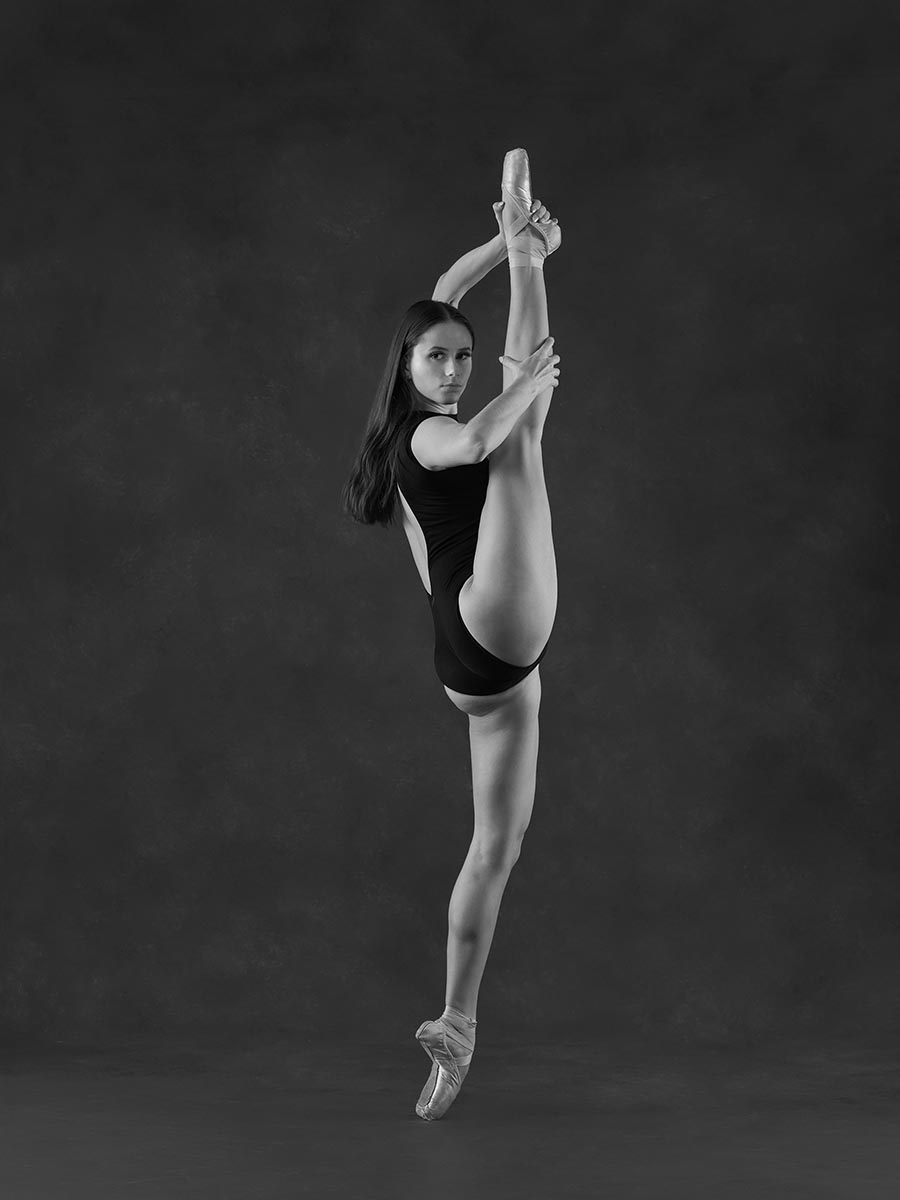
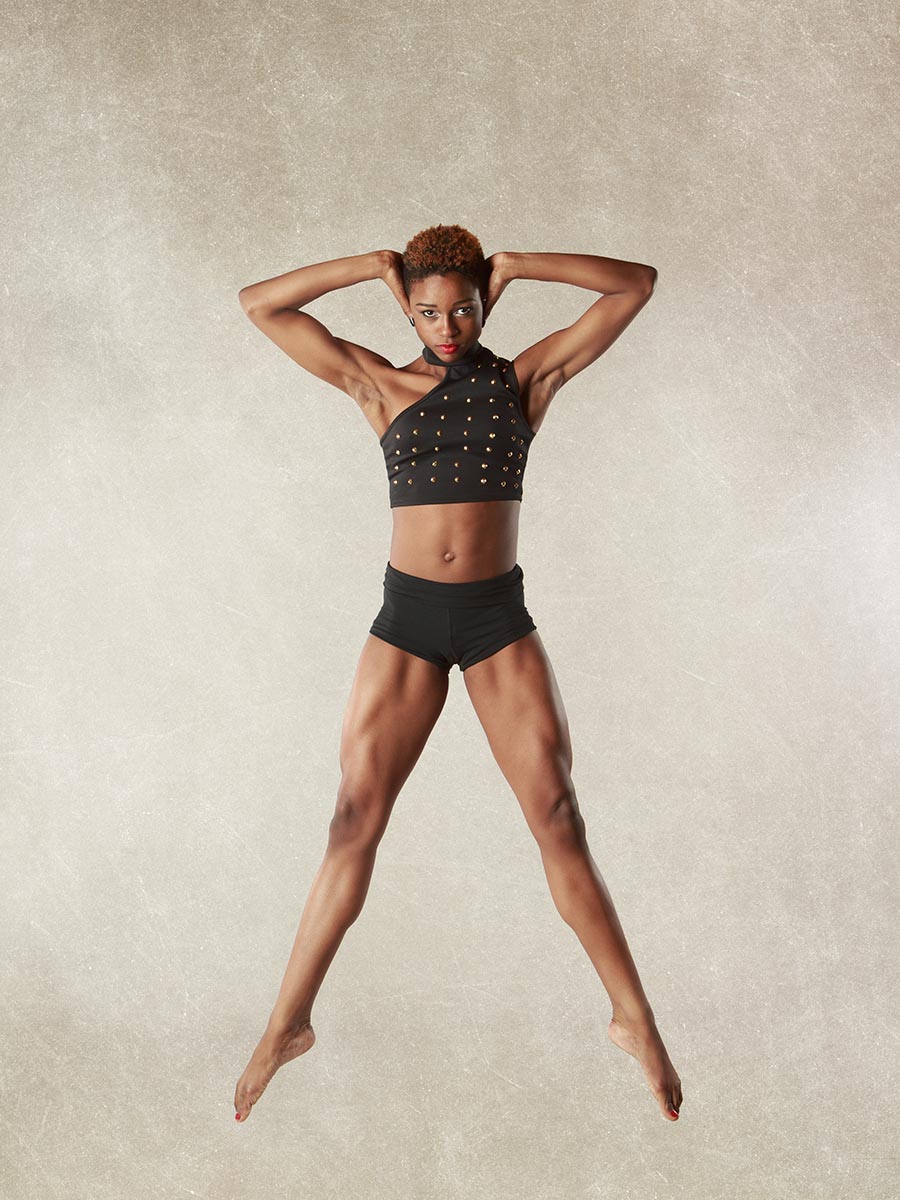
That trust extends from dance school owners bringing you into their spaces to parents bringing their dancers to your studio for personal portraits, she says. “People are looking for someone they know and trust, and if you’re already that person, then you’re going to be the one they’re going to reach out to first,” she adds. “And if you can snag that business, well, then when you do the math, it just becomes incredible.”
Michal also builds trust with the dance schools by donating session fees back to them from her studio’s fairy sessions. Inspired by the work of Houston-based photographer Lisa Jane, Michal built a set for children ages 3-11 to don provided fairy costumes and wings, and even “fly.” Recently, she added another experience: “gone fishing,” with a little dock and other props. She can get 20-25 fairy clients signed up, with an average spend of $2,800.
Michal further explains the math. Each dance school has between 40-60 “new baby ballerinas” every year, she says. Across the eight dance schools she works with, “that’s some 400 families you are going to personally work with that someone else is giving you that business, and you have the potential to turn it into whatever you want to turn it into,” she says.
A first step to turn volume clients into portrait clients is what Michal did more than 20 years ago: “Find somebody else’s business that has your clients and work with them.” If even 100 of those clients become portrait clients who spend the average of $3,000, “that’s $300,000 [and] I didn’t have to do one Facebook ad,” Michal explains.
Photographers are entrepreneurs, she notes, and can succeed when they act as such. “I don’t think photographers think as far ahead or outside the box as they need to,” she says. “... We’re businesspeople first, really, because the art is about 10% of your business and the business is 90% of your business. And if you can’t handle the business, then the art is never going to flourish.”
Melanie Lasoff Levs is director of publications.
Tags: portrait photography volume