Why Human Connection Still Wins: Jonny Edward’s Practical Guide to Stronger Portraits and Better Client Trust
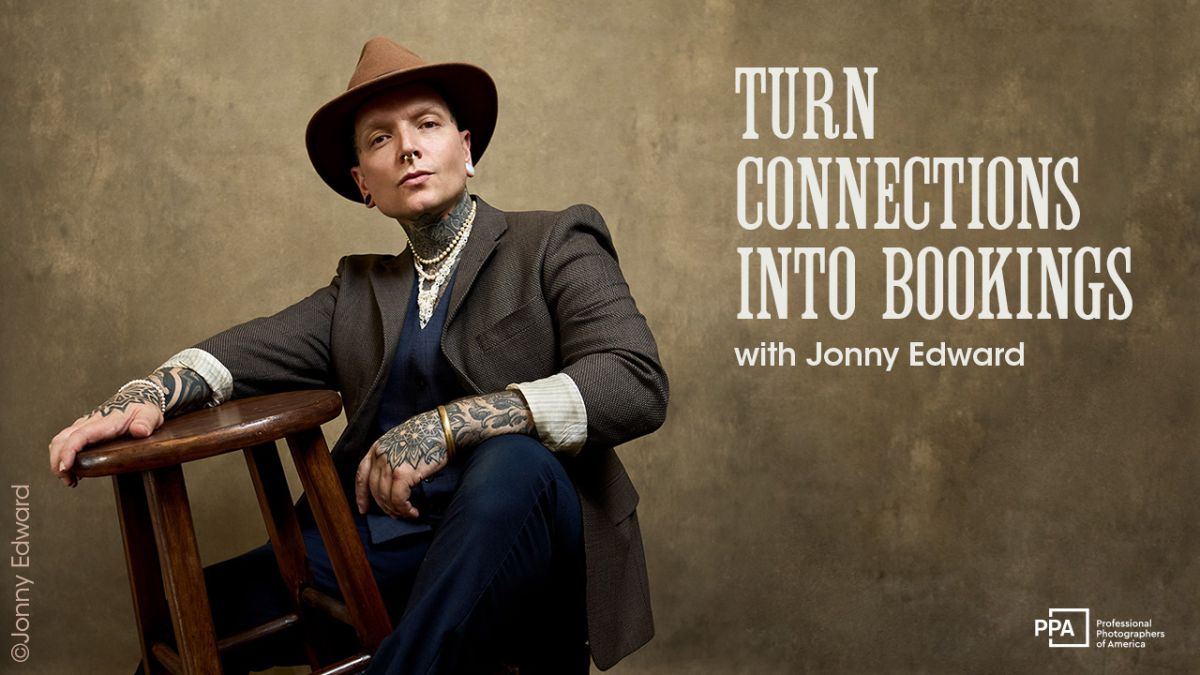
Jonny Edward’s portraits are bold, cinematic, and editorial, but his foundation is refreshingly simple: never forget the person in front of the lens. In his PhotoVision content, Jonny shows how intentional lighting, backdrops, wardrobe, and location can build striking visual narratives, but he is equally clear that none of it matters if the subject does not feel seen, respected, and safe. That balance between artistry and empathy is what makes his teaching so valuable for photographers who want work that stands out and client experiences that lead to more bookings.
Start with the human being, not the setup
One of Jonny’s clearest teaching moments is also his most universal: “Keep your focus on the fact that there’s a human being in front of you and never lose sight of that.” That mindset is more than good bedside manner. It is a creative strategy. When subjects feel celebrated instead of managed, their body language softens, expression deepens, and the portrait gains emotional weight. Throughout his demonstrations, Jonny keeps talking to his subject, affirming her, adapting to her comfort, and making space for collaboration.
That advice lines up with what today’s consumers say they want. Style and portfolio quality still matter, but trust helps close the gap between interest and booking. Personal connection, comfort, and clear communication all play a meaningful role in a client’s final choice of photographer. (Behind the Booking Decision: Photography Consumers 2026)
Use studio tools to support the story
Jonny’s creative process is a strong reminder that gear should deepen the narrative, not distract from it. In his work, he uses canvas backdrops, muslin, wardrobe, and a single off-camera strobe to create editorial portraits on location. The tools and props he uses are intentional—they reinforce mood: romantic, regal, poetic, cinematic, even a little mysterious. He talks through color relationships, background texture, the direction of light, and how each choice helps anchor the scene.
That is a useful takeaway for any portrait photographer. Before adding a light, prop, fabric, or backdrop, ask one question: what is this element helping the viewer feel? If the answer is unclear, simplify. The lesson is practical and freeing: thoughtful restraint is part of artistry.
Plan enough to be confident, then stay open
Another strength in Jonny’s teaching is how well he balances preparation with flexibility. He arrives with a concept, styling, modifiers, and a visual direction. Then he stays responsive to weather, shifting light, the environment, and the model’s energy. He changes lenses, adjusts flash power, swaps backdrops, and sometimes pivots completely when the location gives him something stronger than the original plan.
That approach is especially useful for photographers who want more creative range without creating chaos for clients. Preparation gives you control. Flexibility keeps the work alive.
Build trust before the session ever begins
If Jonny’s portraits feel effortless, it is because the trust-building starts long before the shutter clicks. A strong pre-session consultation helps photographers understand goals, lower tension, explain the process, discuss budget ranges, and gather the personal details that lead to a better session. It also helps clients feel comfortable, which is essential when you need authentic expression and collaboration.
For portrait photographers, that can translate into a few simple habits: clarify the vision before the session, ask about personality and comfort level, explain what will happen before, during, and after the session, and give enough pricing guidance to prevent sticker shock later. When clients know what to expect, they are more likely to trust the process and enjoy the experience.
The language photographers use matters, too. Terms like “pre-session consultation,” “portrait session,” “artwork,” and “investment” can help shape a more professional, intentional client experience when they genuinely reflect the service being delivered. Clear, respectful language helps clients understand value.
Make direction feel collaborative, not controlling
Jonny’s on-set language offers a subtle but valuable lesson in client communication. He encourages. He adjusts. He checks whether something feels comfortable. He praises what is working. Even when the environment is chaotic, he keeps the subject at the center of the experience.
That kind of direction builds confidence, and confidence changes the image. Many buyers hesitate because the process feels unclear, complicated, or intimidating. Photographers who guide with calm authority reduce that friction. They make it easier for clients to say yes, relax during the session, and feel good about the investment afterward.
Strong creative work and strong business habits go together
Jonny’s work is a useful reminder that brand differentiation is not just about having a recognizable look. It is about creating an experience people remember. Clients often compare photographers across websites, social media, reviews, and recommendations before they ever reach out. Trust is built through repeated reinforcement. Clear messaging matters. Responsiveness matters. Consistency matters.
For photographers, that means the brand promise in your marketing should match the feeling of your consultation, your session flow, and your final delivery. If your portraits are expressive and editorial, your communication should still be grounded, warm, and clear. If your work is dramatic, your process should still make clients feel safe. Great portraits may attract attention, but trust is what converts attention into bookings.
The takeaway: create boldly, connect deeply
Jonny Edward’s work proves that dramatic portraiture does not have to come at the expense of trust. In fact, the opposite is true. When clients feel understood, photographers gain more freedom to create. When the concept is clear, the gear becomes more purposeful. And when the experience is thoughtful from first inquiry to final image, the work becomes stronger on both the artistic and business side.
That is the real opportunity in Jonny’s teaching: not just to make more cinematic portraits, but to build a brand where clients feel confident stepping into your vision.
Ready to go deeper? Watch Jonny Edward on PhotoVision and explore PPA resources on consumer behavior, client communication, and pre-session consultations to strengthen both your portrait process and your booking experience.