Set Yourself Up to Deliver: 5 Photography Lessons from Seth Miranda for a Smarter, Safer Set
A successful photography session centers on knowing what you want to create, but you must understand the principles of your craft well enough to be prepared when the session does not go according to plan. Sometimes, the best photographs come from the most unexpected or unpredictable changes to your setup mid-shoot.
Planning and preparation are part of being a pro, but being able to adapt is what sets you apart.
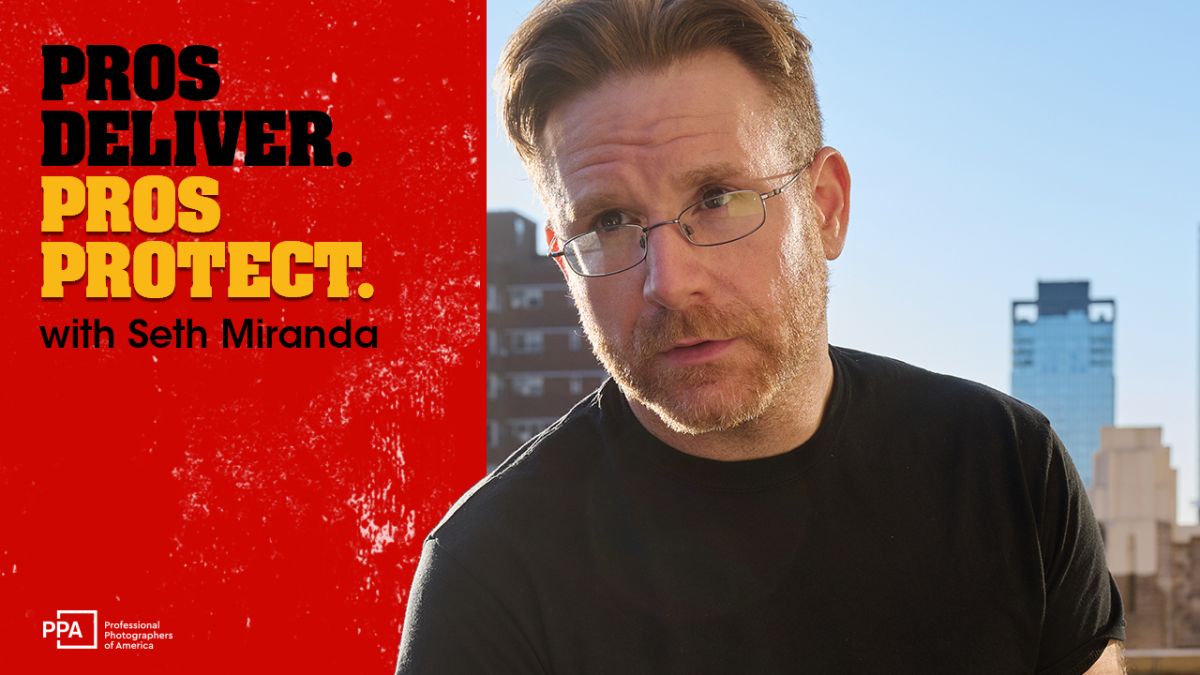
That mindset is the core of Seth Miranda’s approach to photography and education. A photographer, educator, host, and content producer, Seth is known for his bold creativity and intentionally direct approach to teaching. Seth got his start in the fast-paced worlds of BMX and skating, and his photography expertise now spans special effects makeup, commercial and print, multimedia pieces, and live demonstrations.
The common thread is preparation, which can give you the flexibility to make decisions when conditions change. Here are five ways photographers can put that mindset into practice.
1. Start with the Shot
It’s easy to begin a session by thinking about equipment, such as which modifier you should use or how many lights you should set up. Seth’s approach starts a step earlier, asking: “What is the shot?”
Decide what the image needs to accomplish before building the setup by thinking about the emotion you want the final photograph to capture. Once those decisions are clear, the gear becomes a tool for final execution rather than the initial starting point.
A clear creative goal can also make problem-solving faster. If something changes, such as when the location is smaller than expected or a piece of gear is unavailable, you still know where you are trying to go.
2. Control the Setup by Understanding It
Your setup becomes much easier to adapt when you understand why it works. This principle is central to Seth’s teaching.
Think beyond the setup recipes and pay attention to what happens when you make slight adjustments. Take note of what happens as you adjust exposure, light direction and spill, or subject placement.
Now, experiment deliberately. The goal is to connect the visual result with the technical decision that produced it.
A studio may give you total control, but a commercial location, conference room, or client office space may not. When you understand the principles behind your setup, an unfamiliar room becomes a problem to solve rather than a reason to panic.
Having control doesn’t rely on conditions being perfect, but it does mean you know how to respond to the conditions you have.
3. Respect Your Surroundings
Professionalism is evident in the final photograph, but it also shows in everything that leads up to it.
Photography sets are an endless list of moving parts, from ever-changing gear placements to photographers, assistants, clients, and subjects on the go. To ensure a safe and productive set, be sure to watch the stands, cables, backdrops, and anything someone could trip over.
Before a client steps onto the set, look at the space from their perspective. Run through this safety checklist:
- Is there a cable crossing the walkway?
- Is a stand properly secured?
- Could the backdrop shift?
- Are cases creating an obstacle?
- Are there clear walking paths?
Building these protocols into your workflow not only reduces risk but also creates a smoother client experience.
When photographers constantly troubleshoot out-of-place equipment, the session can feel improvised. A clean, intentional working space communicates that you are prepared.
At the end of the day, the set is part of the experience you are delivering.
4. Bring a Backup Plan
Any piece of equipment that worked perfectly yesterday may decide today is the day it needs attention. A professional workflow assumes that something eventually will go wrong.
Instead of complicating your set by bringing backups for every piece of gear, identify the tools without which you cannot complete the assignment and create reasonable redundancy around them.
For one photographer, that might mean a backup camera body and extra batteries. For another, it may be a backup trigger, sync cable, memory card, or lighting option. If you are working on location, think through what you could simplify if part of the original plan becomes impossible.
The larger lesson is mental as much as technical: do not make your ability to deliver dependent on any one point in the system. Preparation gives you options that help you stay focused on the photograph instead of the obstacle.
5. Protect the Business Behind the Photograph
Being ready to deliver extends beyond prepping your equipment.
Every photography session carries some degree of risk because people, equipment and locations interact. That can lead to accidental property damage, injuries on set and other problems. That is why preparation also includes thinking about protection.
While professional photography is creative work, it is also a business. Ensuring peace of mind by protecting that business gives you a stronger foundation from which to create freely and without distraction.
Liability Insurance Has You Covered
Insurance does not replace proper set practices. Instead, the two work together to ensure maximum safety for both the client and photographer.
After securing the equipment, thinking through the location, and facilitating communication with everyone on set, make sure the business itself has protection for situations that careful planning cannot completely prevent. General Liability Insurance, which is included with PPA Full Plus membership, covers the following:
- Bodily injury and property liability
- Real or alleged faults in your work that result in bodily injury or property damage
- Liability for personal and advertising injury
- Up to $2 million aggregate ($1 million per occurrence)
Accidents happen, and General Liability Insurance can provide support for photographers when they do.
Preparation Enables Creative Freedom
At first glance, the logistics of preparation might seem like the opposite of creativity. Seth’s approach suggests something different.
When you know what the shot needs on a technical level, you have more room to experiment. Instead of spending the session reacting to avoidable problems, you can focus on the image in front of you.
Delivering means creating an environment where clients and collaborators can concentrate on the photograph. It also means accepting that equipment and circumstances will not always cooperate — and building a process that keeps moving when they don’t.
Your creative output will become stronger when you treat the business behind your photography with the same intention you bring to the image itself.
Explore Seth Miranda’s videos on mentorship, lighting, and setup protocols on PhotoVision.