Do Photographers Need Permits on Federal Lands? A Guide to the EXPLORE Act
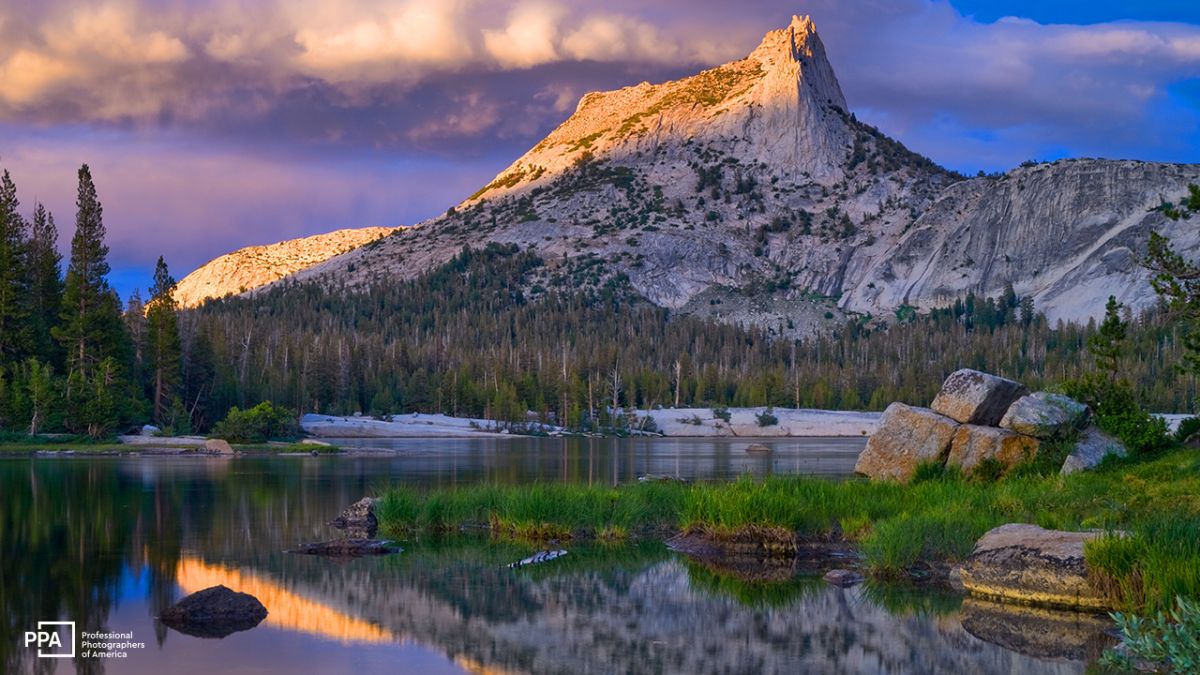
Photographing on federal public lands may now require fewer permits, especially for small, low-impact shoots.
What Photographers Need to Know
- Small, low impact shoots may not require a permit.
- Selling or licensing an image does not automatically make a permit necessary.
- Larger crews, extensive equipment, sets or disruption may trigger permit requirements.
- Designated wilderness areas may have stricter rules.
- Requirements can differ by agency and locaton, so check before your shoot.
The Expanding Public Lands Outdoor Recreation Experiences (EXPLORE) Act, which includes the Federal Interior Lands Media (FILM) Act provisions, has made planning wilderness shoots easier for photographers and videographers on federal lands.
For years, photographers faced confusion over whether selling or licensing their images meant they needed a permit to shoot on public land. The EXPLORE Act brings clarity by focusing on the impact of the shoot, not what happens to the images afterward.
Signed into law in early 2025, with agency guidance continuing to roll out into 2026, the new framework shifts the focus away from whether your work is commercial and instead looks at factors such as:
- Group size
- Equipment size
- Impact on resources
- Effect on visitor experience
The rules can differ between the U.S. Forest Service and the National Park Service, especially in designated wilderness areas. Here is what photographers should know before planning a shoot.
U.S. Forest Service (USFS) Wilderness Areas
The U.S. Forest Service (USFS) has provided clear guidance under the EXPLORE Act through updates to 36 CFR 251.50 – .51.
When Do You Need a Permit?
- Groups of 1-5 People: Generally, handheld still photography or video can be shot without a permit if the activity causes no damage or disruption to other visitors. This typically includes cameras, lenses, tripods and other handheld gear. Large production equipment, constructed sets, or extensive staging are likely to require additional permitting.
- Groups of 6-8 People: A “de minimis” authorization is available for free, provided the photographers or videographers meet the low-impact standards.
- Groups of Nine or More People or Higher-Impact Productions: For groups of more than eight people–or for work that involves staging, professional setups, or noticeable effects on the area–a full special-use permit will likely be required.
Local offices are still getting up to speed with the new criteria, so it’s a good idea to contact your Forest Service office to confirm current requirements.
More About USFS Filming and Photography
National Park Service NPS Wilderness Areas
While the USFS has adopted clear national guidance, requirements for National Park Service (NPS) wilderness areas can still vary from park to park.
Unlike many other federal lands, congressionally designated wilderness areas are subject to the highest levels of protection under the Wilderness Act of 1964. These protections are intentionally preserved, meaning permitting requirements may still differ in these especially sensitive locations. Lands that are only eligible for future designation may have different or lower requirements.
<>Photography guidance is not yet uniform across national parks, so be sure to check directly with the park you plan to visit to see whether designated wilderness areas require permission for still photography.
Do You Still Need a Permit in Wilderness and Non-wilderness Areas?
In non-wildnerness areas, groups of up to eight people using hand-carried equipment without exclusive site use or adverse impacts generally do not need permits.
In designated wilderness areas, even small, low-impact shoots may still require permits or case-by-case approval. For example:
- Isle Royal National Park: Permits and fees are typically required for filming and still photography in wilderness areas.
- Timpanogos Cave National Monument: Special-use permits are needed for all filming in wilderness areas (except casual visitor filming), regardless of group size or equipment.
- Kobuk Valley National Park: Additional review is required for potential impacts to wilderness character. These factors include effects on sensitive habitats, soundscapes, or cultural sites.
While casual visitor snapshots are often exempt, organized or professional work typically requires closer review. Contact the park's special-use permit coordinator and be ready to share details about your group size, equipment and planned locations.
Get More Info on NPS National Filming Guidance
Checklist for Wilderness Photographers
- Keep it low-impact: Travel with hand-carried gear whenever possible, work in small teams and follow "Leave No Trace" principles.
- Reach out early: When contacting land managers and permit coordinators, mention the EXPLORE Act and your specific plans. This promotes smoother implementation.
- Don't forget standard fees: Entrance or recreation fees often still apply. If you’re leading wilderness photography workshops or tours commercially, you may need a Commercial Use Authorization (CUA).
- Know where to look: National guidance has now been issued across federal agencies, but it is still wise to review the individual park or Forest Service website for any location-specific requirements.
- Save written guidance: Keep a copy of any email, authorization or permit related to your shoot.
How the EXPLORE Act Changed Photography Permits
Photographers have long played an important role in connecting people with America’s public lands and continue this legacy today. In fact, historic images of places like Yosemite helped inspire public appreciation for these landscapes and contributed to the conservation movement that protects them now.
Before the EXPLORE Act, permitting requirements were inconsistent and varied between agencies and even individual locations. In some cases, photographers faced the following for commercial projects:
- Lengthy approval timelines
- Location restrictions
- Insurance requirements
- Administrative hurdles
Today, agencies consider group size, equipment and the overall impact on the surrounding environment, shifting the focus toward what happens during the shoot.
Ready. Set. EXPLORE!
The EXPLORE Act is a significant step forward for photographers and videographers who want to document the beauty of America’s public lands responsibly. By focusing on on-site impacts instead of future commercial use, the law helps photographers and videographers spend less time navigating regulations and more time bringing the beauty of the parks to new people through their images.
Preemptive planning and clear communication with the appropriate land manager can go a long way toward ensuring a smooth experience while helping protect these incredible places for future generations.
PPA Is Your Adventure Partner
Got questions about photographing on public lands? PPA is here to help.
If you encounter permitting issues or have questions about how these regulations apply to your shoot, reach out to PPA for guidance. We will continue advocating for photographers while keeping members informed about any future developments.
Please note: This article provides general information and is not legal advice. Permit requirements may change and can vary by location. Contact the agency that manages your planned shoot location for current requirements.