5 Small Ways Photographers Can Make Every Client Feel Welcome
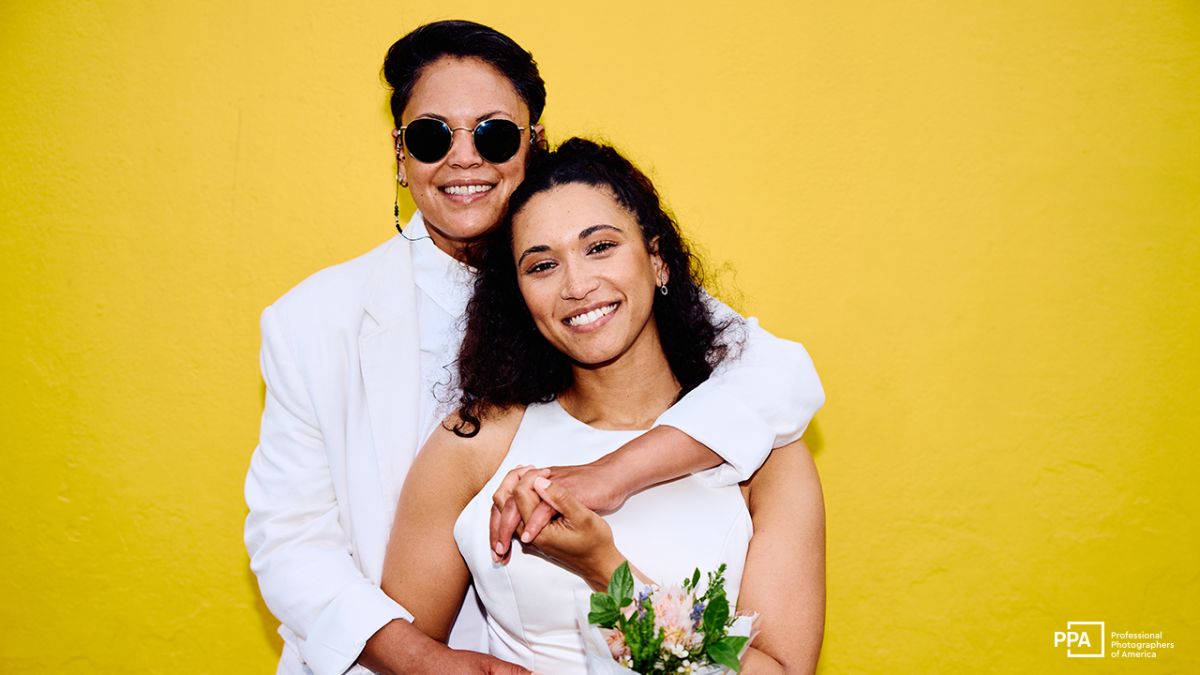
Pride Month is a meaningful time to celebrate LGBTQ+ clients, colleagues, and creatives—but inclusion is not limited to one month or one community. For photographers, making people feel seen, respected, and comfortable is part of the job. The good news? Small changes in your client experience can make a big difference.
Here are five simple ways photographers can create a more welcoming business for every client.
1. Use inclusive language from the first inquiry
Your client experience often begins long before the session—on your website, contact form, email template, or consultation call. That is why language matters.
Instead of assuming terms like “bride and groom,” “husband and wife,” “mom and dad,” or “bridal party,” consider using more flexible language such as “couple,” “partners,” “spouses,” “parents,” “family members,” or “wedding party.” These small word choices help clients understand that your business is ready to serve them without forcing them to correct assumptions.
PPA has previously highlighted the importance of gender-inclusive language and pronouns in helping photographers treat clients with dignity and respect.
 2. Ask for names and pronouns—and use them
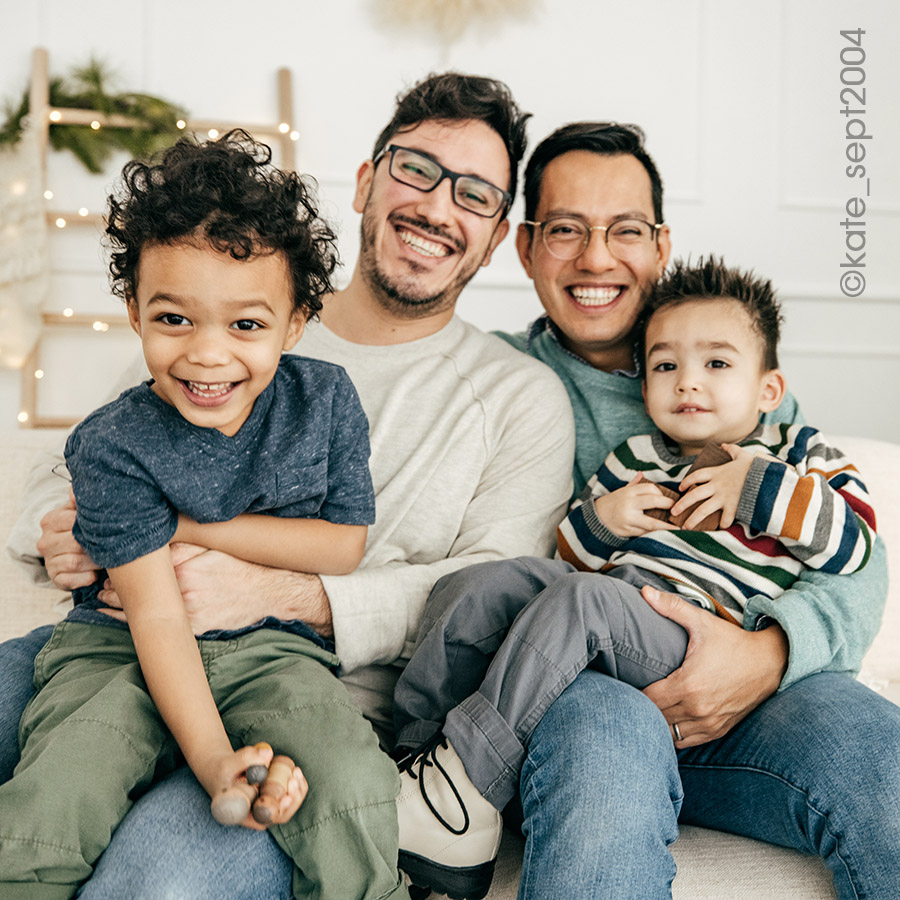
Adding a simple optional pronoun field to your contact form or pre-session questionnaire can help clients feel acknowledged from the start. You might also include a “name you’d like us to use” field, which is helpful for many clients, including transgender and nonbinary clients, people who use nicknames, or anyone whose legal name differs from the name they use day to day.
The key is to make these questions routine, not awkward. For example: “Please share the names and pronouns of everyone being photographed, if you’d like us to know.” Then, make sure your team uses that information consistently.
LGBTQ+ advocacy organizations such as GLAAD and The Trevor Project both emphasize the importance of respectful, accurate language when referring to LGBTQ+ people.
3. Rethink posing prompts
Inclusive photography is not just about what you say—it also shows up in how you direct clients.
For couples, avoid automatically assigning one person a “masculine” role and the other a “feminine” role in posing. Instead of saying, “Groom, hold her from behind,” try neutral, connection-based prompts like: “One of you wrap your arms around the other,” “Stand close and lean into each other,” or “Who naturally tends to lead when you walk together?”
The same approach applies to families and portraits. Let personality, comfort, body language, and relationships guide your posing rather than assumptions about gender roles or family structure.
4. Show welcome before clients have to ask
Many clients look for signs that a photographer will be affirming before they ever send an inquiry. Your website, portfolio, social media, and studio environment can all communicate whether people are likely to feel comfortable with you.
That does not mean every business needs rainbow branding year-round. It can be as simple as showing diverse couples and families in your portfolio, using inclusive language in your service descriptions, or adding a short statement such as: “We welcome clients of all identities, orientations, family structures, and backgrounds.”
For wedding and portrait photographers especially, visible inclusion helps clients know they will not have to explain or defend who they are before they can enjoy being photographed.
5. Make inclusion part of your everyday workflow
The most meaningful inclusive practices are not performative; they are consistent. Review your forms, contracts, questionnaires, email templates, posing prompts, and website copy. Look for places where you may unintentionally assume gender, relationship status, family structure, or identity.
A few easy updates might include:
- Replacing “bride/groom” with “partner/partner” or custom name fields
- Asking clients what family groupings matter most to them
- Using “wedding party” instead of “bridal party”
- Including optional pronoun fields
- Training assistants or second shooters on client names, pronouns, and preferred terms before the session
Inclusion is not about getting everything perfect. It is about being thoughtful, respectful, and willing to learn. When clients feel safe and seen, they can relax in front of the camera—and that is when photographers can create their best work.
This Pride Month, consider taking a few minutes to review one part of your client experience. A small update today could help a future client feel immediately at home.
Sources
- PPA: The Impact of Inclusive Language in Your Photography Business
- PPA: Same-Sex Wedding Photography: Serving an Inclusive Wedding Market
- PPA: Developing a Diverse and Inclusive Portfolio (Video recorded at Imaging USA Right at Home Jan. 2020.)
- GLAAD Media Reference Guide
- The Trevor Project: A Guide to Being an Ally to Transgender and Nonbinary Young People
- Zola: Supporting Inclusivity and Diversity in the Wedding Industry