Flash Forward: My Journey Into Off-Camera Flash
Author: Scott Johnson FBIPP FSWPP, Grand Master of The Societies
I’ve been photographing weddings since 2004. That’s over two decades of watching trends in wedding photography come and go—and trust me, I’ve seen them all. Some I embraced wholeheartedly. Others, well, let’s just say they had their moment. Remember colour pop? When everything was black and white except for the bouquet or the shoes? Guilty. I gave that one a whirl. Then came the age of HDR, where every image looked like it had been through a toaster. Again, I tried it. Even the recent trend of soft, blurry, dream-like images—I'm still on the fence about that one. Maybe I’ll come around.
But through it all, there was one thing I mostly avoided: flash photography.
Now, I’m not talking about the odd on-camera flash I’d use in my early days for group shots—you know the one, perched up like a little beacon of help during those tricky family formals. I used it because I didn’t really know any better. But it didn’t take long before I ditched it altogether in favour of available light and good old open shade. My reasoning? Natural light was quicker, less invasive, and honestly, it just felt right for the kind of work I wanted to do. Flash seemed like a whole world I didn’t want to dive into—too technical, too time-consuming, and not something I had the time to master. Or so I told myself.
The only exception was the dancefloor. I'd chuck a flash on, dive into the crowd, grab a few energetic shots of the party, and then reward myself with a slice of cake before calling it a night. That was the extent of it. Flash wasn’t part of my ‘style’. If anything, I proudly wore my natural-light-only badge. My workflow was quick, efficient, and let’s be honest—if it ain’t broke, why fix it?
But I’d be lying if I said I didn’t admire the work of photographers who did use flash—and used it beautifully. I’d scroll through images by the likes of Gurvir Johal, Sarah Edmunds, and Susan Stripling, and just think, “Wow.” There was a polish to their work, a certain cinematic quality that I always found compelling. But I told myself it was out of reach. That level of lighting and technical skill was for someone else. I was too busy, too in-the-zone with my style, and—if I’m honest—too intimidated.
Then March 2020 happened. The world came to a screeching halt. Weddings disappeared, work dried up, and for the first time in years, I had something I’d never had before: time. No more excuses. No more “I’m too busy.” If there was ever a moment to dig into the part of my craft I’d always put off, this was it.
I didn’t have the funds to splash out on a top-tier lighting setup—no Profoto or Elinchrom kits for me—but I’d heard great things about Godox, especially from photographers I respected (Sarah being one of them). So, I invested in a basic Godox system. Affordable, reliable, and a great entry point for someone like me who was just dipping their toe into the world of off-camera flash.
I started where many of us start—fiddling around in the back garden with a reluctant child standing in as my model. Let’s just say, the learning curve was steep. You can only get so far with YouTube tutorials and blog posts. There’s something about trial-and-error in real-world situations that just can’t be replicated in your backyard. I needed more.
So, I reached out to James Musselwhite and arranged to spend a day at his studio down in Portsmouth. We had an incredible model, Miarah (who, as of now, is the AEW Women’s World Champion—how cool is that?), and we explored various indoor and outdoor locations throughout the day. James walked me through the basics and beyond—how to balance ambient light with flash, how to subtly fill in shadows, how to overpower the sun when needed, and most importantly, how to make it all feel seamless.
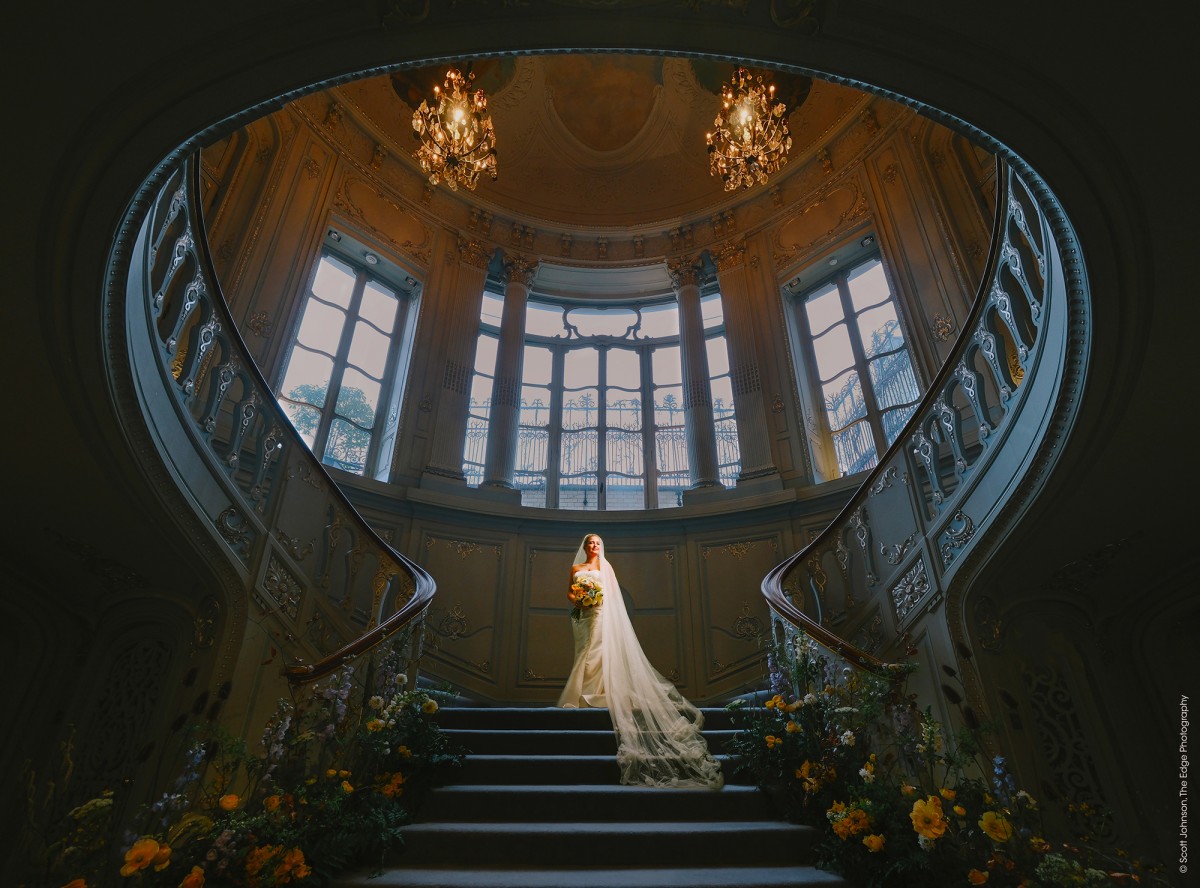
And that was the lightbulb moment—pun fully intended. I realised flash didn’t have to be this big, dramatic thing that completely changed the look of my images. It could be soft. Subtle. Supportive. Just a little kiss of light to lift the shadows under a bride’s eyes during a backlit ceremony. A gentle pop to give separation on a busy dancefloor. Or a dramatic burst to add that bit of theatre when the moment calls for it.
Now, when I look back through my old images, I often catch myself thinking, “How much better would that have been with just a touch of fill?” Not a full-blown strobe setup—just a little nudge of light to bring it to life.
Don’t get me wrong—I’m still very much an available-light photographer. I love working with natural light. The simplicity, the authenticity, the speed—it’s still the core of what I do. But now, I’m no longer scared of flash. I see it as another tool in my bag. I’m not whipping it out at every wedding, but it’s always packed, always charged, always ready.
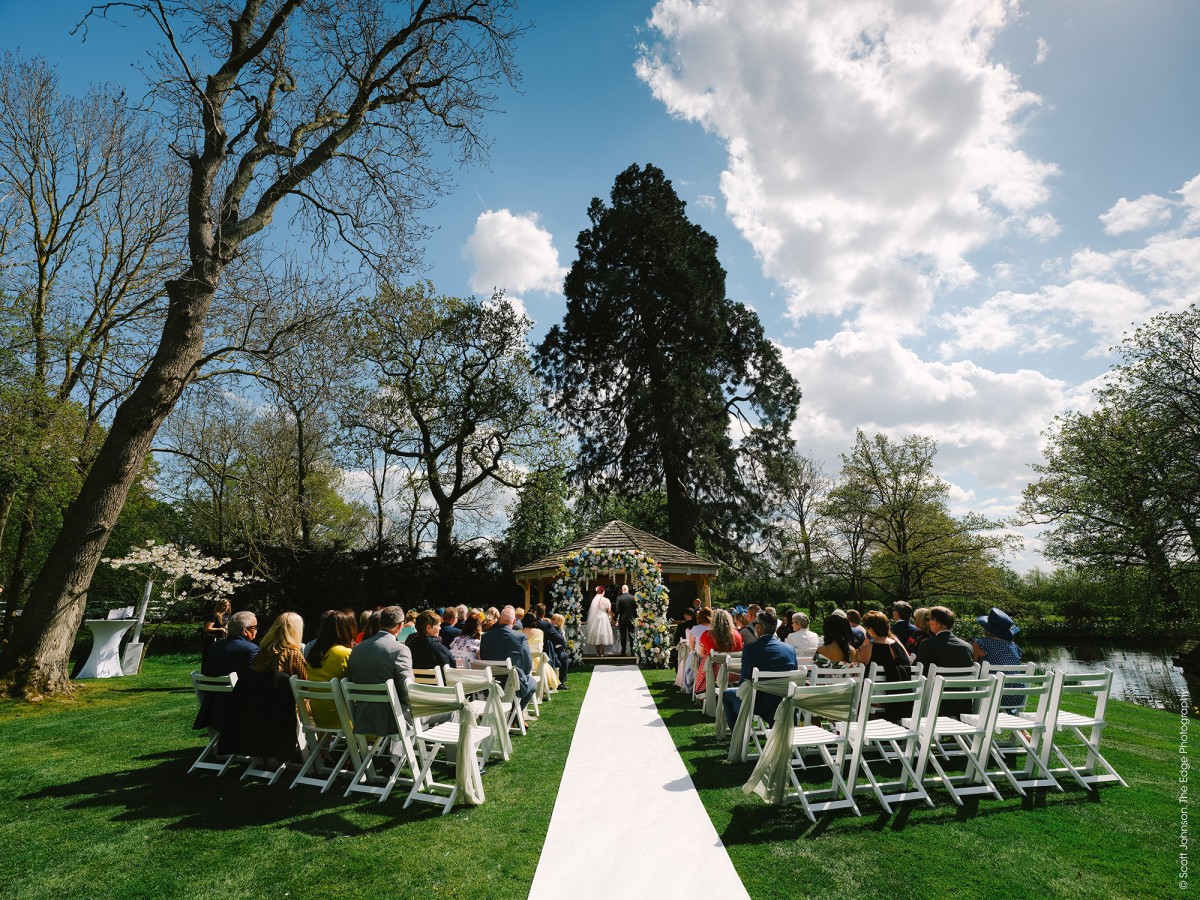
These days, if I know I’ll be using flash for a particular shot—say a dramatic portrait or a backlit couple shot during golden hour—I’ll set up early. I pick my spot, position the light, test a couple of shots, and leave it ready to go. That way, when the time comes, I can be in and out without eating into the couple’s time or slowing the day down.
And the results? Totally worth it.
Flash has opened up a new layer to my photography. It hasn’t replaced the way I shoot—it’s enhanced it. I still lean heavily on natural light, but now I have options. I have creative flexibility. And that’s something I never had before.
I’m still learning. Still experimenting. Still very much a work-in-progress. But I believe in always improving the weakest part of your game, and for me, that’s what off-camera flash was. It's no longer the big scary unknown. It’s something I’ve grown to respect, and even enjoy.
So if you’ve been putting off learning flash—telling yourself you don’t have time, or it’s not your style, or it’s too complicated—I get it. I’ve been there. But trust me, it’s worth exploring. It’s not about changing who you are as a photographer. It’s about growing, evolving, and adding another string to your creative bow.
And who knows—you might even start packing a light before the dancefloor kicks off.
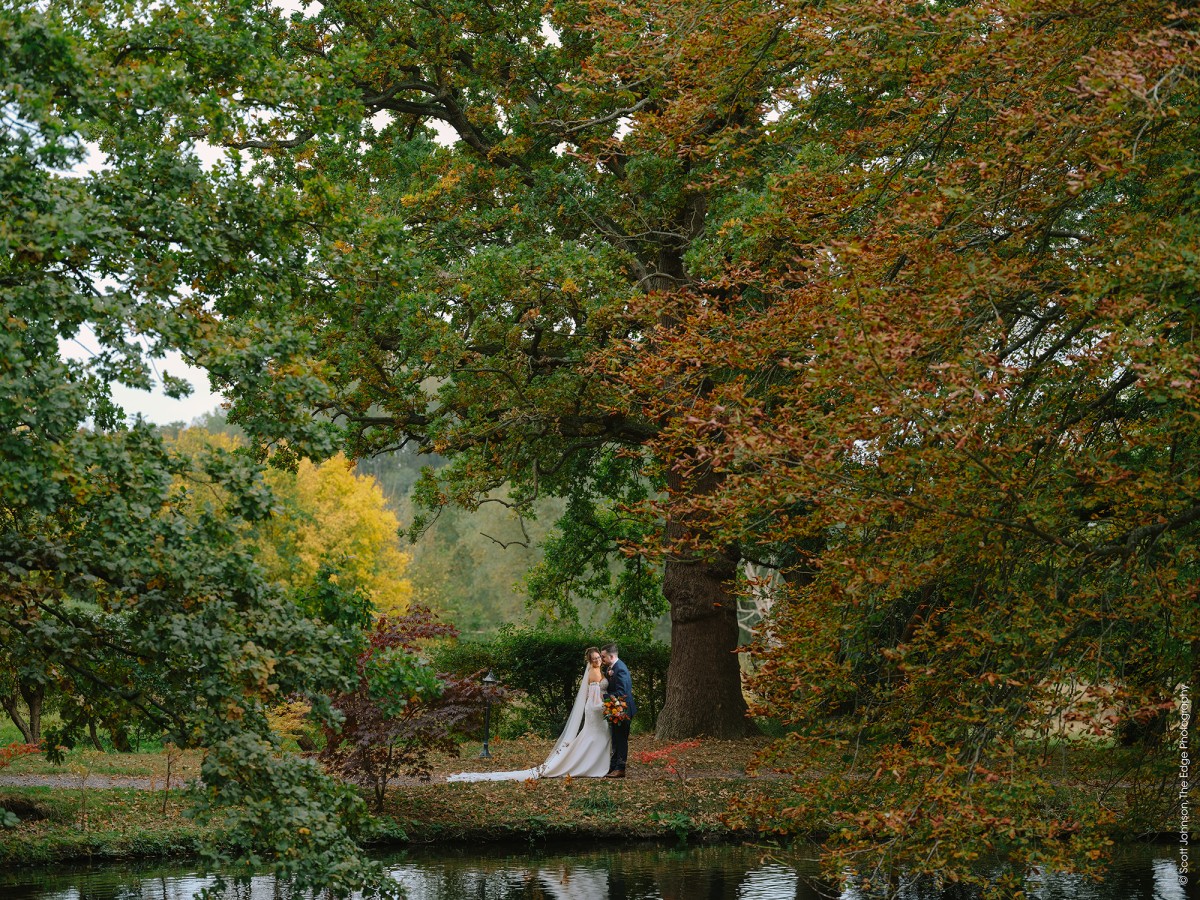
Scott Johnson FBIPP FSWPP, Grand Master of The Societies, is an internationally recognised, award-winning photographer based in Essex, UK. Known for his energetic approach and strong storytelling, Scott photographs weddings worldwide and is a highly respected judge, educator, and mentor.
A two-time SWPP Fellow in Wedding and Documentary Photography, his 2017 documentary Fellowship, captured entirely on film at Auschwitz, received international acclaim. Scott has judged major competitions, including SWPP, WPPI, and the World Photographic Cup, where he was the only British judge in 2020, 2021, and 2023.
His accolades include SWPP Grand Master Photographer, Architectural Photographer of the Year, multiple WPPI Golds, and the Wedding Day category win at the SWPP 20x16 in 2023. He also made history by becoming the first photographer outside the USA to win the PPA IPC Diamond Award at Imaging USA in Dallas in 2025.
In 2026, it was given a Special Recognition award by The Guild of Photographers for his ongoing effort to help other photographers in their craft.